Lotus Adult Day Center is described by families as a clinically staffed adult day program with notable strengths in its caregiving and clinical oversight. Reviewers emphasize that the center employs an experienced RN or medical person on staff and that caregivers are generally described as kind, patient, and compassionate. The program operates on a standard weekday schedule (five days a week, approximately eight hours per day), which some families find helpful for routine respite and continuity of care.
Care quality and staff: The prevailing pattern in the feedback highlights strong interpersonal care—staff professionalism, dementia-care competency, and patient-centered interactions are repeatedly underscored. These attributes are linked to family perceptions of quality care and peace of mind. Clinical credibility is reinforced by on-site nursing oversight, which reviewers cited as a positive influence on care coordination and safety.
Dining and dietary accommodations: The center provides meal service and can accommodate some dietary needs; reviewers noted that dinners and particular menu items are available. At the same time, there are limits to the scope of accommodations mentioned. Prospective families with specific or restrictive dietary requirements should ask detailed questions about menu variety and substitutions during intake.
Activities and programming: The program advertises a range of activities and many families reported a variety of scheduled offerings. However, a recurring pattern in the feedback is that activity delivery can be inconsistent with expectations; some families perceived fewer activities or less variety than anticipated. This suggests variability in programming frequency or scope on different days or for different cohorts.
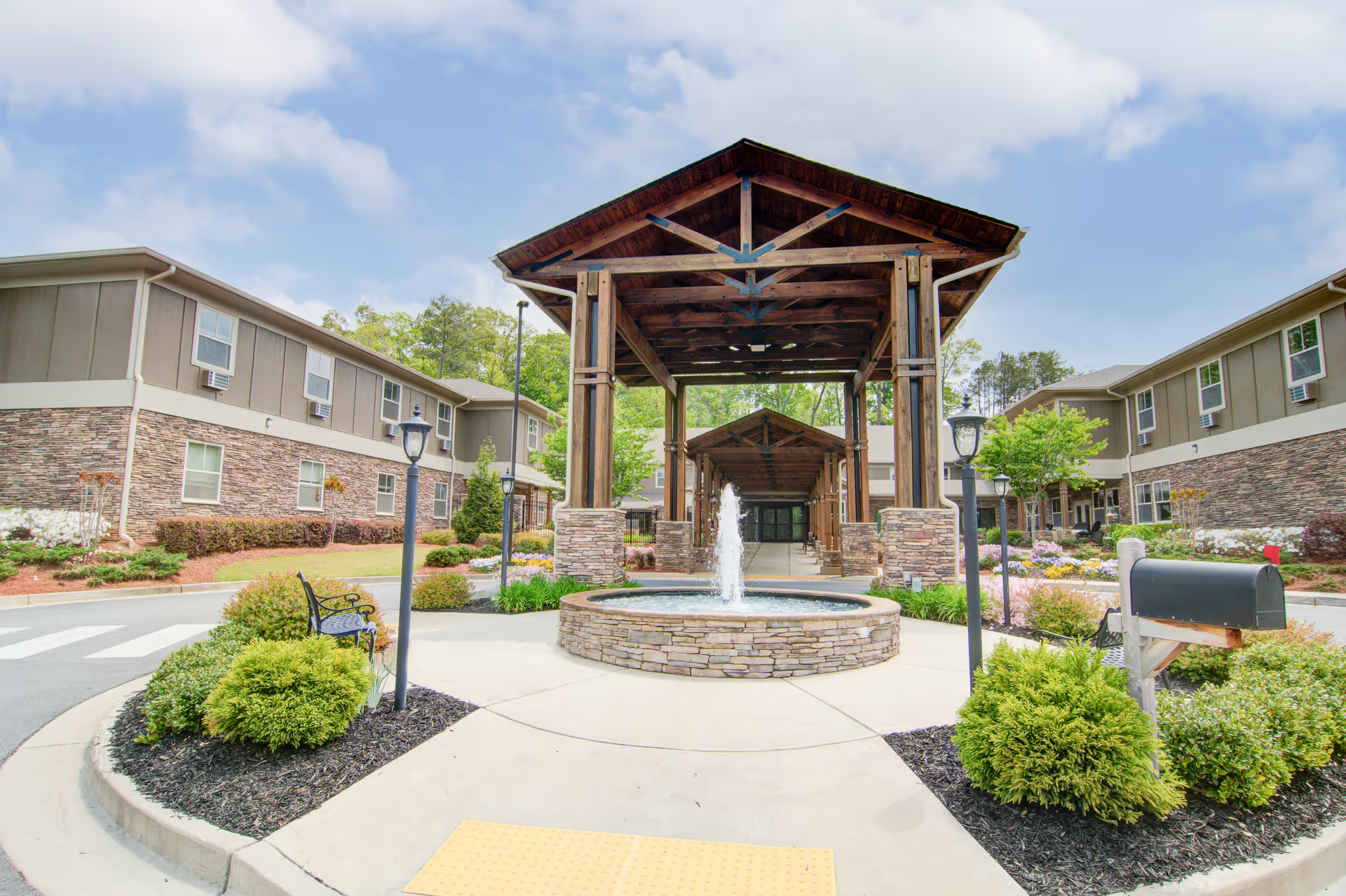
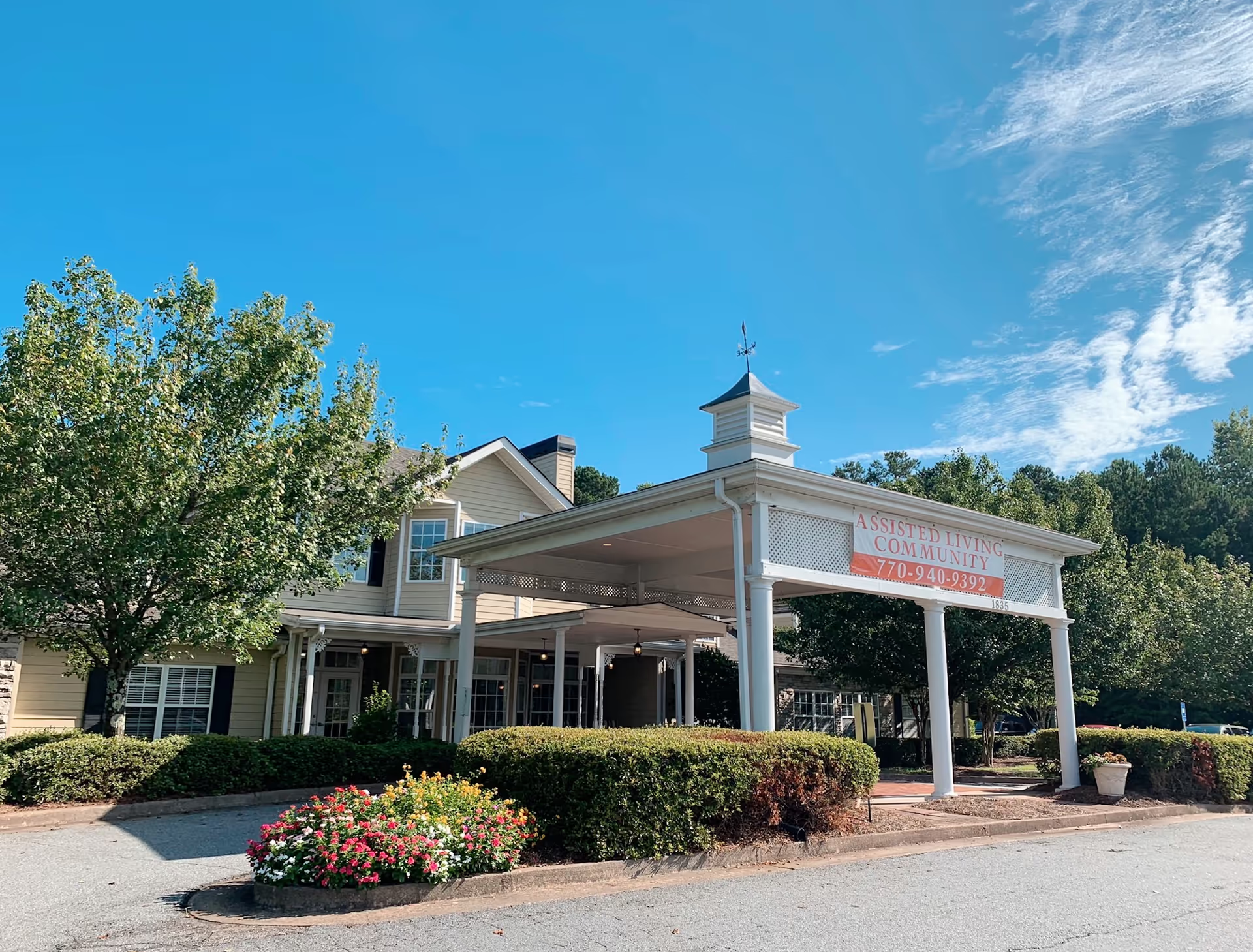
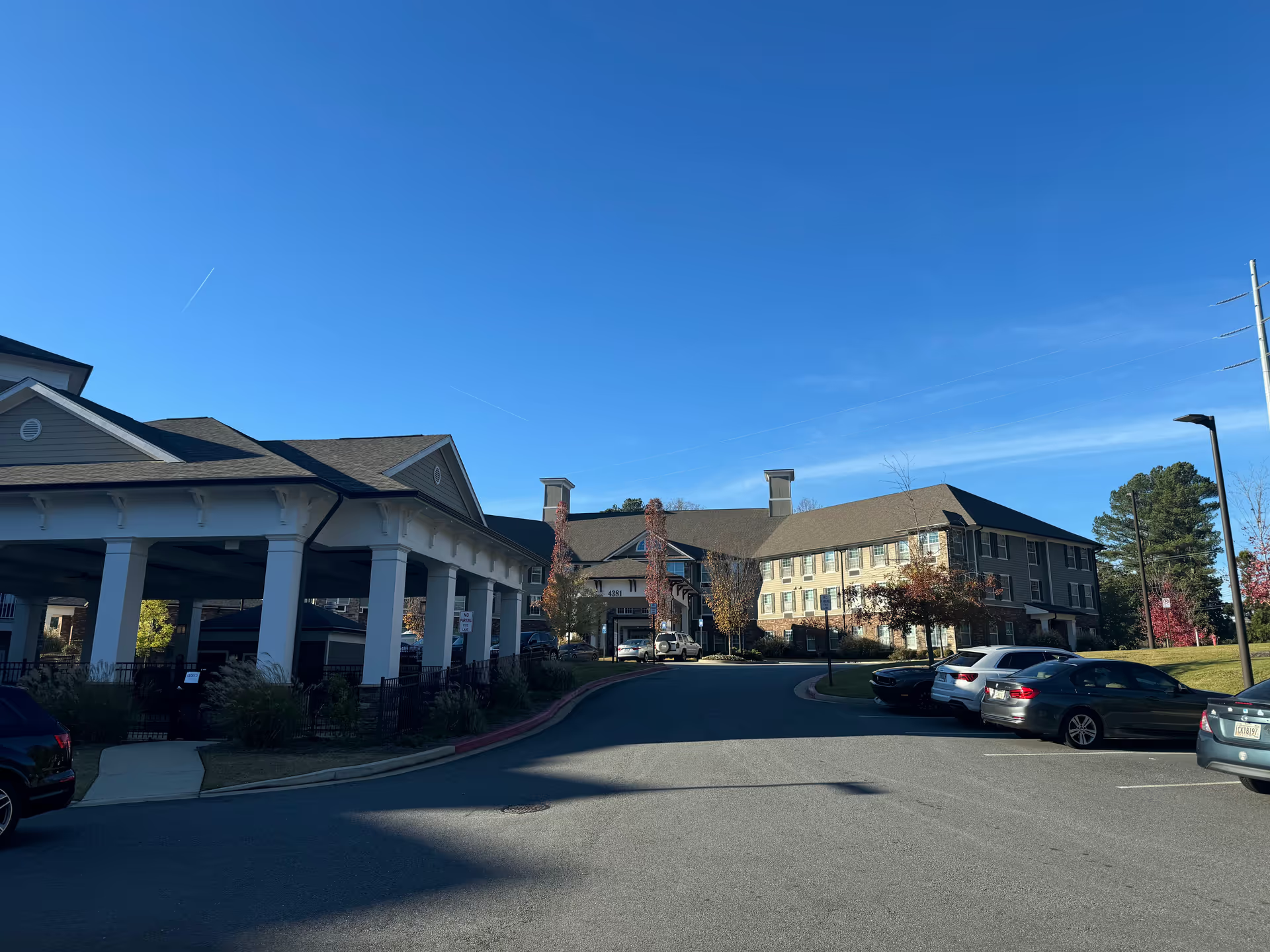
Facilities and logistics: The site is characterized as a larger facility, which some families found suitable for group programming and referrals. A clear operational weakness in the feedback is the absence or limitation of transportation services; transportation was noted as unavailable or unreliable and created logistical challenges for some families. Additionally, communication about ancillary logistics—especially transportation—was identified as inconsistent at times, with frustration that explanations rather than solutions were provided.
Management and notable patterns: Overall, the center appears to offer compassionate, clinically supported adult day services at a reasonable cost, which many families recommend. Areas for improvement include strengthening the reliability of transportation or clarifying alternative arrangements, aligning activity offerings with advertised schedules, expanding dietary accommodation options where feasible, and improving responsiveness and clear communication about operational limitations. Prospective families should verify transportation availability, specific menu accommodations, and the current activity schedule during the admissions process to ensure the program fits their needs.