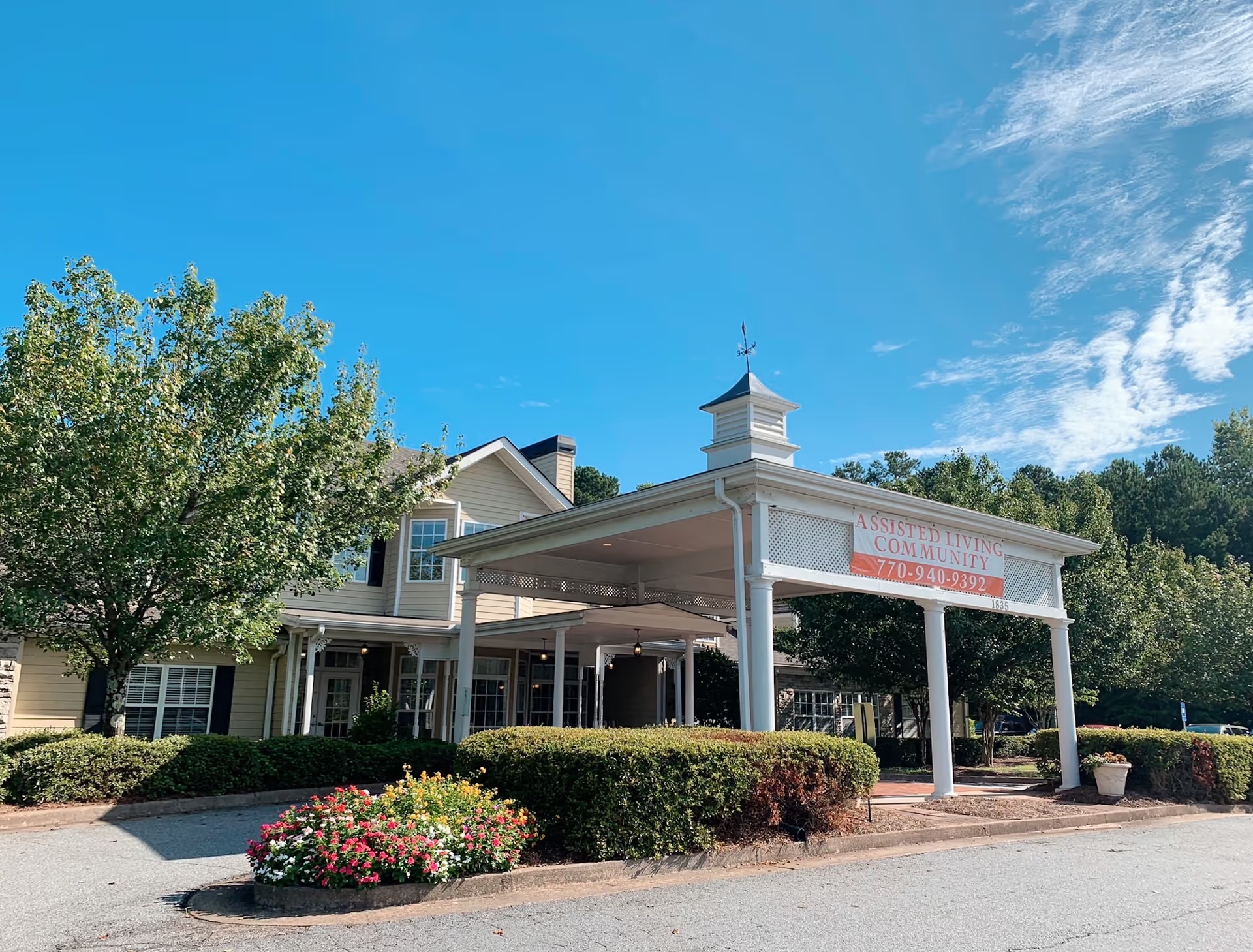
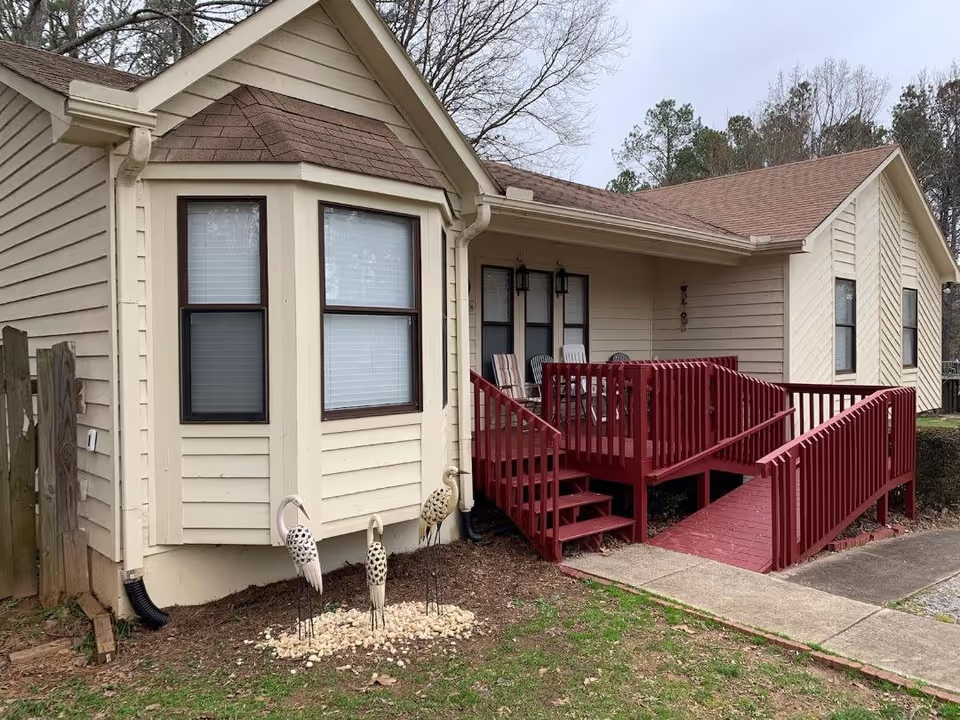
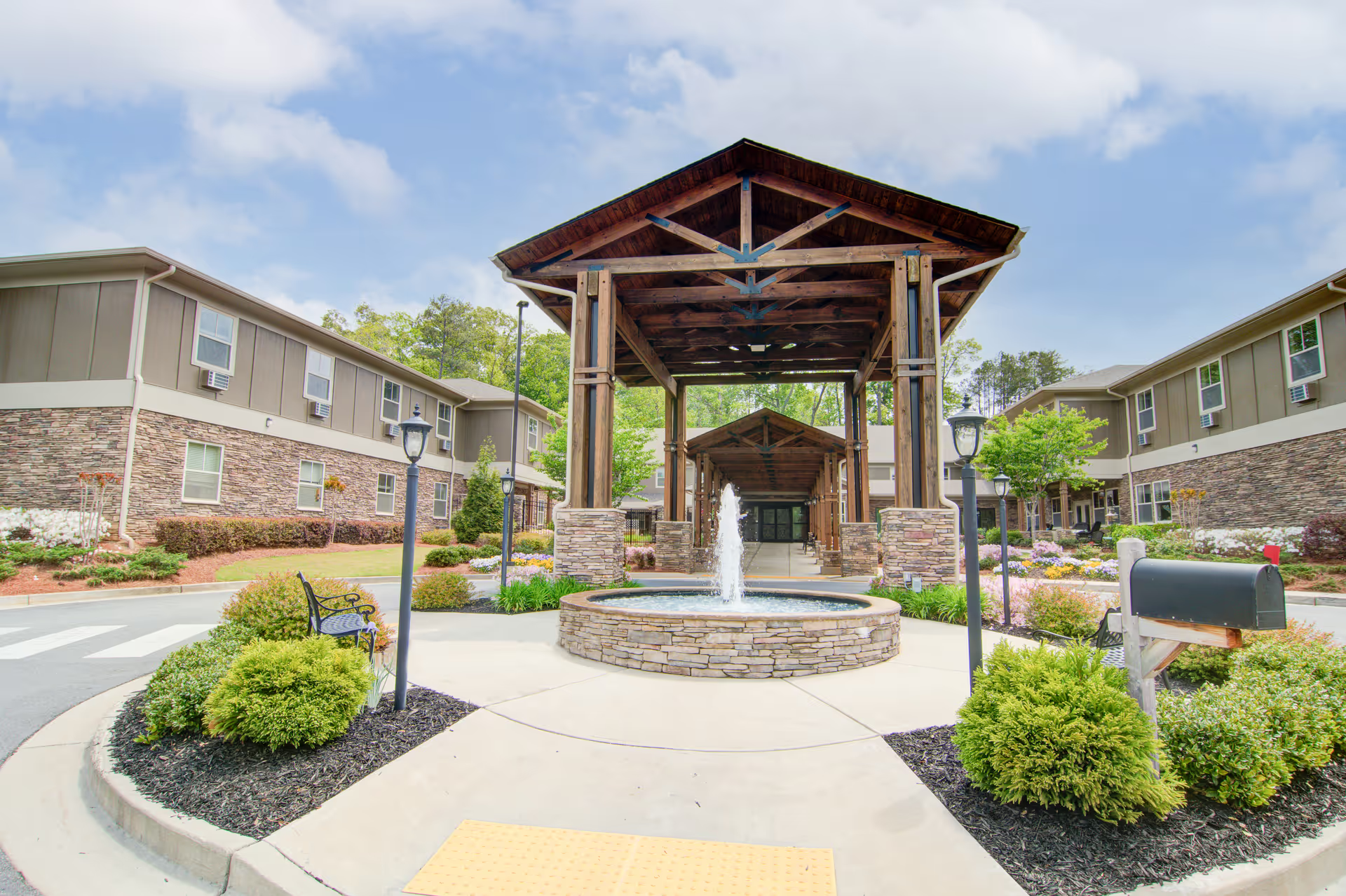
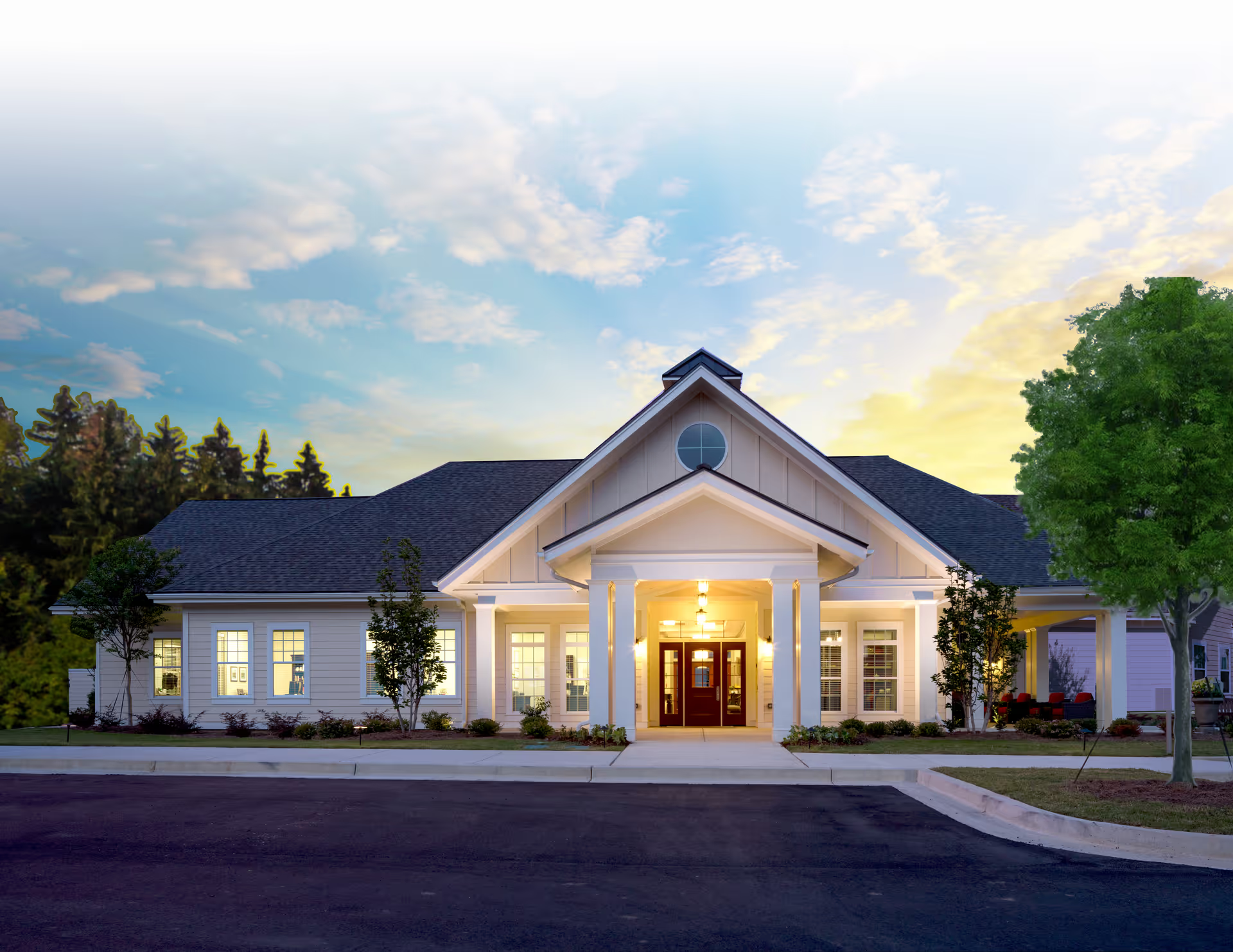
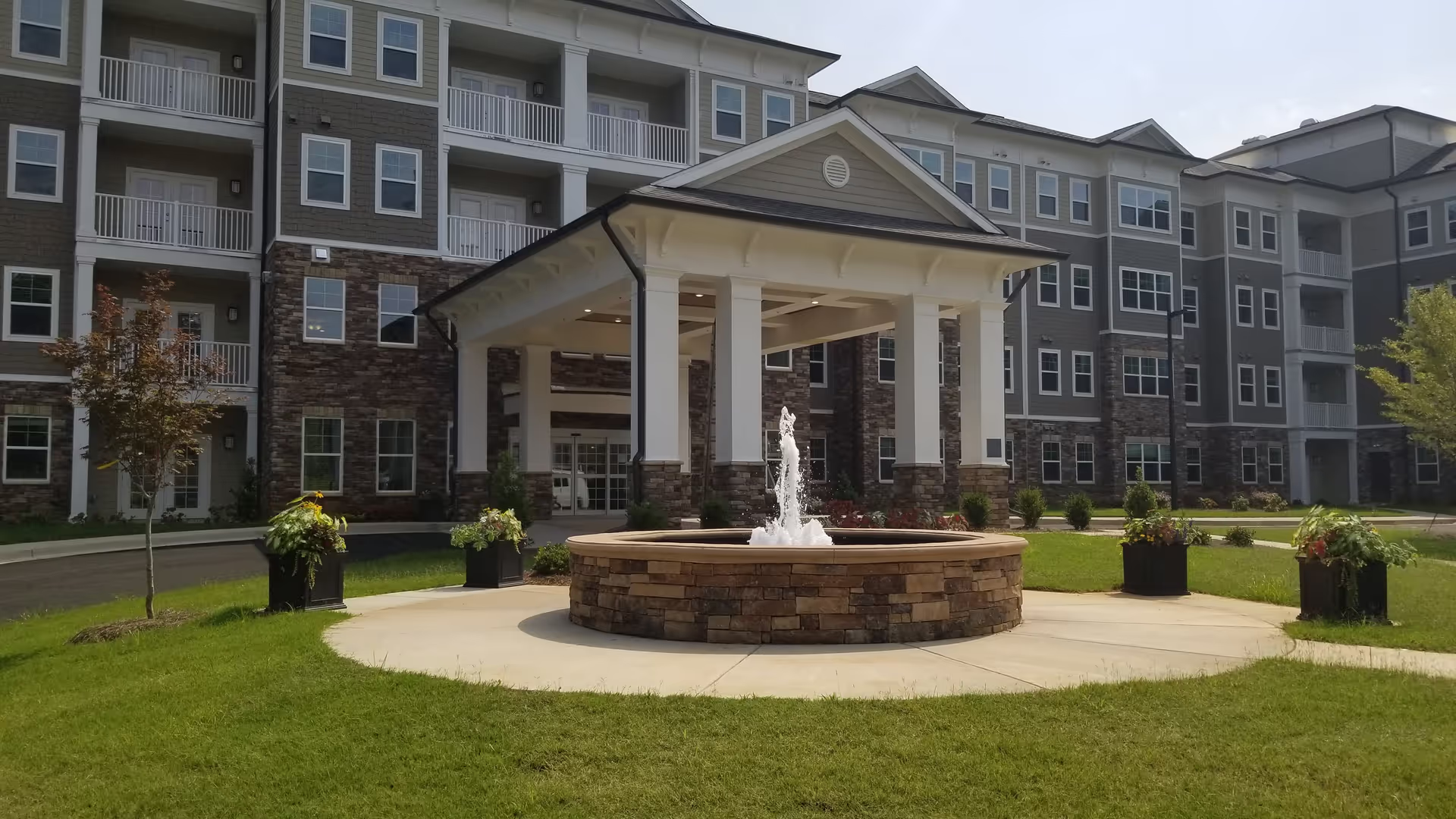
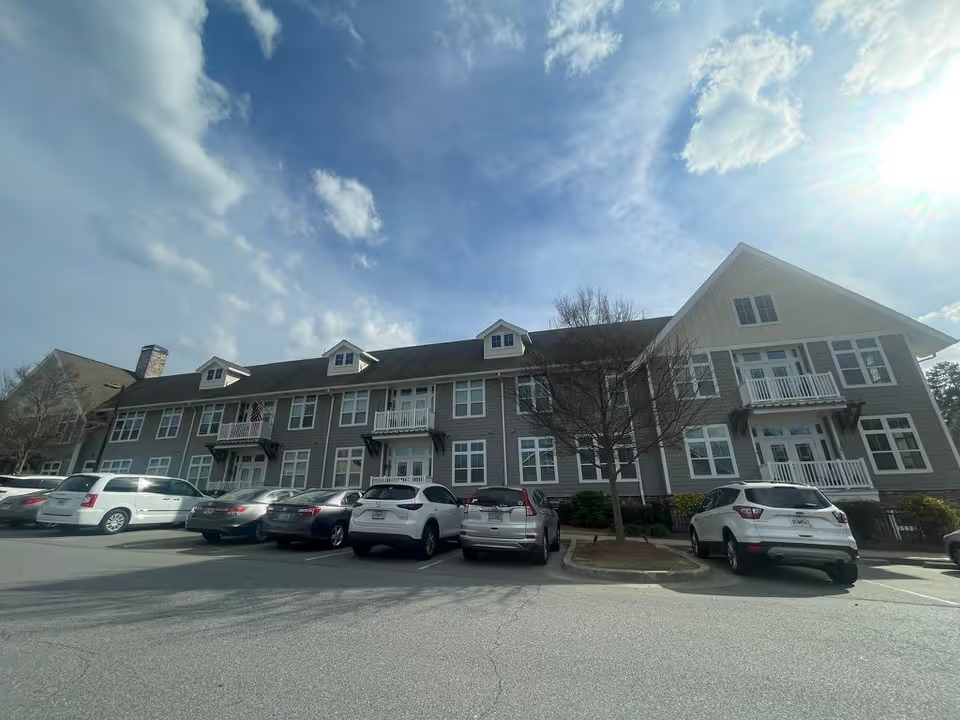
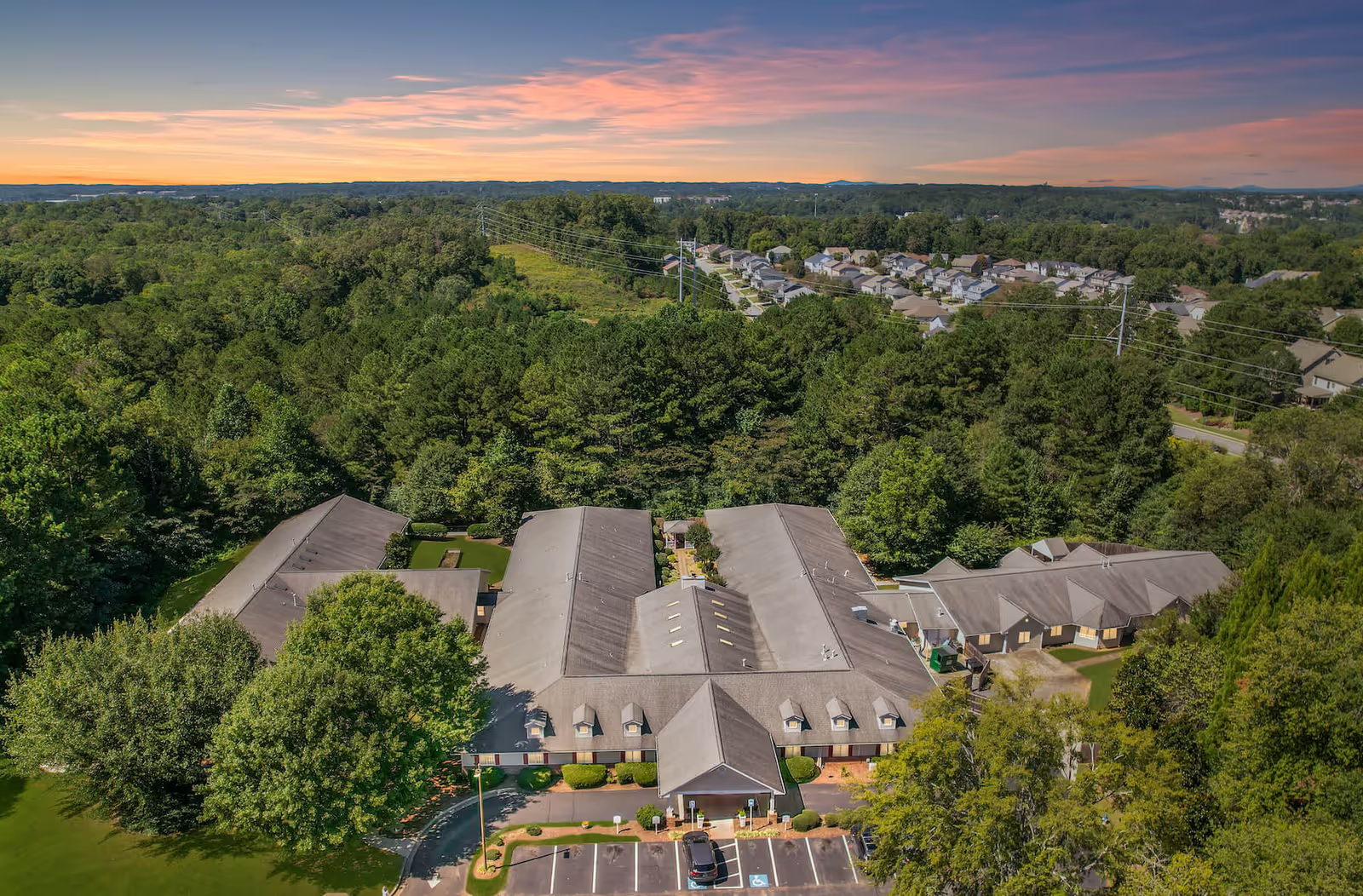
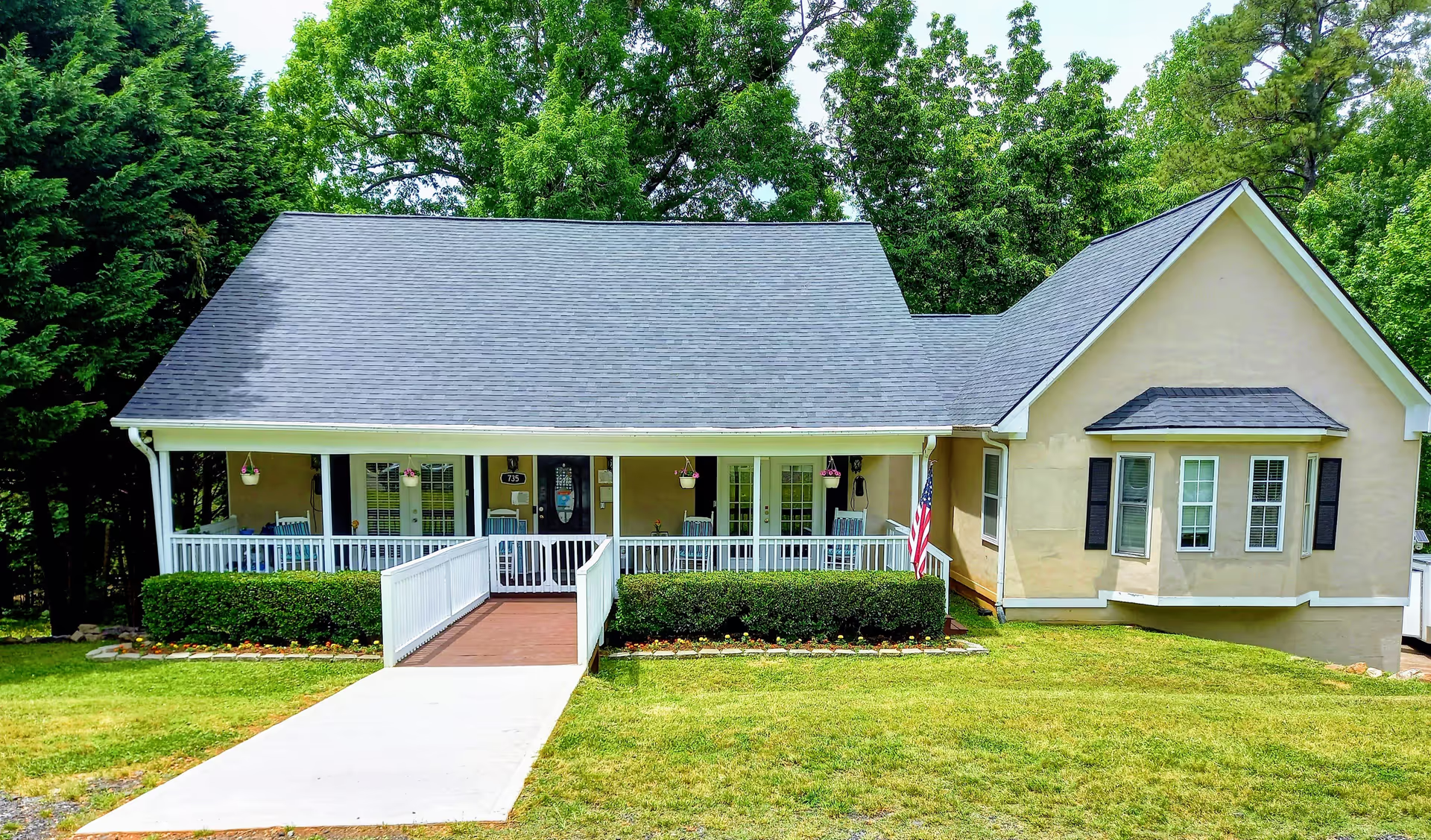
Reviews describe a facility with many of the physical and programmatic elements families seek for memory-care residents: a single-level, memory-specialty layout with secure courtyards, short corridors, roomy private rooms and en-suite bathrooms, attractive common areas and multiple outdoor gardens. Numerous accounts highlight a home-like environment, appealing meal presentation and dining geared to residents, a robust activity slate (music, word games, bingo, crafts, outings) and an active activity director. Several families emphasize the presence of licensed nursing involvement, grooming services, and frequent, supportive communication from staff and management under certain leadership teams.
Care quality impressions are mixed. Positive accounts describe compassionate, attentive caregivers, meaningful resident interactions, and visible reduction in resident stress and wandering. Conversely, other accounts raise concerns about inconsistent care delivery tied to staffing: chronic understaffing, frequent staff turnover, and uneven dementia-care competency. Those patterns are associated with delays in responding to resident needs, inconsistent medication timing, and variability in bathing, laundry and incontinence‑care processes. There are also descriptions of staff conduct and communication tone that families found unsatisfactory in some instances.
Dining and activities generally receive praise when staffing and leadership are stable: meals described as appealing and dining services adapted for memory-care residents; activities characterized as creative and engaging. At the same time, some families reported interruptions or declines in food quality and days with limited programming, suggesting that activity and dining consistency are sensitive to staffing levels and management focus.
Facilities and safety receive similarly mixed remarks. The physical plant, outdoor spaces and memory-focused design are consistent strengths. However, reviewers flagged operational safety and maintenance issues in a subset of accounts, including transfer-safety practices, emergency-response timeliness, and environmental maintenance (for example ventilation and equipment). Concerns about personal-property security and surveillance practices were also raised.
Management and leadership emerged as a key differentiator. Several families credit newer management teams and directors with meaningful improvements in activities, communication and care coordination; others experienced dismissive front‑desk interactions, billing confusion, or insufficient responsiveness to clinical concerns. Pricing is generally described as at the higher end; some families judge it fair for the care received, while others find the cost misaligned with service consistency.
Overall pattern: the community offers many of the desirable features for memory care and has clear strengths in environment, activities and, under stable staffing, compassionate caregiving. At the same time, prospective residents and families should be aware of operational variability tied to staffing and management stability. When evaluating the community, consider asking directly about current staffing ratios, dementia‑training protocols, medication-administration procedures, laundering and incontinence-care processes, property-security and camera policies, recent management changes, and examples of how the team handles clinical incidents and family communication.