Reviews of Aspen Valley Senior Living present a mixture of consistently positive experiences with notable operational concerns. Many families emphasize strong day-to-day caregiving: staff are described as compassionate, attentive, and familiar with residents by name. Memory-care programming and staff skill are frequently praised, and reviewers note personalized attention associated with the facility's smaller, community-style layout. Dining is another recurring strength: reviewers mention home-style, family meals, varied menus, helpful dining staff, and generally positive food quality. Activities and social programming receive frequent commendation for inclusivity and engagement, with regular events, outings, and resident-focused programming that family members find meaningful.
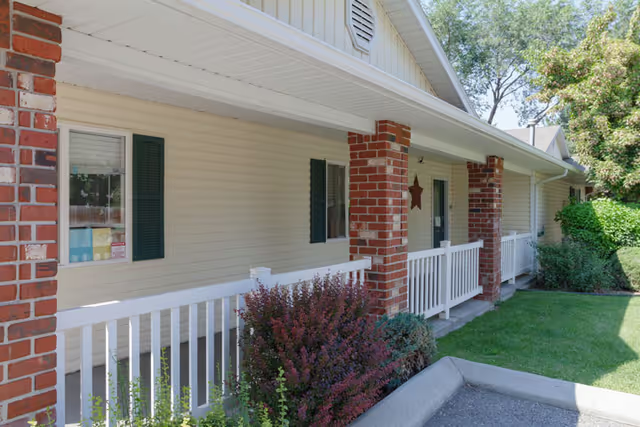
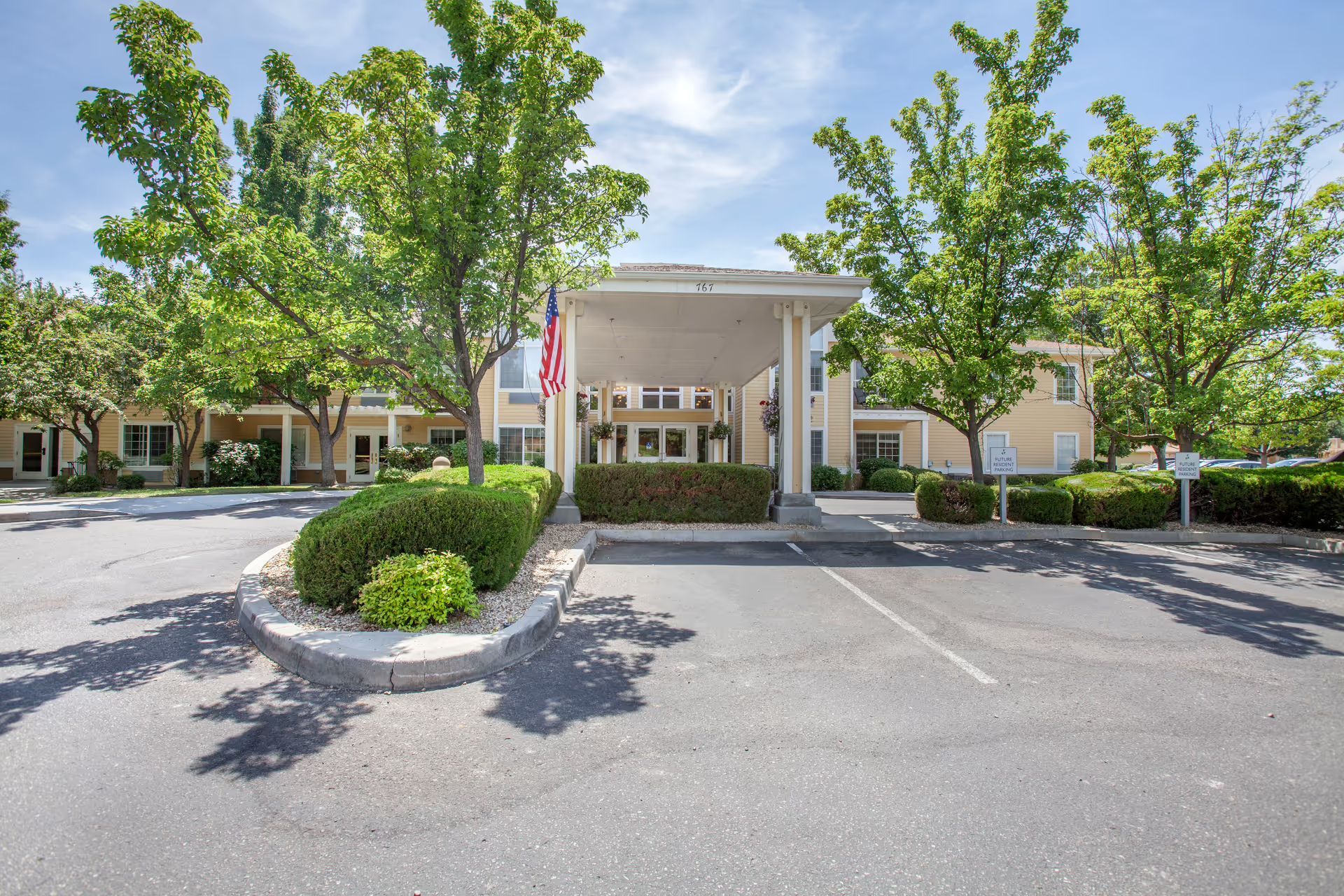
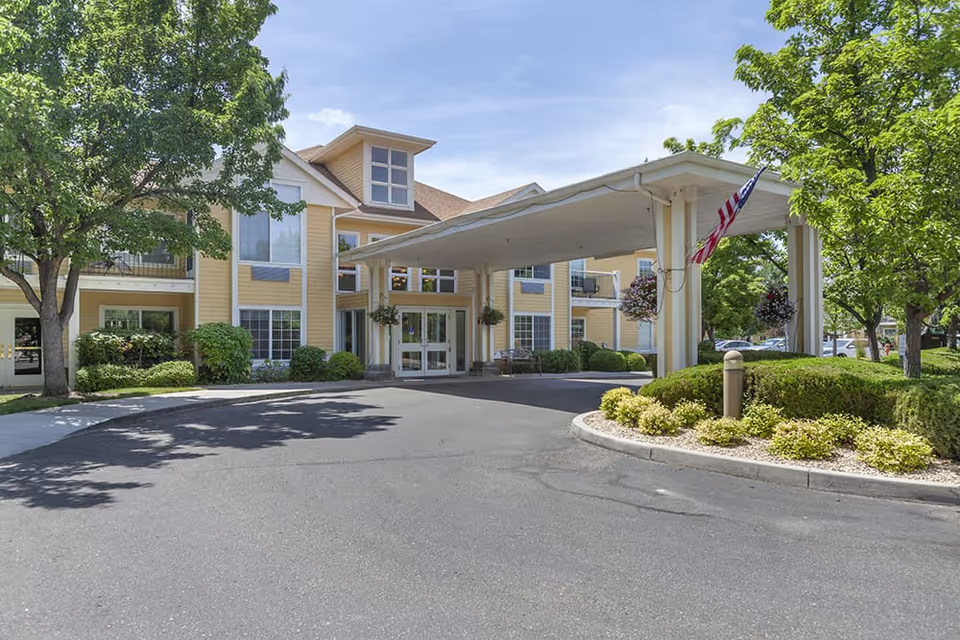
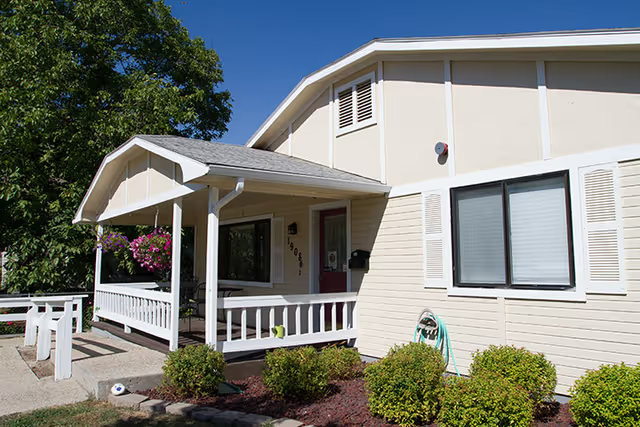
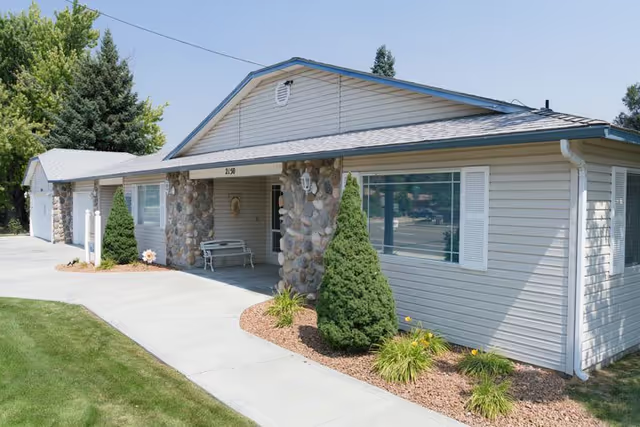
Facility and environment are often described positively: numerous comments highlight a clean, bright, well-maintained building with private rooms, en-suite bathrooms, secure outdoor patios, gardening beds, and a pet-friendly culture. Community-relations and admitting staff are singled out in many comments for being responsive, helpful, and flexible during move-ins and inquiries. Reviewers also note effective infection-control practices during the COVID-19 period and a home-like, family-run feel that many families value.
Counterbalancing these positives are several recurring operational concerns. Medication-administration reliability and timeliness are areas of reported inconsistency, and multiple reviews describe delayed or missed medication events. Staffing stability and staffing levels are described as uneven, with associated impacts on responsiveness and morale. Housekeeping, laundry, and sanitation processes are inconsistent across accounts; while some families report excellent cleanliness, others describe lapses in routine cleaning and laundry management. Reviewers also raise issues with fall-prevention and transfer-safety practices, privacy protections (unannounced room entries), and gaps in formal incident reporting and family notification following adverse events, including concerns following a resident's death.
Management and policy issues emerge as another theme. Several accounts reference variable management responsiveness, especially following ownership or administrative changes; this includes concerns about billing transparency, nonrefundable fees, and admission suitability practices that appear to favor lower-dependency residents. There are also serious conduct-related worries in a subset of accounts, including alleged staff substance misuse and other safety-related complaints. These concerns are not universally reported but are significant enough that prospective residents and families should ask specific questions.
Taken together, the pattern suggests a facility that can provide warm, high-quality, home-like care for many residents, supported by dedicated caregivers, strong activities, and appealing dining — particularly appreciated in small-community settings. At the same time, operational variability (medication handling, staffing consistency, housekeeping, incident communication, and management oversight) appears to affect some families' experiences. Prospective residents and families should tour the community, observe staffing during different shifts, review medication- and incident-reporting policies, ask about staffing ratios and turnover, and clarify admission fees and refund policies before committing.