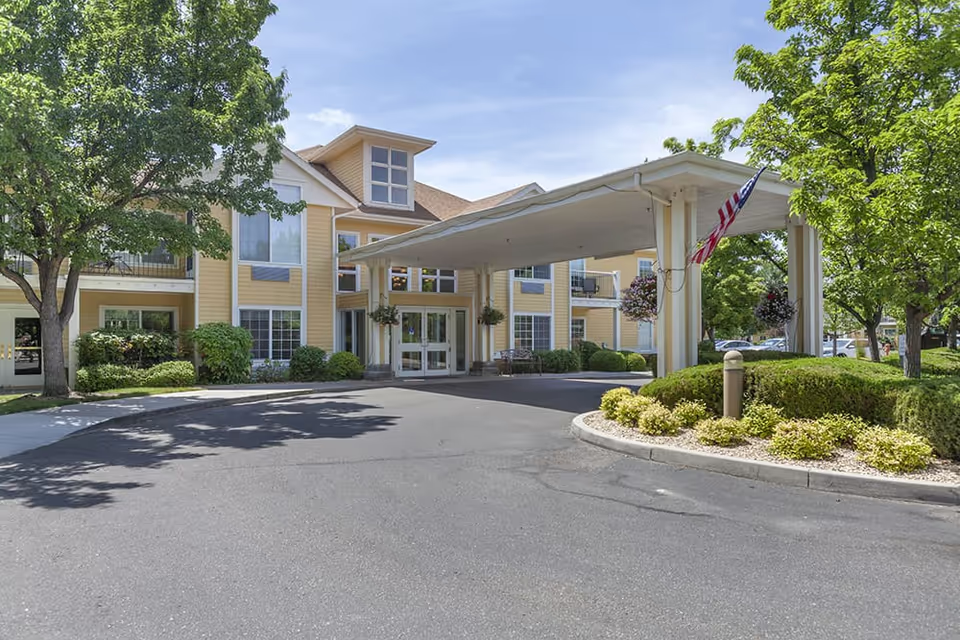
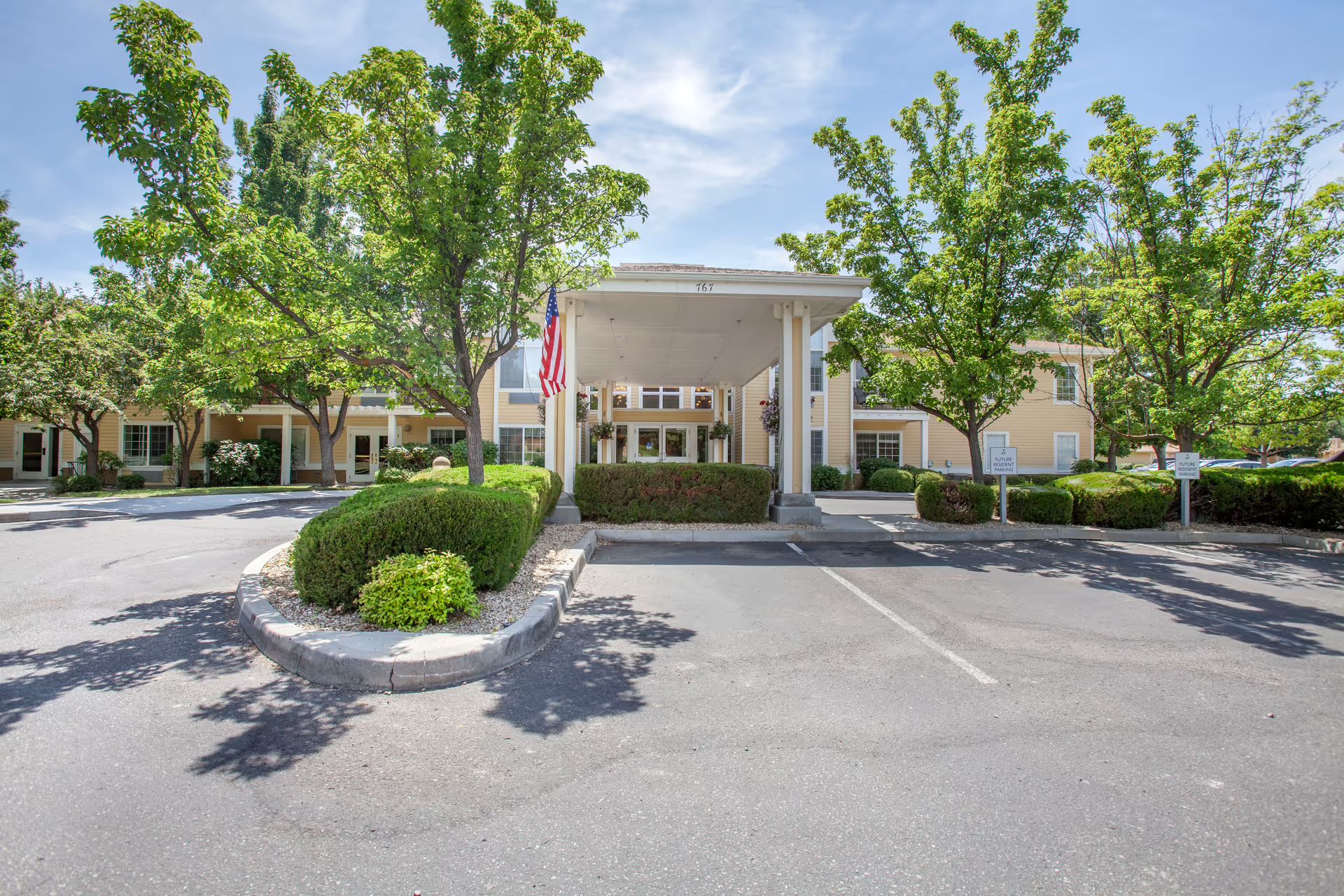
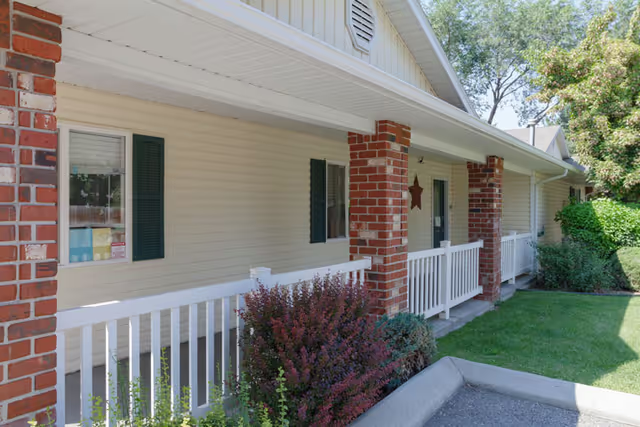
Shaw Mountain of Cascadia presents as a facility with several clear operational strengths alongside notable variability in family experiences. Strengths that recur across evaluations include a generally clean, well-maintained environment, long-tenured staff, and a rehabilitation-focused clinical model. The facility’s on-site PT/OT gym, knowledgeable therapy teams, and memory-care programming are frequently highlighted; many families describe effective, goal-oriented rehabilitation and staff who take a hands-on, personalized approach to recovery. Nursing staff are often described as professional and compassionate, and some accounts credit the facility with decisive, life-saving interventions. Management-level strengths include proactive care conferences, family inclusion in planning, and visible reinvestment in building upgrades and remodeling.
Dining and social programming have mixed but discernible positives. Multiple reviews note meals prepared on-site, attentive dining staff, and active engagement opportunities such as resident-led calendars and activities (bingo, exercise, game rooms). These offerings support a family-like atmosphere for many residents and contribute to social engagement for those who participate. Common areas, landscaping, and the facility’s proximity to hospitals are additional conveniences families appreciate.
However, important operational concerns recur across the feedback and warrant attention. Communication infrastructure is a consistent weakness: families report limited in-room phone access, difficulties reaching the main line, and delays enabling residents’ personal phones. These issues translate into broader family-outreach problems and intermittent inability to get timely information. Reviewers also describe inconsistent staff responsiveness and variable conduct—examples include slow responses after falls, delayed follow-up care, and perceived brusqueness from some staff members—which point to uneven performance across shifts or teams rather than a uniform culture.
Clinical and care-coordination gaps appear in several domains. Some accounts describe shortcomings in documentation, missed orders or testing, and variability in chronic-condition management (for example, glucose control). There are also examples of inconsistent discharge and care-transition handling, which suggests process variation when residents move between hospital, rehab, and long-term placements. Finally, while many describe the facility as clean and pleasant, there are isolated odor concerns in some rooms or corridors and uneven dining quality reported by different families.
In sum, Shaw Mountain of Cascadia offers strong rehabilitation resources, experienced staff, and an improving physical plant that many families find supportive and compassionate. At the same time, prospective residents and their families should probe operational consistency: ask for specifics about in-room communication options, emergency response protocols, care-transition workflows, documentation practices, and how the facility monitors and addresses variability in staff responsiveness and dining quality. Those who prioritize robust rehab services and a family-oriented culture may find this facility well suited, while those for whom consistent communication and tightly managed clinical processes are paramount should seek clarifying information during tours and care-planning meetings.