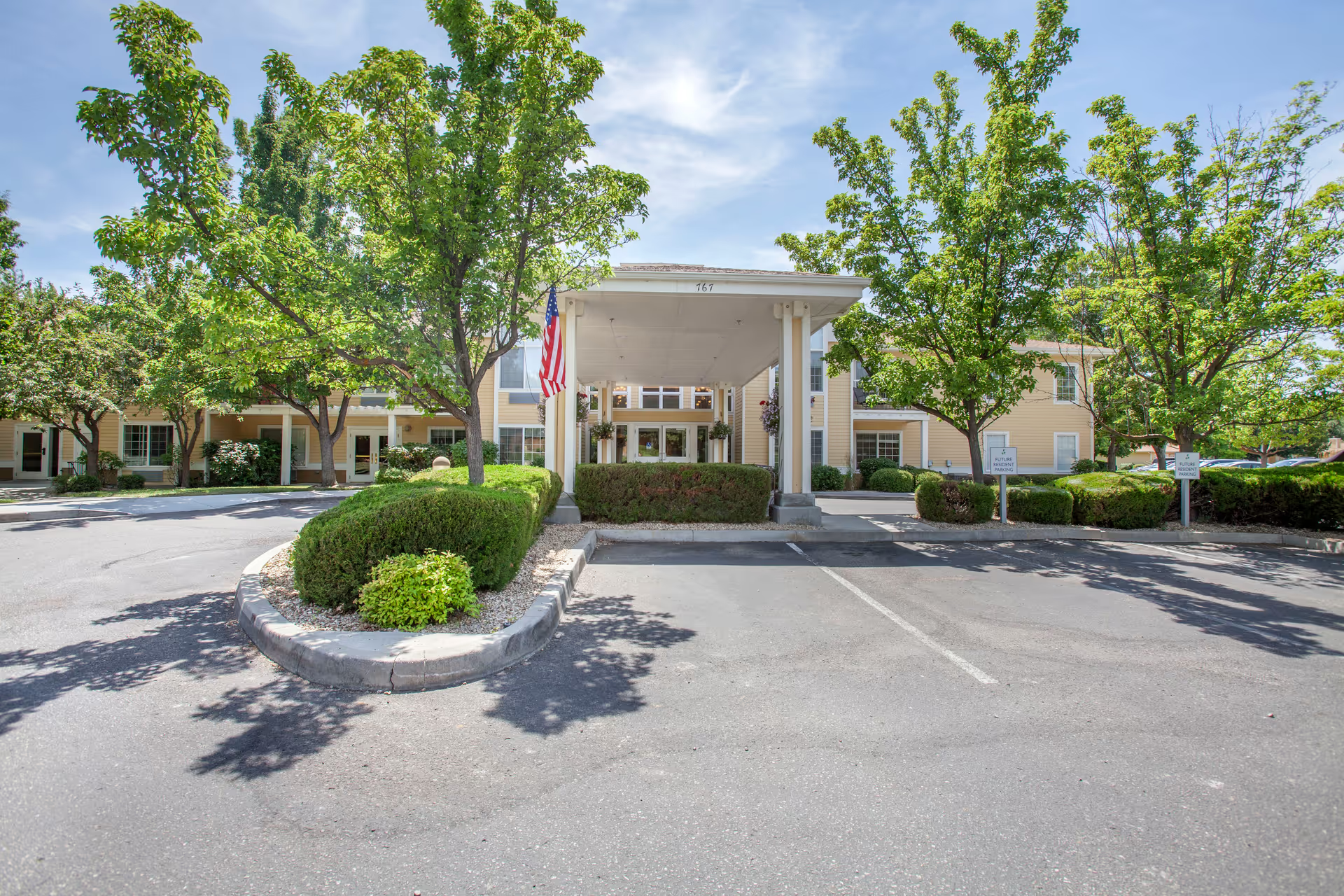
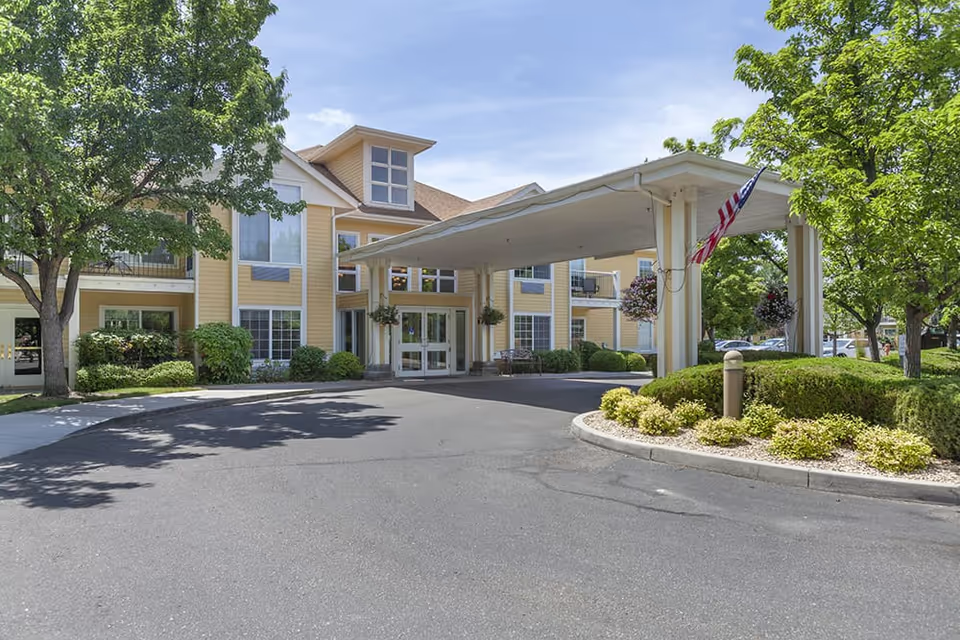
The Terraces of Boise presents a mixed but generally favorable profile with strong points in dining, amenities, and the available continuum of care. Many reviewers praised the restaurant-quality meals, on-site bistro, and attention from a nutritionist; food was described as well-prepared, plentiful, and consistently appealing. The physical campus is frequently characterized as new, clean, and well-appointed, with spacious private apartments, attractive dining rooms, a welcoming front desk, and resort-like grounds. The community offers a broad activities program (bingo, quilting, kayaking, puzzles, clubs) and an active resident life that many families found beneficial for social engagement and recovery needs.
Clinical and rehabilitative resources are a noted strength for many families: the facility provides on-site physical and speech therapy, skilled nursing, and memory-care options, enabling a single-site care continuum. Several reviewers highlighted attentive nurses and certified nursing assistants, as well as social workers and providers who were willing to meet with families. Rehabilitation outcomes and post-hospital recovery were described as effective in numerous accounts.
That said, there are recurring operational concerns that prospective residents and families should evaluate. Reviewers cited inconsistent staff professionalism and variable responsiveness to call buttons and care requests; these issues manifest as delayed responses, uneven bathing or shower scheduling, and intermittent checks on residents. Medication-management and clinical-oversight gaps were described in enough detail to indicate an underlying process risk rather than isolated perception—families reported unclear handling of medication events and requests for stronger clinical safeguards. Communication and transparency with families are additional areas of concern, including unclear billing or buy-in processing, delayed notices during disruptive events, and difficulties obtaining timely updates.
Management and financial practices emerged as a notable theme. Several accounts described changes after a management transition that coincided with price increases and perceived service reductions. Complaints also addressed how construction, flood remediation, and unit relocations were handled—families pointed to inconsistent disruption mitigation, inadequate communication during moves, and limited compensation or rent adjustments when apartments were affected. Wait times for therapy or care-coordination appointments and uneven service quality across departments (for example, strong clinical staff alongside weaker administrative interactions) were also cited.
For prospective residents and families: verify current staffing levels and turnover, review medication-administration policies and incident escalation procedures, ask for written details on buy-in/refund timing and billing practices, and get a clear timeline and mitigation plan for any ongoing construction or renovation. Arrange to meet both clinical and administrative leaders and, if possible, speak with current residents or families about recent experiences to assess consistency. Overall, The Terraces offers strong amenities, appealing dining, and a comprehensive care model, but those strengths coexist with operational and communication issues that merit careful review before a commitment.