Reviews convey a mixed but distinct pattern: many families praise Hearthstone of Arlington Heights for its social opportunities, upgraded common areas, and a staff culture that can be attentive and family-oriented. Positive feedback centers on the community atmosphere — active programming, friendship formation, a chapel and new café, restaurant-style dining options, and generally well-appointed private units. Several accounts describe nursing staff as proactive and responsive during routine and acute needs.
At the same time, there are substantive operational concerns. Feedback indicates variability in care consistency between different parts of the community, with particular weaknesses in the memory-care area. Descriptions of the memory-care environment point to outdated physical spaces and a perception that dementia-specific safeguards and programming are limited. This has translated for some families into worries about safety and appropriate supervision for residents with cognitive impairment.
Dining and infection control are another area of mixed impressions. The dining program and menu format receive positive remarks, but one reported episode of gastrointestinal illness and related follow-up raised concerns about outbreak management and sanitation practices. Prospective residents and families may wish to review the facility’s infection-control protocols, kitchen procedures, and how the community manages illness events.
Activities and social inclusion are a clear strength overall, with numerous social offerings that support meaningful connections. However, several accounts describe instances where particular residents felt excluded from programming, suggesting inconsistent accommodations or staffing to facilitate participation for residents with higher care needs.
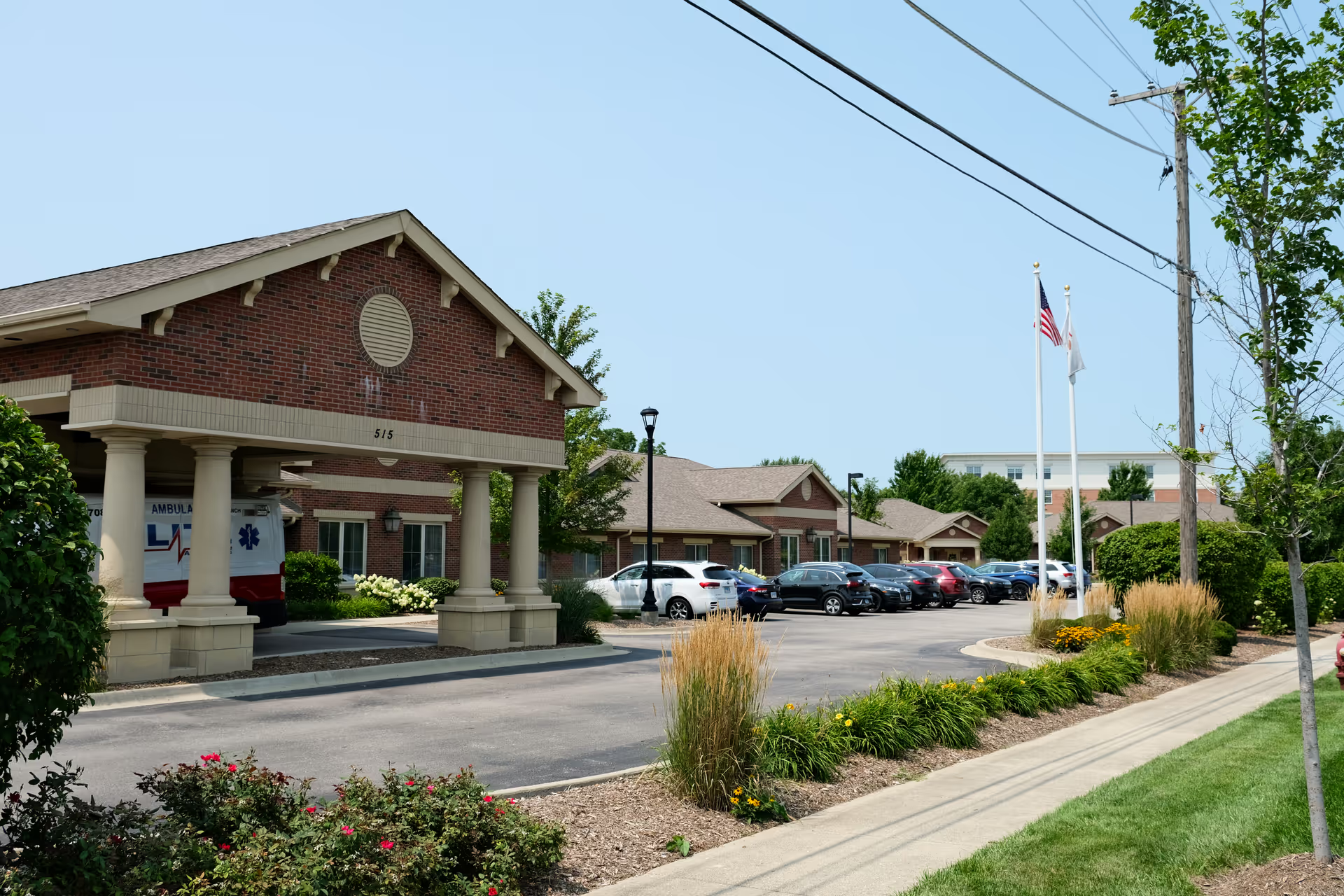
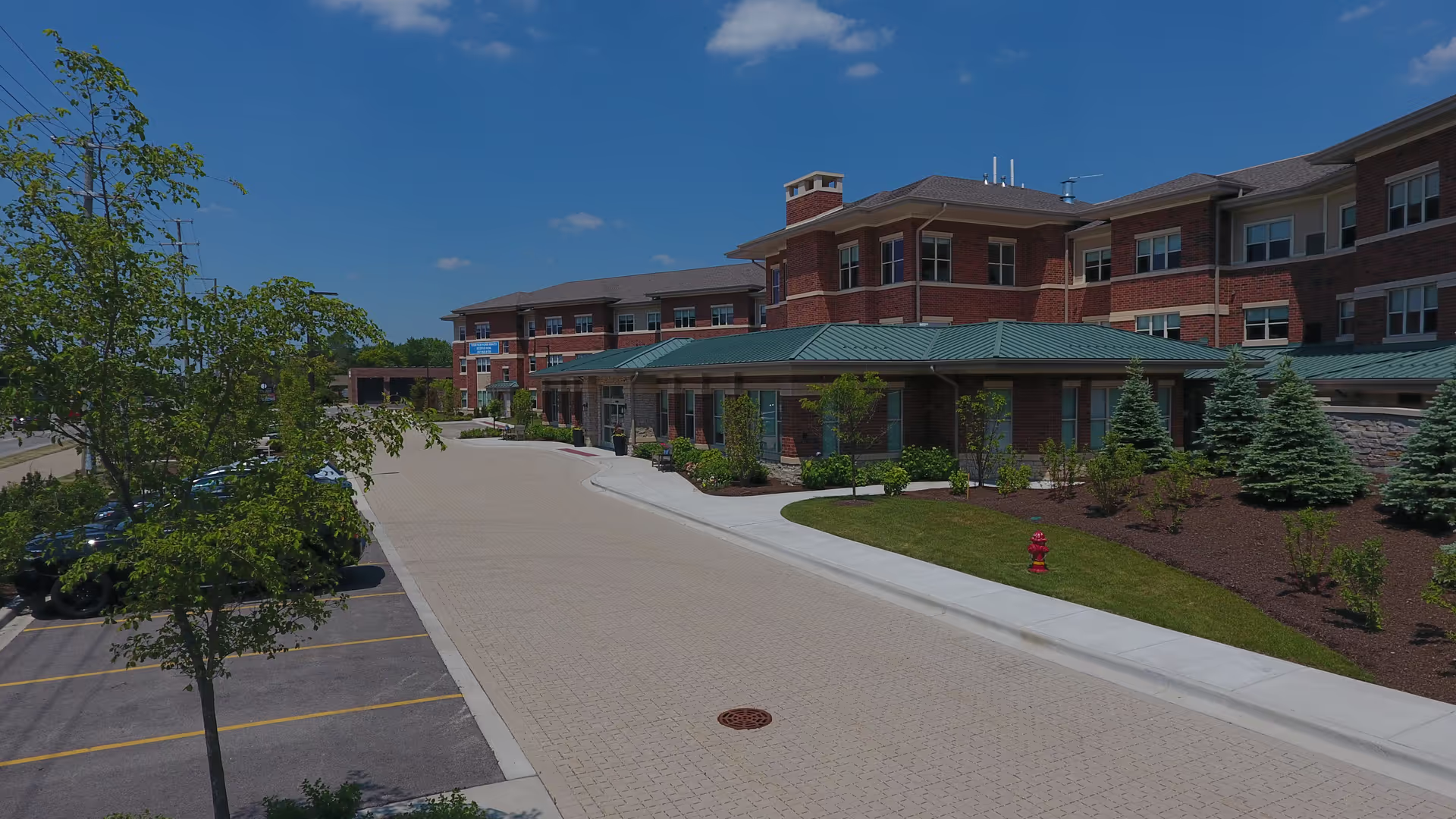
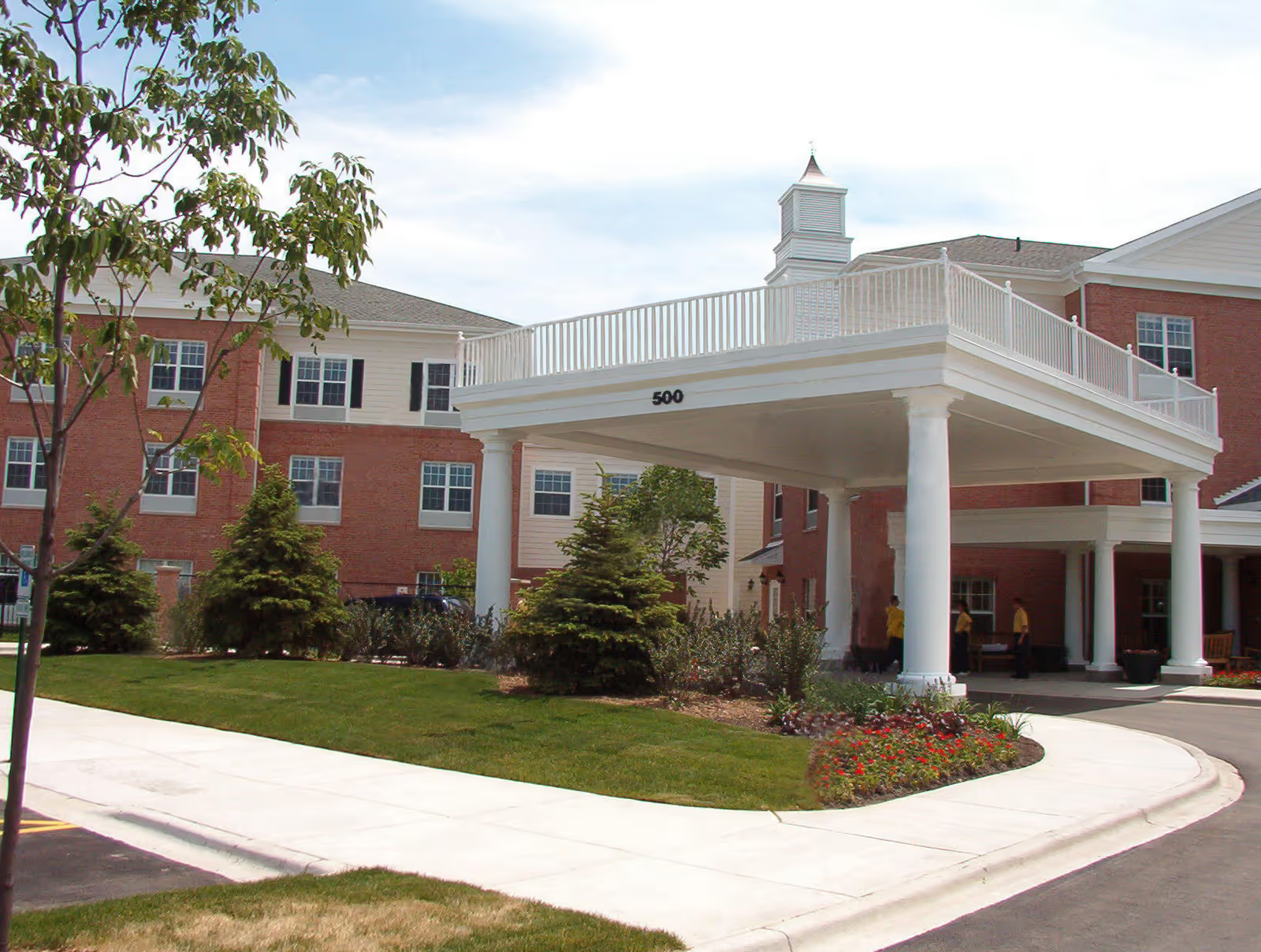
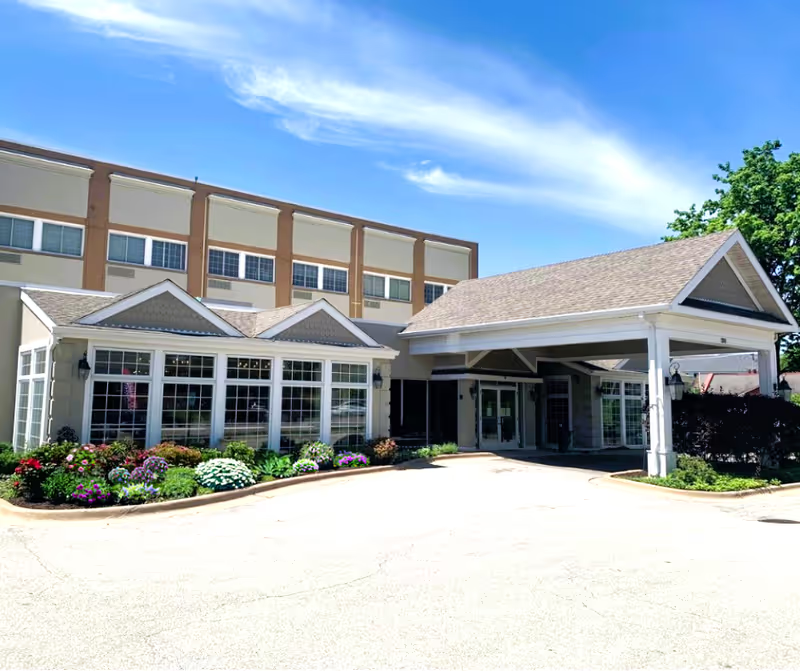
Facilities are described as upgraded in many public and residential areas, yet reviewers also note variable maintenance and a disparity in condition between wings — most notably the memory-care unit, which some found dated. Management and staff communication receive credit in examples where nursing staff responded promptly and took precautions, but the broader pattern implies uneven performance: strong customer-service moments alongside operational gaps.
In summary, Hearthstone of Arlington Heights appears to offer a robust social environment, attractive communal spaces, and caring staff interactions for many residents. At the same time, recurring themes in feedback point to inconsistent service quality across units, specific shortcomings in memory-care infrastructure and protocols, infection-control and sanitation concerns, and questions about value relative to cost. Families considering the community should balance the evident strengths in social programming and staff responsiveness against the noted operational weaknesses, and focus on direct observation of the memory-care unit, staffing levels, infection-control practices, and how activities are adapted for residents with cognitive impairment.