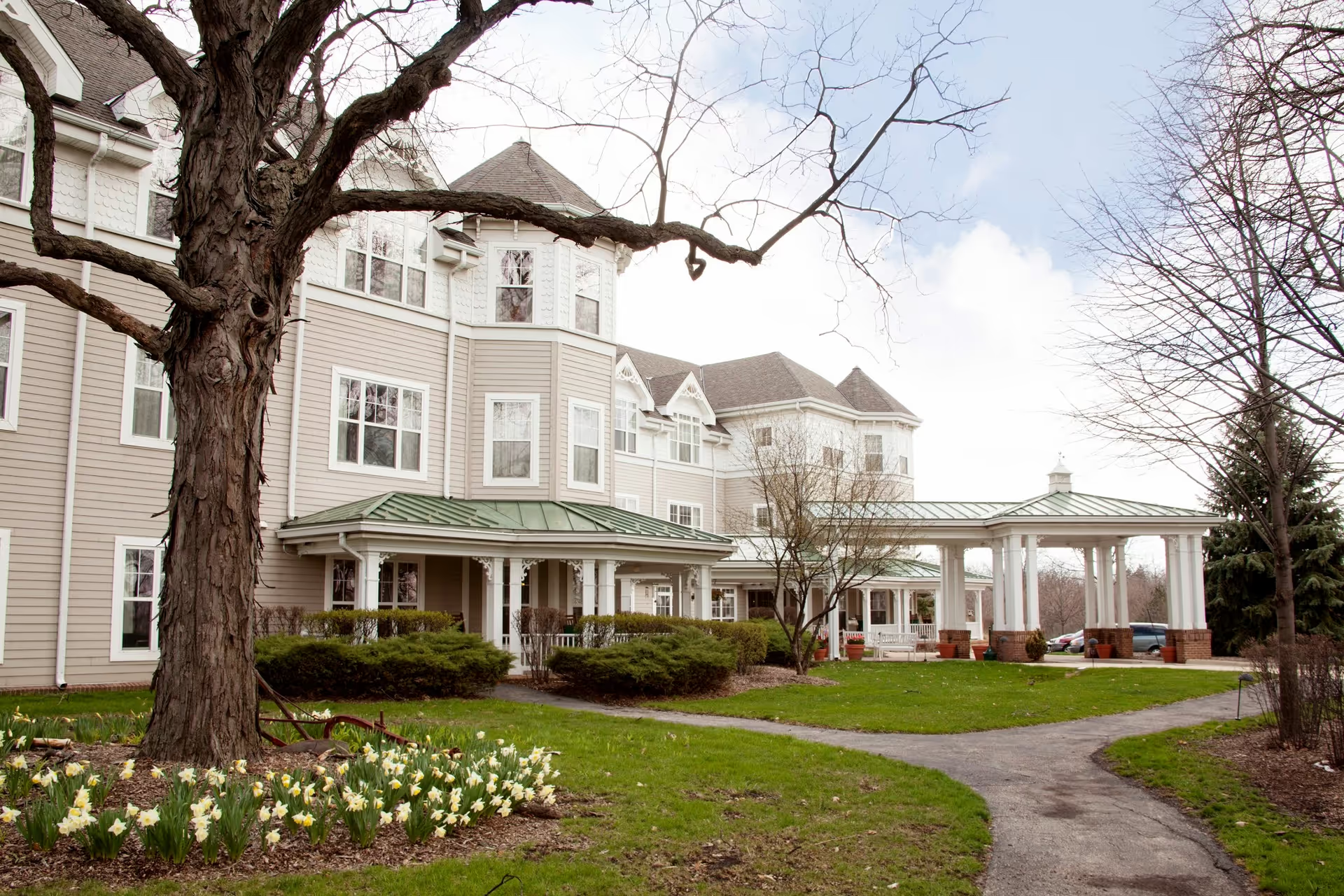
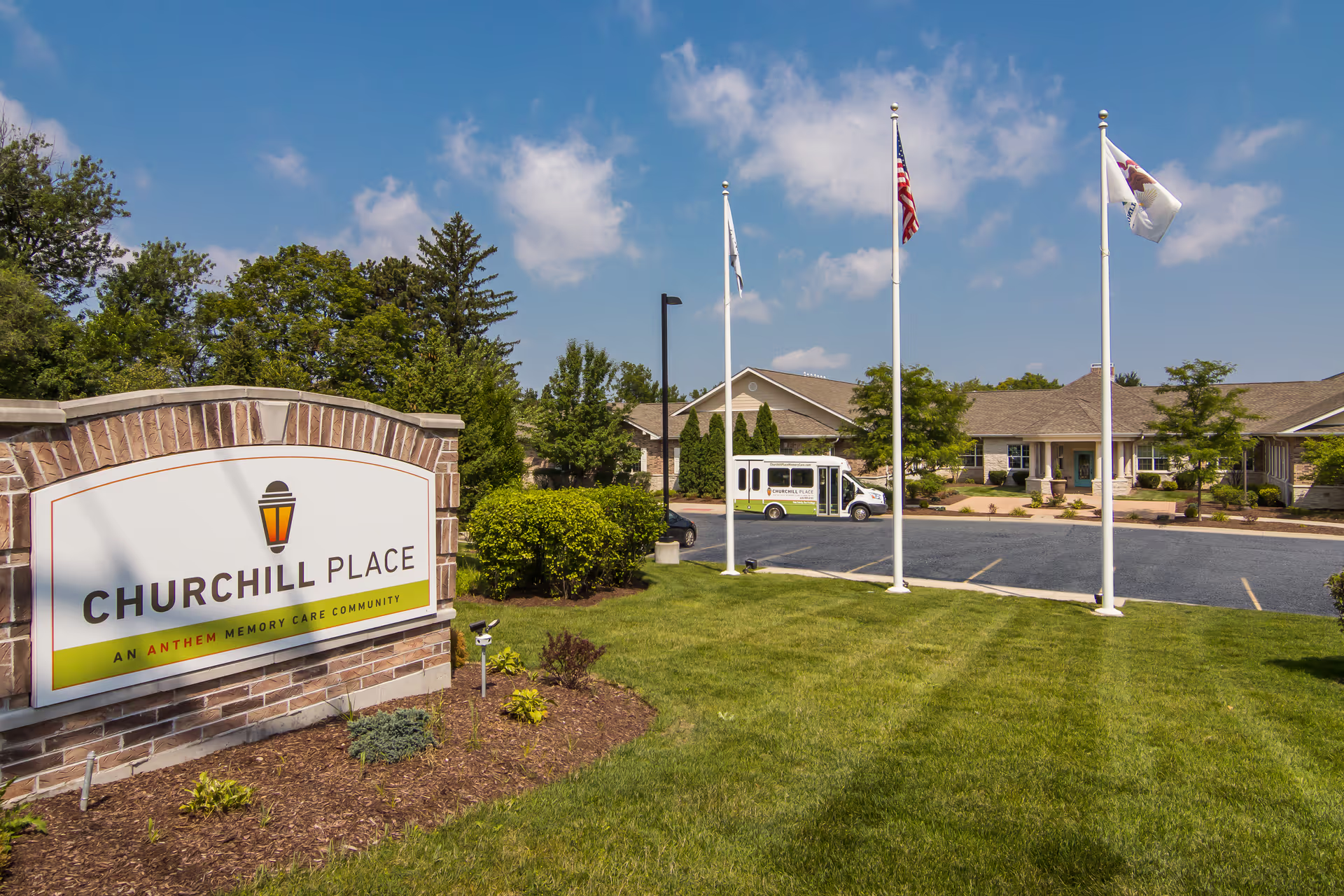
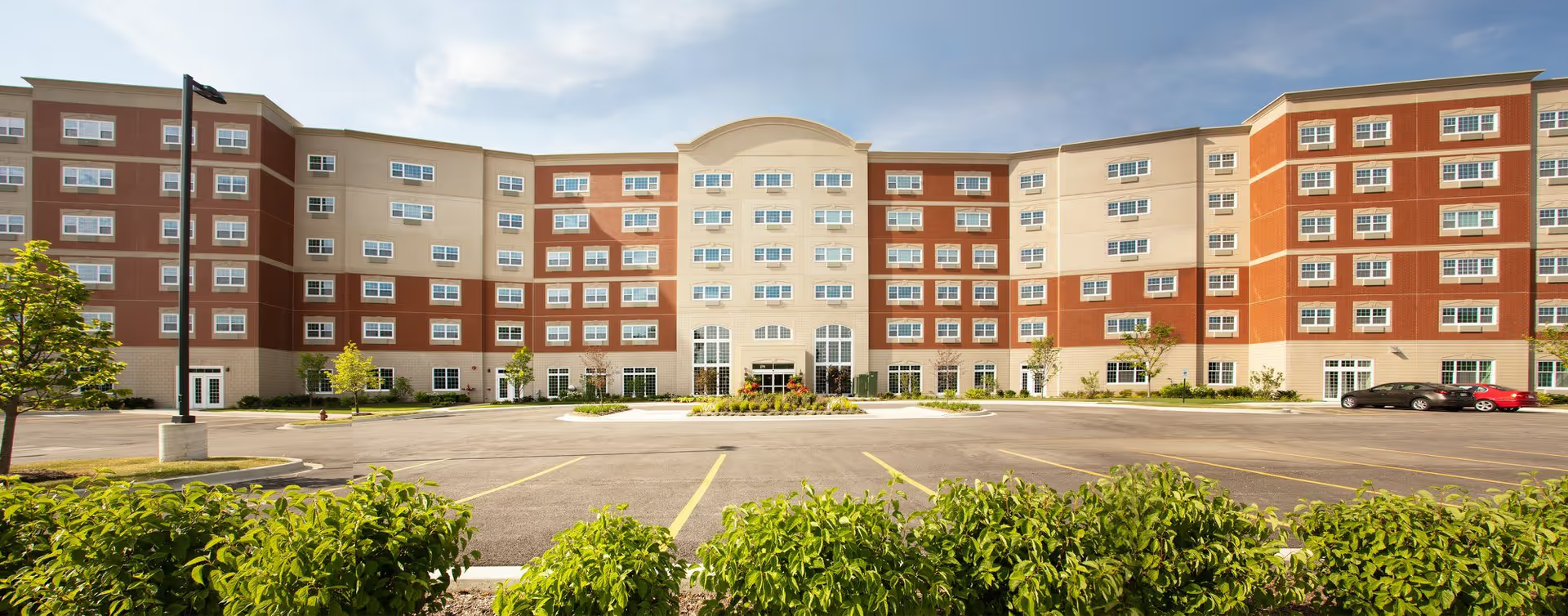
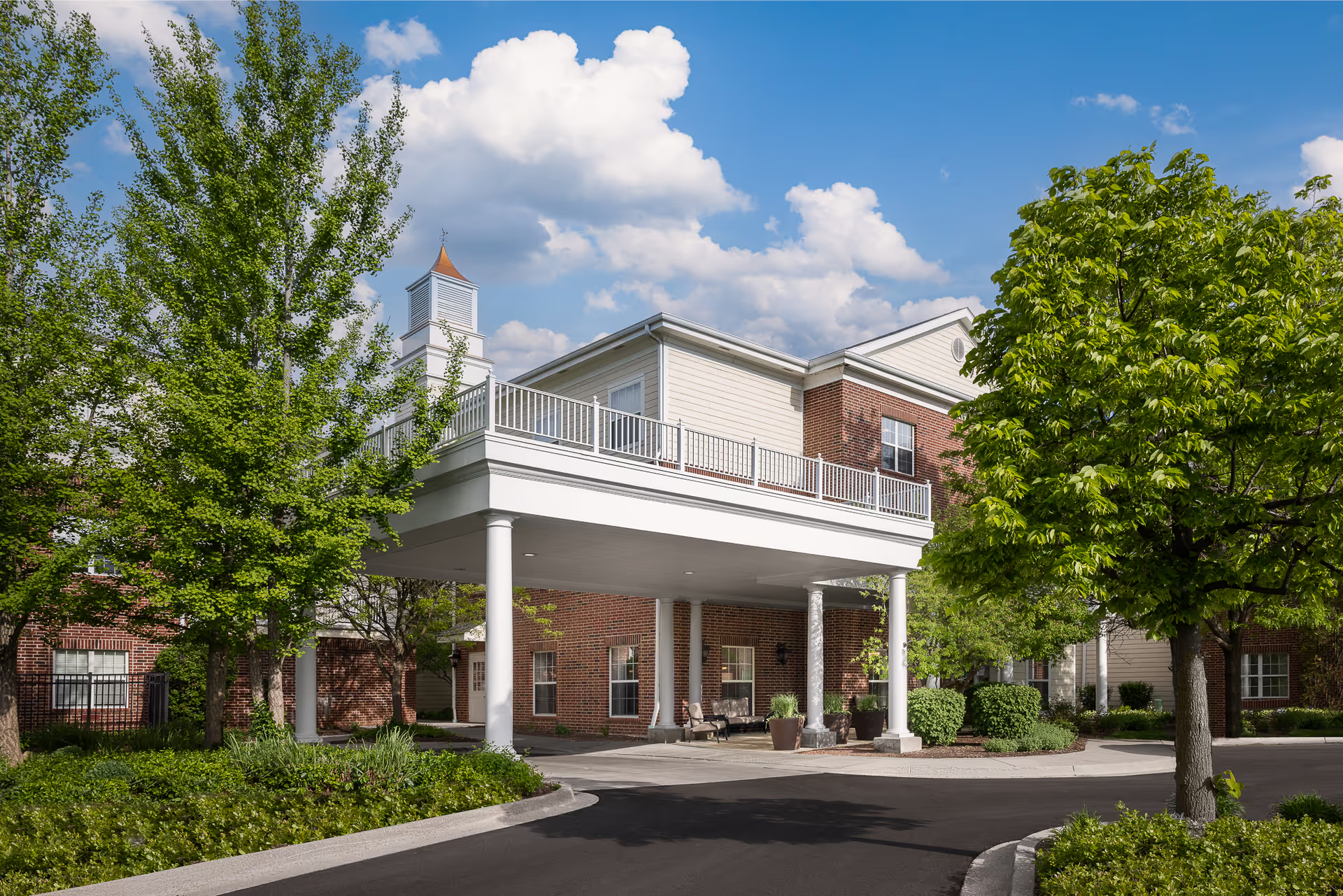
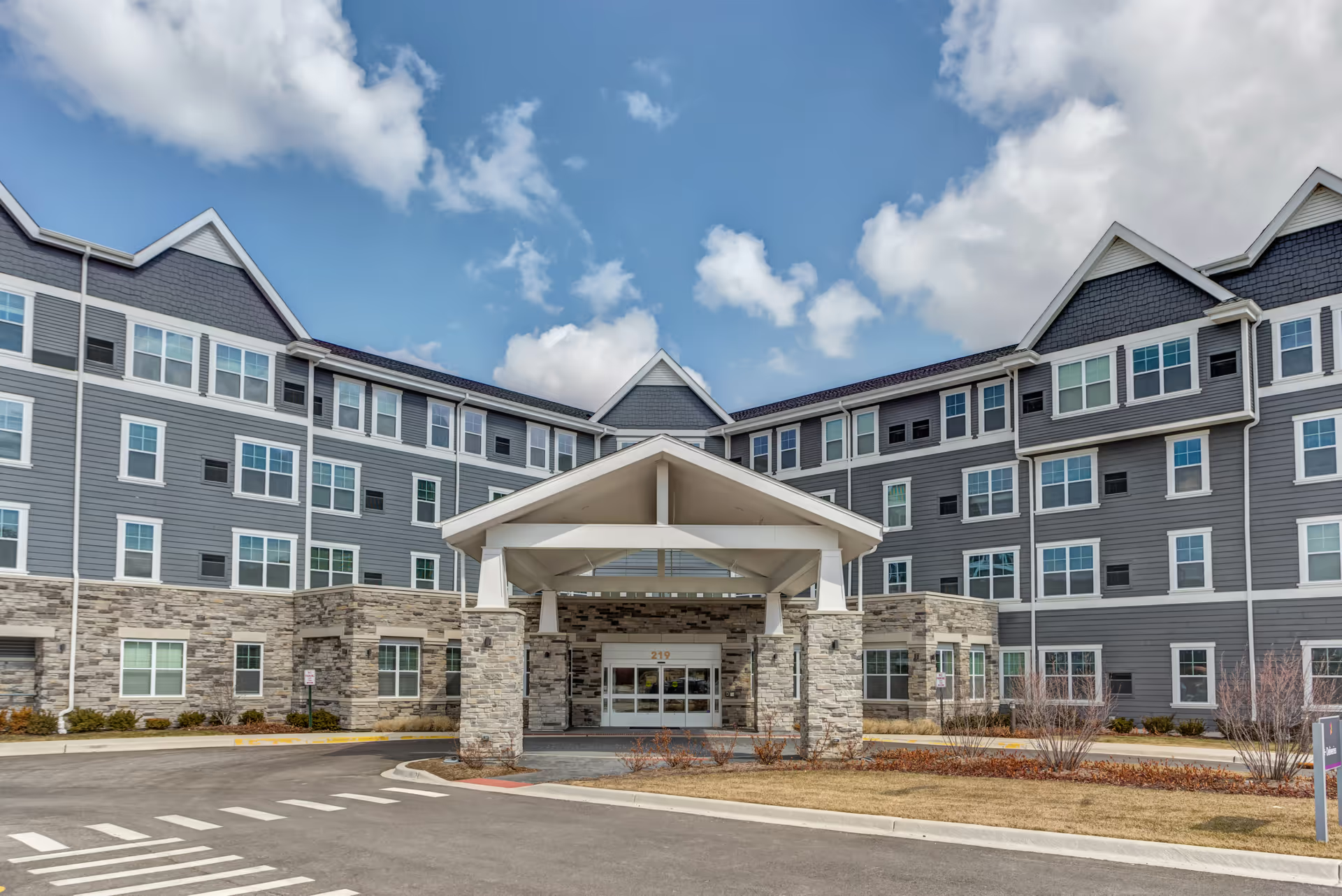
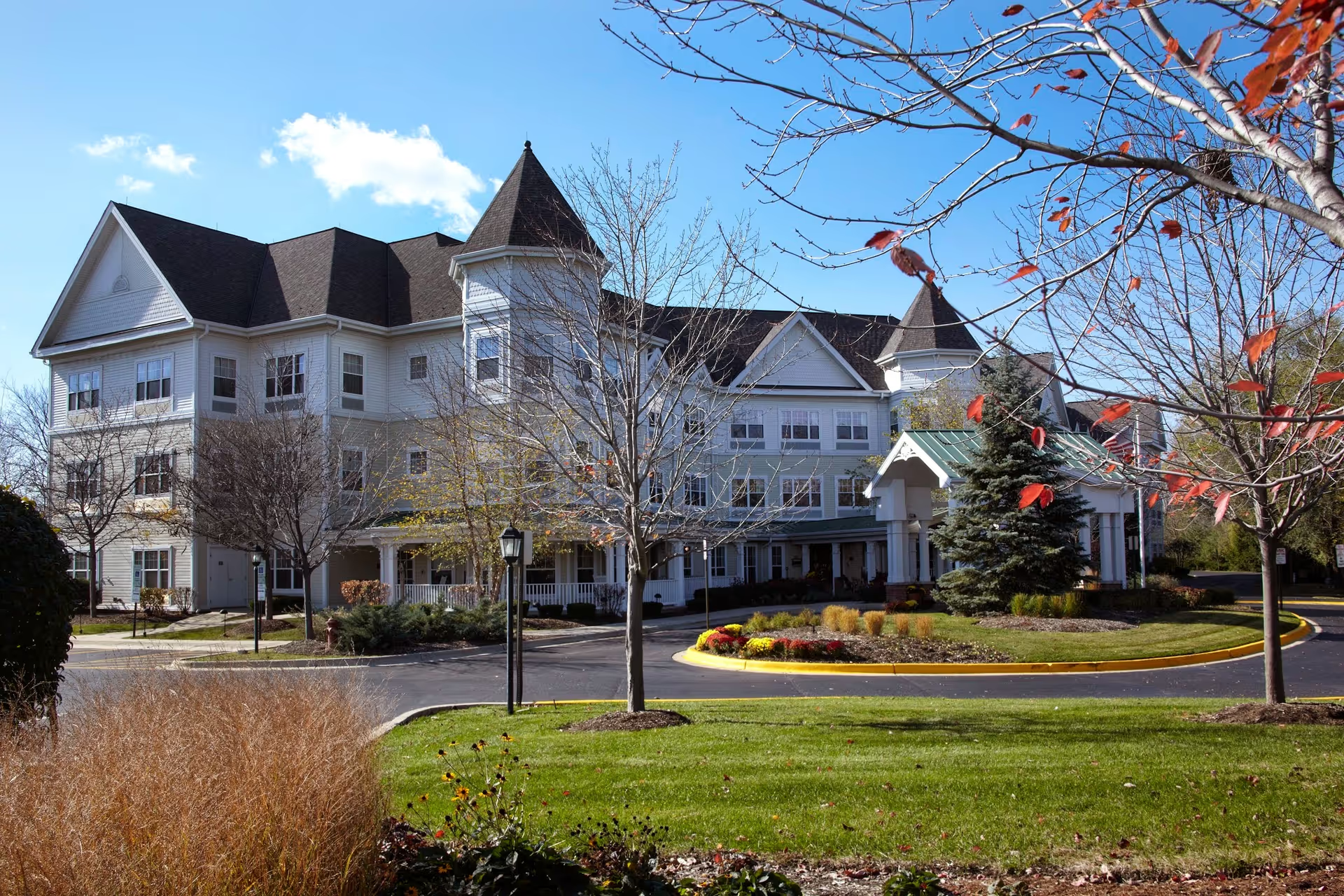
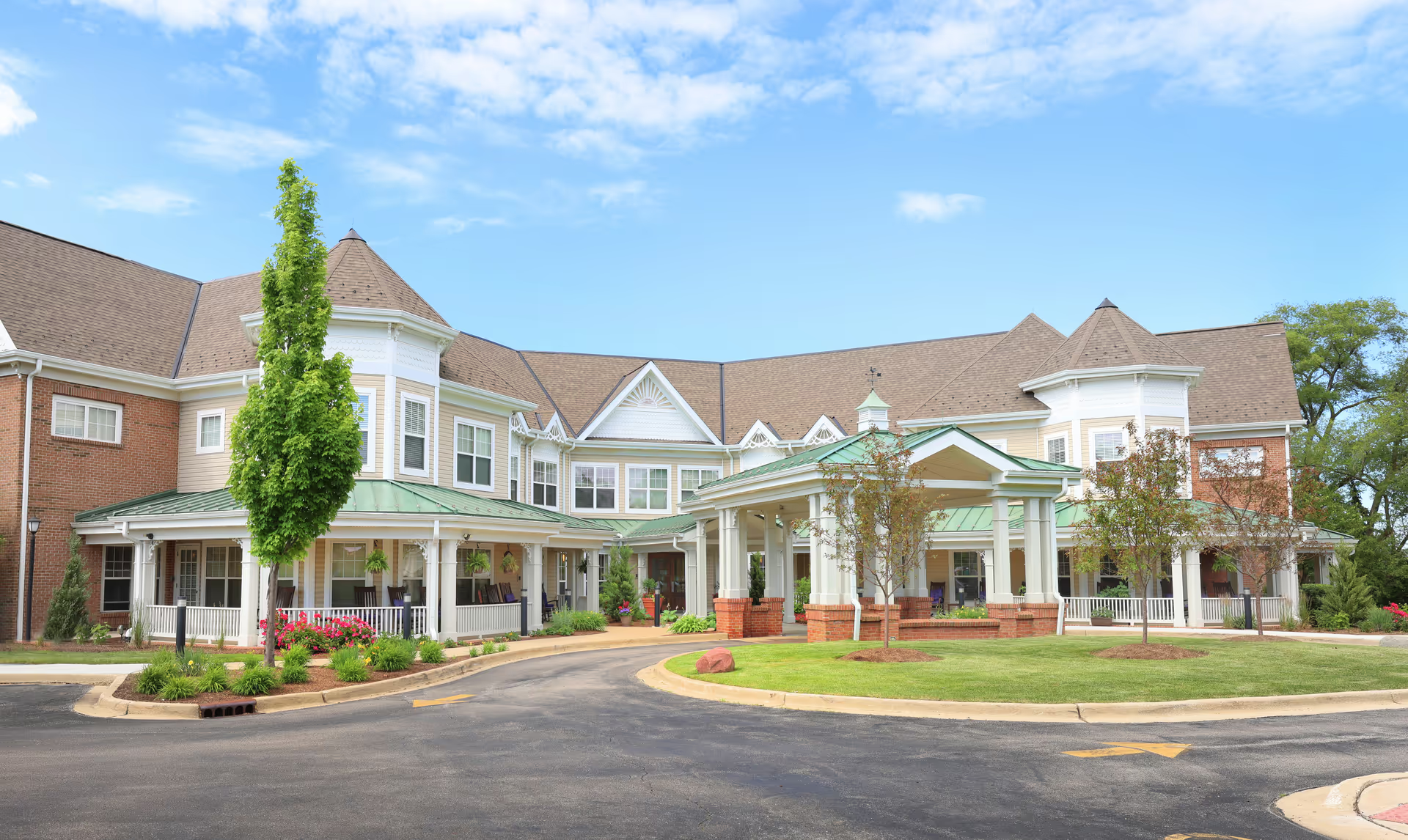
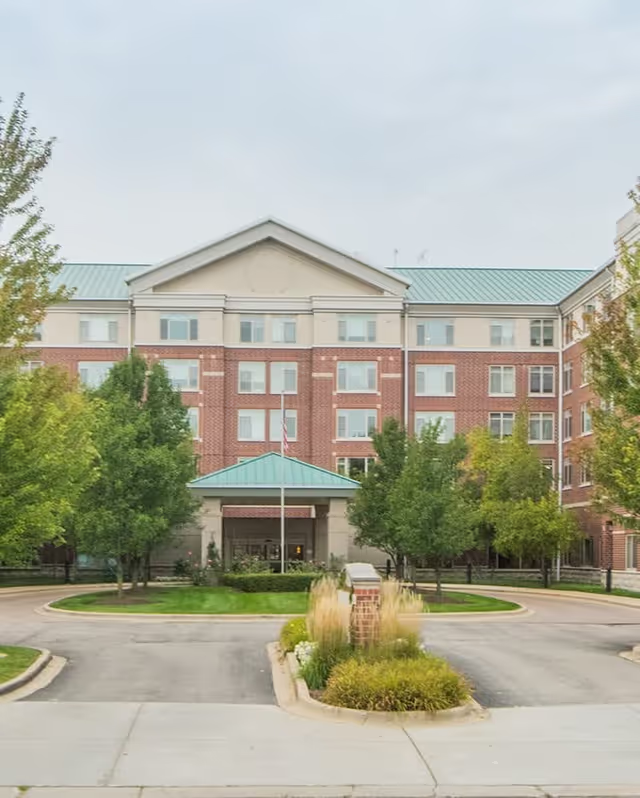
Deer Ridge Memory Care is frequently described as a clean, well-appointed memory-care community with a home-like atmosphere and dementia-friendly physical design. Commonly cited facility features include bright, wide corridors decorated with artifacts, two shared dining rooms (The Rose and The Ivy), a media room, a large kitchen, central patio and walkable single-floor layout. Families often note the small-community feel, nostalgic interior touches, and pleasant communal spaces that support shared meals and social interaction.
Clinical care and staffing receive mixed but clear patterns. Many families praise the caregiving team as compassionate, attentive, and well trained in dementia care, highlighting certified CNAs and LPNs, fall-prevention practices, and proactive clinical coordination that can produce measurable improvements (for example, weight gain and smoother post-hospital transitions). Communication from directors, nurses, and reception is frequently described as timely and helpful; staff are often said to know residents by name and to engage families with updates and check-ins.
At the same time, there are operational weaknesses that prospective families should weigh. Staffing consistency is a recurrent concern: caregiver shortages and turnover have been associated with variability in responsiveness and day-to-day care. Linked to that, reviewers describe gaps in the facility’s ability to manage advanced Alzheimer’s needs in some cases, and there are concerns framed as medication-management and meal-delivery lapses that have, in isolated instances, led to hospital transfers or the need for higher levels of care. These issues suggest the facility can perform very well when fully staffed but may struggle to maintain that level of service during periods of staffing stress.
Administrative and property-management issues also appear as a pattern. Positive remarks about an engaged leadership, housekeeper, and chef coexist with accounts of billing delays (including slow refund processing) and inconsistent controls over personal items and laundry. These are operational areas that influence family satisfaction and trust even when clinical care is strong.
Activities and quality-of-life offerings are a consistent strength: reviewers describe engaging programming (bingo, music, social meals, daily activities) and opportunities for walking and outdoor time that support social connection and resident enjoyment. Dining is generally seen as good—home-style, not gourmet—served in pleasant dining rooms with staff support.
Bottom line: Deer Ridge Memory Care presents a compelling choice for families seeking a small, well-designed memory-care setting with a generally compassionate and communicative staff, active programming, and a clean physical environment. However, the facility shows variability tied to staffing and operational processes; prospective residents and families should tour the community, ask specifically about current staffing ratios, dementia-care protocols for advanced Alzheimer’s, medication administration safeguards, property-loss prevention, and billing/refund procedures before making a placement decision.