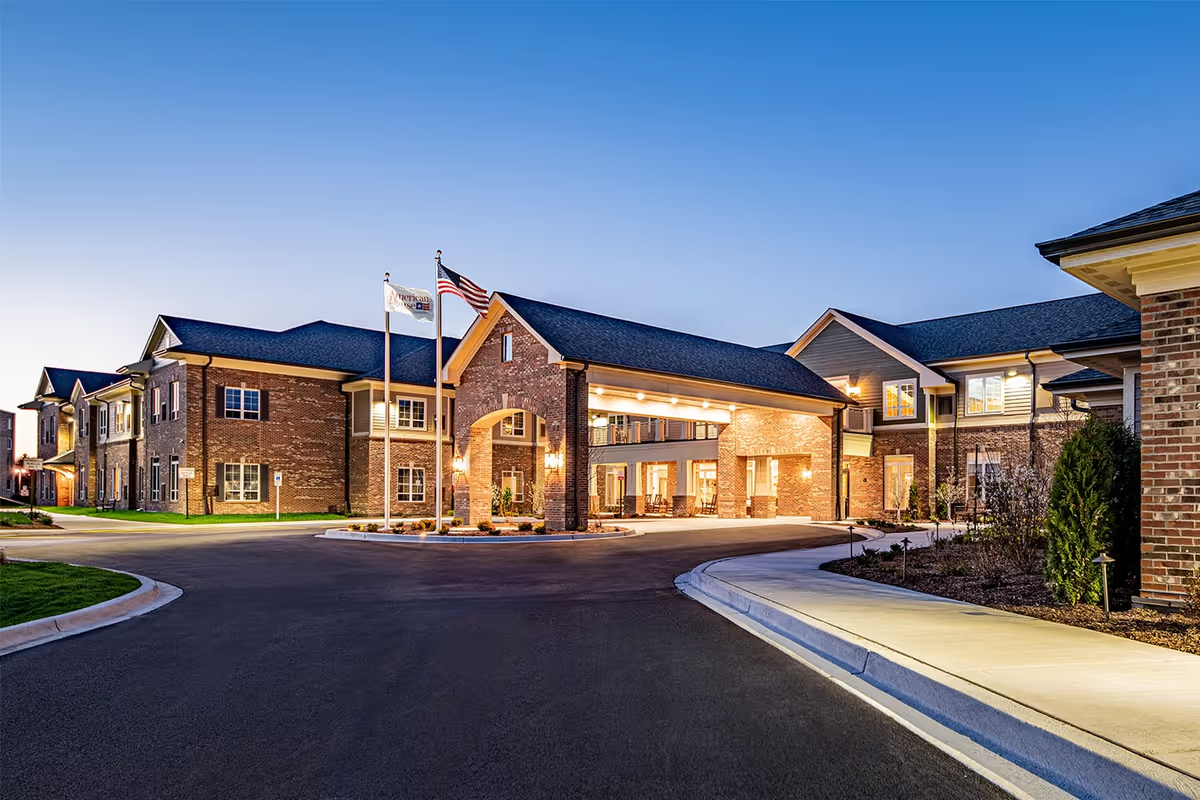
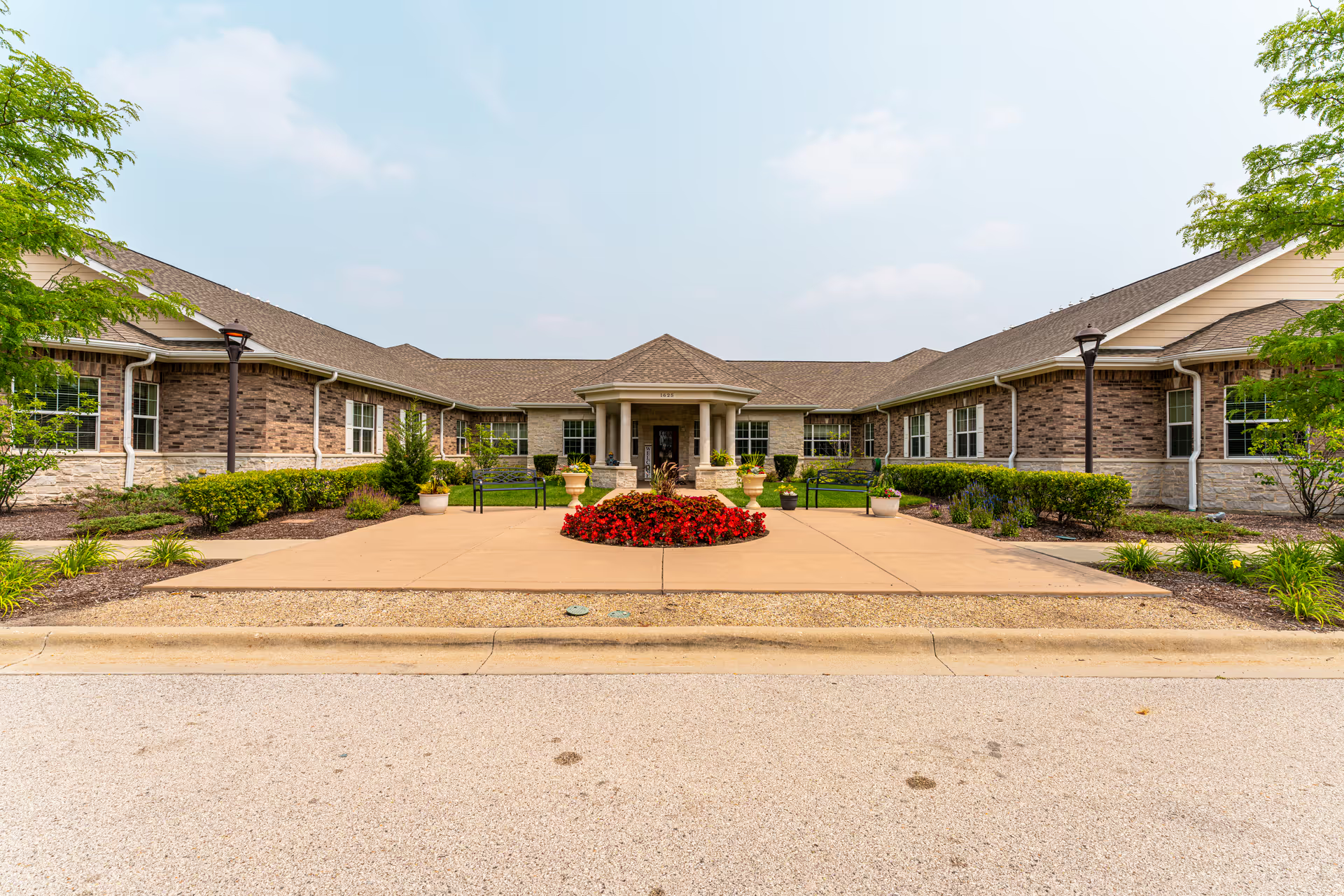
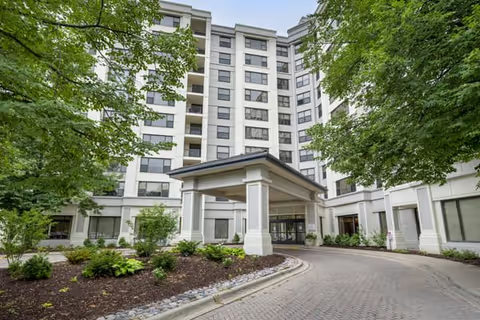
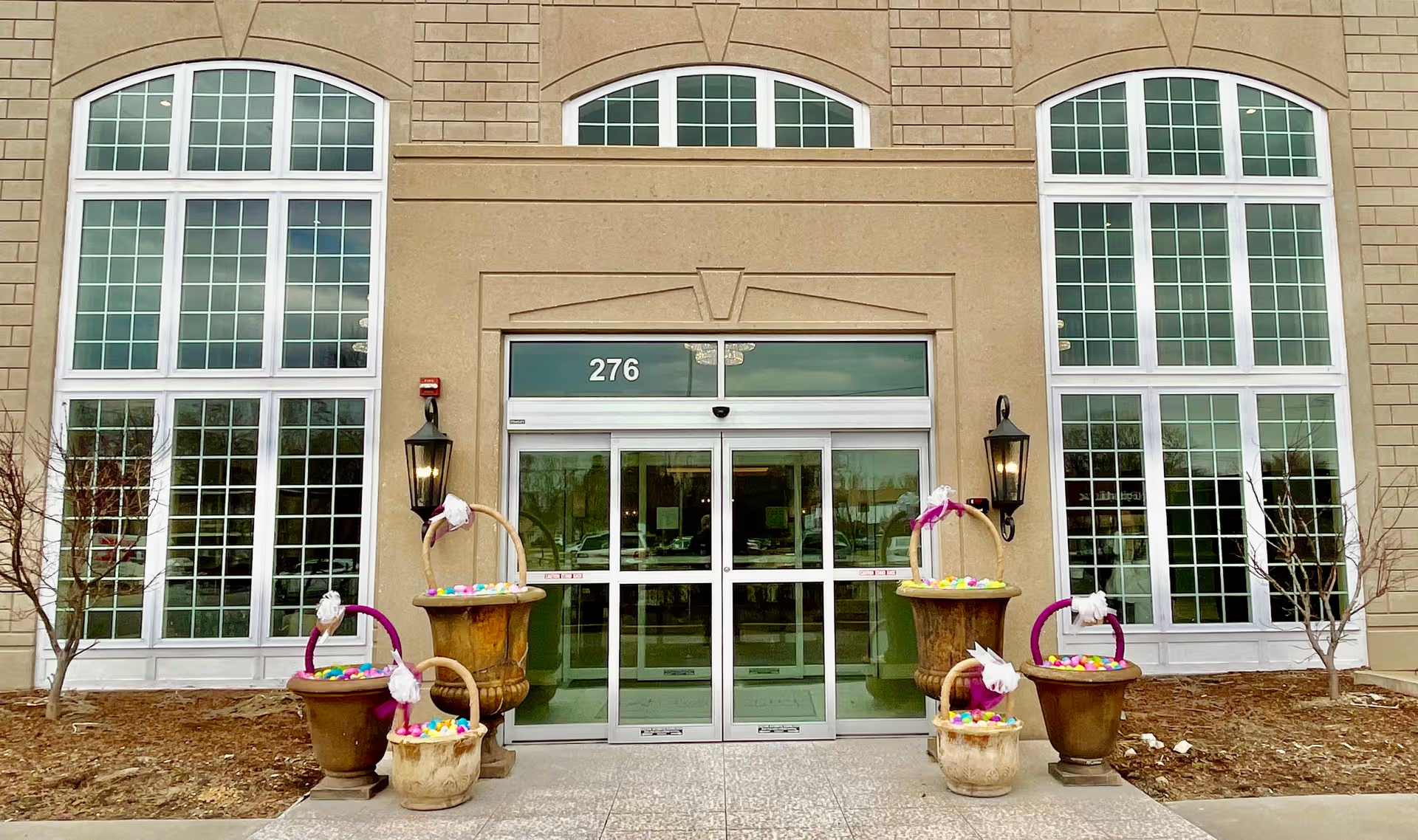
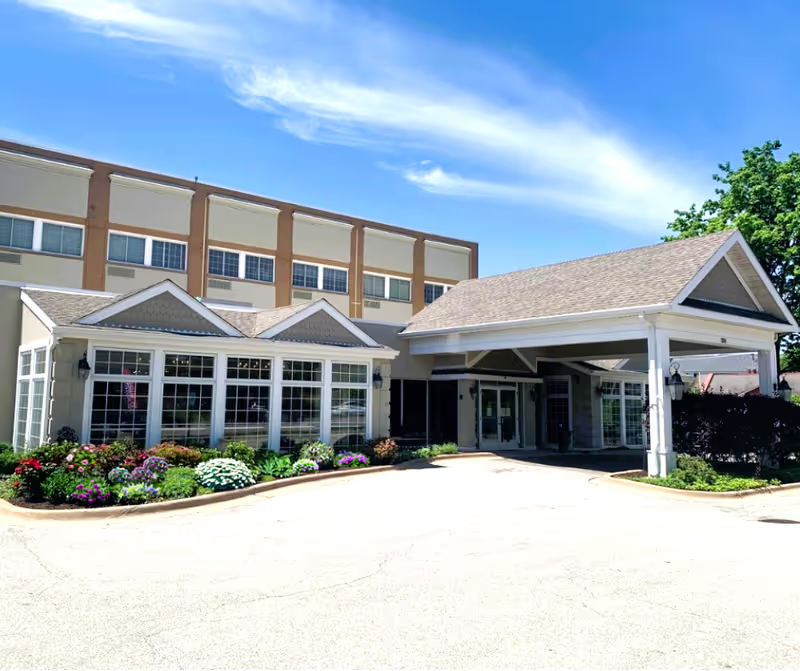
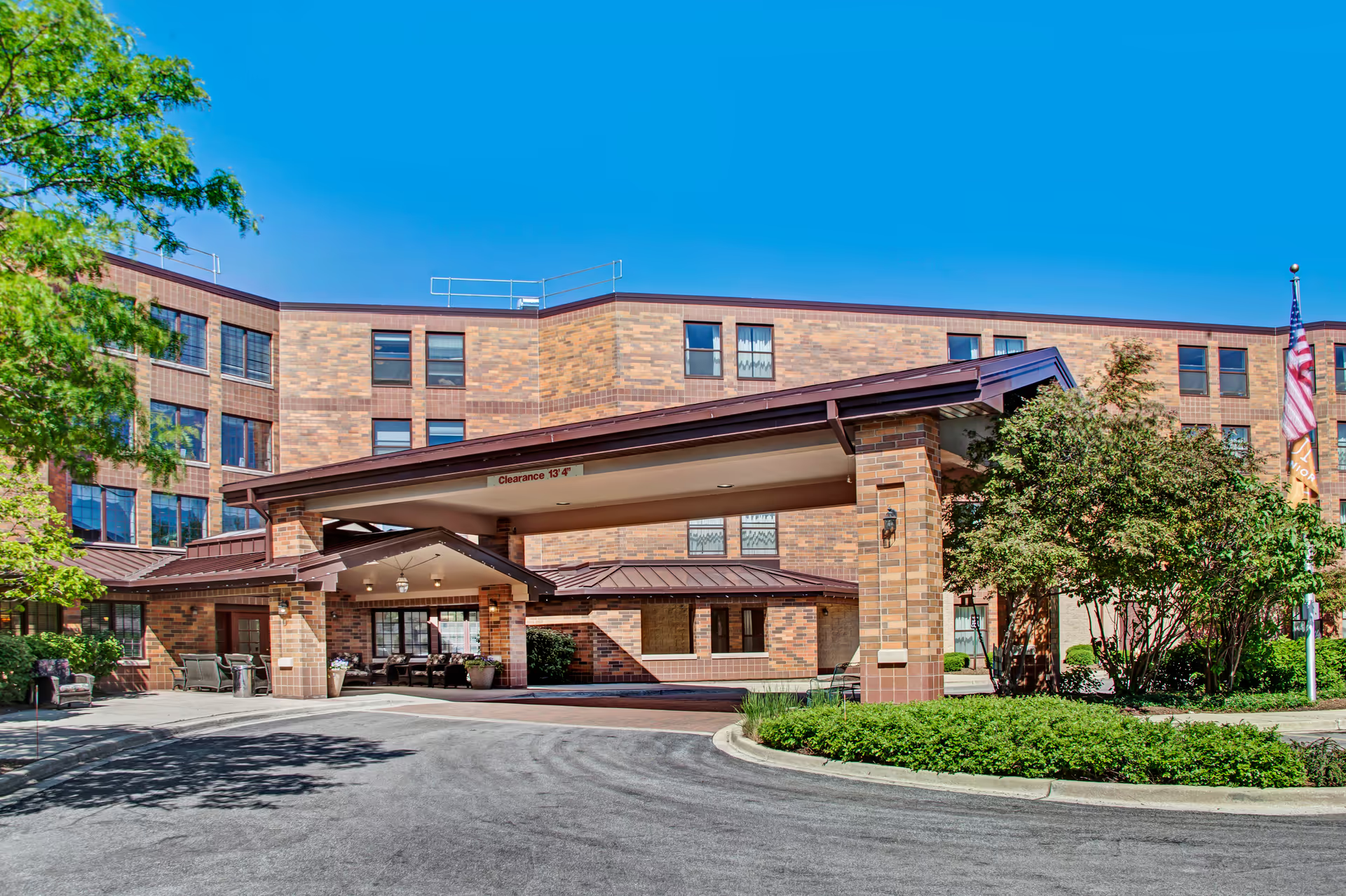
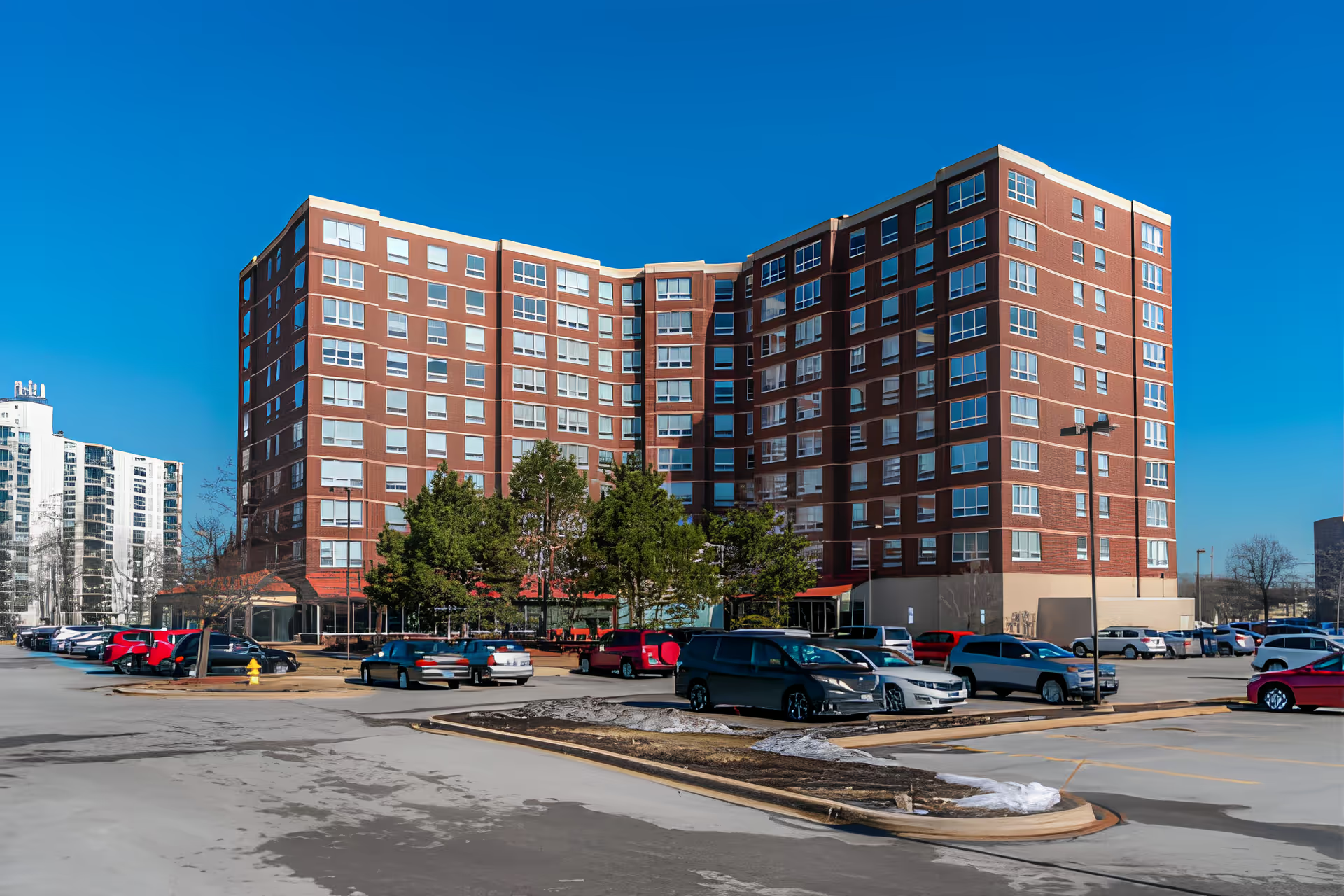
Asbury Court presents as a well-appointed senior living community with numerous tangible strengths alongside several recurring operational weaknesses. Many families describe clean, spacious private apartments and an interior that resembles a hotel, with large gathering areas, a theater, salon, and well-maintained grounds. Admissions and intake processes are frequently highlighted as smooth and supportive, and the on-site rehabilitation capability and coordinated short-term stays receive positive mention. The facility’s location near medical services and availability of scheduled transportation and outings add practical convenience for residents and families.
Staff performance is a central theme. Numerous reviews praise warm, compassionate caregivers, attentive CNAs, and an admissions team that eases move-in transitions. At the same time there is evidence of variability in clinical care across different units and shifts: while many families describe personalized, dignified attention and staff who know residents by name, others describe delays in response, missed medication or appointment coordination, and concerns about the tone of some nursing interactions. These patterns suggest generally strong staff engagement but uneven consistency in staffing levels, training, or supervision that can affect timeliness and continuity of care.
Dining and nutrition are mixed. Several reviewers compliment flavorful, well-presented meals and timely housekeeping and laundry services. Conversely, others report inconsistent food quality (temperature and seasoning variability), limited accommodation for therapeutic diets such as diabetes, and constrained meal variety in some dining venues. Dining logistics—meal delivery to rooms, small in-unit kitchenettes, or frequent room service—are described positively by some residents and as limiting by others. Prospective residents with strict dietary needs should confirm current menu options and therapeutic-diet processes.
Activity programming and social engagement are reported unevenly. The community offers a range of social spaces and organized activities (bingo, movies, group singalongs, outings, adaptive exercise), and some families credit Asbury Court with improving mood and cognition. However, other families describe sparse or repetitive offerings, limited memory-care engagement, and inconsistent transportation to activities for assisted-living residents. This indicates that activity quality may depend on staffing and programming continuity; families who prioritize an active social calendar should evaluate current event schedules and participation levels.
Facility operations, maintenance, and safety show strengths and vulnerabilities. Public areas, dining rooms, and many resident rooms are regularly cited as clean and well-maintained, with effective landscaping and upgrades underway. At the same time reviewers mention pest-control and odor concerns in isolated areas, exterior appearance that some find uninviting, and access/security issues tied to keying or master-key systems. Maintenance skill is generally recognized, but responsiveness varies. There are also multiple notes about challenges coordinating care across the independent-living and assisted-living segments, which can create confusion about responsibilities and service handoffs.
Management and governance signals are mixed. Admissions personnel and certain administrators are repeatedly described as helpful and engaged, and some reviewers praise transparent billing and affordability. Conversely, management transitions and ownership changes are cited as moments when services, staffing, or responsiveness declined. A small number of reviews describe serious adverse incidents; these have been characterized by reviewers as alleged events and underscore the importance of reviewing incident logs, state inspection reports, and the facility’s clinical oversight processes before placement.
In summary, Asbury Court offers many features families value: attractive living spaces, active rehabilitation services, an engaged admissions team, and staff who are often compassionate and attentive. The most salient areas families should evaluate in person are consistency of clinical staffing and responsiveness, current dining and therapeutic-diet capabilities, activity programming for the resident’s care level, pest-control and sanitation protocols, and security/access controls. Requesting recent inspection reports, asking for unit-level staffing ratios and turnover data, and observing an activity period and a meal service will help prospective residents and families verify whether the facility’s strengths are present and whether the noted operational weaknesses have been addressed.