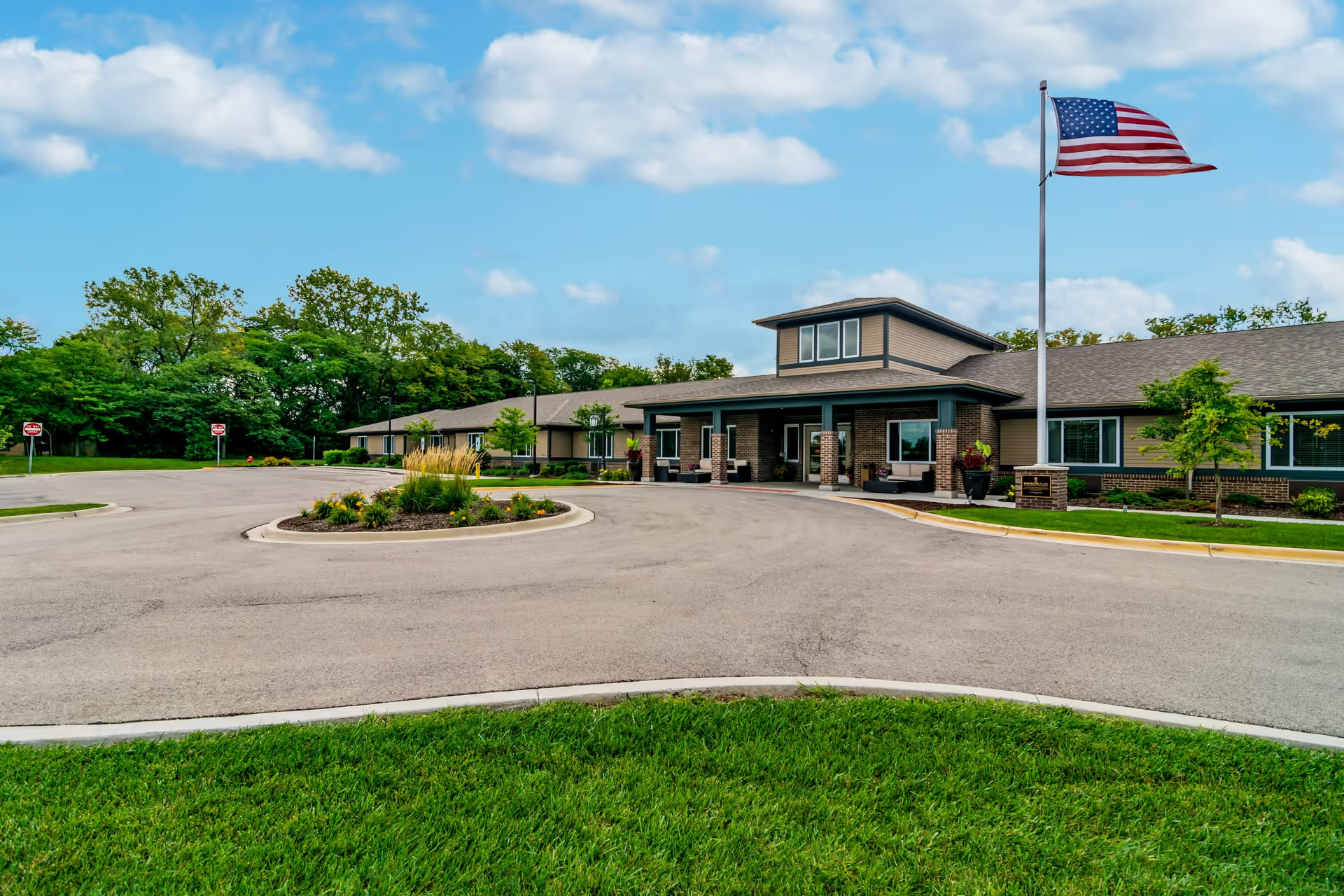
Oak Trace receives consistent praise for its physical campus, dining, activities and the social atmosphere. Reviewers describe a well‑maintained, hotel‑quality interior and attractive grounds with walking paths and water features, and many families highlight nicely appointed apartments (including in‑unit laundry). The dining program is often singled out for high quality and variety, with daily menu changes and attentive food‑service staff. A wide range of activities — from exercise classes and bus trips to themed dinners, lectures and volunteer opportunities — supports an active social environment and strong resident connections.
Direct care staff and rehabilitation teams are frequently described as compassionate and experienced; several families specifically noted long‑tenured CNAs and nurses and successful short‑term rehab outcomes. The availability of three levels of care on a single campus, on‑site therapy/rehab services, transportation options and a coordinated move‑in process are clear operational strengths. Infection‑control practices and COVID‑safety measures were also noted positively by families who felt protected during the pandemic.
While many accounts are positive, a recurring set of operational concerns appears across reviews. There are multiple descriptions of inconsistent clinical follow‑through — examples include missed or delayed medication administration, wound‑care protocol lapses, and irregular bathing or mouth‑care routines — that indicate variability in day‑to‑day nursing practice. Communication lapses are another common theme: families described inaccurate portal notes, poor handoffs between departments, and difficulty obtaining timely updates. Staffing variability and nurse availability were linked to several of these clinical and communication gaps.
Administrative and policy issues also emerge as notable patterns. Reviewers raised concerns about billing and contract clarity (including deposit refunds and rate adjustments), and some described difficulties with unit availability and placement changes related to payment/Medicare decisions. In assisted living specifically, there are reported limits in clinical accommodations for higher‑acuity needs (for example, diet modifications), which can complicate transitions to hospice or skilled nursing. A small number of accounts reference serious end‑of‑life and hospice coordination concerns; while these appear less common than the positive experiences, they are significant enough that prospective residents and families should ask targeted questions about hospice integration and end‑of‑life protocols.
Overall, Oak Trace appears to deliver a high‑quality environment with strong social programming, attractive facilities, and many caring staff members. At the same time, consistent due diligence is advisable: prospective residents should review contract and billing terms carefully, discuss how the facility manages staffing variability and clinical handoffs, and clarify assisted‑living clinical capabilities and hospice coordination to ensure the community can meet individual care needs reliably.