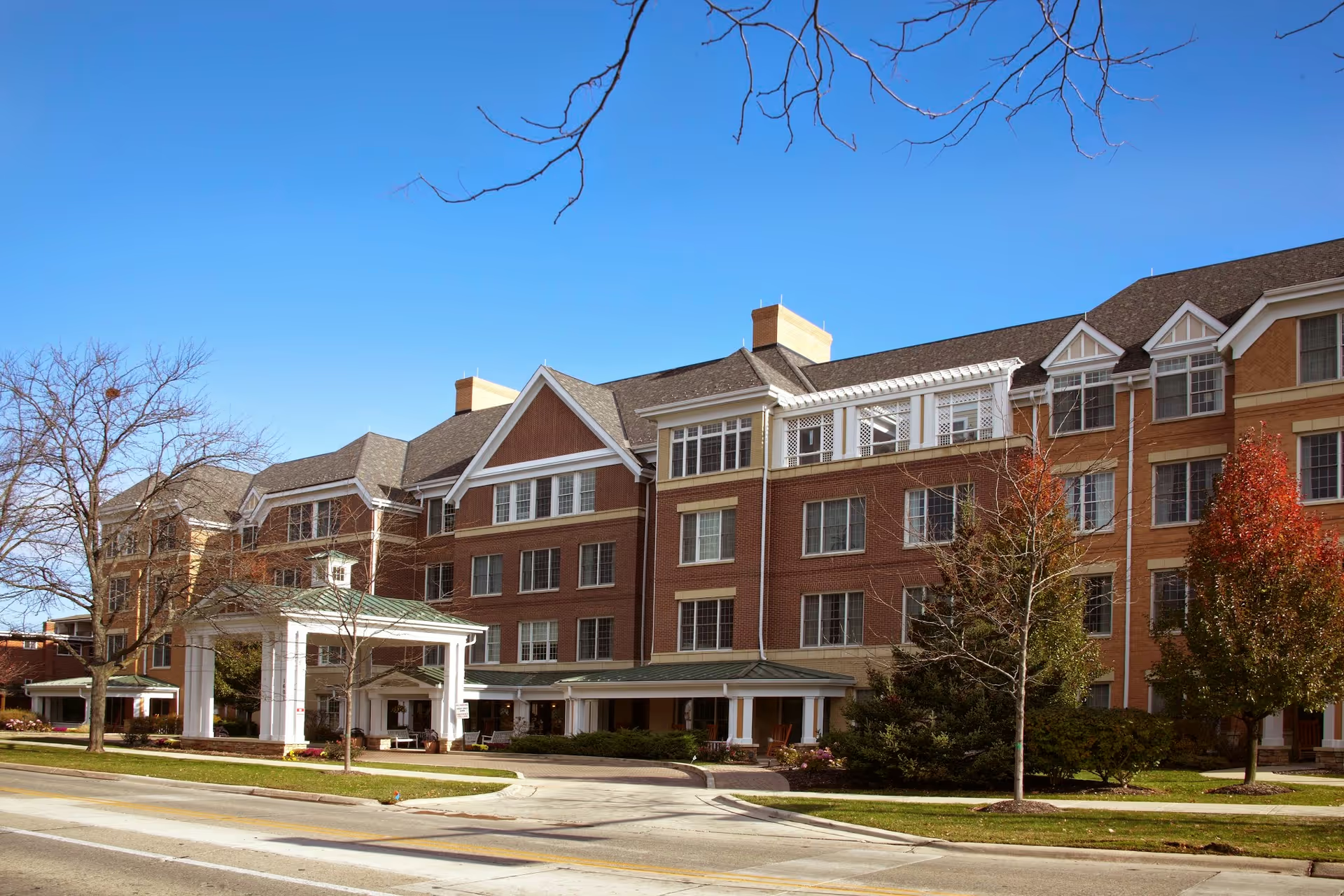
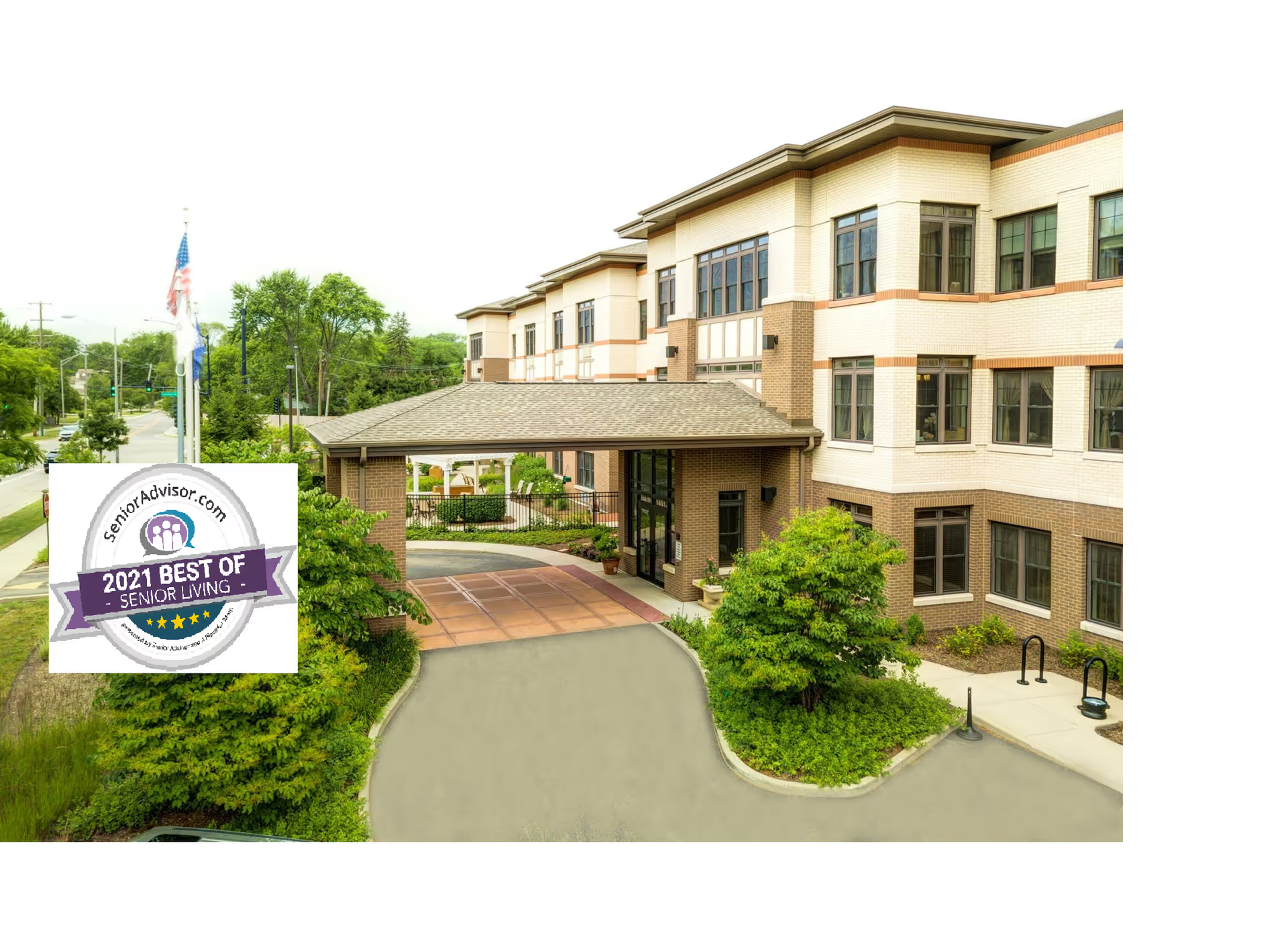
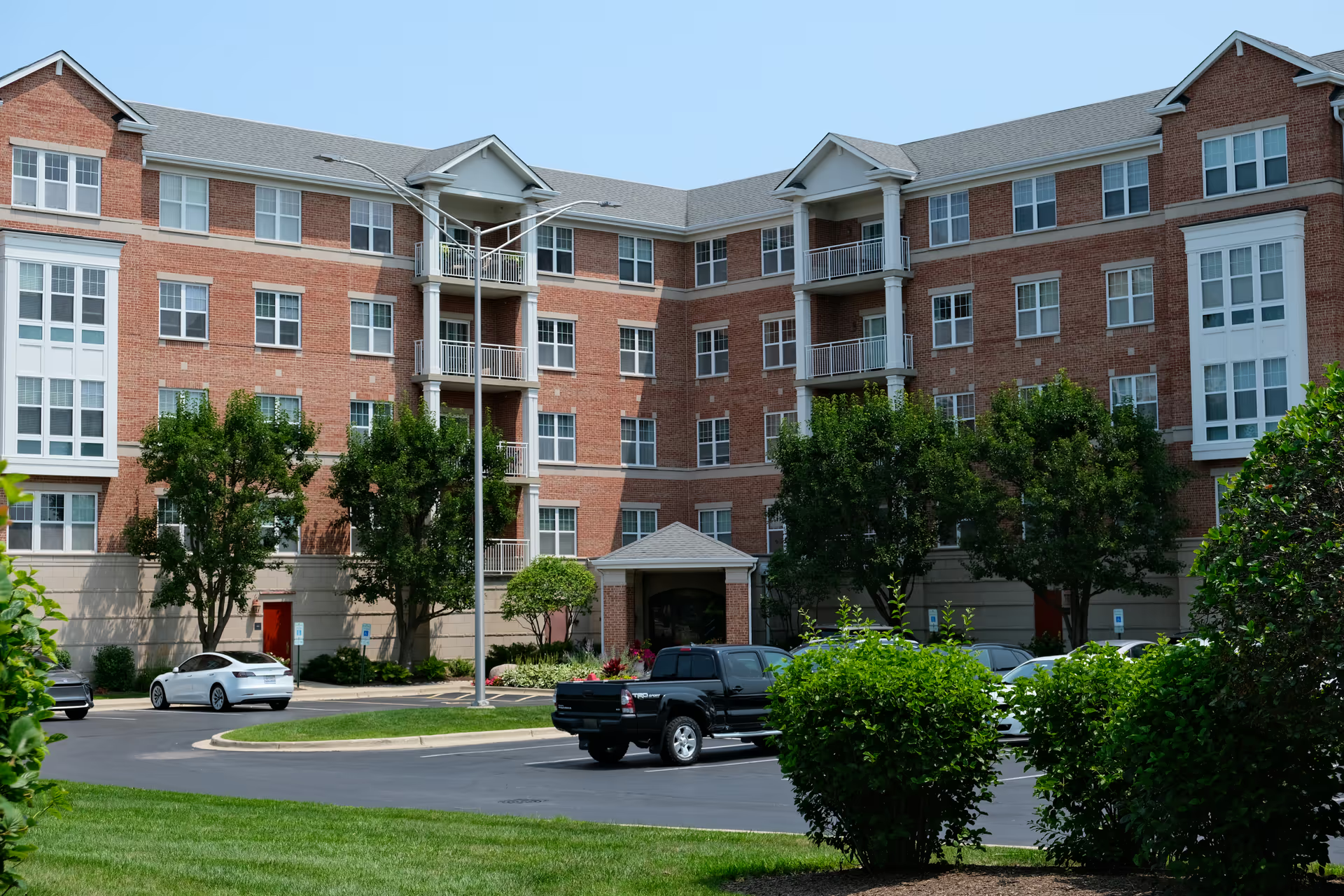
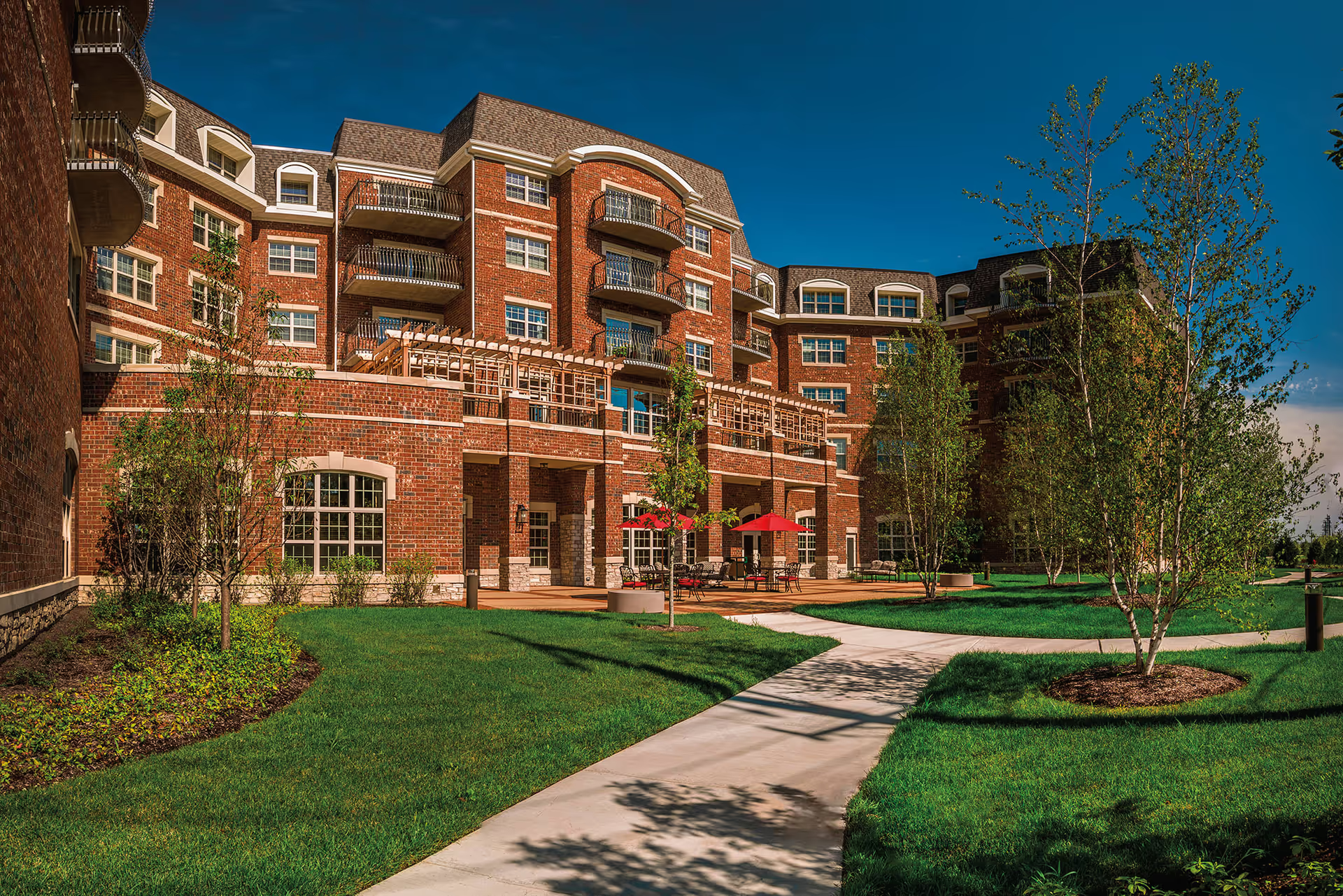
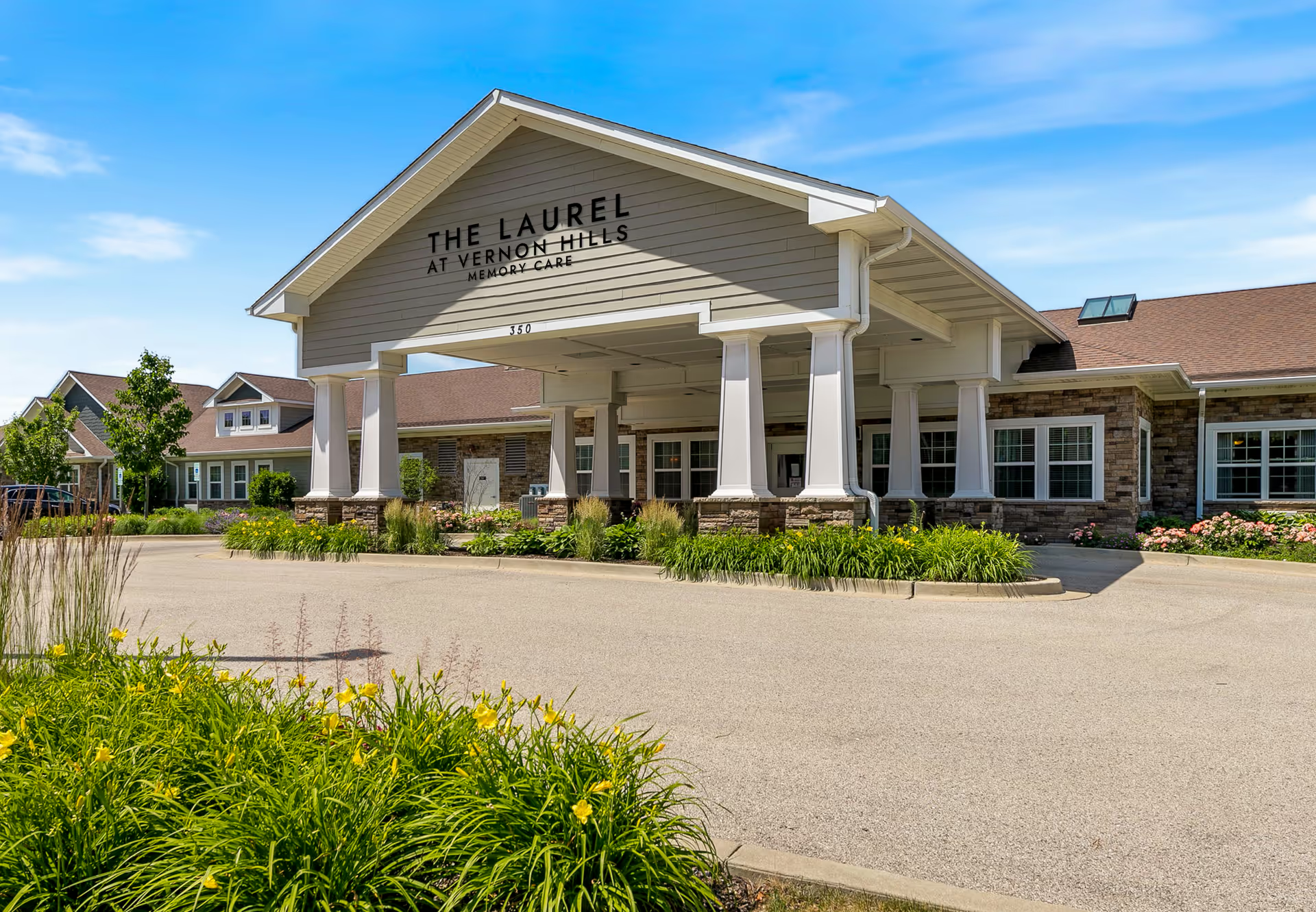
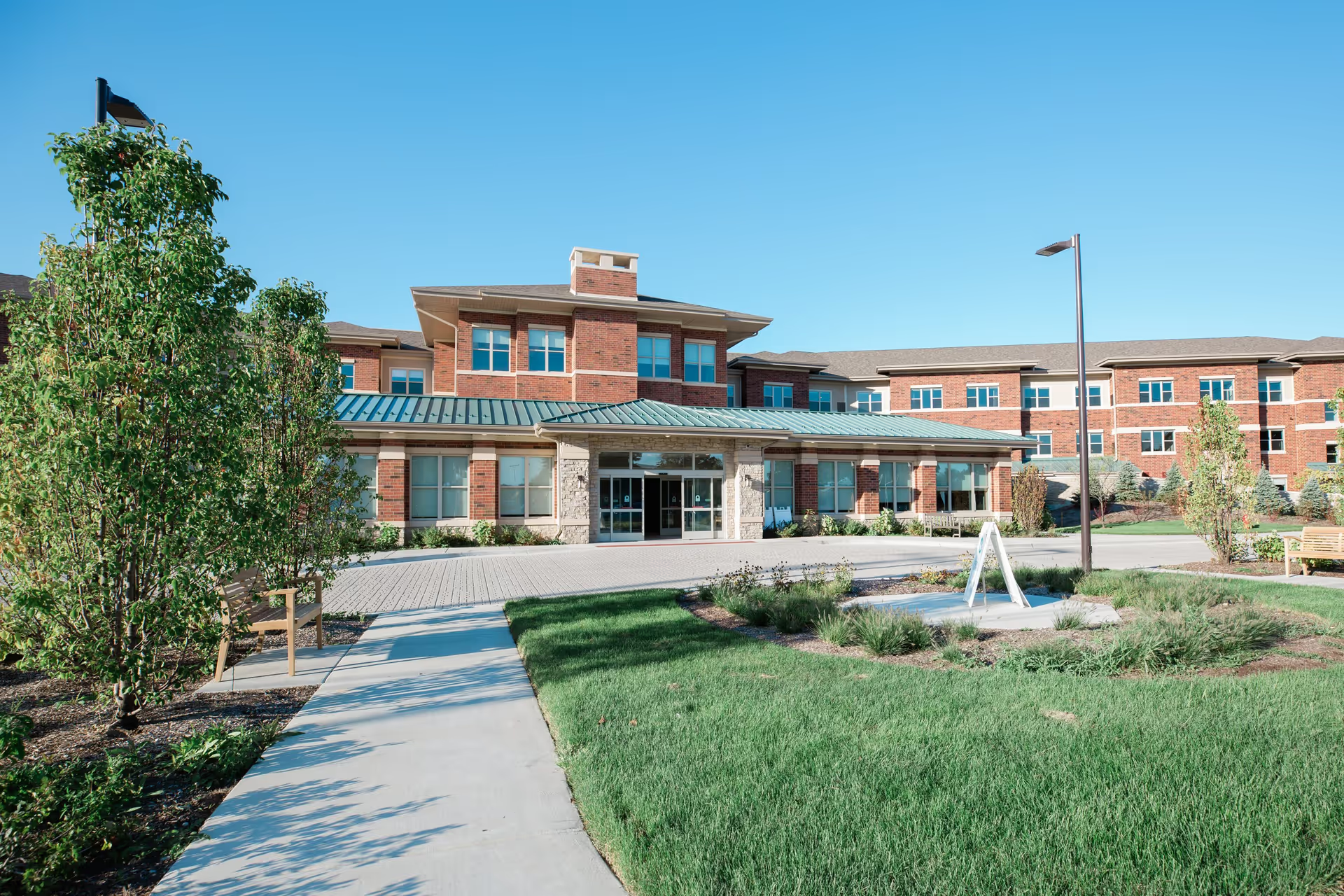
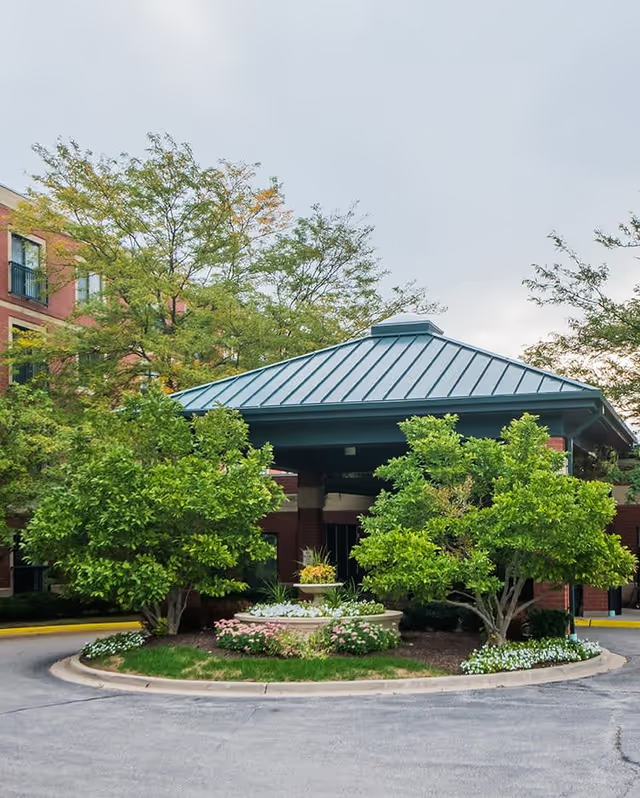
Overall impressions of Highwood are mixed but point to several clear strengths alongside operational inconsistencies. Many families and former residents praised the facility for its cleanliness, attractive grounds and common areas, and a generally well-maintained interior. Admissions and financial coordination are commonly described as helpful and informative, and entrances are noted as secure with attentive attendants. The facility’s rehabilitation services receive frequent commendation for knowledgeable, encouraging therapists and measurable functional gains in mobility and independence.
Clinical care elicits divergent comments. Numerous reviewers highlight compassionate, attentive nursing staff and effective wound-care support in specific cases; however, others describe variability in clinical consistency between shifts or units. Recurring operational concerns include delays in medication delivery and availability, slow responses to call lights or requests for assistance, and occasional gaps in clinical follow-through. These issues appear to reflect uneven staffing or process reliability rather than uniform clinical failure.
Dining and activities are generally regarded positively. The dining rooms and seating areas are described as tasteful and comfortable, with many families calling meals adequate to good; activity programming and the activity rooms receive positive notice for engagement. That said, there are notes about inconsistent meal assistance and occasional meal-service continuity problems, which can affect residents who require help eating.
Facility management and customer service show variability. Several reviewers single out individual managers and admission staff for exemplary, proactive service and smooth admissions processes. Conversely, there are recurring concerns about reception-staff demeanor, unresponsive upper management or phone communications, and isolated incidents of poor tone or insufficient empathy toward families. These contrasting reports suggest leadership and frontline customer-service quality may differ between teams or shifts.
Notable patterns for prospective residents and families: the facility demonstrates clear strengths in rehabilitation, a generally clean environment, and many committed clinical staff members. At the same time, there are consistent operational themes—call-response delays, medication and clinical-consistency gaps, therapy-scheduling problems, and occasional sanitation/odor concerns—that merit direct inquiry during a visit. Families may wish to observe staffing during different shifts, ask about medication-delivery protocols, review how feeding assistance and end-of-life responsiveness are handled, and speak with admissions about room allocation and anticipated room size to ensure the facility’s daily operations align with their expectations.