The reviews for The Pearl of Hillside present a highly mixed picture, with distinct clusters of positive experiences centered on clinical rehabilitation and engaged staff, and equally prominent clusters of operational concerns concentrated on cleanliness, staffing and clinical-capability gaps. Many families and reviewers praise the therapy teams, several nursing staff members, social work coordination, and certain administrative leaders (notably the DON/ADON) for effective communication, proactive care-planning, and helping residents progress toward discharge goals. In short-term rehab and therapy-focused stays, multiple accounts describe prompt, outcomes-oriented therapy, regular family updates, and a supportive front desk and reception experience.
Conversely, a substantial portion of feedback highlights recurring sanitation and housekeeping issues, inconsistent hygiene routines (including missed or irregular bathing), and incontinence-care delays; these accounts describe conditions that create odor concerns and general cleanliness shortcomings in some common areas and wings. Staffing levels are frequently described as insufficient, producing high nurse/CNA caseloads, delayed responses to call systems, and an operational focus on task assignments rather than individualized attention. Those operational pressures are linked in several accounts to inconsistent delivery of basic care and delayed clinical interventions.
Clinical capability and equipment availability are an important theme. Several reviewers expressed concern about the facility's ability to manage higher-acuity needs (for example, tracheostomy care, dialysis coordination, and complex wound management), and noted incidents of delayed or incomplete clinical follow-up. Supply and equipment shortages were also mentioned as affecting care delivery. These clinical concerns are sometimes paired with reports of inconsistent medication or wound-care timelines and a need to clarify the facility’s scope of practice for medically complex residents.
Dining and activities receive mixed evaluations. Many reviewers enjoyed meals and credited generous portions and a variety of options, while others reported cold food, nutritionally inappropriate items for specific populations, or inconsistent meal service. Activities programming is largely viewed as a strength: reviewers cite regular social programming, church services, outings, and community-building events that contribute to a family-like atmosphere for many residents.
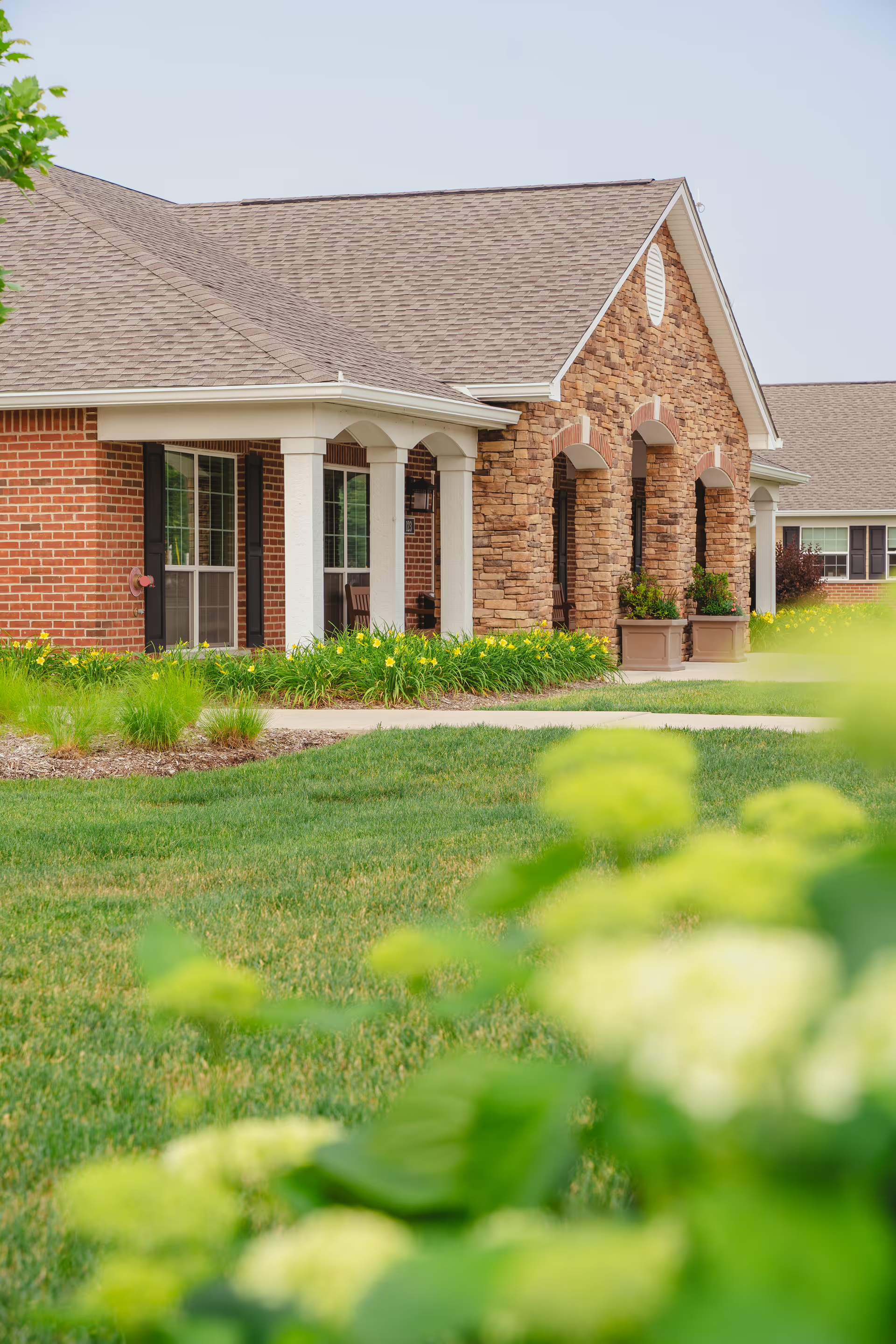
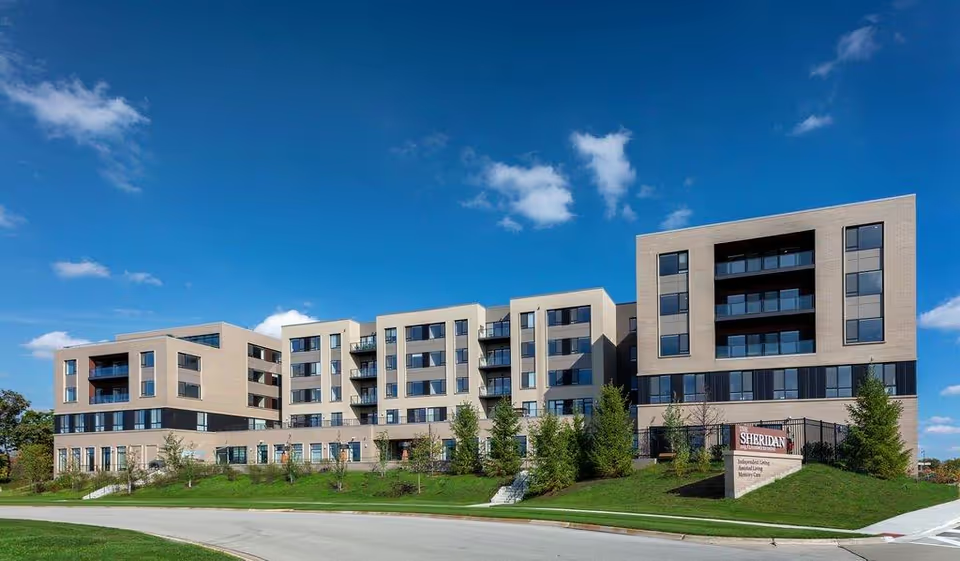
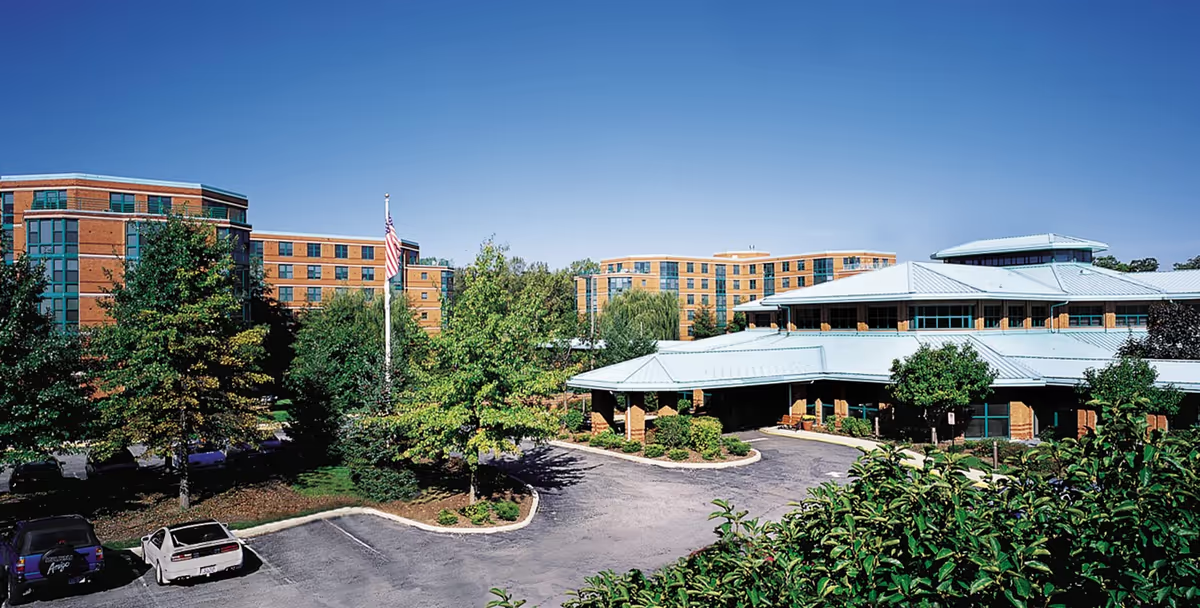
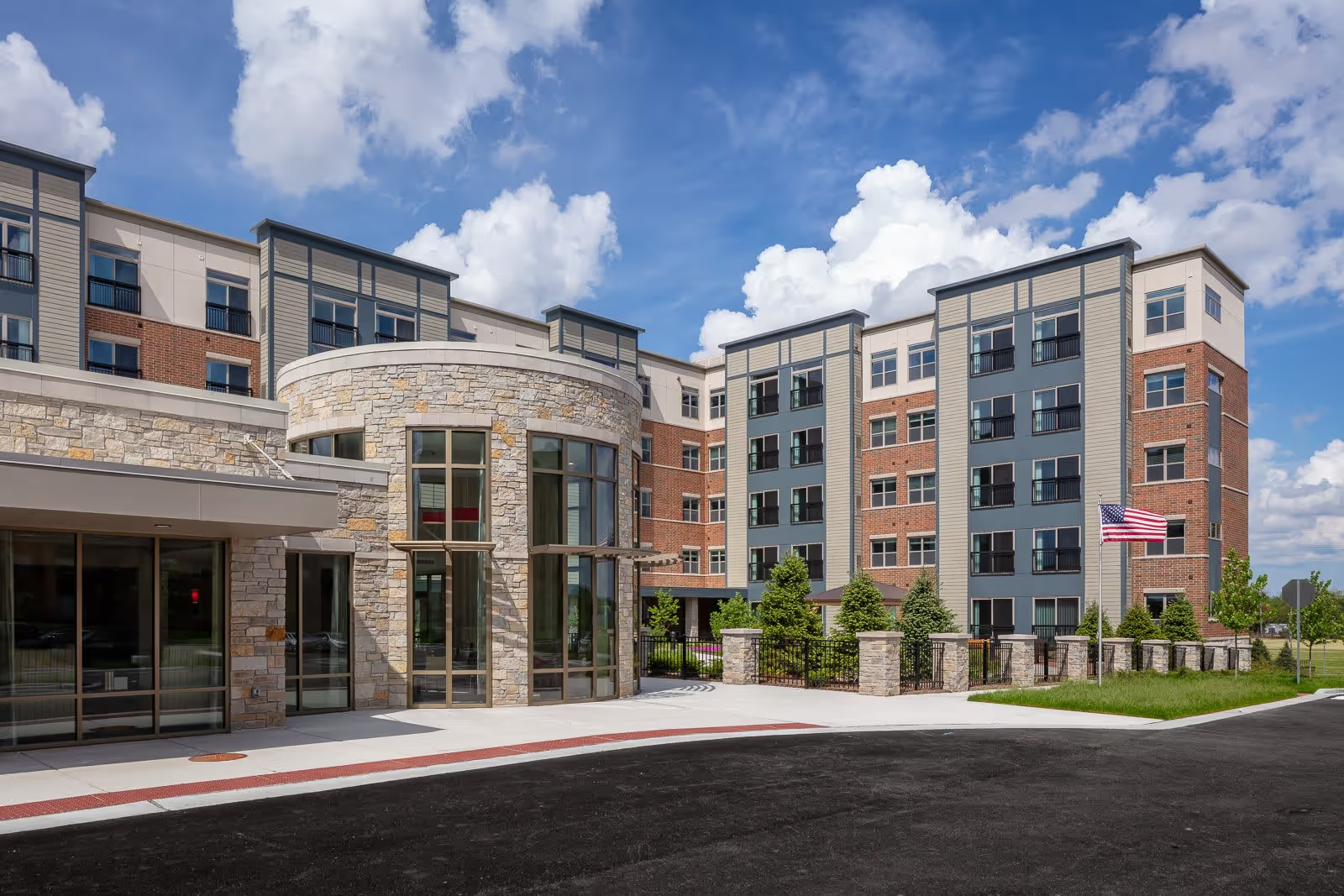
Facility maintenance and safety present another split. Portions of the building have received positive comments for cleanliness and recent renovations, with spacious rooms and inviting common areas reported. At the same time, other areas show maintenance gaps — windows and lighting issues, patched-but-unfinished walls, inconsistent garbage removal, and patio/common-area upkeep concerns. Pest-control concerns and lapses in laundry/personal-item management (missing or misplaced belongings) were also raised. A small number of reviews reference serious incidents and involvement of external authorities; these have been characterized in feedback as regulatory or legal matters and suggest the need to review public survey history and investigation outcomes.
Management and culture are described in very different terms depending on the reviewer. Several accounts commend the DON and administrative team for improving culture, responsiveness, and clinical oversight; other accounts describe inconsistent administrative follow-through, slow responses from the office, and variability in how complaints are handled. Staff conduct is similarly variable — many reviews describe compassionate, engaged team members who go beyond expectations, while others document concerns about communication tone, professionalism, and attentiveness.
Given the polarized feedback, prospective residents and families should perform a targeted on-site evaluation: observe cleanliness in the specific unit of interest, ask for current staffing ratios and nurse caseloads, review the facility’s capabilities for higher-acuity needs (trach, dialysis, wound care), request recent state survey and any corrective-action information, and discuss meal planning and activity schedules. Speaking directly with the DON or ADON about care-planning, supply availability, pest-control protocols, and incident-report follow-up will help clarify whether the facility’s strengths align with a given resident’s clinical and social needs.