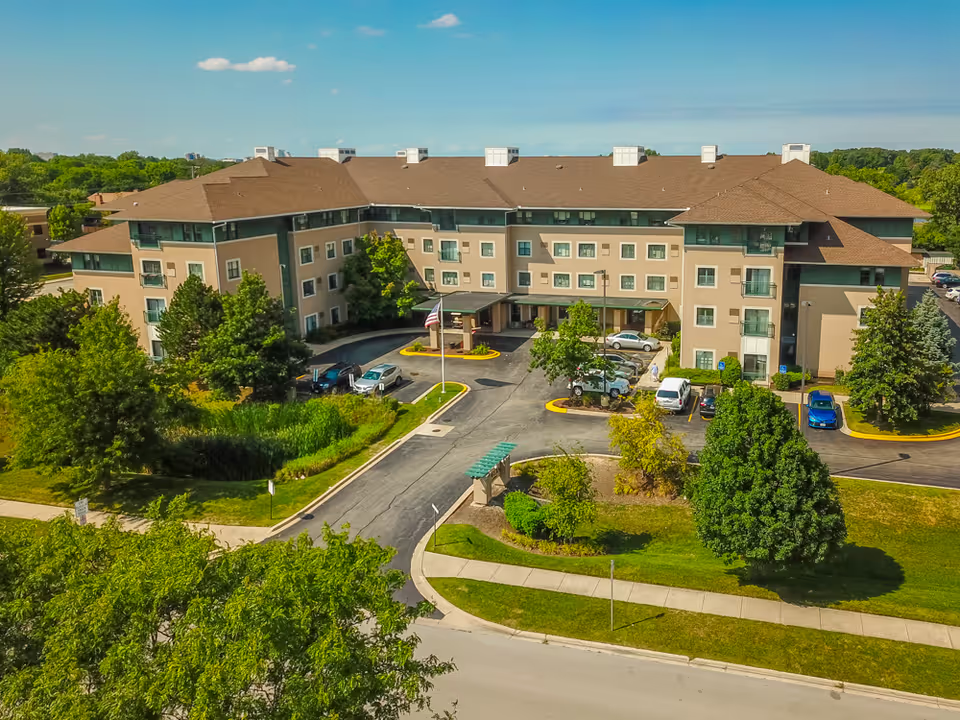
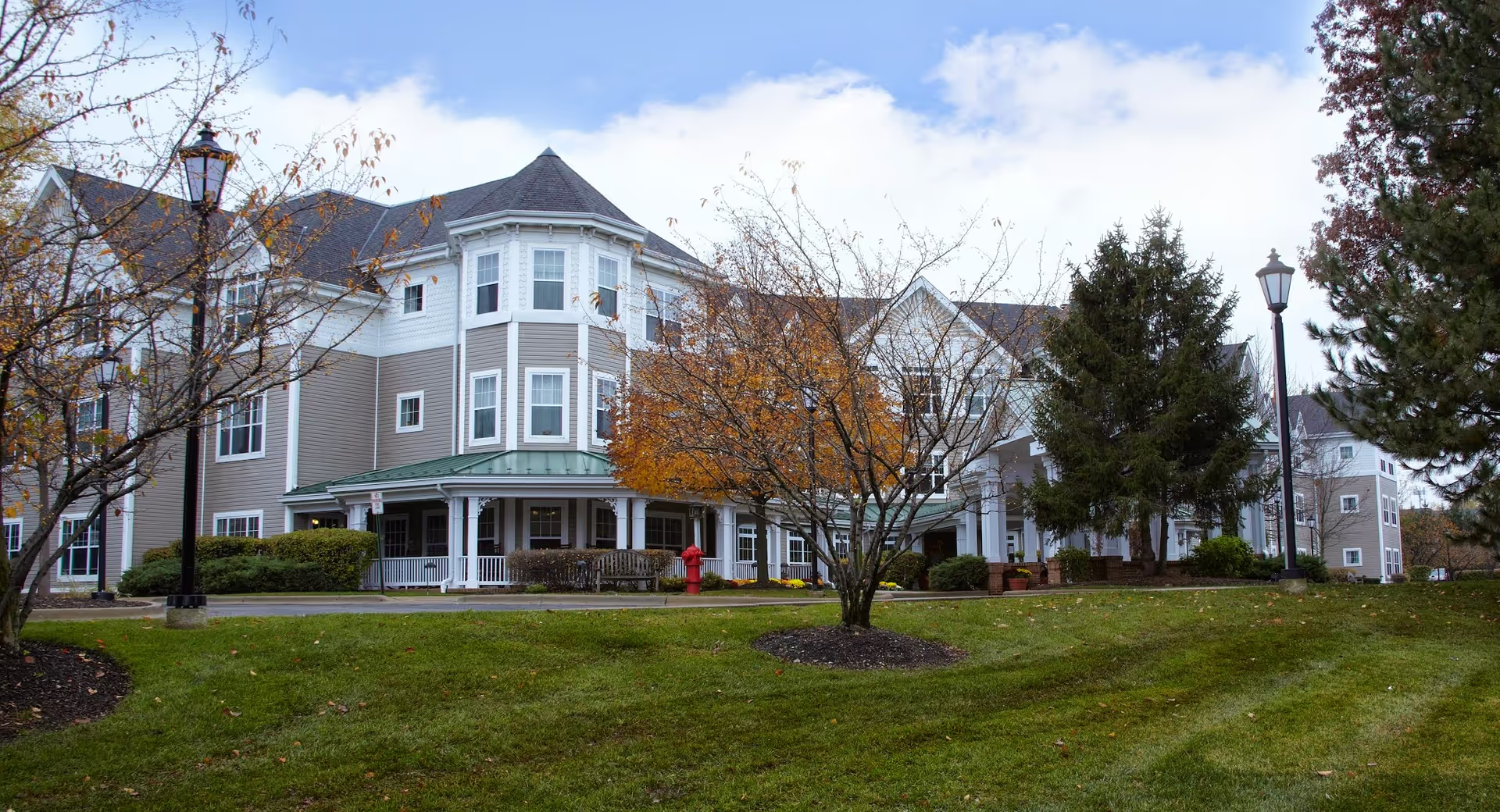
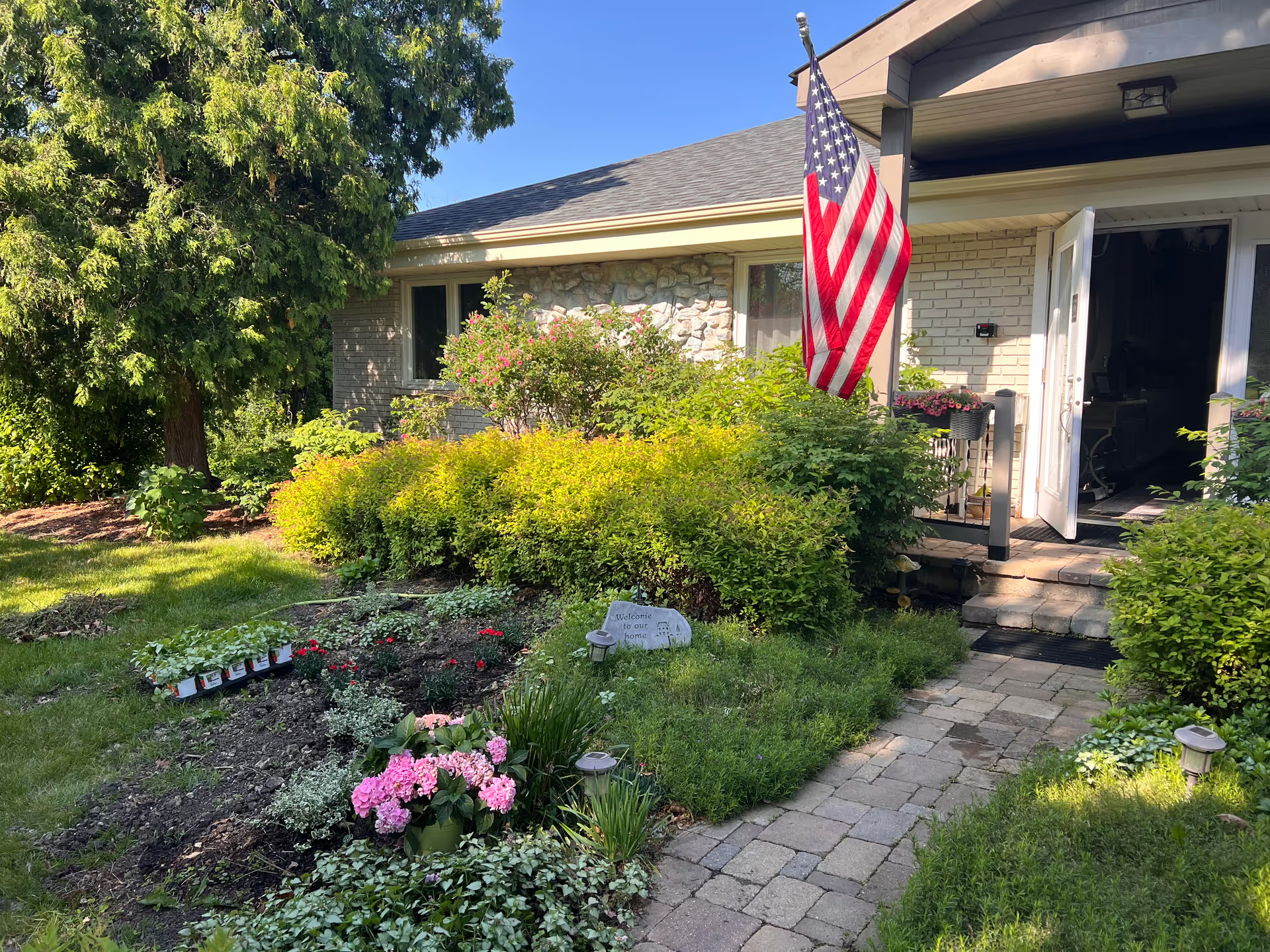
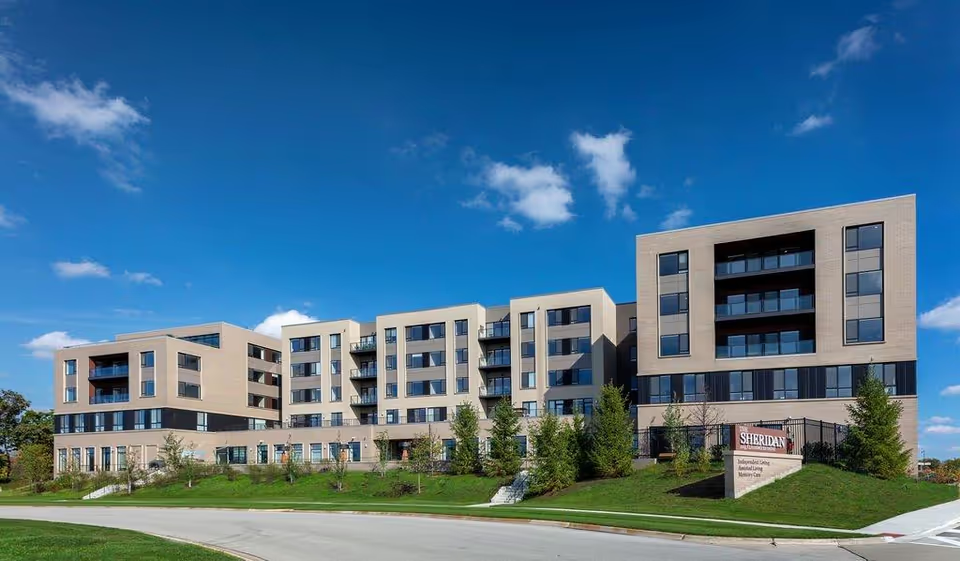
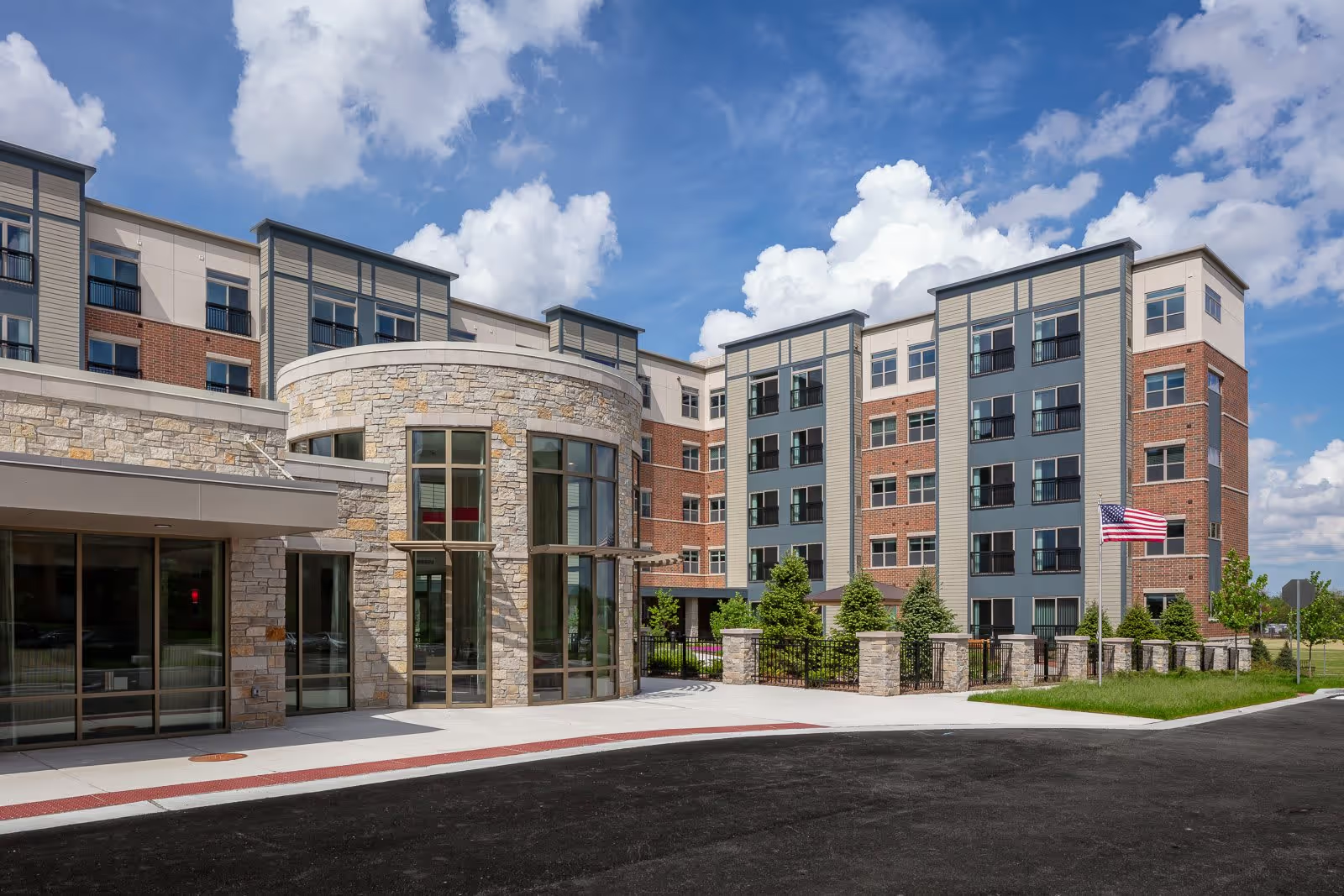
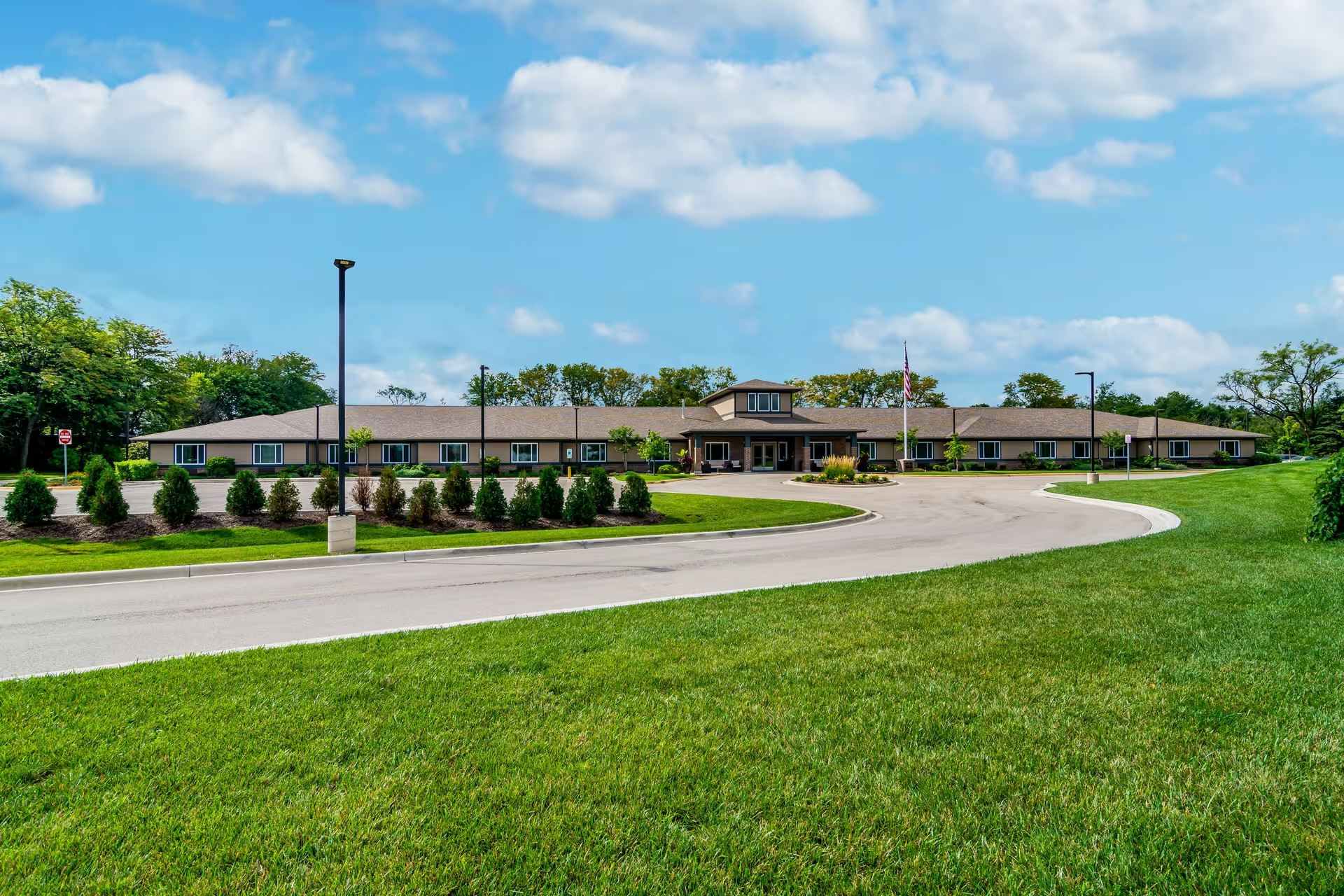
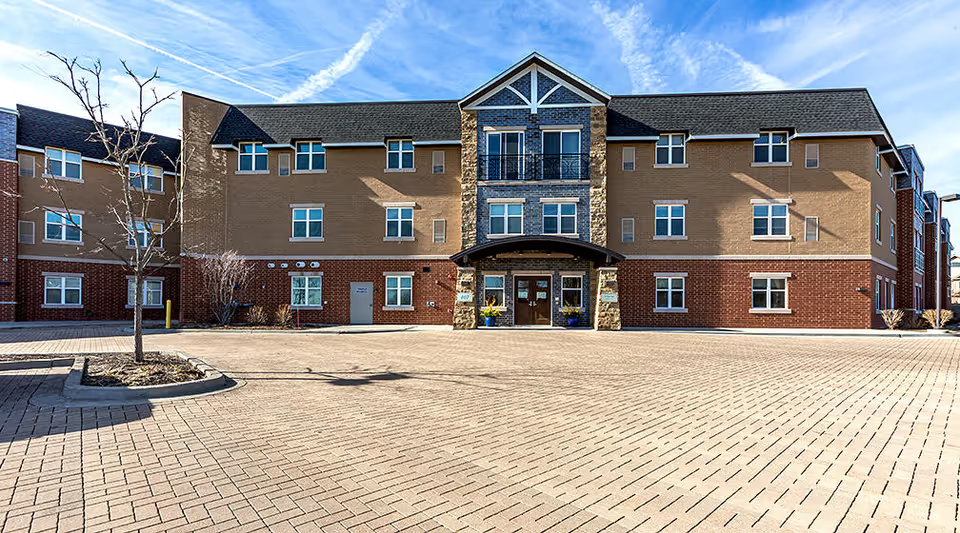
The reviews present a mixed but discernible pattern: Magnolia Senior Living is frequently praised for its physical environment, location, and amenity set while several operational and clinical concerns recur across accounts. The community is regularly described as elegant and boutique in scale, with well-appointed apartments, pleasant courtyards, and convenient proximity to downtown Hinsdale amenities (library, train station, restaurants). Many families highlighted creative activity offerings — music programs, cooking demonstrations, happy hours and outings — and specific staff members (activities, concierge, marketing, and executive leadership) who deliver highly personalized service.
Care quality and staffing are an area of divergence. Positive experiences emphasize attentive, compassionate caregivers, a beneficial nurse presence (including accounts of 24-hour nursing), and individualized care plans that supported smooth transitions. Conversely, other reviews describe high turnover, periodic reliance on agency staff, and variability in caregiver competence and timeliness. Several reviewers raised clinical concerns that suggest gaps in oversight: inconsistent medication administration practices, delays in responding to care needs, and instances that implied inadequate monitoring of skin and nutritional status. These indicate a need for prospective families to verify current clinical staffing ratios, medication protocols, and monitoring procedures.
Dining and housekeeping also show mixed results. There are repeated compliments for chef-prepared, tasty, nutritious meals and restaurant-style service; at the same time, some families reported declining menu choices, slower service, and a pullback on presentation (linen/flowers). Housekeeping and maintenance were generally seen as strengths in many accounts, but multiple mentions of worn carpeting, unrepaired trim damage, laundry/linen lapses, and sanitation concerns in specific areas point to inconsistencies in facility upkeep and infection-control practices.
Activities and social engagement are frequently cited as strengths when led by an engaged Activities Director; successful programs correlate with visible resident interaction and staff involvement. However, other observations describe a sparse activity calendar, periods when residents were not visibly engaged, and a small memory-care unit where socialization appeared limited. These contrasts suggest programming quality is sensitive to staffing continuity and leadership presence.
Management and ownership impressions differ widely. Positive comments single out responsive executive directors and hands-on marketing staff who listen to families. Negative impressions cluster around leadership turnover, hard-sell tour experiences, perceived price increases after contract signing, and a perception of business priorities sometimes outweighing resident-focused decisions. Prospective families should ask about recent leadership changes, turnover statistics, billing practices, and the community’s approach to family communication during clinical events.
Bottom line: Magnolia offers a well-located, attractive, and amenity-rich option with many examples of strong, individualized care and creative activities. At the same time, reviewers consistently point to operational risks tied to staffing instability, uneven clinical and housekeeping practices, and variable dining and activity consistency. Families considering Magnolia would be well advised to tour at different times of day to observe resident engagement, request current staffing and turnover data, review medication- and wound-care protocols, sample menus, and clarify billing and management-stability plans before deciding.