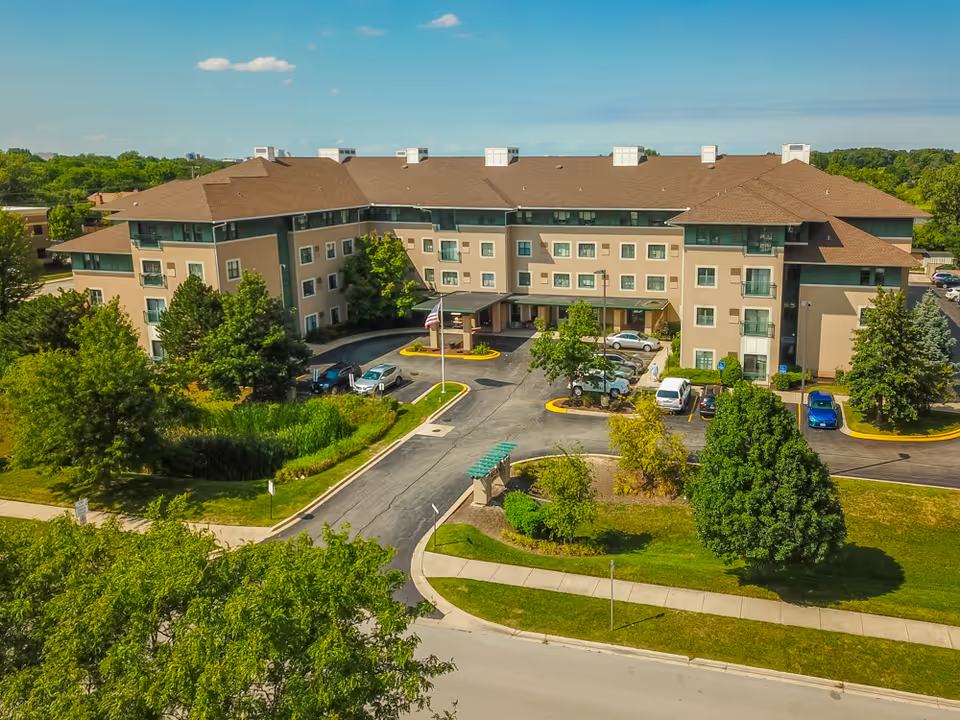
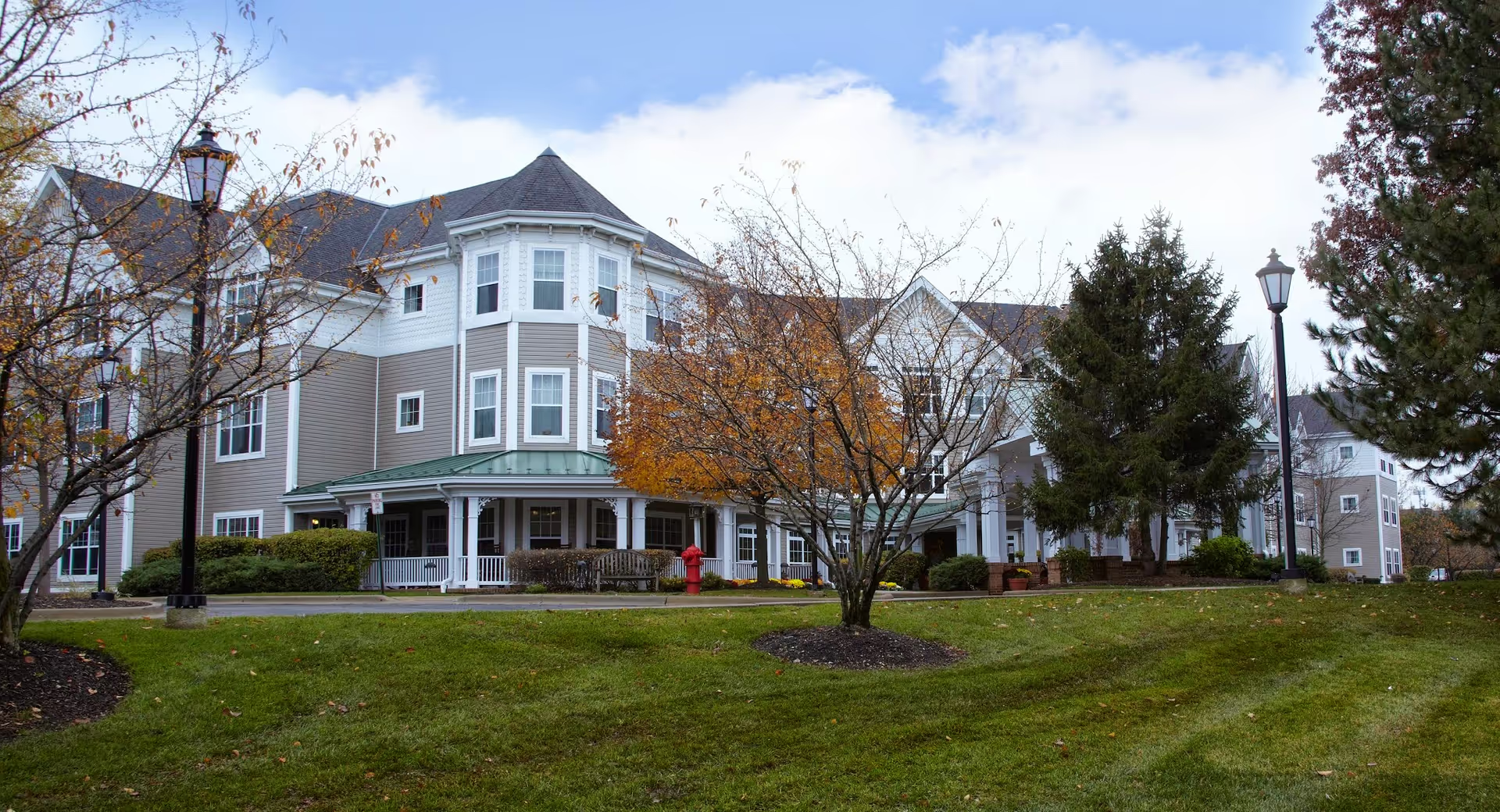
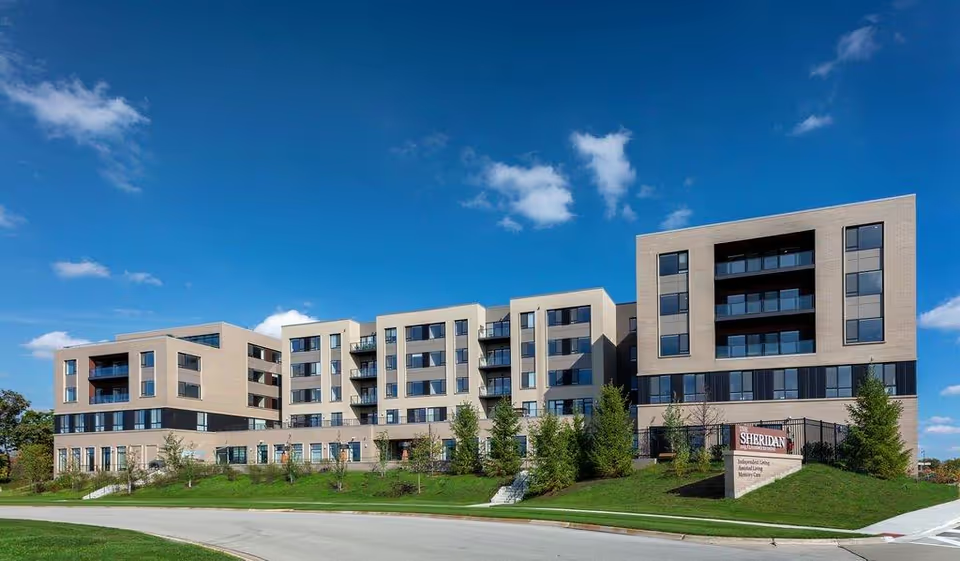
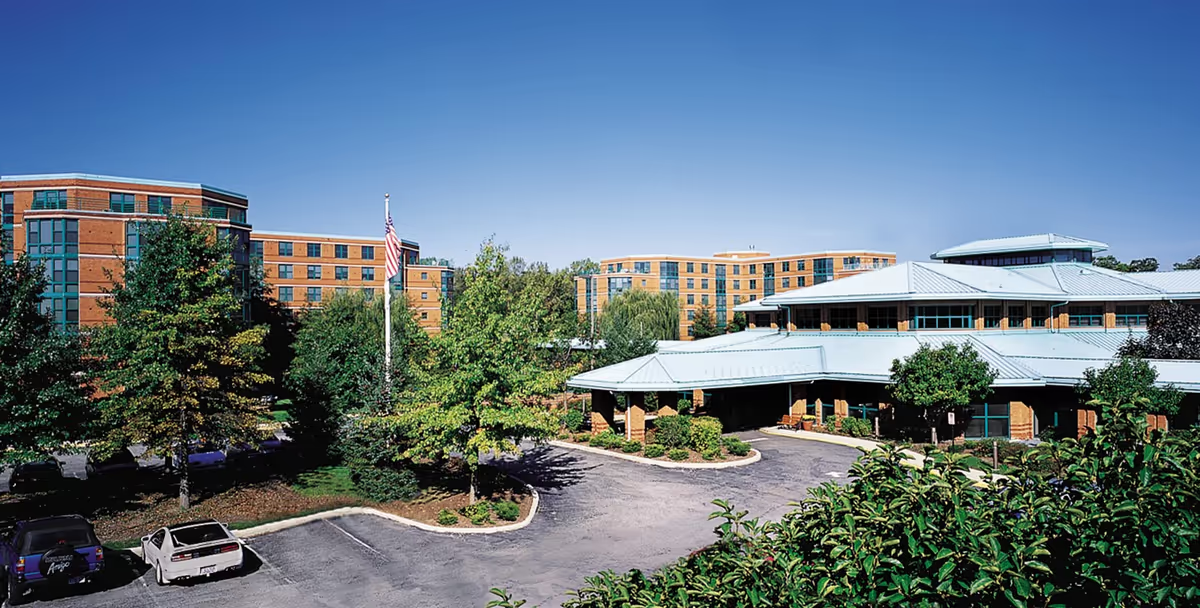
The Pearl of Hinsdale elicits strongly polarized impressions. Many families and residents highlight a core of compassionate, attentive direct-care staff — particularly nursing assistants, certain nurses, and specific night staff — and repeatedly praise the rehabilitation teams for effective, outcomes-focused therapy (physical, occupational and speech). Admissions and front-desk personnel are commonly described as warm and helpful, and numerous accounts describe a family-like atmosphere, personalized interactions, engaging activities (concerts, bingo, movies, salon services), and support for outings and visitor flexibility. Several accounts also note positive clinical resources such as nurse practitioner involvement and access to wound care that facilitated successful discharges.
Counterbalancing those positives are recurring operational concerns. The most frequent pattern is inconsistent staffing and responsiveness: delays answering call lights, slow bedside assistance, and uneven availability of nursing support. Reviews describe gaps in medication and clinical-management processes, including delayed medication changes, transfer-related medication errors, and uneven monitoring of high-acuity devices; these concerns correlate with instances where families sought external care. Sanitation and incontinence-care practices are another common area of concern, with uneven housekeeping, linen availability, and odor concerns in some areas. Facility maintenance issues — peeling wallpaper, small or outdated rooms, broken equipment and occasional nonfunctional fixtures — were described alongside reports of supply shortages such as limited incontinence products or nonfunctional mobility aids.
Dining and nutrition are areas of mixed feedback. Some reviewers find the food acceptable and appreciate a flexible bring-in-food policy, while others report cold meals, unclear portioning, and meal-service lapses. Therapy delivery receives consistently strong marks for staff skill and motivation, but some accounts cite inconsistent scheduling or communication between therapy and nursing. Safety practices and transfer protocols also emerge as a pattern-level issue: several reviewers describe falls or insufficient preventive measures, suggesting room for stronger, consistent transfer-safety procedures and documentation.
Management and communication present a mixed picture. Some families describe visible, responsive leadership and effective social-work support; others recount difficulty reaching supervisors, delayed callbacks, or unresolved concerns about clinical issues and belongings. There are also a small number of serious individual allegations — for example, concerns following a hospitalization related to tracheostomy management and other high-acuity events — which underscore the importance of robust clinical oversight and clear family communication in complex cases.
For prospective residents and families, the facility's strengths appear to be its skilled therapy teams, many dedicated bedside caregivers, and a lively activities program that supports social engagement. The primary considerations before admission should include assessing the unit's staffing levels for the anticipated level of care, clarifying medication-transfer and handoff procedures, confirming maintenance and equipment availability, and discussing nutrition and toileting/assistance plans. Visiting at different times and asking direct questions about current staffing, recent quality reviews, and how high-acuity needs are managed will help align expectations with the facility's variable performance across operational domains.