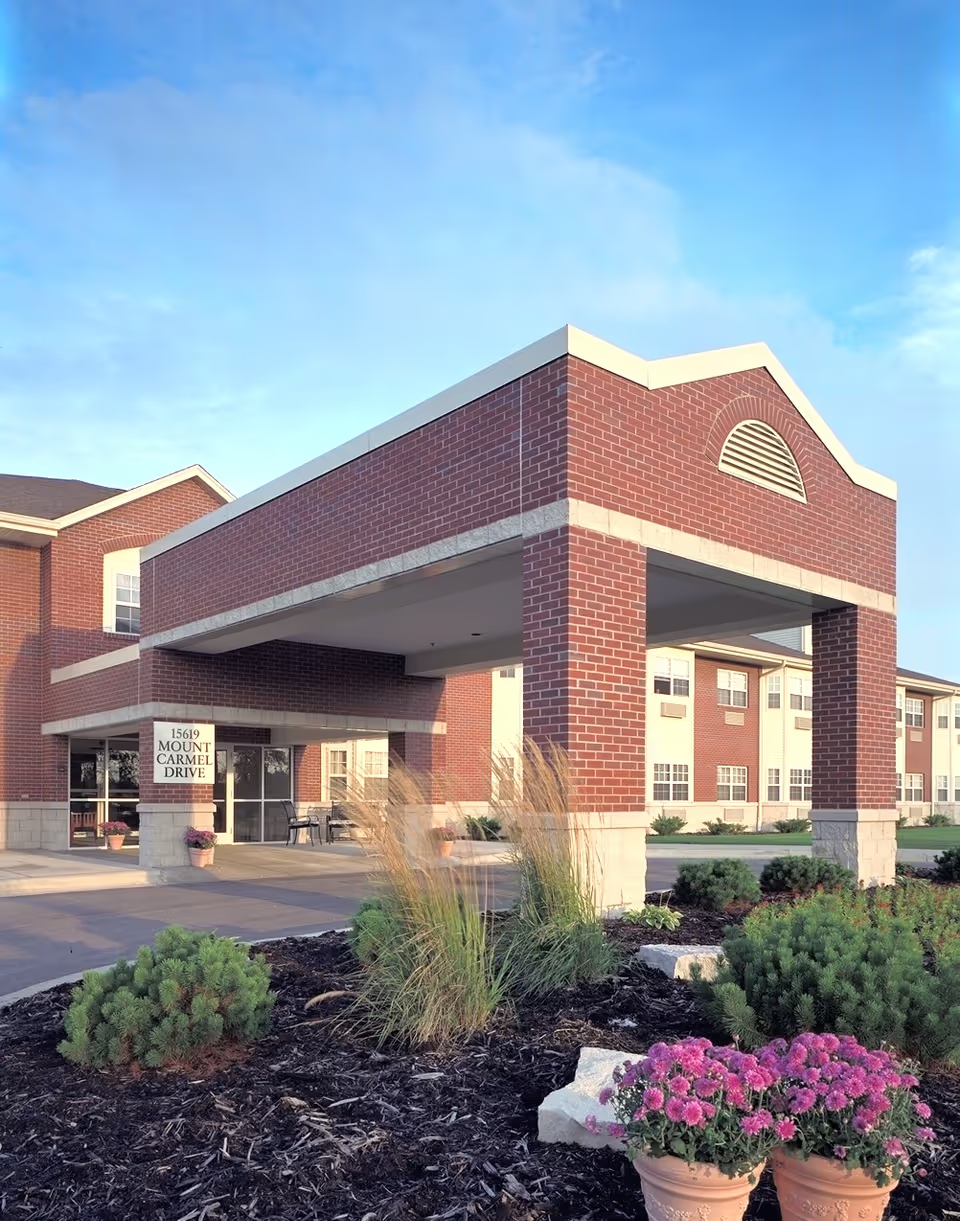
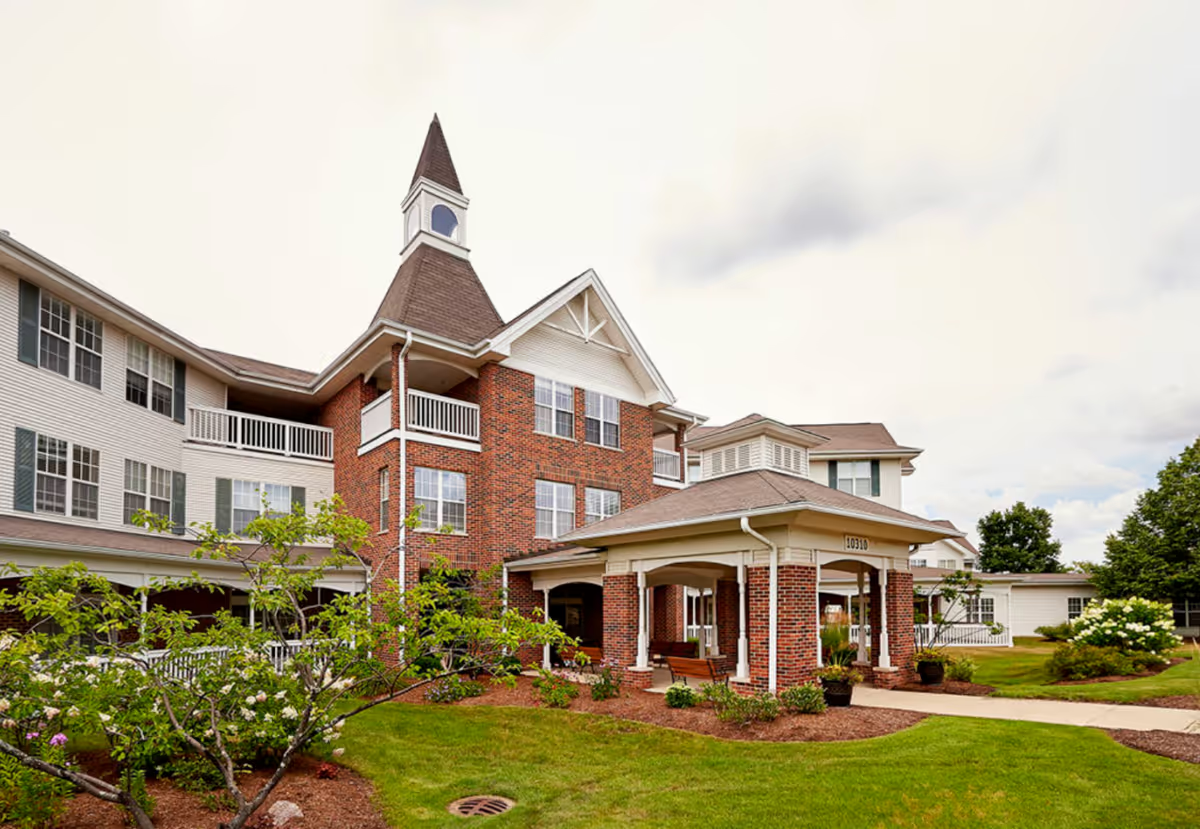
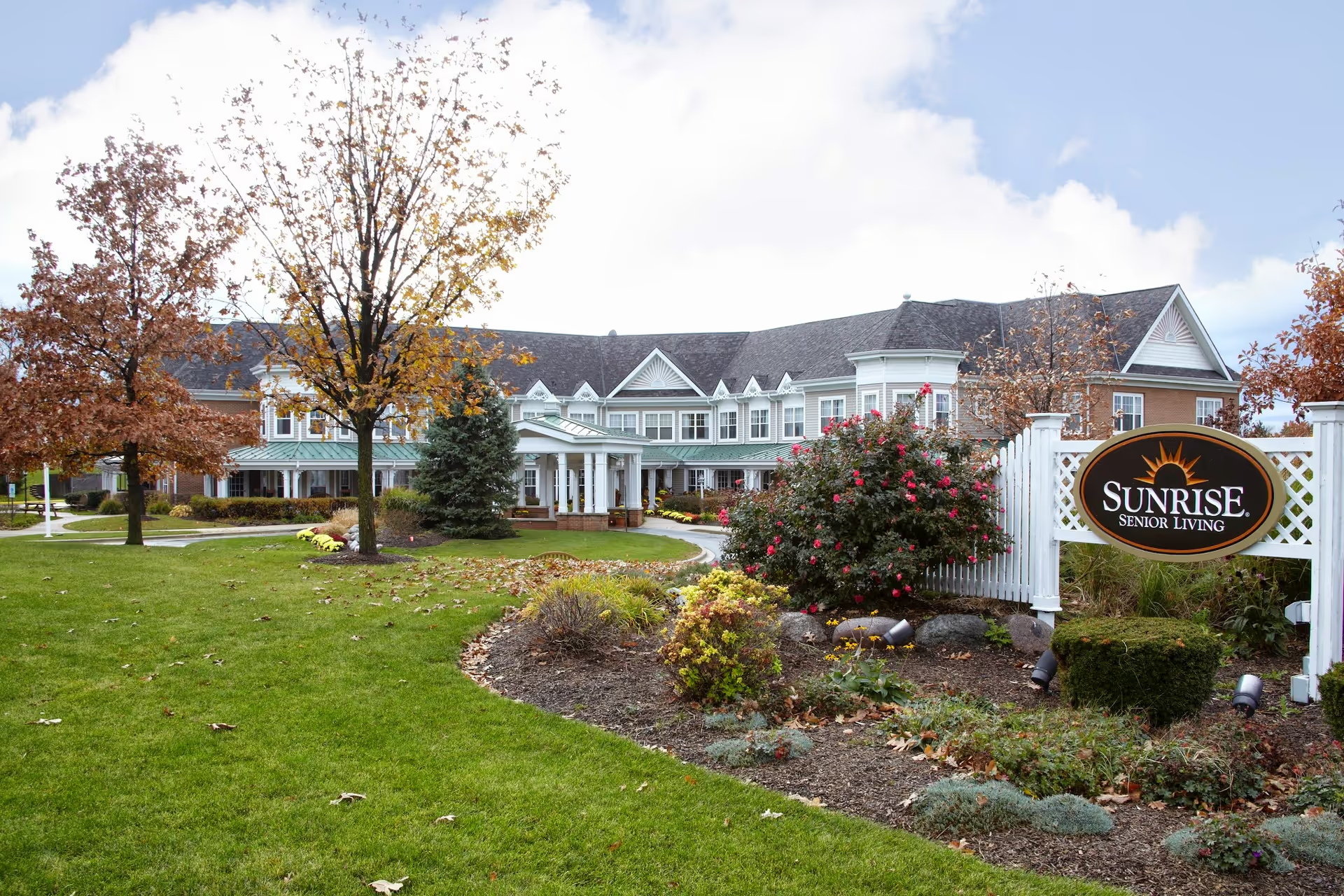
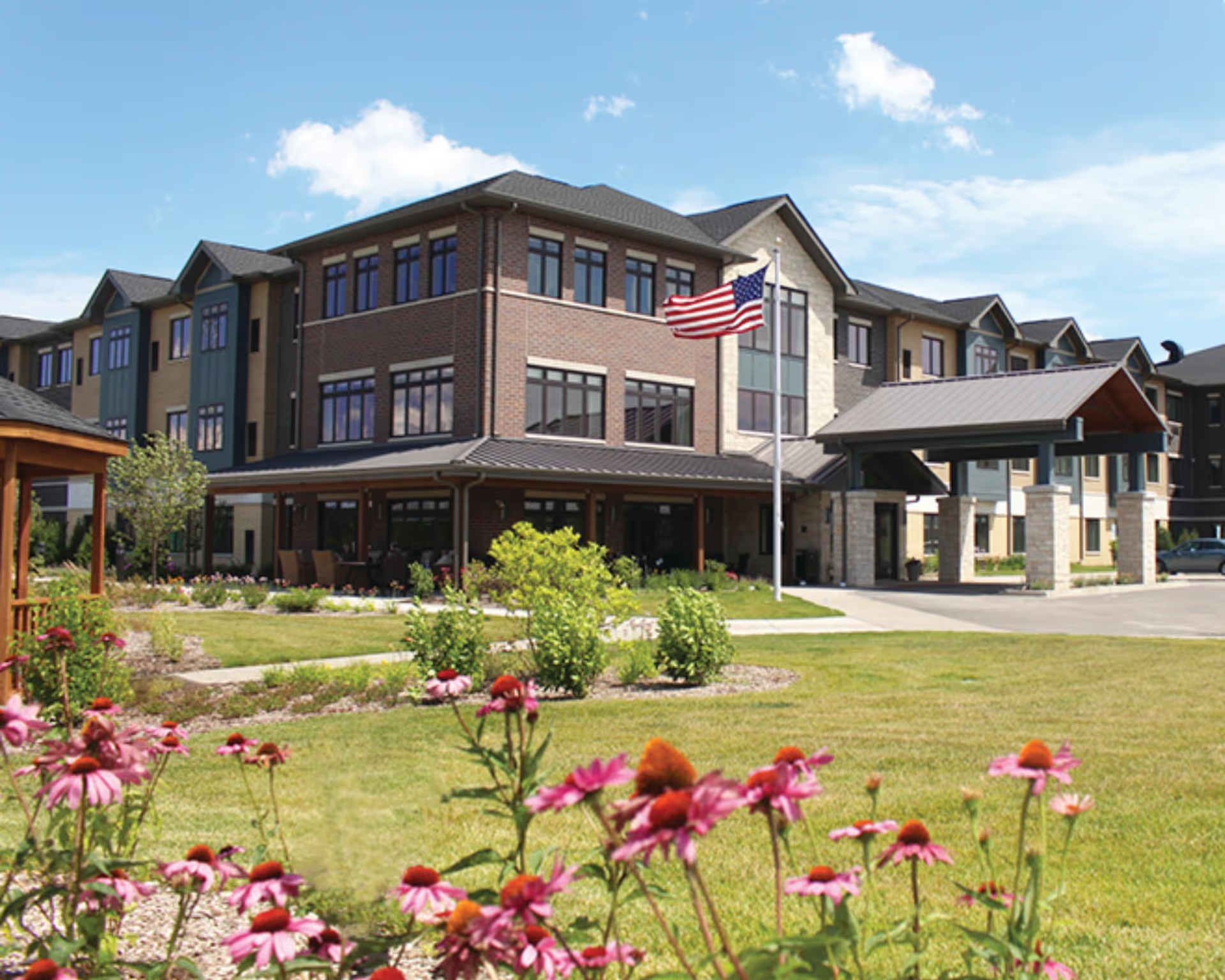
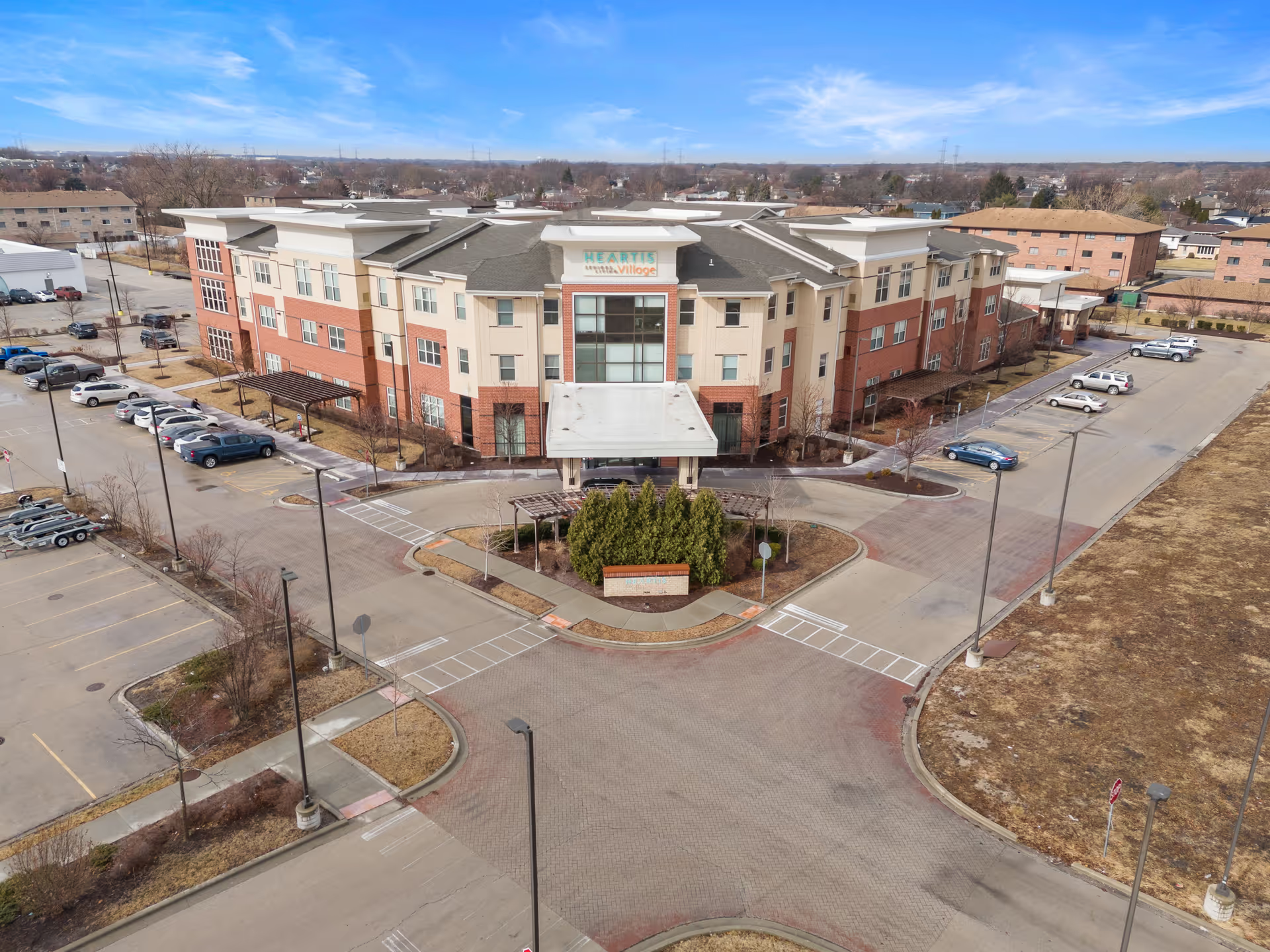
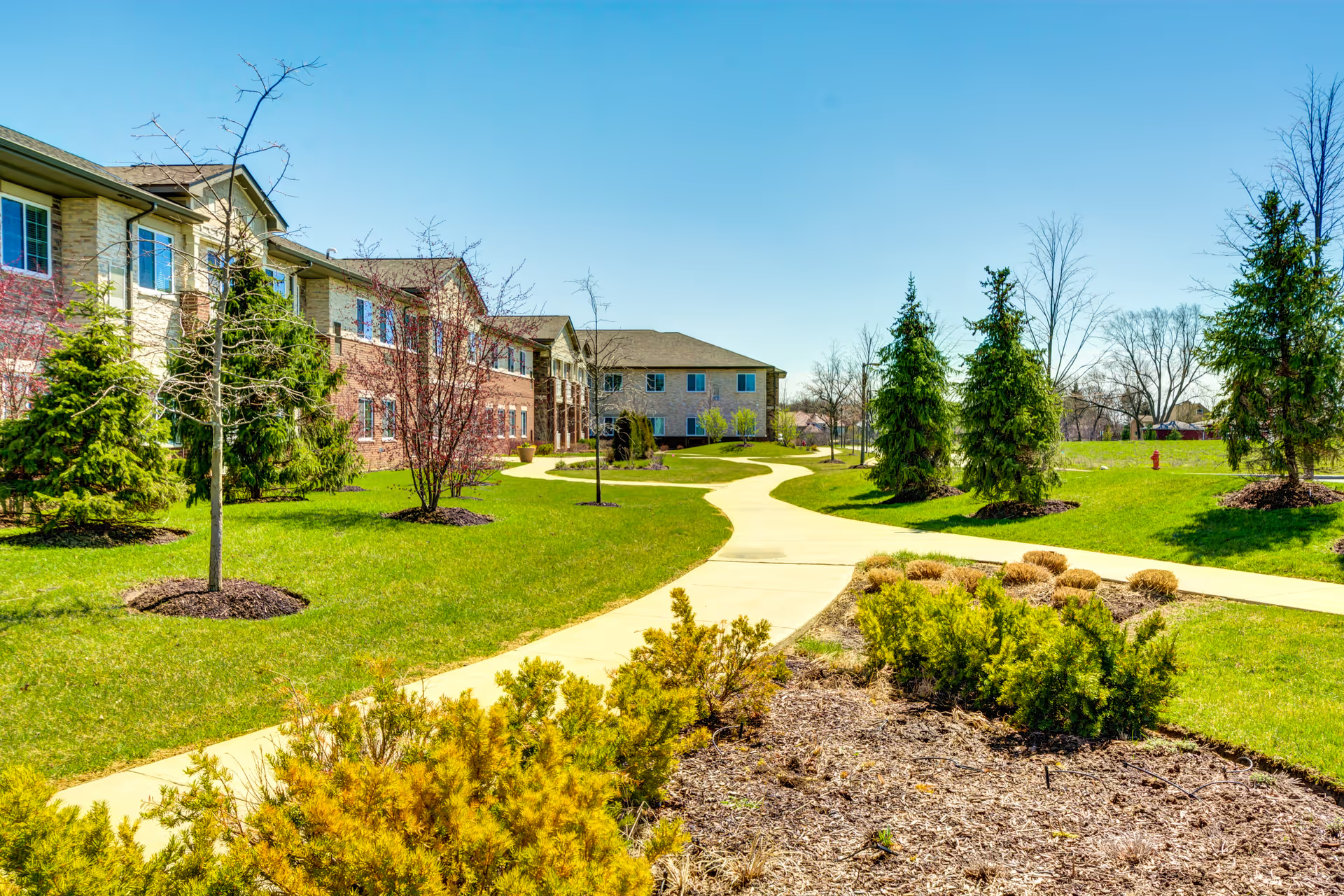
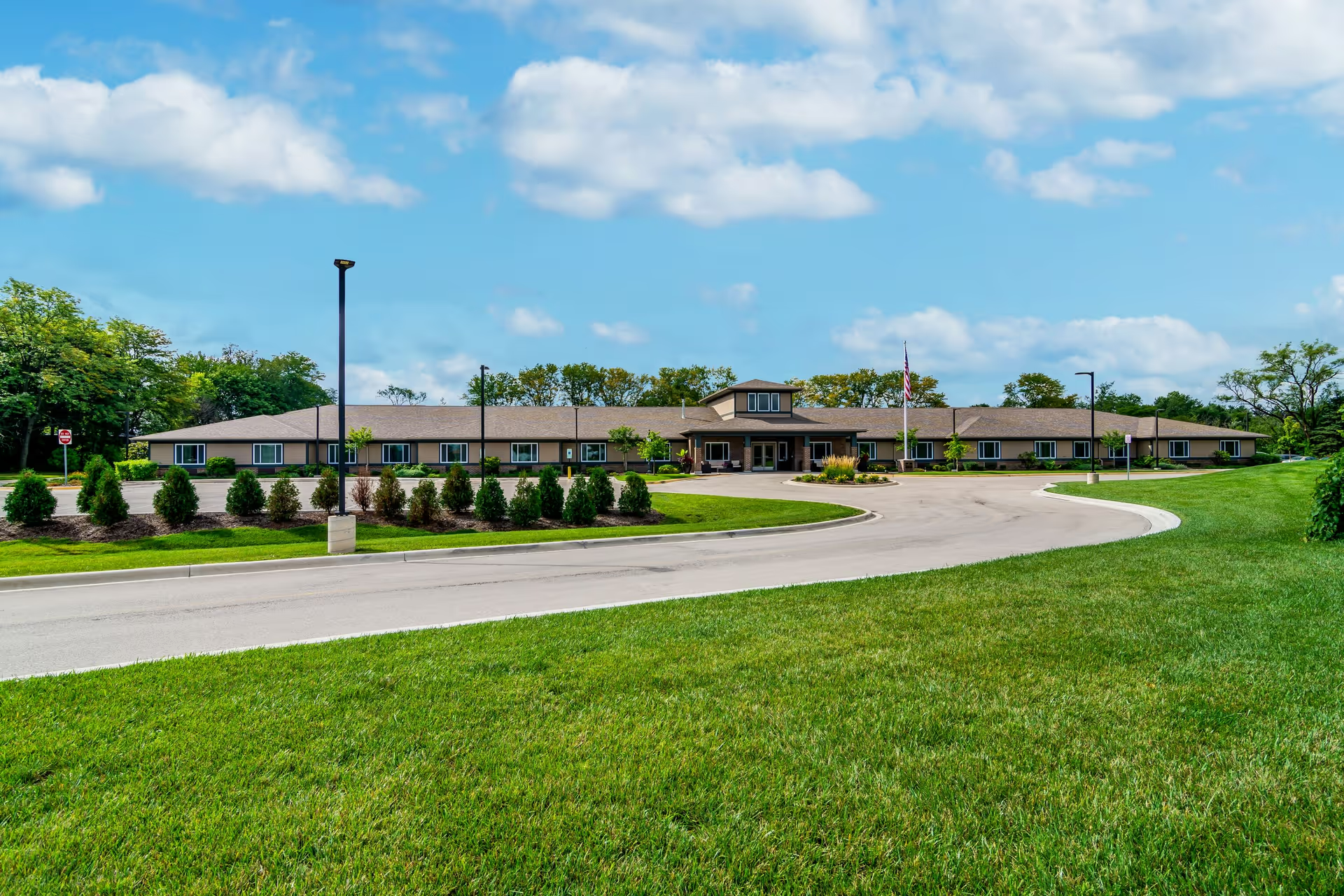
Victorian Village presents as a well-kept, campus-style senior community with a broad set of on-site services and visible attention to grounds and building maintenance. Reviewers commonly describe the physical environment as clean and orderly, with private apartments that include kitchenettes and generous closet space. The 18-acre suburban campus, visitor parking, and distinct memory-care cottages contribute to a sense of scale and convenience, and many families value the faith-based, family-like atmosphere and intergenerational programming.
Clinical and rehabilitative services are a clear strength for many residents: the community offers a range of on-site medical providers and therapy services, and several accounts emphasize successful mobility gains and effective short-term rehab. Housekeeping and room cleanliness are frequently cited as efficient and reliable, and the presence of assisted-living and skilled-nursing levels on the same campus is viewed positively for continuity of care.
Staff behavior and day-to-day caregiving elicit mixed impressions. Numerous comments highlight friendly, helpful, and genuinely engaged staff members, especially in therapy, dining, and some nursing interactions. At the same time, recurring operational issues are raised: inconsistent staffing levels (notably in afternoons and evenings), slow responses to call lights, and variability in staff engagement and tone. These patterns suggest that staffing coverage and shift-level morale may influence resident experience and response times.
Dining and food services show both positive and negative patterns. The facility operates a restaurant-style dining room and offers family-style meal ordering that many residents enjoy; events and social dining are well received. However, there are also repeated concerns about inconsistent meal quality, limited variety or perceived lack of healthful options, and differences between weekday and weekend dining policies. Prospective residents should consider tasting menus and asking about weekend service specifics.
Activities and social programming are a consistent positive: regular group activities (Wii bowling, bingo, movies), outings, holiday events, and on-campus fellowship opportunities are reported and appear to contribute to resident engagement. The community’s faith-based identity and opportunities for social interaction are frequently mentioned as enhancing well-being.
Management and administrative communication emerge as another area of mixed feedback. Positive experiences with admissions and tours contrast with reports of scheduling disruptions, last-minute cancellations, and inconsistent communication from leadership. Some families note unclear fee structures and restricted access to certain advertised amenities; these point to the importance of clarifying contract terms, extra fees (phone/cable/other monthly charges), and amenity availability during the decision process.
Overall pattern: many families describe a clean, attractive campus with solid clinical and rehabilitative resources and active social programming. At the same time, recurring operational themes — variable staffing coverage, slow responsiveness at certain times, inconsistent dining quality, and gaps in administrative communication — may affect the experience for some residents, particularly in memory-care and during off-peak hours. For prospective residents and families, an in-person tour should be paired with targeted questions about staffing ratios by shift, call-light response expectations, dining samples and menus, memory-care staffing and training, and a clear written breakdown of fees and amenity access before committing.