Victorian Village elicits two clear patterns: many families praise the frontline caregiving team, the facility environment, and the availability of services; a distinct subset of experiences highlights operational inconsistencies that can affect clinical follow-up, safety, and communication. Across reviews, positive remarks repeatedly reference attentive, compassionate caregivers, responsive nurses, an active admissions and social-work team, and a generally clean, modern campus. The community provides a full continuum of services (independent, assisted, memory care) and has therapy and rehab capabilities; dining is frequently described as fresh, with menu choices, and life-enrichment programming is regularly noted as engaging.
Care quality at Victorian Village appears to be mixed. Many families describe strong hands-on care from CNAs, nurses, and therapy staff, and note successful transitions for short-term rehab and long-term placement. At the same time, there are consistent concerns about clinical processes: delayed responses to clinical changes, lapses in medication handling/documentation, and uneven follow-through after incidents. A small number of serious individual events prompted pronounced family concern (including concerns following a resident's death), and those accounts underline the importance of verifying clinical protocols and escalation pathways during a tour or admission conversation.
Staffing, management, and communication show a similar split. Admissions and some leadership interactions receive positive mentions for being supportive and well organized; tools such as a visit-scheduling app and daily update emails have been helpful for families. Conversely, reviewers point to staffing shortages, use of temporary staff, and turnover that coincide with longer wait times, inconsistent therapy visits, and variability in caregiver attentiveness. Families should be aware of gaps in incident reporting and post-event communication in some cases, and consider asking how the facility documents and shares follow-up information.
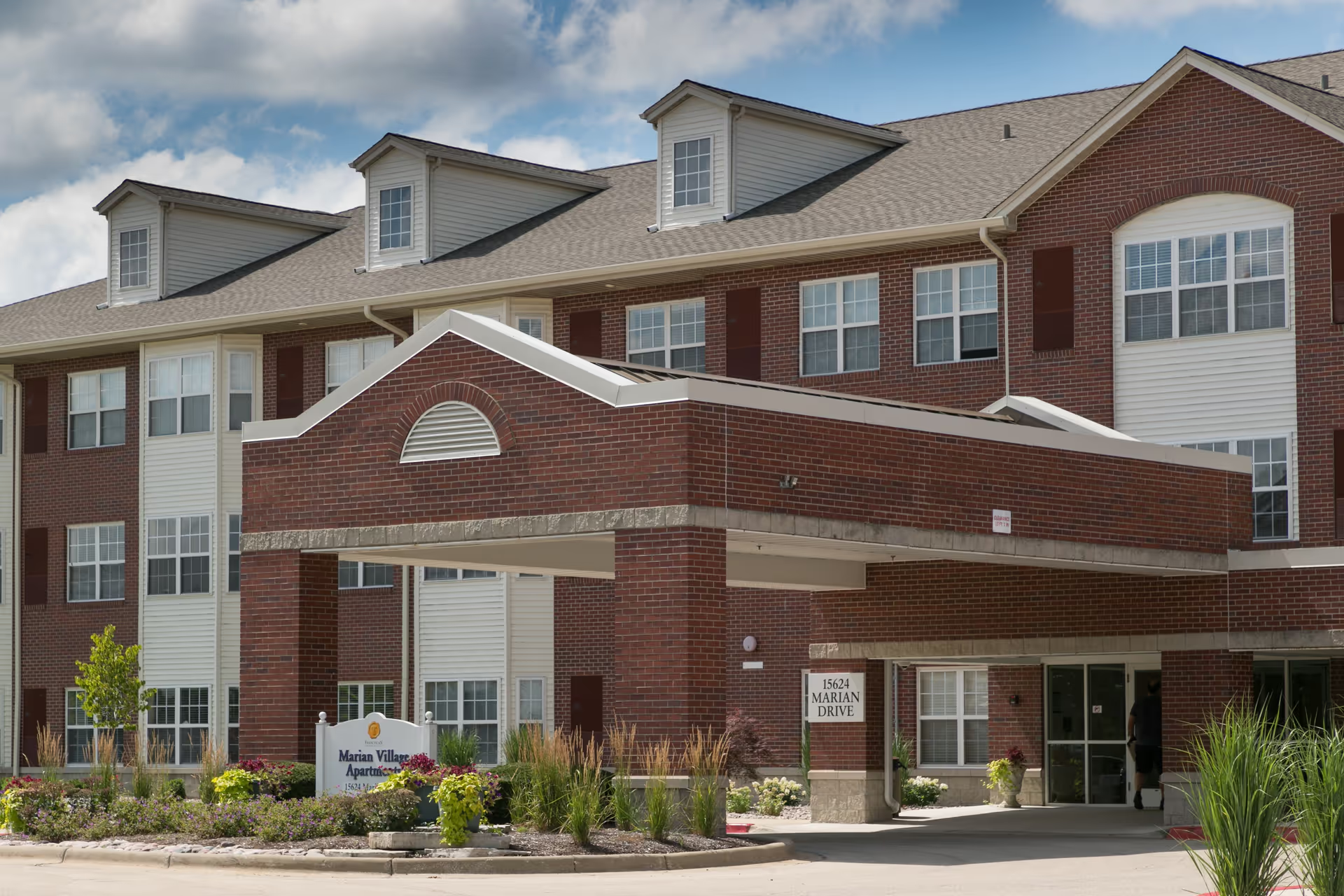
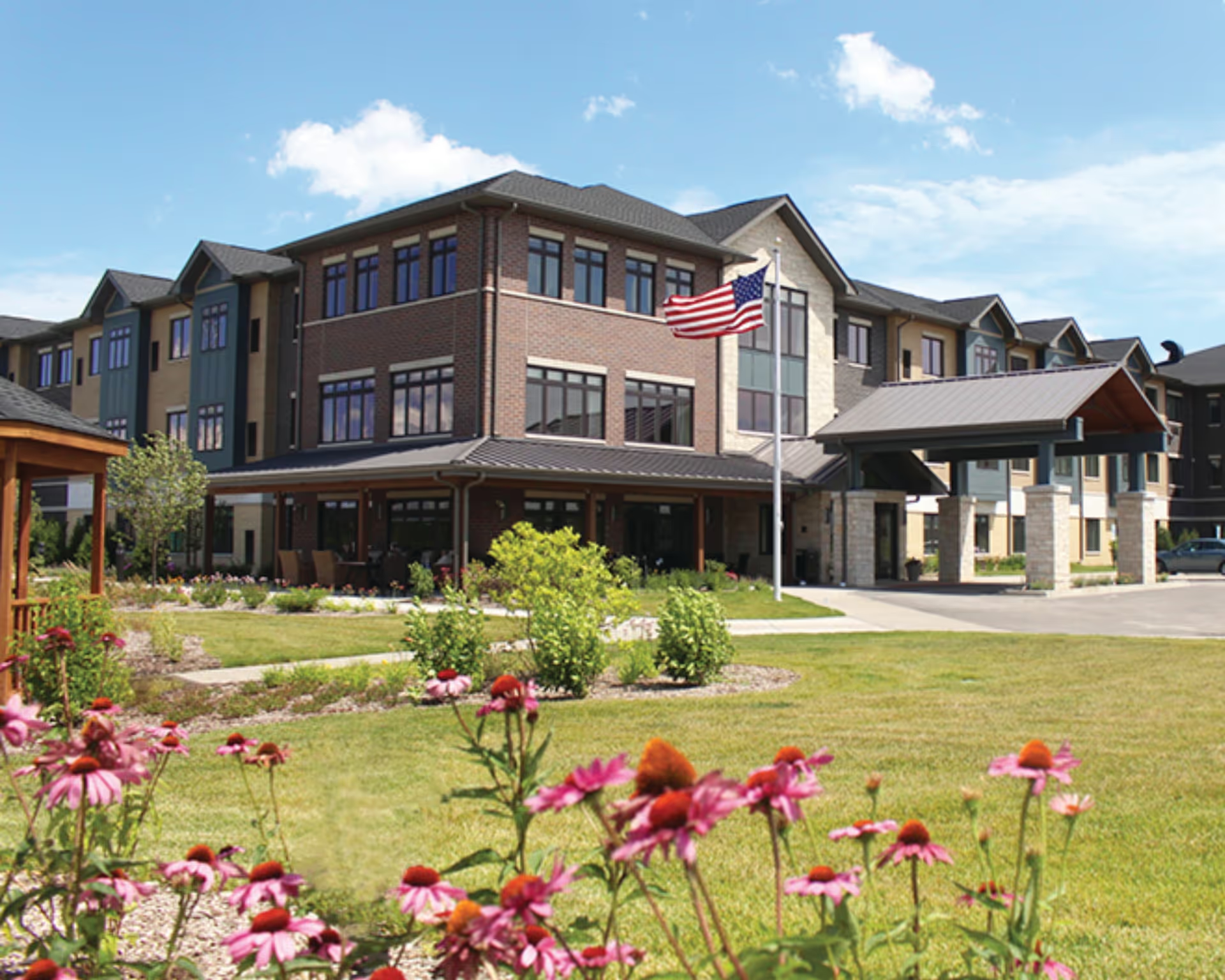
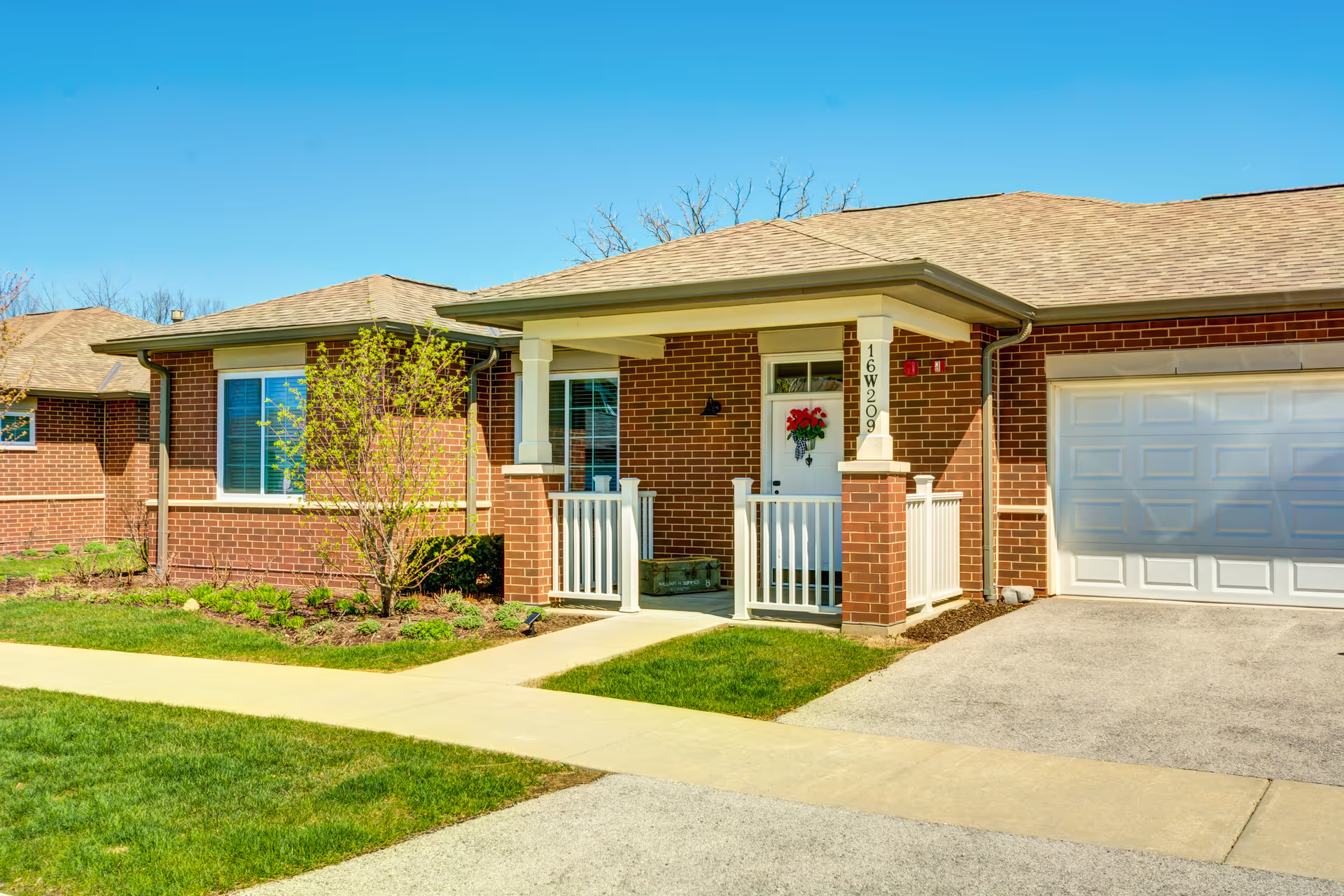
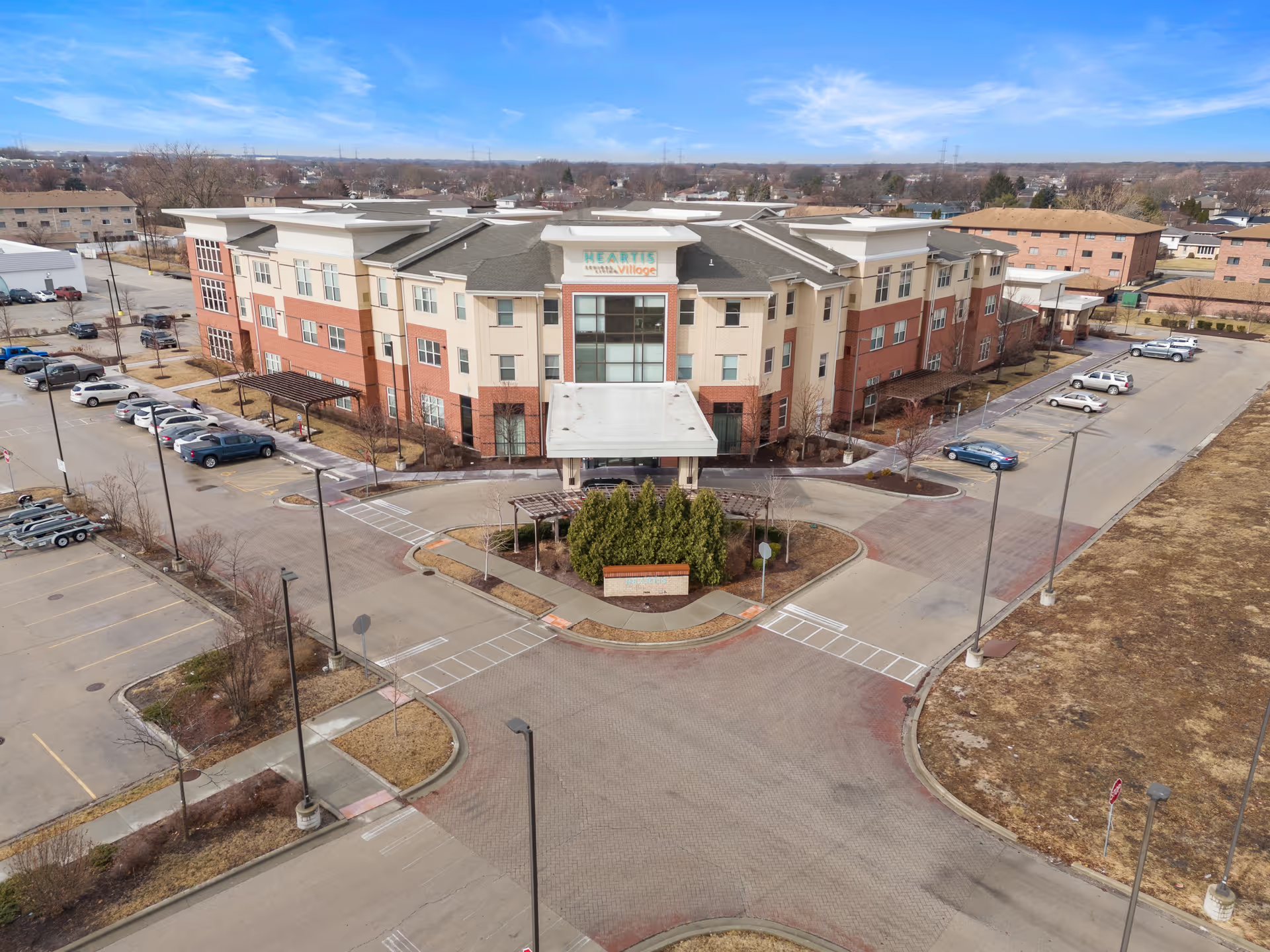
Facilities, dining, and activities are frequently highlighted as strengths. The campus is described as modern and well maintained, with clean rooms, private-room options, and a hospitable dining experience. Life-enrichment activities and therapy spaces are seen as assets for resident engagement and rehabilitation. Noted facility-level weaknesses include occasional sanitation or cleanliness issues in specific areas, security lapses for personal belongings, and variable access control in some independent-living spaces.
For prospective residents and family members: Victorian Village offers many of the operational elements families seek—compassionate direct care, rehabilitation services, attractive dining, and an active activities program—but there is variability in how consistently those elements are delivered. When evaluating the community, ask about current staffing ratios and turnover, medication administration and documentation procedures, therapy scheduling consistency, fall-prevention protocols, personal-property policies, and infection-control measures. Confirm how management communicates after incidents and what escalation routes exist for clinical concerns to ensure expectations align with on-the-ground practice.