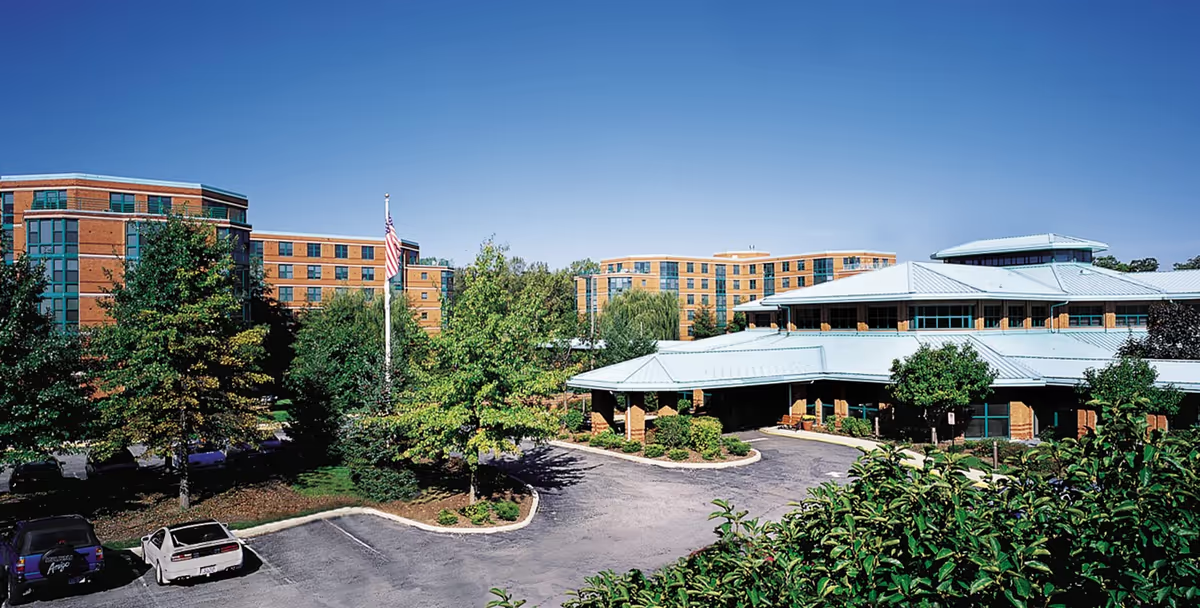
Plymouth Place is described by many reviewers as a large, well-appointed non-profit continuing-care community with a broad range of amenities and services. Strengths frequently cited include an attractive, well-maintained campus with gardens and walking trails; numerous indoor amenities such as a pool, libraries, wood shop, and rooftop deck; a variety of on-site services (barber, gift shop, coffee shop, heated garage); and multiple dining venues that many residents characterize as appetizing and homey. The community offers a full continuum of care—independent living through skilled nursing and rehab—which reviewers praise for convenience and continuity of services. Programming is extensive, with robust cultural offerings (live music, orchestra and opera visits), fitness and therapy classes, clubs, volunteer opportunities, and frequent social events that support active resident engagement and peer socialization.
Care and staffing are described in mixed terms. Numerous families and residents describe compassionate, long-tenured caregivers, strong rehab and wound-care outcomes, and helpful concierge/admissions staff that ease transitions. At the same time, there are recurrent operational concerns: reviewers describe inconsistent medication administration, variability in staff responsiveness to resident needs, and uneven clinical handoffs. A subset of reviews raise serious individual allegations regarding medication errors and injuries; while these appear to be less prevalent than positive care accounts, they represent significant concerns that prospective families should investigate further. Additional operational themes include gaps in timely family communication and inconsistencies in personal-care and incontinence practices.
Management and financial structure are also recurring themes. The non-profit mission and engaged resident governance receive praise, but several reviewers express a perceived emphasis on revenue, high entrance fees, and substantial monthly costs. Administrative responsiveness and tone are described variably—some families report attentive, accessible leadership and strong guidance from specific staff, while others report difficulty obtaining callbacks or unsatisfactory responses to complaints. Physical-layout concerns are noted in places: some units and public corridors are described as compact, and parking can be limited during peak times.
For prospective residents and families: Plymouth Place offers a wide range of amenities, active programming, and a continuum of clinical services that many residents find transformative. However, because reviews show notable variability in clinical consistency, responsiveness, and staff professionalism, an in-person due diligence process is advisable. Suggested steps include touring multiple care areas and apartments at different times of day, observing mealtimes and activity periods, asking detailed questions about medication-administration protocols, staffing levels and handoff procedures, incident reporting and family-notification practices, wound and rehab-care capabilities, and reviewing contract and fee structures. Confirming recent regulatory or inspection records and seeking references from current residents or families can help clarify which aspects of care and operations are most consistent with your priorities.