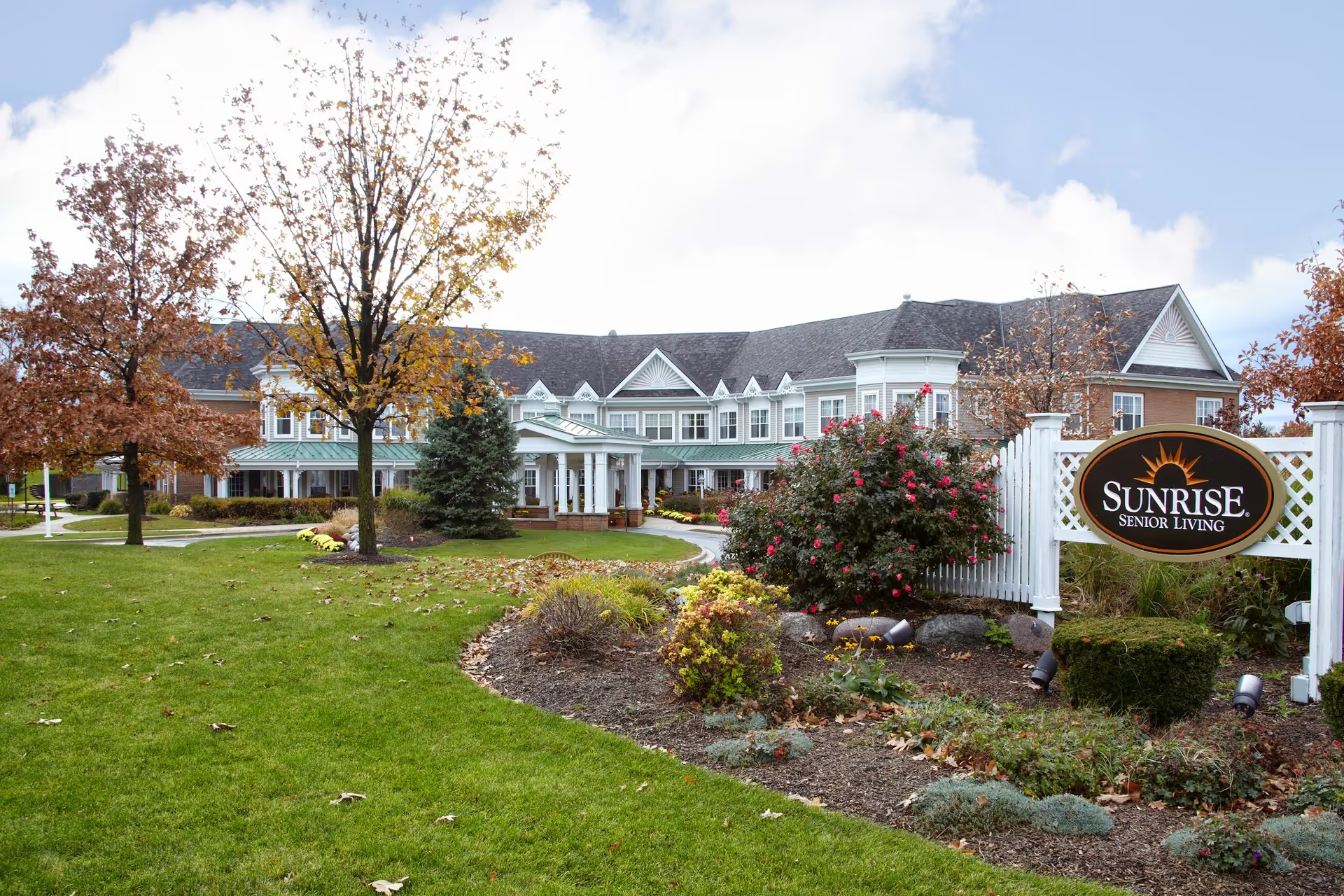
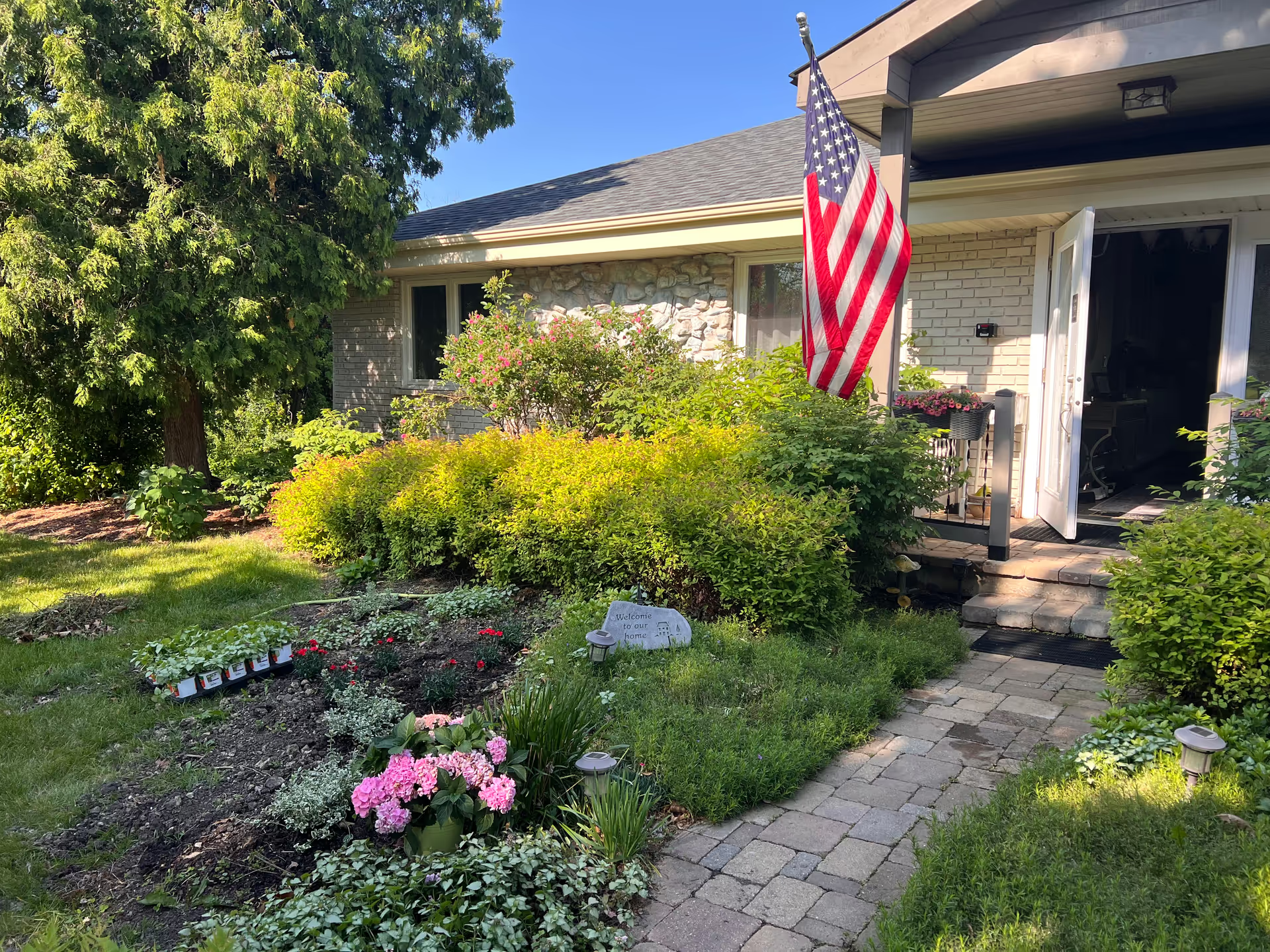
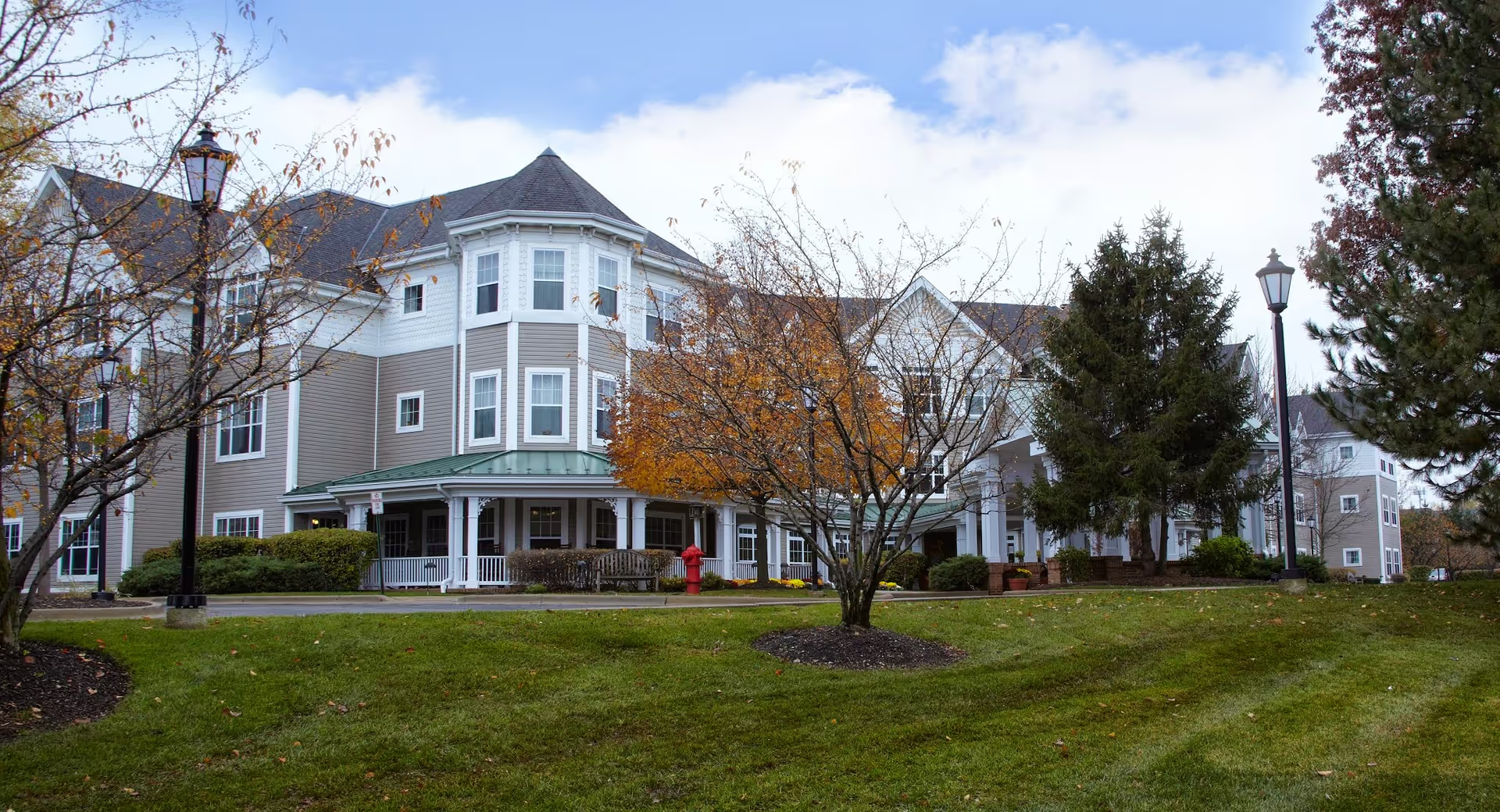
Alvernia Manor presents as a small, faith-based assisted living community with a strong emphasis on compassionate, hands-on caregiving and spiritual programming. Reviewers consistently highlight a caring culture led by devoted staff and religious leadership, frequent opportunities for worship (daily mass and rosary), and a range of social and recreational offerings such as gardening, crafts, and group activities. The facility’s smaller scale is described as creating a home-like environment where staff can provide personalized attention and where residents and families often feel a warm, sincere atmosphere.
Care quality and staffing are described in mixed terms. Many families praise the dedication of nurses, CNAs, and other caregivers who are described as kind and hardworking; staff knowledgeability and prompt response to call buttons are noted as strengths. However, recurring operational concerns relate to clinical staffing levels and overnight coverage—examples cited include very limited nurse/CNA presence on shift. Relatedly, reviewers caution that the community functions as an assisted living setting rather than a secured memory-care unit: wandering-prevention measures and other memory-care infrastructure are limited. Several accounts suggest that residents with more advanced assistance needs may exceed the facility’s typical scope of services, creating a potential mismatch between resident needs and available care.
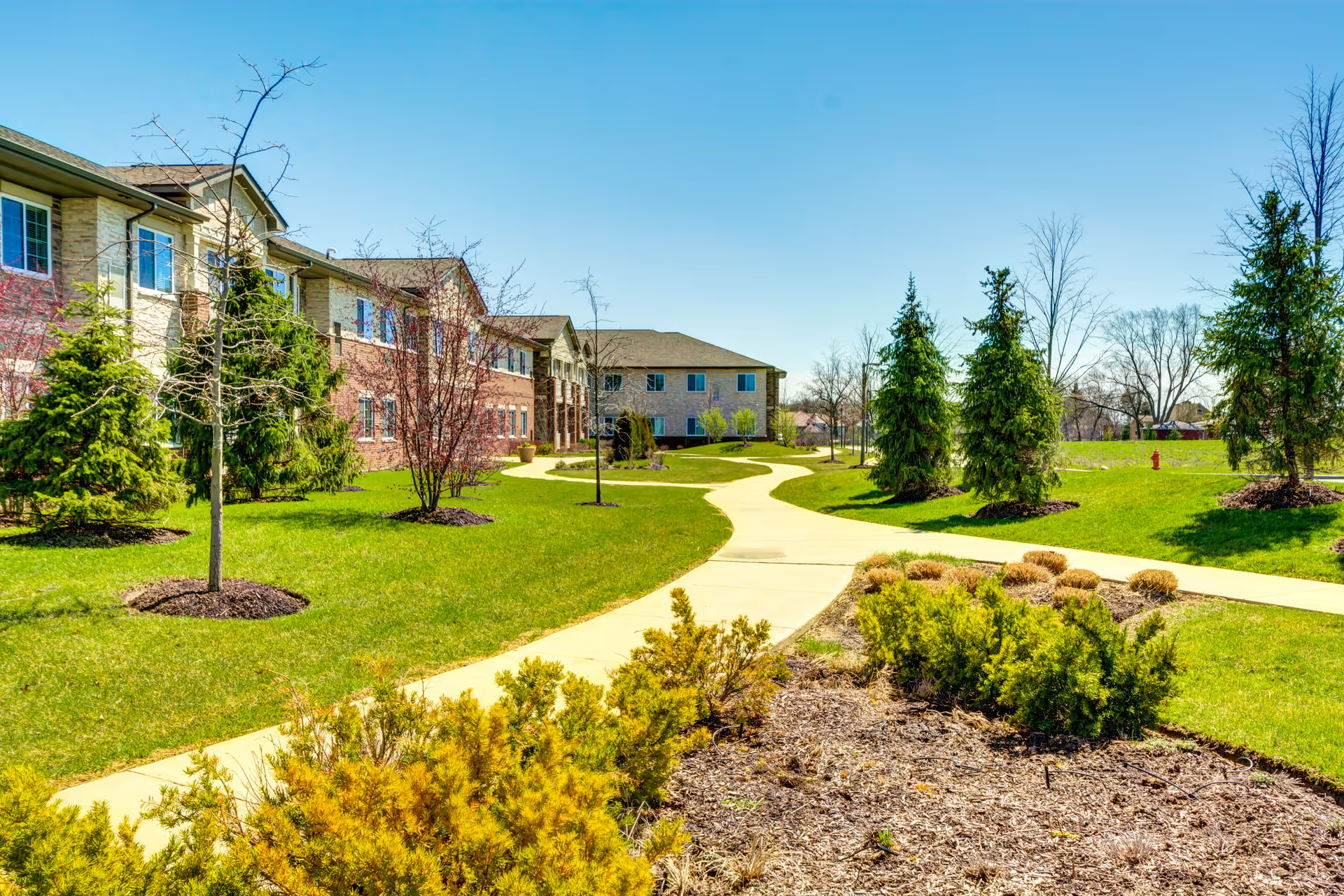
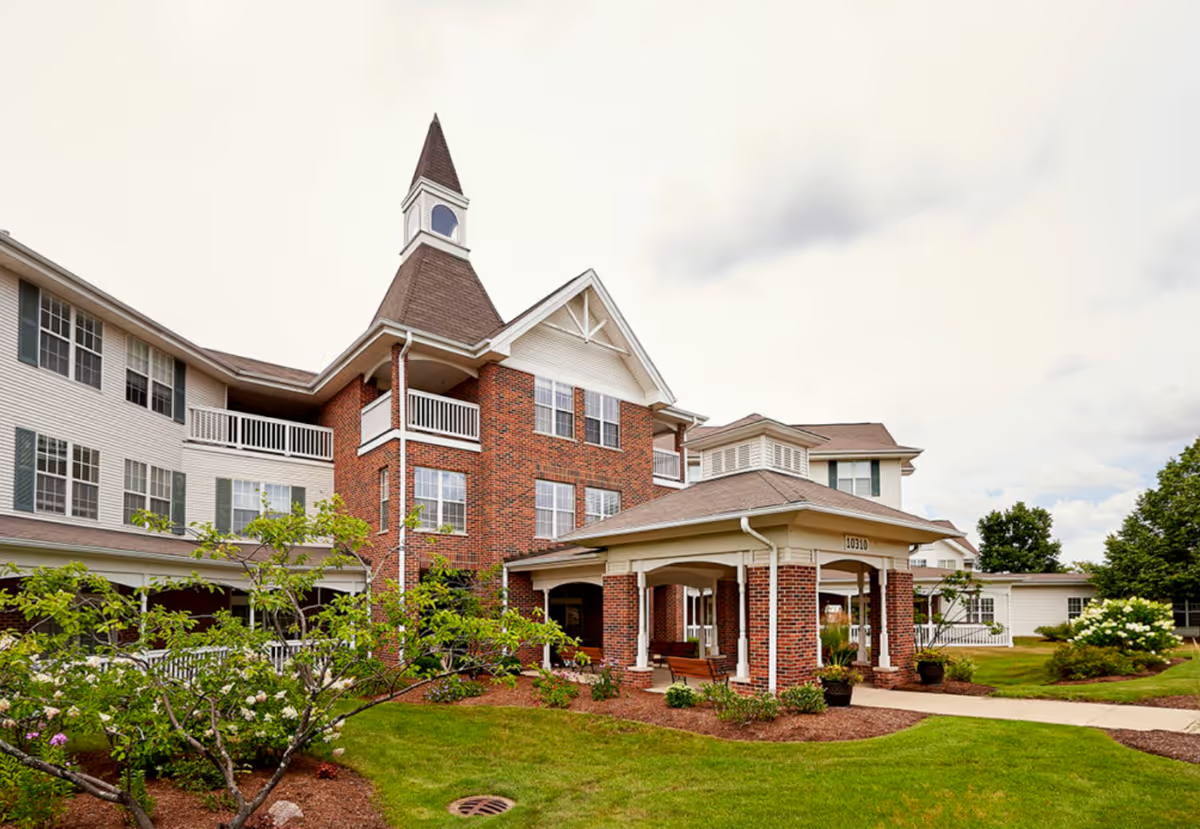
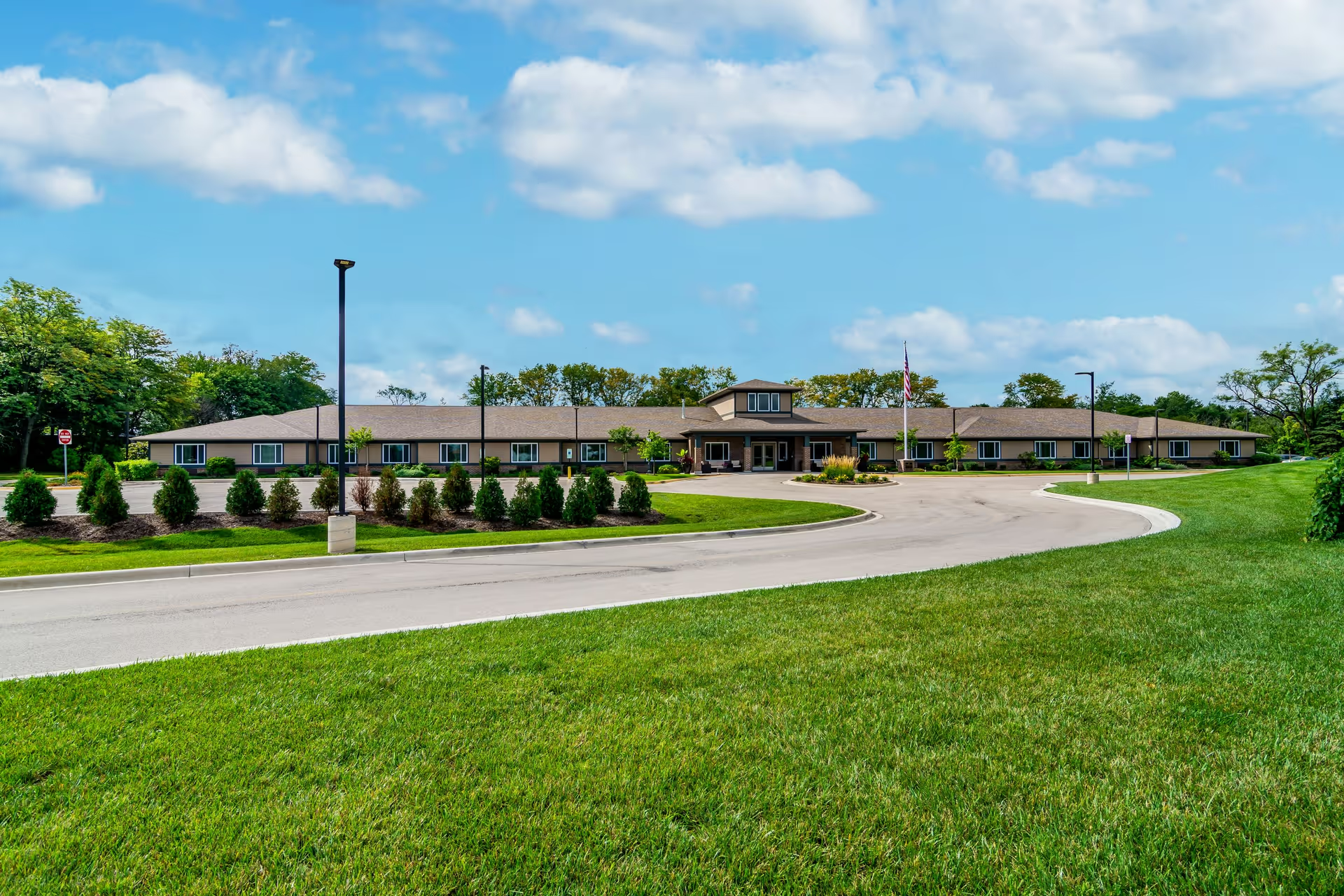
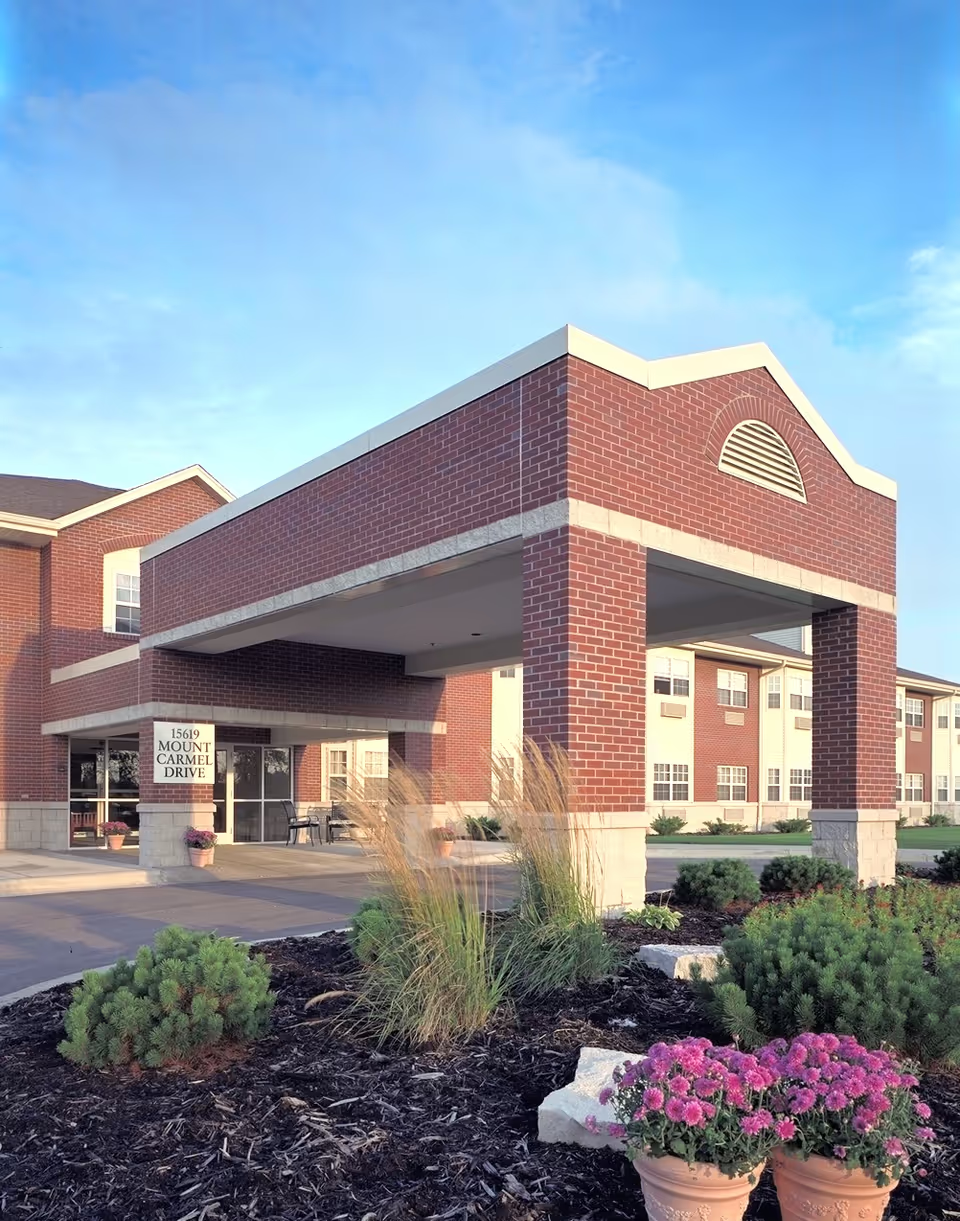
Dining and activities are consistently identified as positives. Meals are described as high quality and varied, and the activity schedule is plentiful and faith-integrated. The programmatic offerings and communal meals contribute to a social, retreat-like ambiance that many families and residents find appealing. Common areas and grounds receive frequent praise for cleanliness and upkeep, and the building is described as pristine and well-maintained.
Facility layout and accommodations merit careful consideration. While common spaces and overall sanitation are praised, some units have small, dorm-style rooms and limited access to en-suite bathing—bath/shower locations down the main hall were cited as a practical limitation for some residents. Admission rules that favor ambulatory residents were also mentioned, which may restrict suitability for those with declining mobility.
Management and administrative patterns are an area of variability in the reviews. Several families expressed concerns about leadership stability, clarity around capacity and resident moves, and gaps in family communication or support during transitions. There are also isolated comments about inconsistent staff communication tone; while many staff are described as loving and respectful, some families reported occasions where interactions felt infantilizing. These elements suggest prospective residents and families should clarify policies and staffing expectations up front.
Recommendations for prospective families: verify current staffing ratios and overnight coverage, confirm the facility’s licensing and whether it provides secured memory care if needed, inspect room layouts and private-bath availability, and ask about admission and transfer policies. Also discuss how the community communicates with families and manages residents whose care needs increase over time. Overall, Alvernia Manor appears to offer a compassionate, faith-centered environment with strong programming and well-maintained facilities, but families should confirm operational details to ensure alignment with the prospective resident’s care requirements.