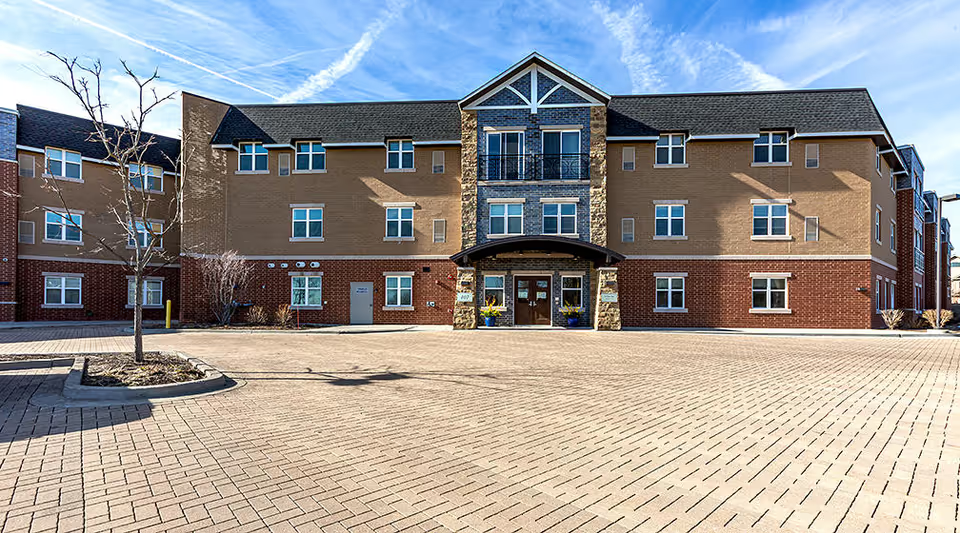
Reviews present a polarized picture of Lemont Nursing and Rehabilitation Center: a consistently praised rehabilitation program and therapy team sit alongside recurring operational concerns in nursing care, staffing, and facility management. Physical, occupational and speech therapy receive frequent commendation for clinical skill, responsiveness, and successful short‑term outcomes. Families often describe measurable functional gains, timely therapy sessions (including weekend availability in some cases), and attentive therapists who support discharge planning.
At the same time, reviewers describe inconsistent bedside nursing and aide performance. The pattern is one of variability rather than uniform failure: some families identify specific caregivers and shifts as attentive and professional, while others describe long delays responding to call lights, missed medications or delayed medication administration, and lapses in bathing, repositioning, and skin‑integrity protocols that raise safety concerns. Several accounts note dependence on agency staff or frequent turnover, which reviewers link to inconsistent knowledge of resident histories and care plans.
Dining and nutritional services are another area of mixed feedback. The therapy‑and‑rehab population benefits from individualized texture modifications and some menu accommodations, and certain guests praise the dining staff and specific menu items. Conversely, a notable number of reviews describe cold or processed meals, inconsistent availability of preferred items, and slow tray delivery. These service inconsistencies are described as contributing to weight loss or reduced intake for some residents.
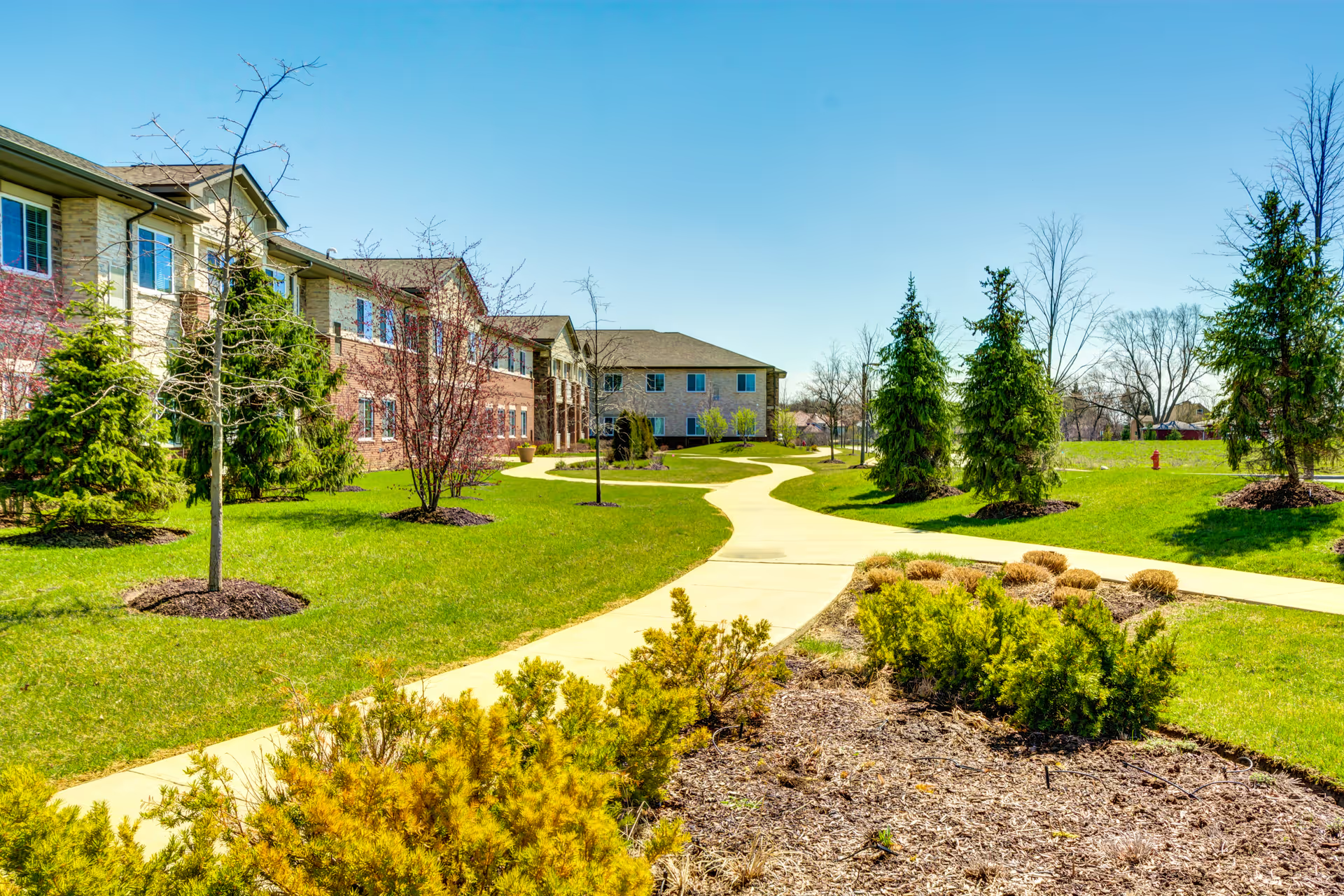
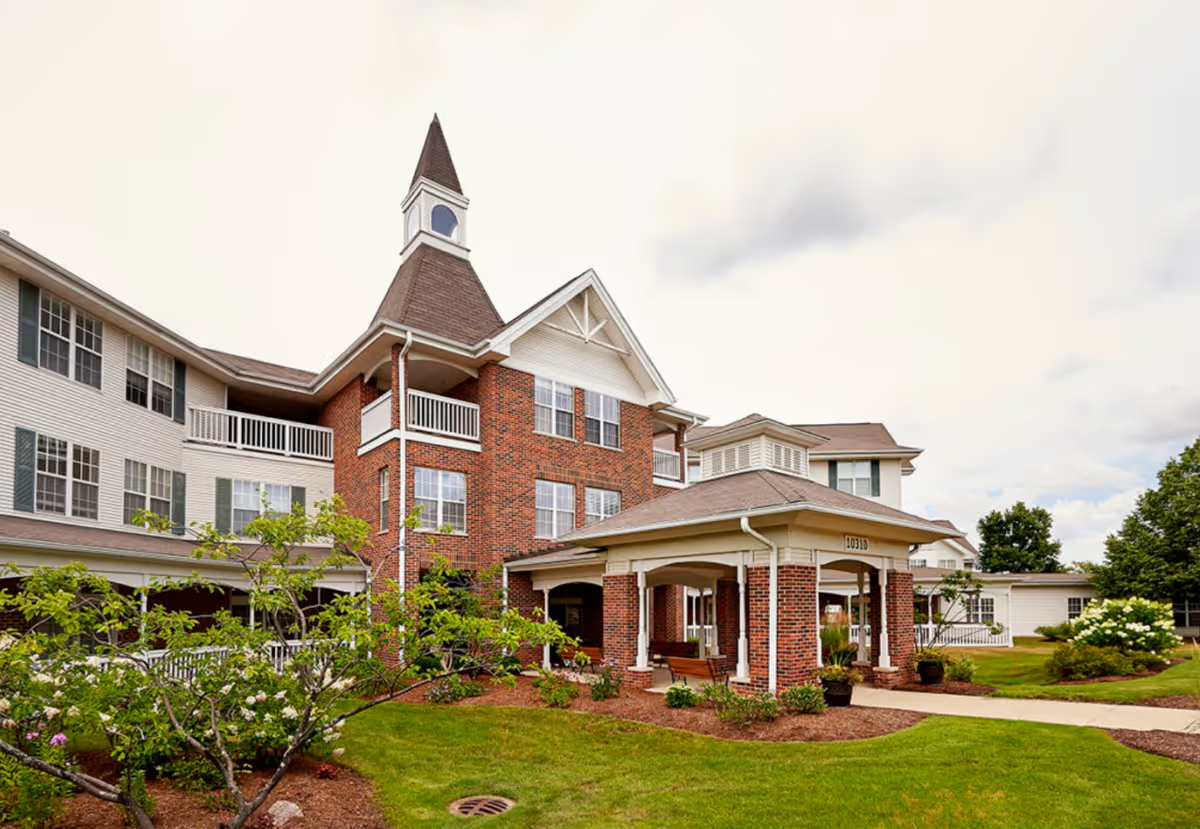
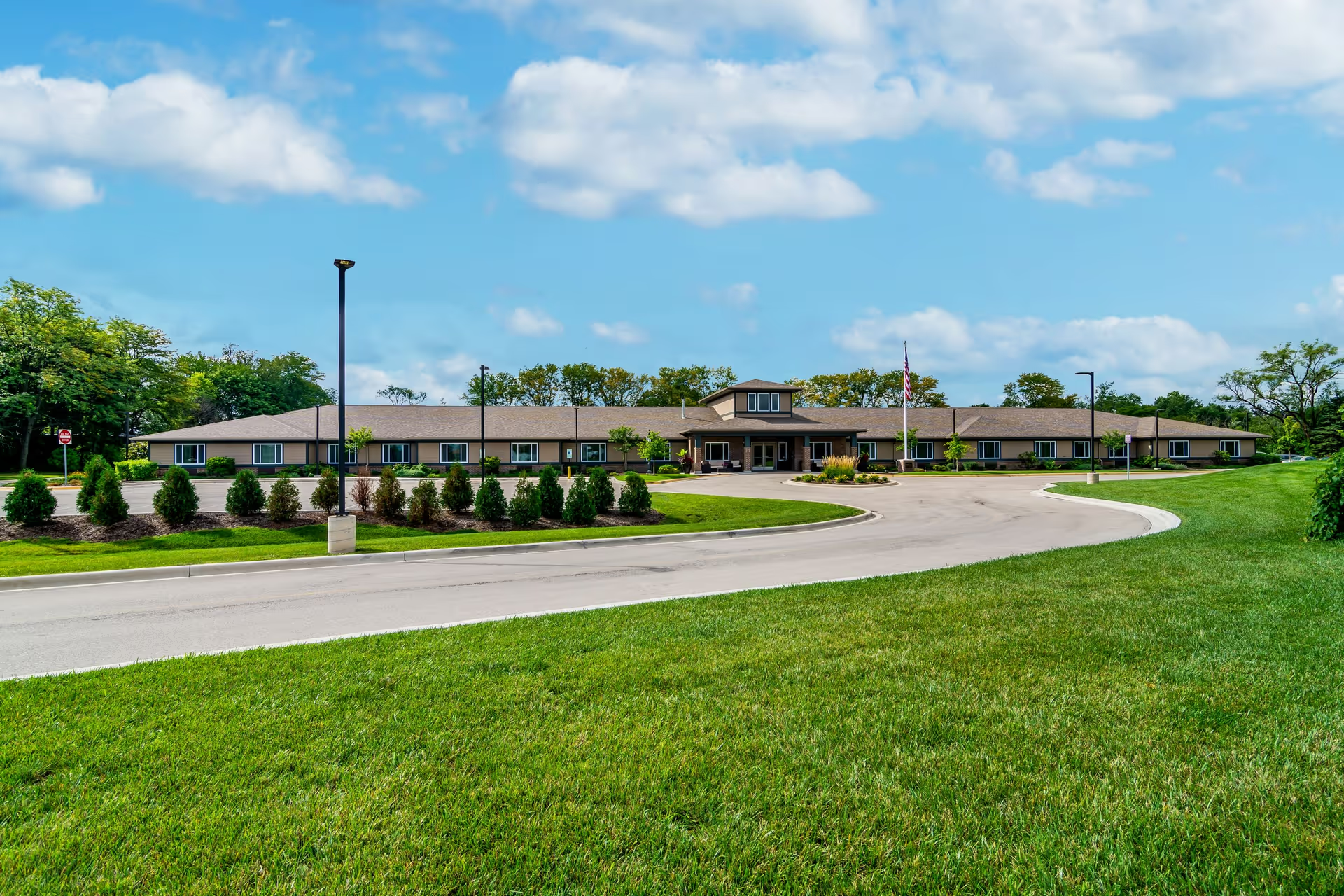
Facility condition and activities likewise produce split impressions. Many reviewers praise clean, comfortable private rooms, common areas, and amenities such as a patio, beauty salon, and an on‑site ice cream parlor; housekeeping and maintenance staff are singled out positively in many reports. However, there are recurring sanitation and odor‑control concerns in certain wings or units, and some families report uneven cleaning and environment management across the building.
Management and communication emerge as key themes. Positive experiences include helpful social work, proactive admissions coordination, and responsive maintenance. Countervailing issues include inconsistent follow‑through by administration, difficulties obtaining timely test results or nursing updates, visitor restrictions handled in a way families found rigid, and several accounts of problematic discharge and billing processes. There are also isolated but serious allegations relating to financial and billing irregularities that some families pursued with external agencies.
Overall pattern: Lemont appears to deliver strong, rehabilitation‑focused clinical services with a therapy staff that families trust, but it also exhibits operational weaknesses that affect long‑term nursing care, meal delivery, hygiene schedules, and communication. Prospective residents and families seeking short‑term rehab with intensive therapy may find the facility well suited; those considering long‑term placement should carefully evaluate nursing‑shift consistency, sanitation practices in the specific unit, medication and wound‑care protocols, billing procedures, and visitation flexibility. When possible, arrange direct conversations with the unit manager, observe care during different shifts, and confirm written policies for medication administration, skin‑integrity protocols, and billing/discharge procedures before placement.