Overall impression: Reviews present a mixed picture. Positive observations focus on the physical environment and front-line staff demeanor, while significant operational concerns relate to admissions practices, communication at intake, and the consistency of day-to-day clinical and personal-item management. Prospective residents and families should weigh the facility’s apparent strengths in housekeeping and atmosphere against reported gaps in care coordination and administrative flexibility.
Care and staff: Several accounts describe staff as friendly and willing to help, which suggests a generally courteous front-line workforce. At the same time, reviews indicate inconsistencies in care delivery and responsiveness to resident needs; families described delays in attention and difficulty getting full, respectful engagement of clinical staff. There are also specific concerns about how resident information is handled at intake and during care transitions, which may affect individualized care plans and continuity. Ask about staffing ratios, handoff procedures, and how the facility documents and communicates individualized care needs.
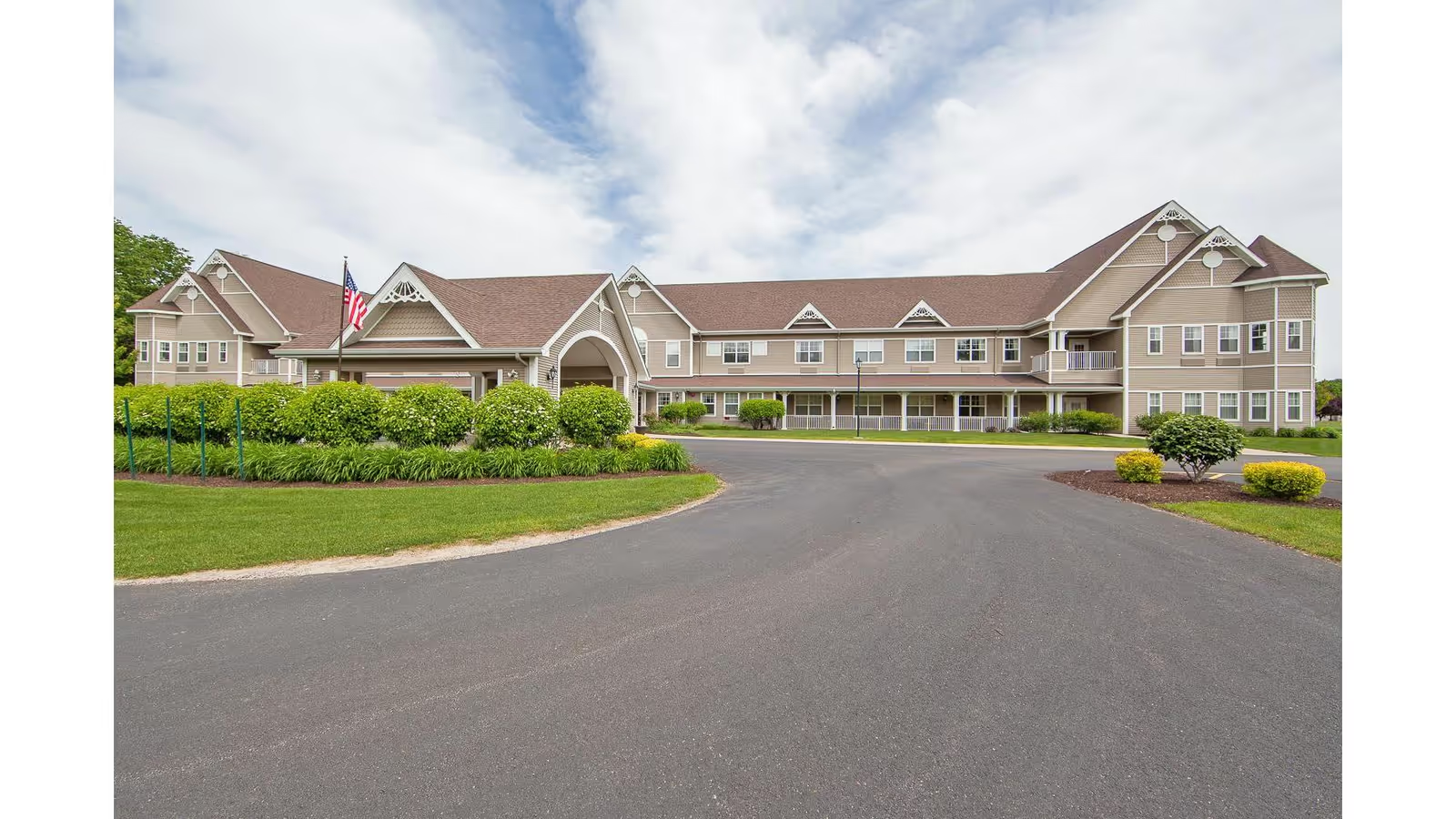
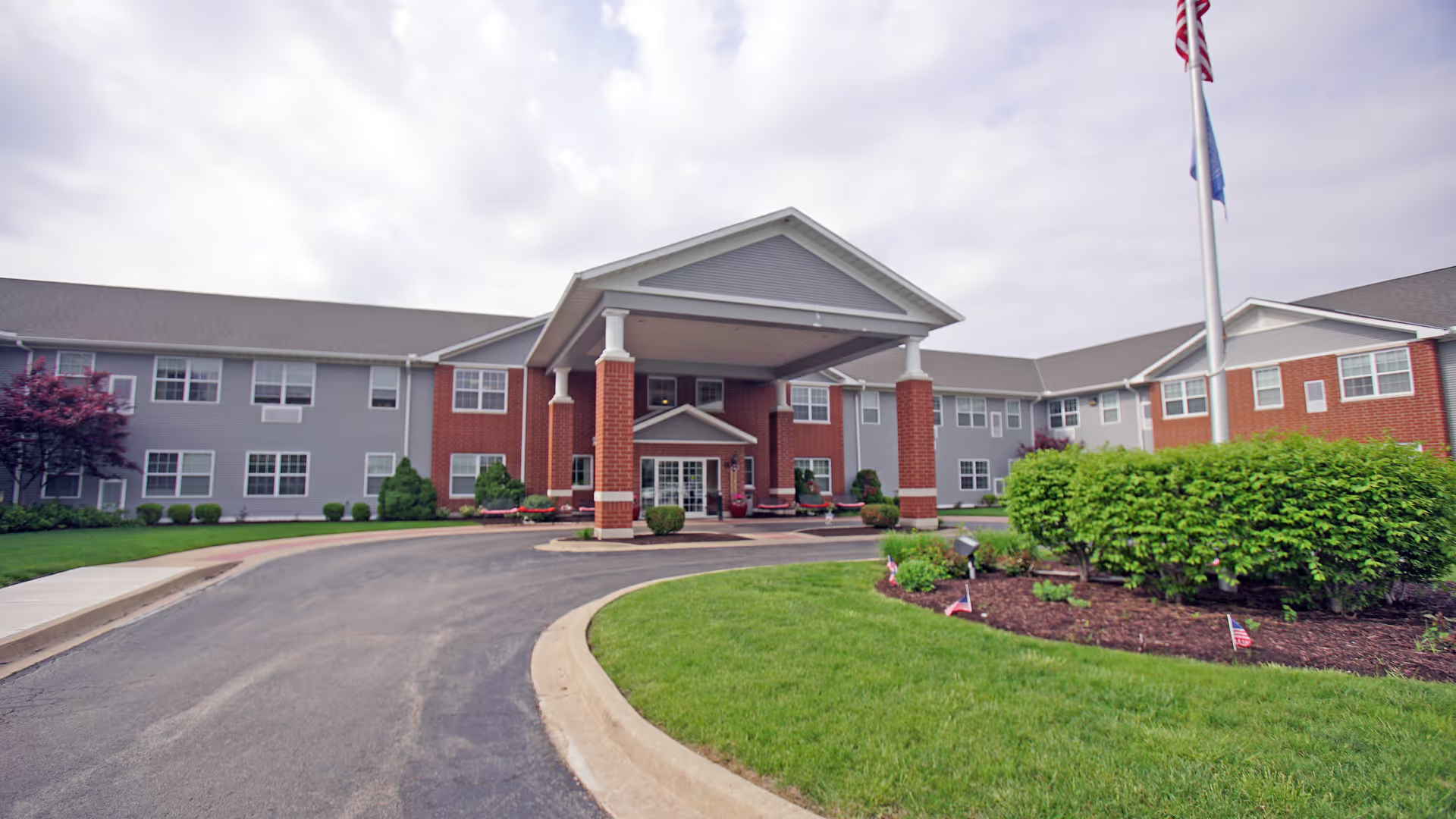
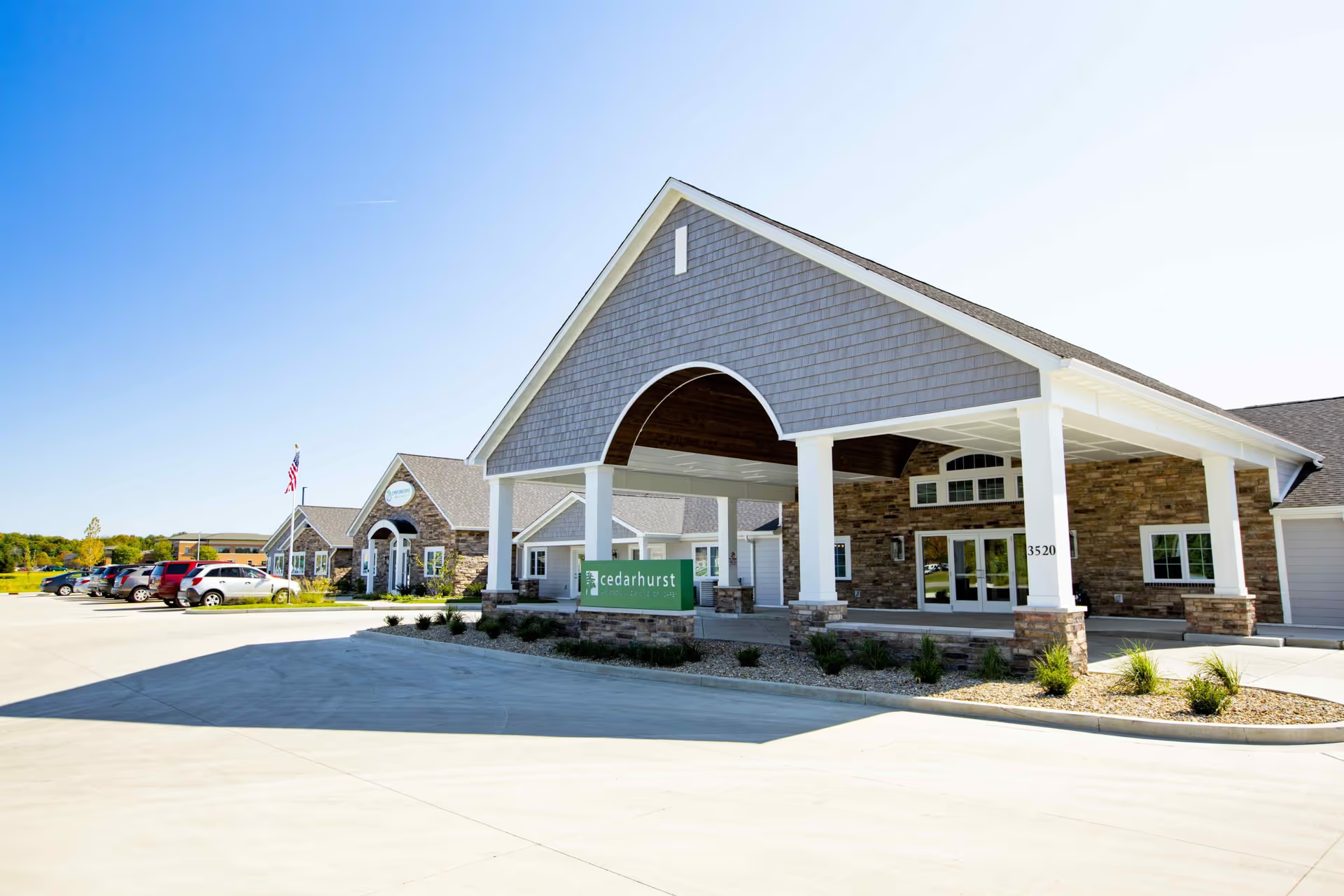
Facilities, dining, and activities: The facility is consistently described as clean and free of noticeable odors, indicating basic environmental and housekeeping standards are being met. Reviews provided little detail on dining quality, menu variety, or activity programming; absence of comments is not a positive endorsement. Families should request sample menus, activity schedules, and opportunities to observe meal service and programming during a visit to assess fit for daily life and engagement opportunities.
Management and notable patterns: Reviewers raised concerns about an inflexible admissions policy for residents with dementia or anxiety and a dismissive approach to patient information at intake. There is also a pattern suggesting the facility may favor lower-acuity admissions, which could affect transparency around who the facility is prepared to serve. Recurring mentions of lost or mishandled personal items point to gaps in property tracking and storage processes. These items collectively suggest areas for management improvement—particularly around admissions transparency, communication protocols, and personal-property controls. Prospective families should ask for written admission criteria, examples of how complex-care needs are supported, the facility’s grievance and appeal process, and documented procedures for property management.
Recommendation: The reviews warrant a targeted on-site visit and direct questions to leadership about staffing, admission policies, care-plan documentation, property management, and opportunities to observe routine care and activities. This will help determine whether the facility’s strengths match the specific clinical and social needs of a prospective resident.