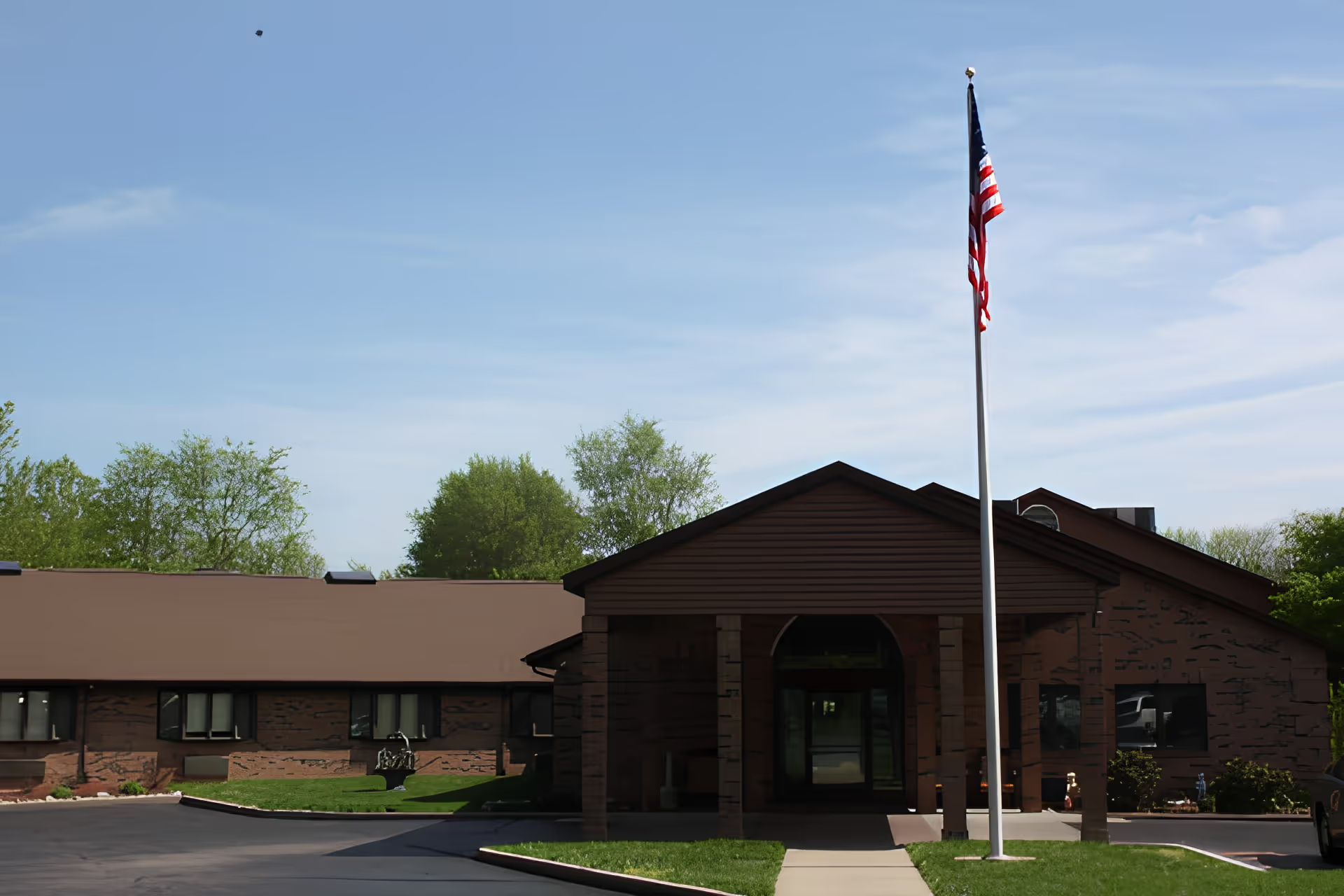
Reviewers present a largely positive portrait of Vonderlieth Living Center, highlighting consistent strengths in caregiving, therapy, and facility upkeep. Many families emphasize a family-style culture: staff are described as compassionate, attentive, and familiar with residents’ names and preferences. The nursing and therapy teams receive repeated praise for effective short-term rehabilitation outcomes and for helping residents regain function. Long-tenured CNAs and visible continuity of caregivers are associated with better family confidence and perceived safety.
Clinical care is a prominent strength in many accounts: skilled therapists, a responsive medical director, and routine care-planning meetings are cited as contributing to good outcomes. Communication with families is frequently described as proactive, with unsolicited updates and regular coordination. Hospice and end-of-life support are also noted as areas where staff provide thoughtful, individualized attention.
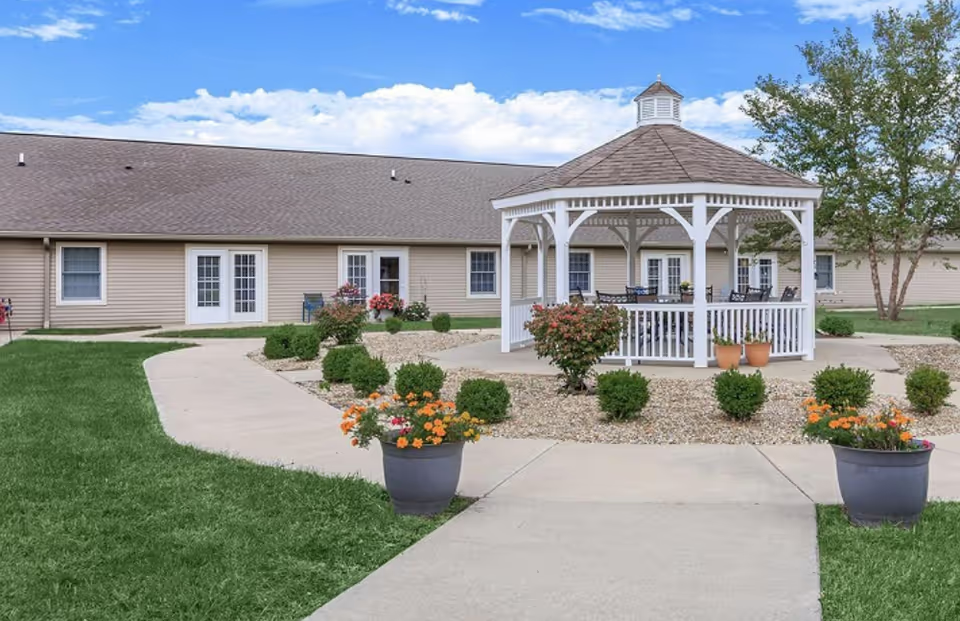
Dining and activities are consistent positive elements. The facility is described as offering nutritious meals, family-style dining, and accommodations for special diets. Reviewers note an active calendar of events and opportunities for family participation that help residents stay engaged. Common areas and visiting rooms are characterized as comfortable and welcoming for relatives.
Facility maintenance, laundry, and cleanliness are commonly commended; many accounts contrast the center’s upkeep positively against other local options. At the same time, a set of operational concerns recurs across reviews. Several families describe intermittent understaffing and periodic use of agency personnel, which can disrupt continuity of care. There are also comments pointing to inconsistent administrative leadership and variability in communication tone and responsiveness from management.
More serious issues appear in a smaller subset of accounts and merit attention: these include gaps in medication administration and incident reporting, concerns about clinical oversight during complex medical events, a history of regulatory citations and fines, and allegations of staff theft and financial misconduct. Additionally, some families described infection-control practices that resulted in prolonged isolation periods, which they felt had negative effects on resident well-being and mood.
For prospective residents and families, the balance is between a facility that demonstrates strong rehabilitative care, compassionate day-to-day caregiving, and well-kept physical spaces, against operational vulnerabilities that include staffing variability, leadership inconsistency, and isolated but serious compliance and conduct concerns. A suggested approach is to tour in person, observe staffing levels on different shifts, ask for details about medication error tracking and recent regulatory actions, clarify financial safeguards, and discuss infection-control policies and how social interaction is preserved during outbreaks or quarantines.