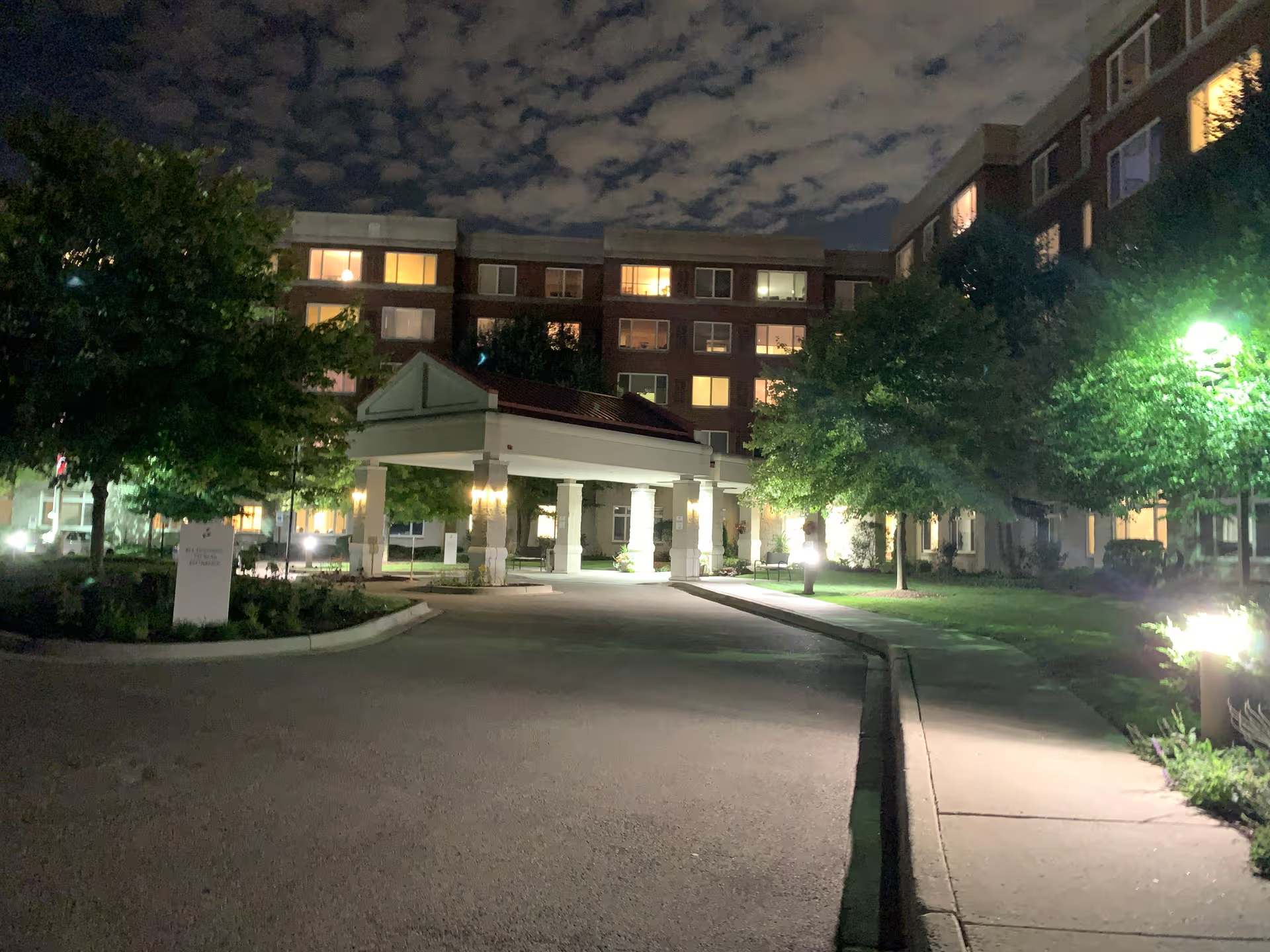
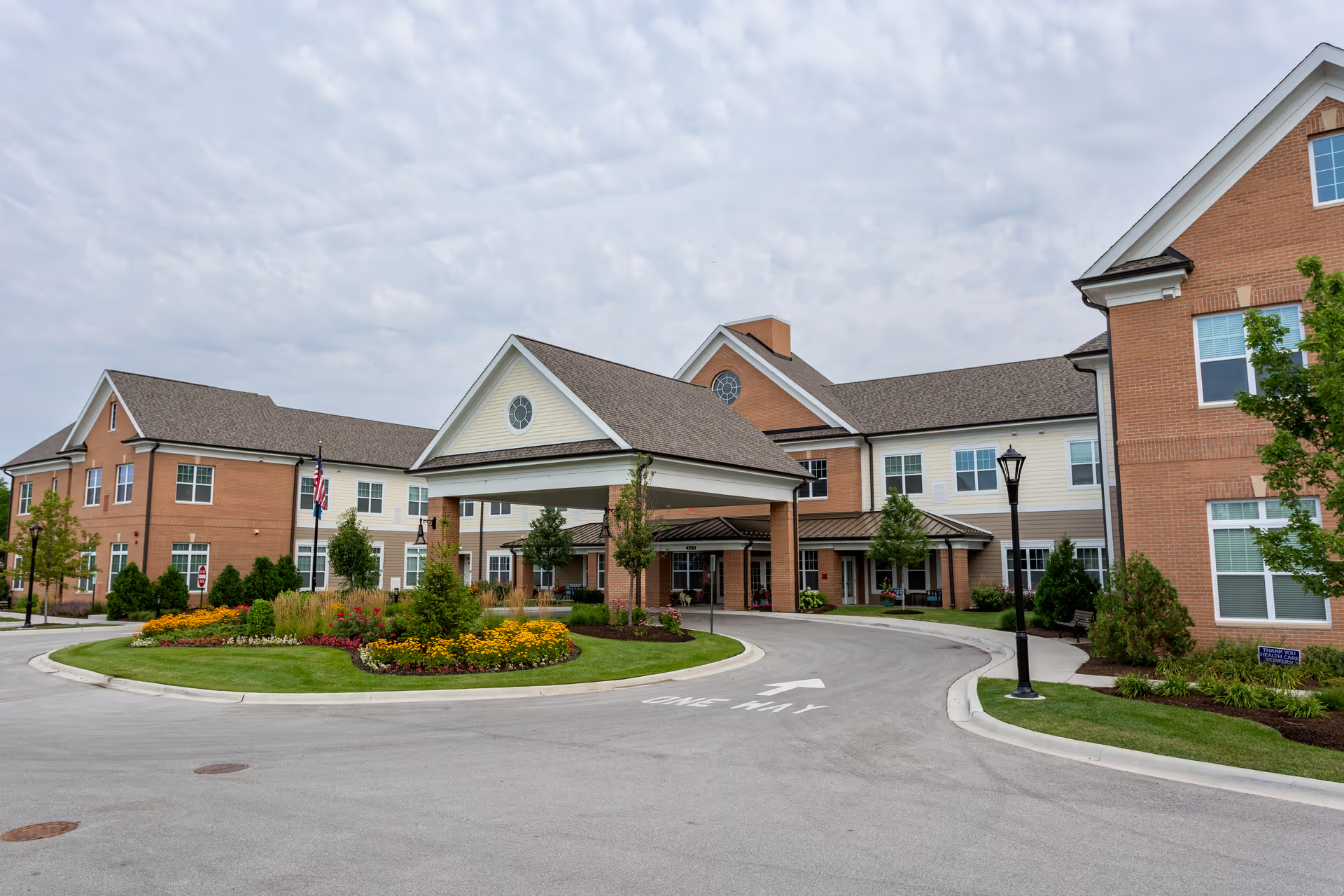
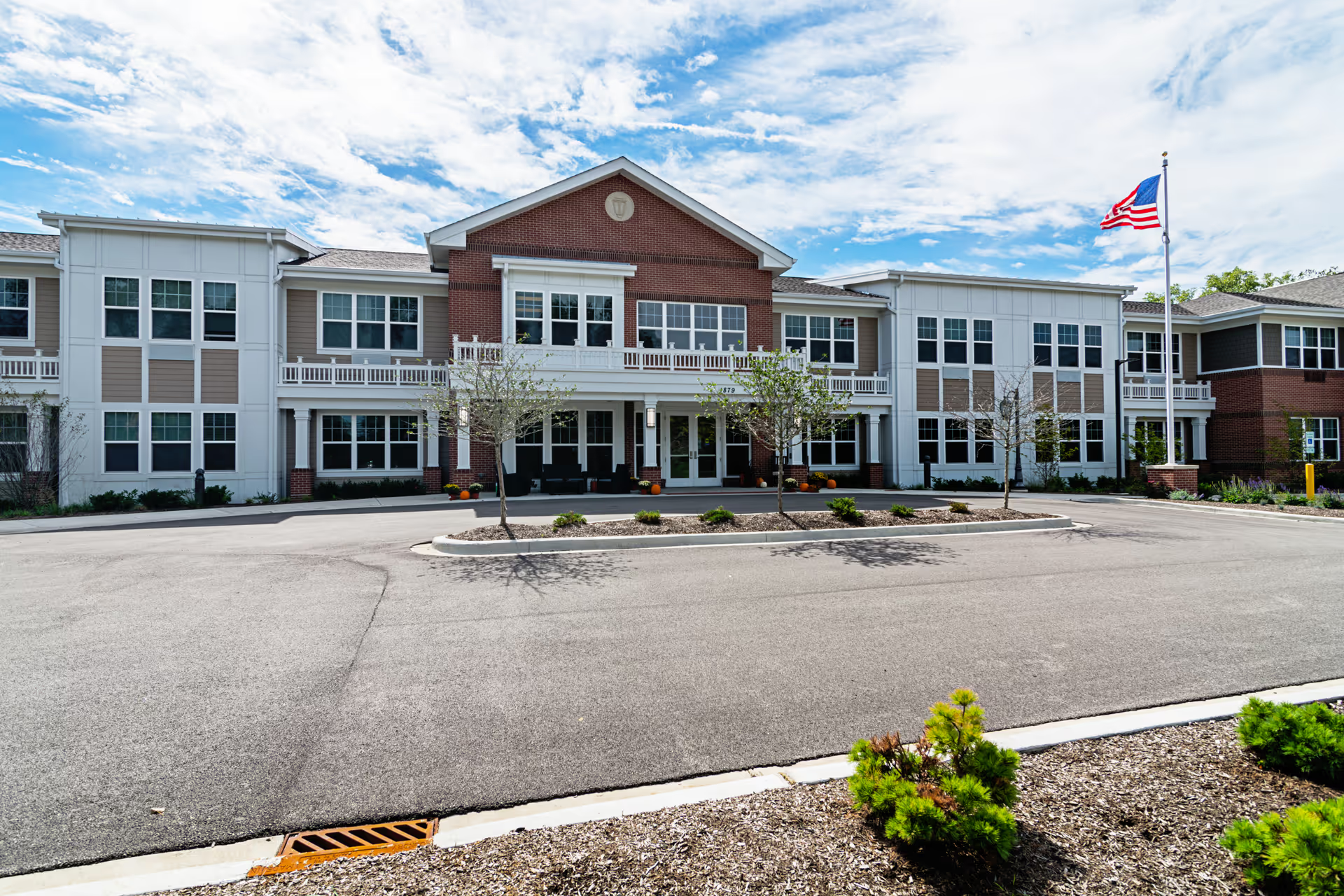
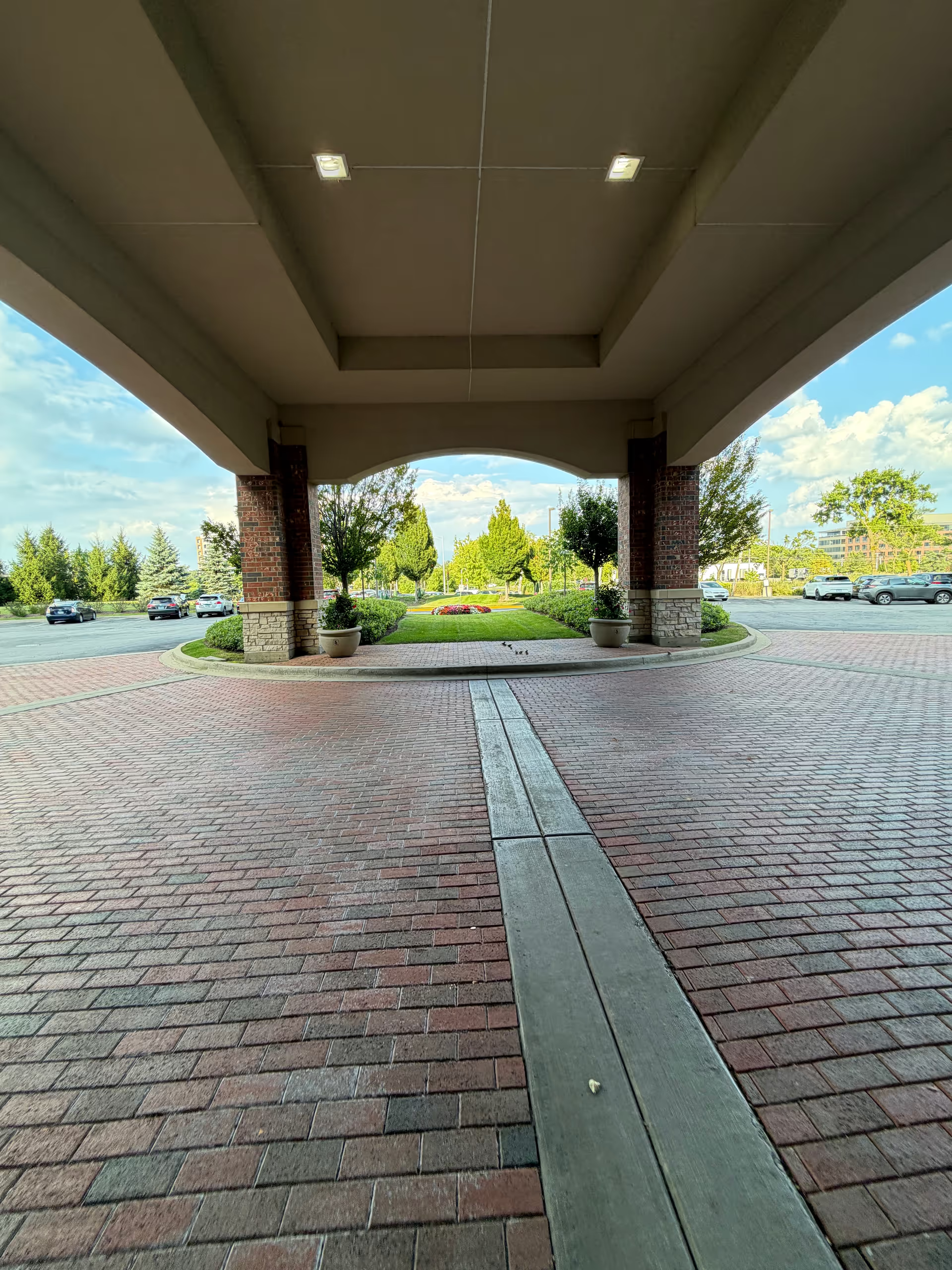
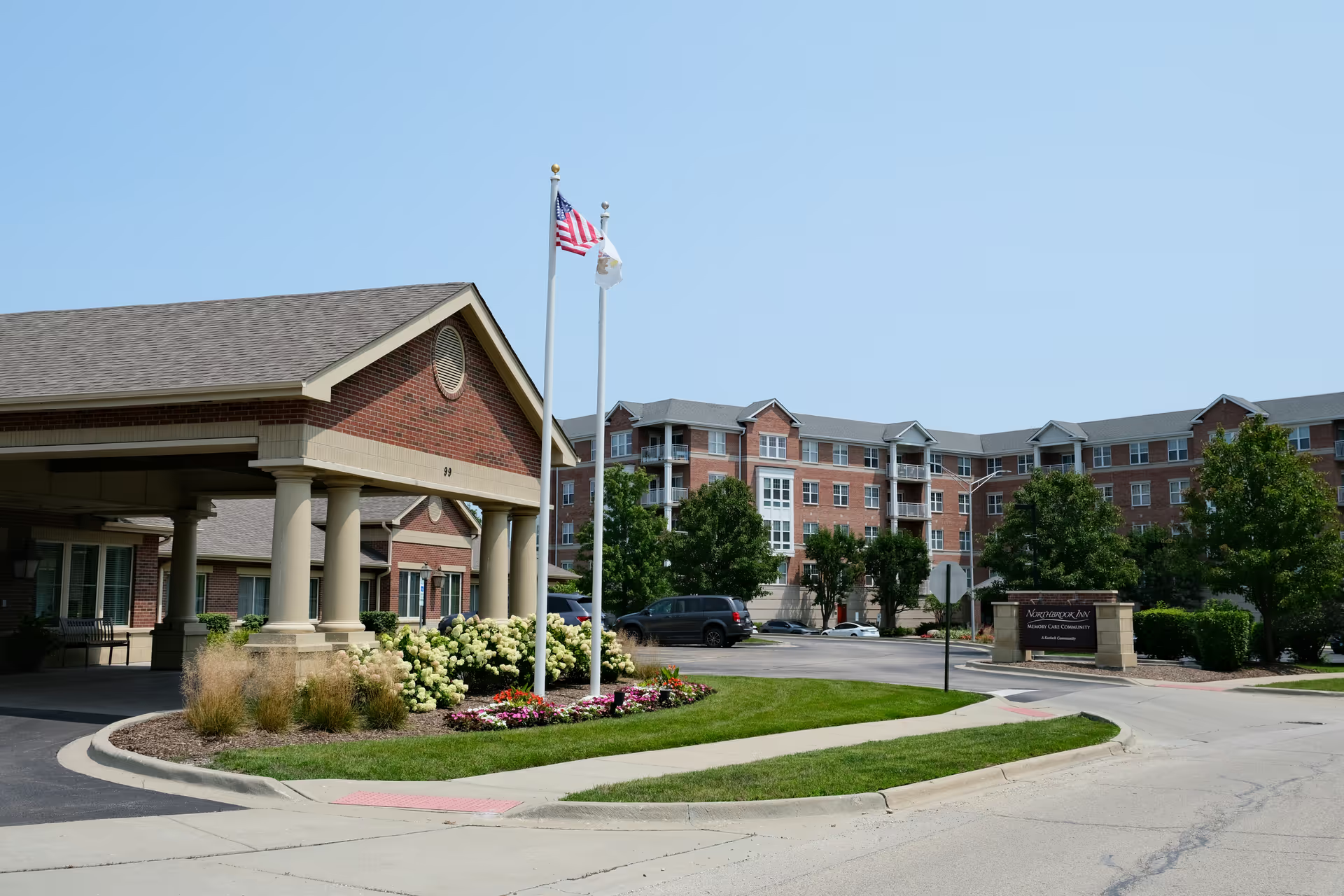
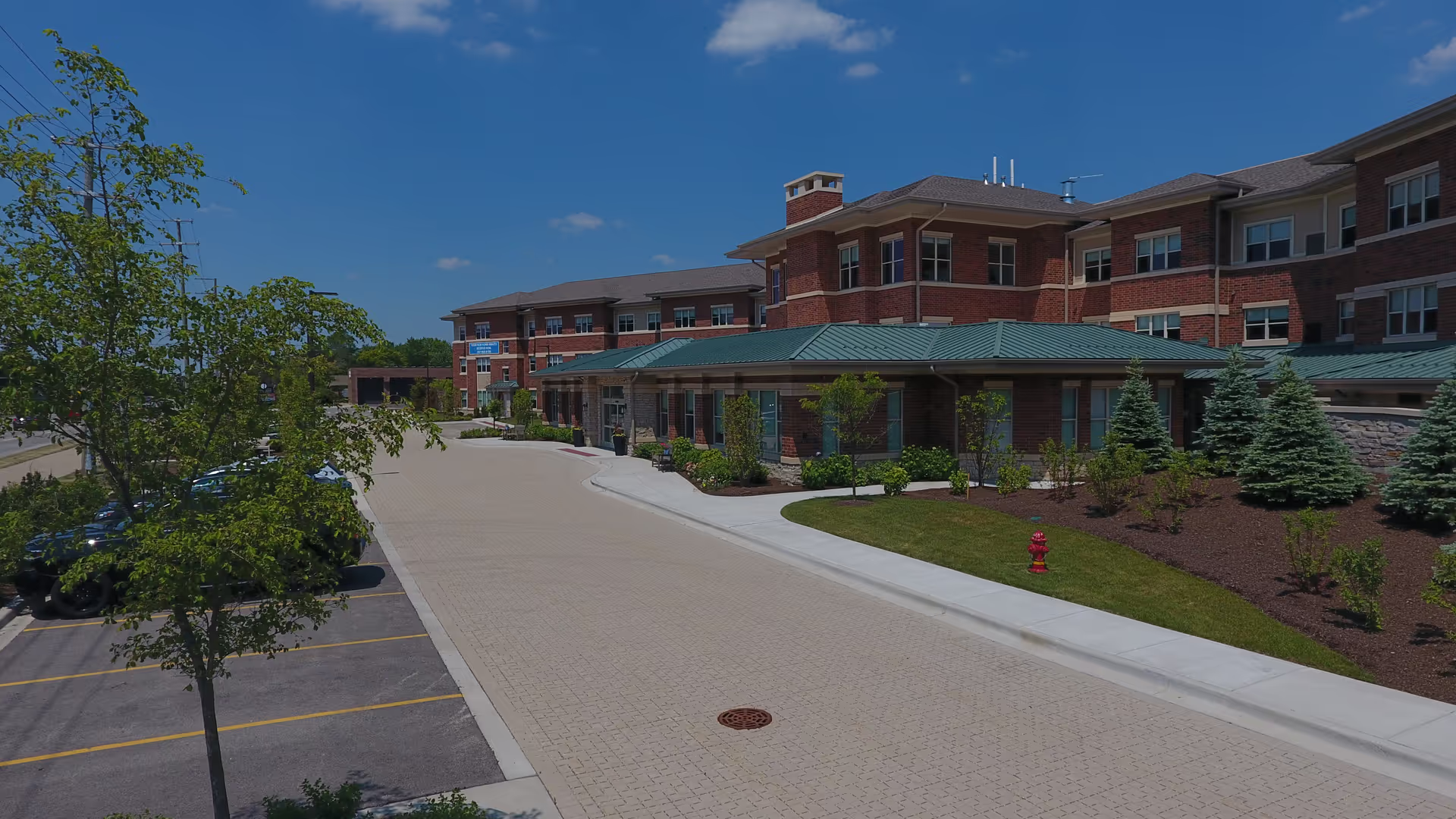
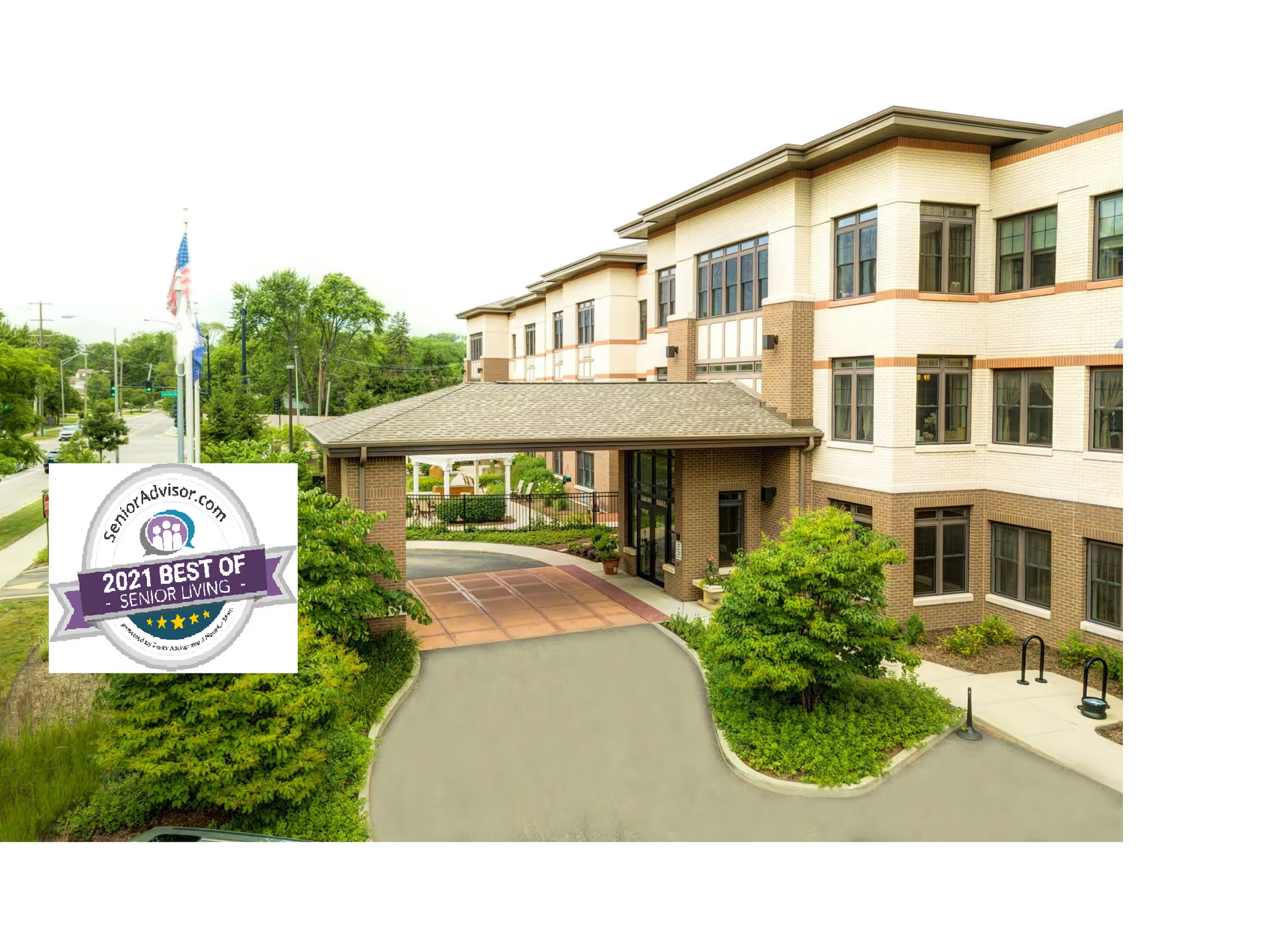
Covenant Living of Northbrook elicits a polarized set of impressions: many accounts emphasize strong interpersonal care, while others raise operational concerns that affect consistency of the resident experience. Positively, the community is frequently described as small and close-knit, with compassionate, skilled nursing and CNA personnel and responsive administrative staff. Families and visitors note a welcoming, lively atmosphere, engaged residents, and well-selected programs. The campus has been renovated and is described as attractive, with a range of on-site amenities and clear, professionally produced informational materials.
Care quality is a mixed picture. Numerous comments praise hands-on caregivers for clinical competence, patience, and strong staff–resident connections. At the same time, there are recurring themes about inconsistent staff professionalism and conduct, and specific operational gaps—most notably in after-hours medication responsiveness and follow-through on promised 24-hour care coverage. Reviewers also raise concerns about personal-care routines and cleanliness management, including inconsistent bathing schedules and laundry oversight; these are operational weaknesses rather than isolated characterizations and merit direct inquiry during a visit.
Dining and programming are likewise variable. Several remarks describe very good, attractively presented meals and mentally stimulating activities delivered by devoted activity staff. Conversely, other observers report below-standard meal experiences, frequent tray-style service, and a perceived decline in the vibrancy of activities. This suggests that meal quality and activity engagement may depend on staffing or scheduling factors; prospective families should sample meals and observe activities in person to assess current consistency.
Facility and clinical services: the community offers a full-service continuum that includes skilled nursing and short-term rehabilitation and has an overall appealing physical plant after recent upgrades. That said, there is no on-site dialysis center, so residents requiring that service must arrange off-premises care. Some reviewers also expressed concerns about safeguards for personal property, indicating potential gaps in how belongings are managed and secured.
Management and organizational patterns show contrasts: some describe responsive administration, while others characterize an operational emphasis on pricing and revenue that affects perceived value, citing high monthly costs and separate meal-plan charges. Several comments link declining consistency to leadership or staffing changes following a name/ownership transition. Communication quality appears inconsistent as well, with both positive and negative reports about how well staff and management keep families informed.
Taken together, the notable pattern is one of high relationship and environmental strengths combined with variability in operational reliability. For prospective residents and families, recommended due-diligence focuses on current staffing levels and turnover, after-hours clinical coverage and medication protocols, bathing and laundry schedules, meal service practices, billing and extra-fee policies, personal-property safeguards, and how the community coordinates off-site specialty services such as dialysis. Observing mealtimes, activities, and a shift change can help validate whether the positive attributes are consistent and whether the operational concerns have been addressed.