The reviews for Elevate Care Northbrook present a highly mixed picture: the facility is repeatedly credited for strong clinical rehabilitation, several individual caregivers and leaders, and an active activity and guest‑services program, while also being criticized for operational and environmental weaknesses that affect day‑to‑day resident experience. Families describe notable clinical successes—effective PT/OT programs, complex respiratory weans, decannulation and wound‑care improvements—alongside persistent, facility‑level issues that merit careful consideration by prospective residents and their families.
Care quality appears to vary by unit and by staff assignment. Multiple accounts highlight skilled therapists, attentive nursing and CNAs, and positive outcomes when consistent staff and resources are available. At the same time, other accounts describe lapses in clinical follow‑through: delayed medication reviews or adjustments, missed or delayed glucose/blood‑sugar checks, and inconsistent coordination of external referrals and rides. There are also several serious clinical events and infection‑related concerns described; these raise questions about infection‑prevention controls and clinical incident response at the facility level.
Staff performance is one of the clearest areas of variability. Numerous reviewers name individual staff who provided compassionate, responsive care and effective communication; these staff are cited as strengths that improve residents’ experiences. Conversely, there are repeated remarks about inconsistent professionalism, concerns about conduct or tone, staff distraction (including frequent phone use), instances of inattentiveness, and evidence of staffing shortages. Together these patterns suggest that resident experience is highly dependent on staff assignment and shift staffing levels.
Dining and activities also show a split profile. The therapy department and activities staff receive frequent praise for engagement and program variety. Several reviewers described meaningful social programming and supportive activity staff. Dining receives mixed feedback: some families praise food and meal service, while others report cold meals, mis‑delivered trays, and inconsistent timeliness of meal service.
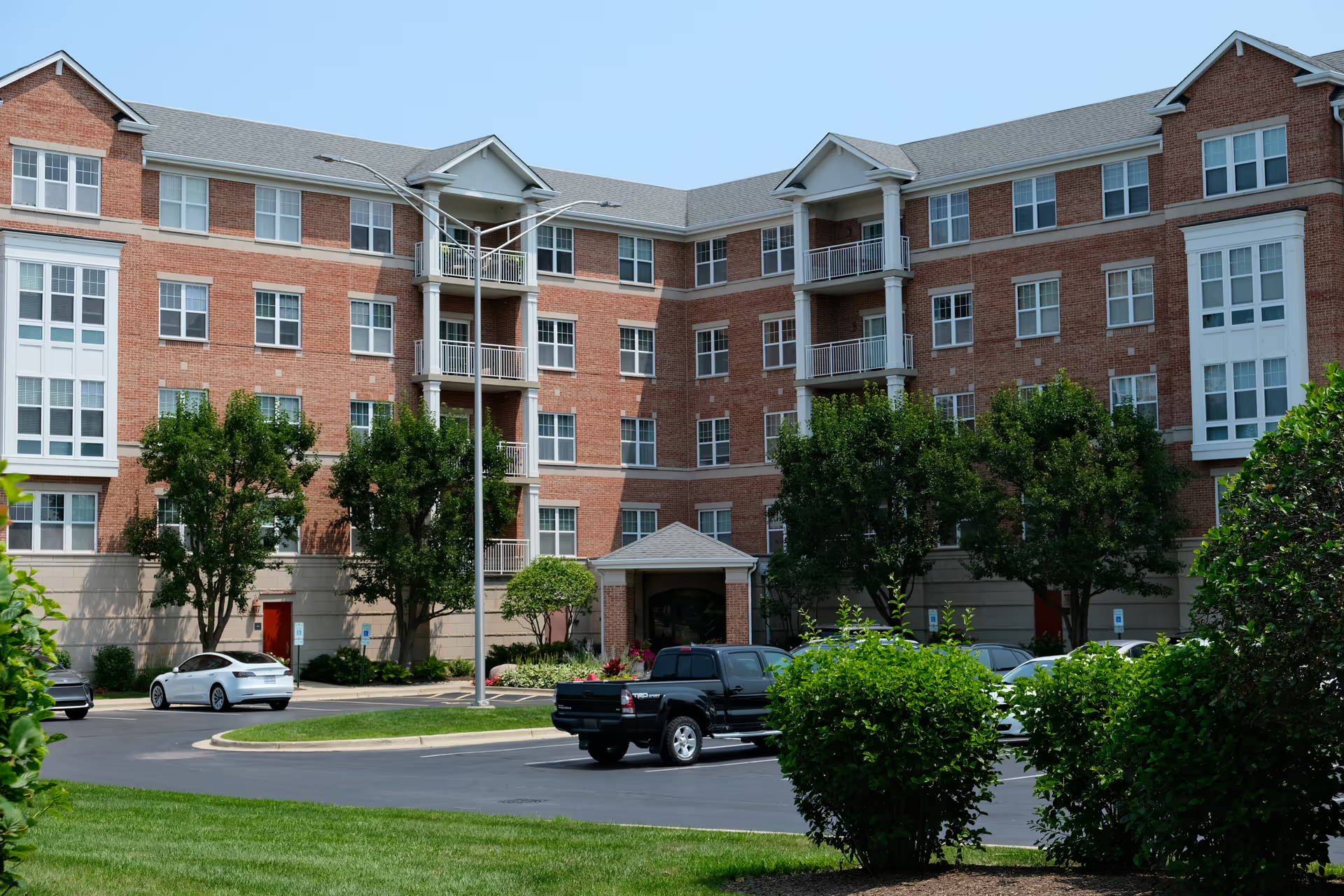
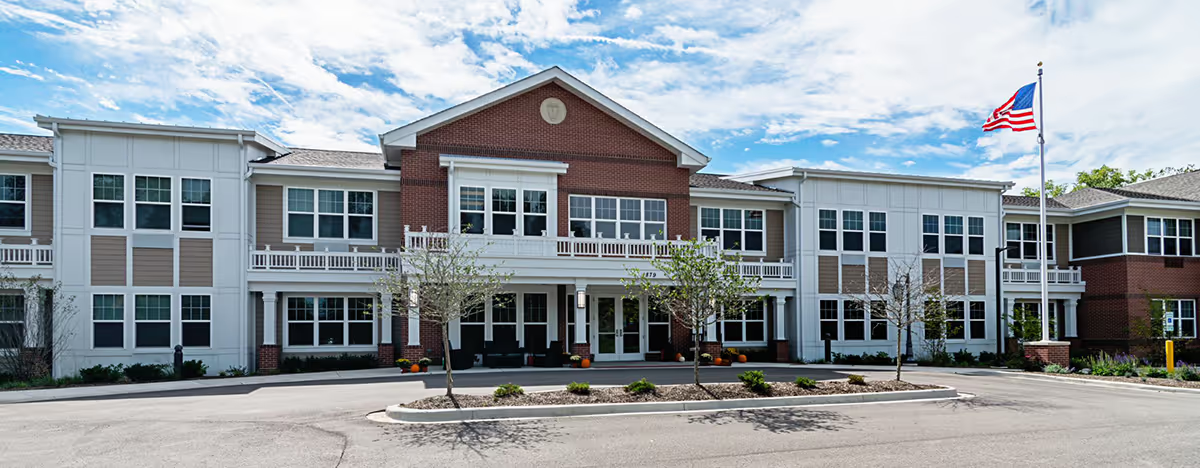
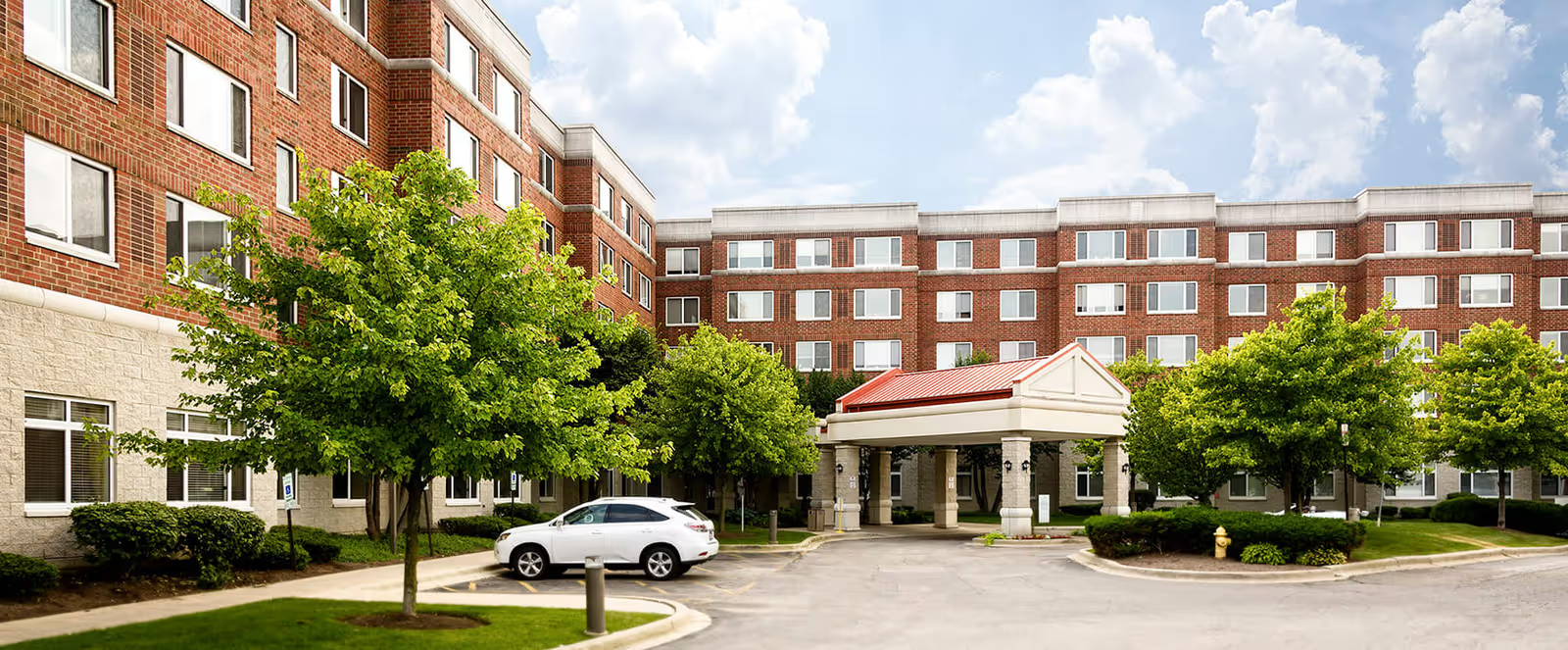
The physical plant and operations are a recurring source of concern. Reported issues include uneven cleanliness between floors, odor concerns in some common areas, nonfunctional or unreliable equipment (elevators, radiators, plumbing), overcrowded shared rooms that limit privacy, and inconsistent housekeeping. There are also security and property‑protection issues raised by families, along with concerns about how resident funds and personal items are handled. These facilities and operational problems appear to be unevenly distributed rather than uniform across the building.
Management and communication show strengths and weaknesses. Several reviewers singled out administrators and social‑services staff who were proactive, responsive, and helpful with paperwork and discharge planning. Others describe poor communication, delays in follow‑through, and discrepancies between marketing/advertised services and the on‑the‑ground experience. There are also allegations of property mishandling and financial‑transaction challenges that suggest a need for clearer policies and stronger safeguards.
Notable patterns: experiences are highly polarized — families frequently report either a positive care episode anchored by specific staff members and therapy success, or persistent operational problems that undermine care. Cleanliness and maintenance appear inconsistent by unit; staff behavior and responsiveness vary by shift; and clinical coordination (medication management, referrals, ride logistics) is a recurring operational gap. There are also accounts of serious clinical and infection‑related events that families should investigate further.
Recommendation for families: if considering this facility, arrange an in‑person tour of the specific unit, observe mealtime and shift change, ask for documentation of infection‑control practices, review how personal‑property and resident‑fund safeguards are handled, and get clear written commitments about therapy goals and care coordination. Request names of key clinical staff for the anticipated length of stay, confirm how follow‑up and referrals will be managed, and maintain regular communication with a designated point person to monitor consistency of care.