Reviews of Aperion Care Westchester present a mixed picture: many families and visitors praised individual staff members, therapy services, and the facility's activities and outdoor spaces, while a substantial volume of comments identified persistent operational weaknesses. Positive feedback highlights several caregivers and departments by name for attentive, compassionate care; residents who had consistent staff contact, timely therapy, and active programming were described as comfortable and well supported. These positive impressions are concentrated around specific employees and teams that families described as responsive and professional.
Care-quality observations show two clear patterns. On one hand, there are reports of individualized, high-quality clinical and hospice coordination, effective social-work support, and skilled therapy that improved residents' function. On the other hand, reviewers described inconsistent clinical practices: delayed medication administration and IV placement, long call-light response times, and concerns about safety-related procedures such as turning, repositioning, and fall-prevention practices. These issues were often linked to staffing shortages and frequent staff turnover; reviewers attributed many care delays and protocol gaps to understaffing and workforce instability.
Staff and management feedback is similarly divided. Numerous reviews single out nurses, CNAs, social workers, and reception staff for positive behaviors — courteous admissions experiences, helpful discharge coordination, and personal attention. Conversely, other comments point to uneven staff conduct, poor communication, and limited managerial follow-through in certain units or shifts. Some reviewers noted improvements under recent leadership changes, while others expressed ongoing frustration with administrative responsiveness and perceived financial priorities.
Dining, activities, and therapy are areas with divergent experiences. Several families praised active programming, crafts, and a pleasant patio space that supports social engagement. The therapy department received repeated commendations for effective rehabilitation. At the same time, there are repeated notes about inconsistent meal quality, small portions, and limited nutritional options for some residents, as well as highly variable therapy hours that affect continuity of rehabilitation plans.
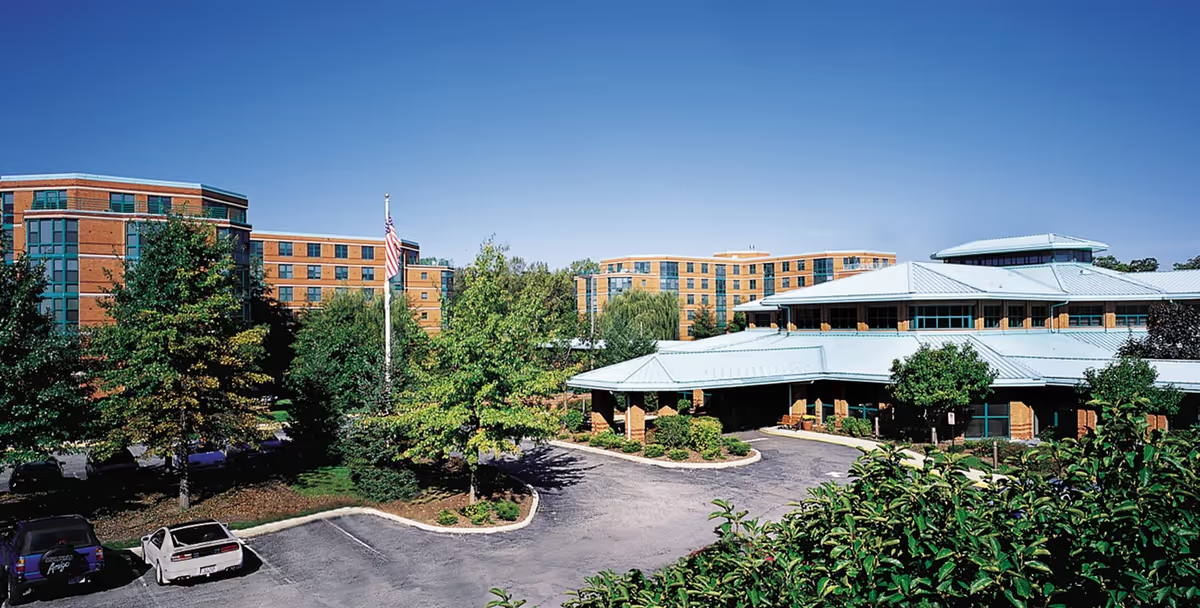
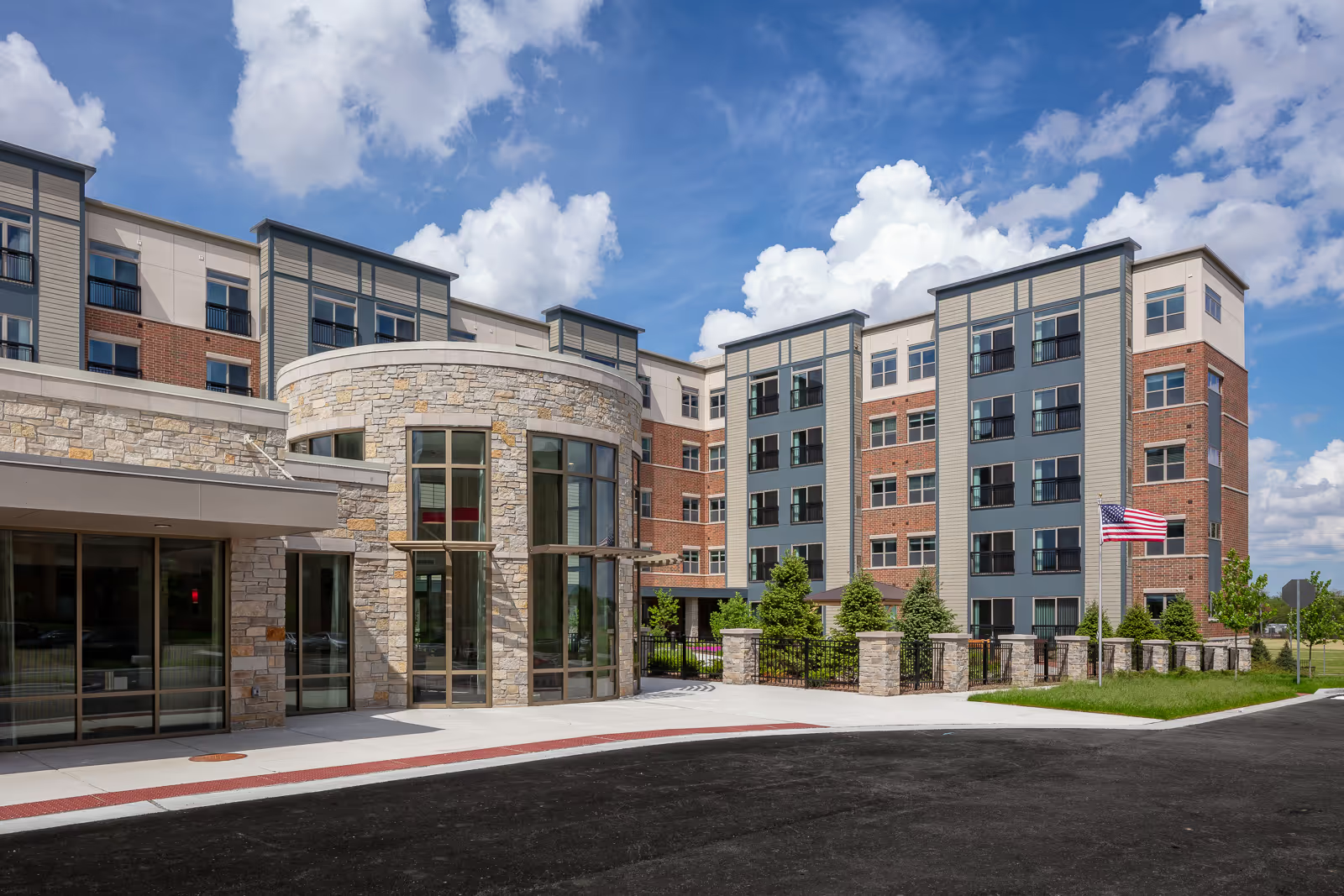
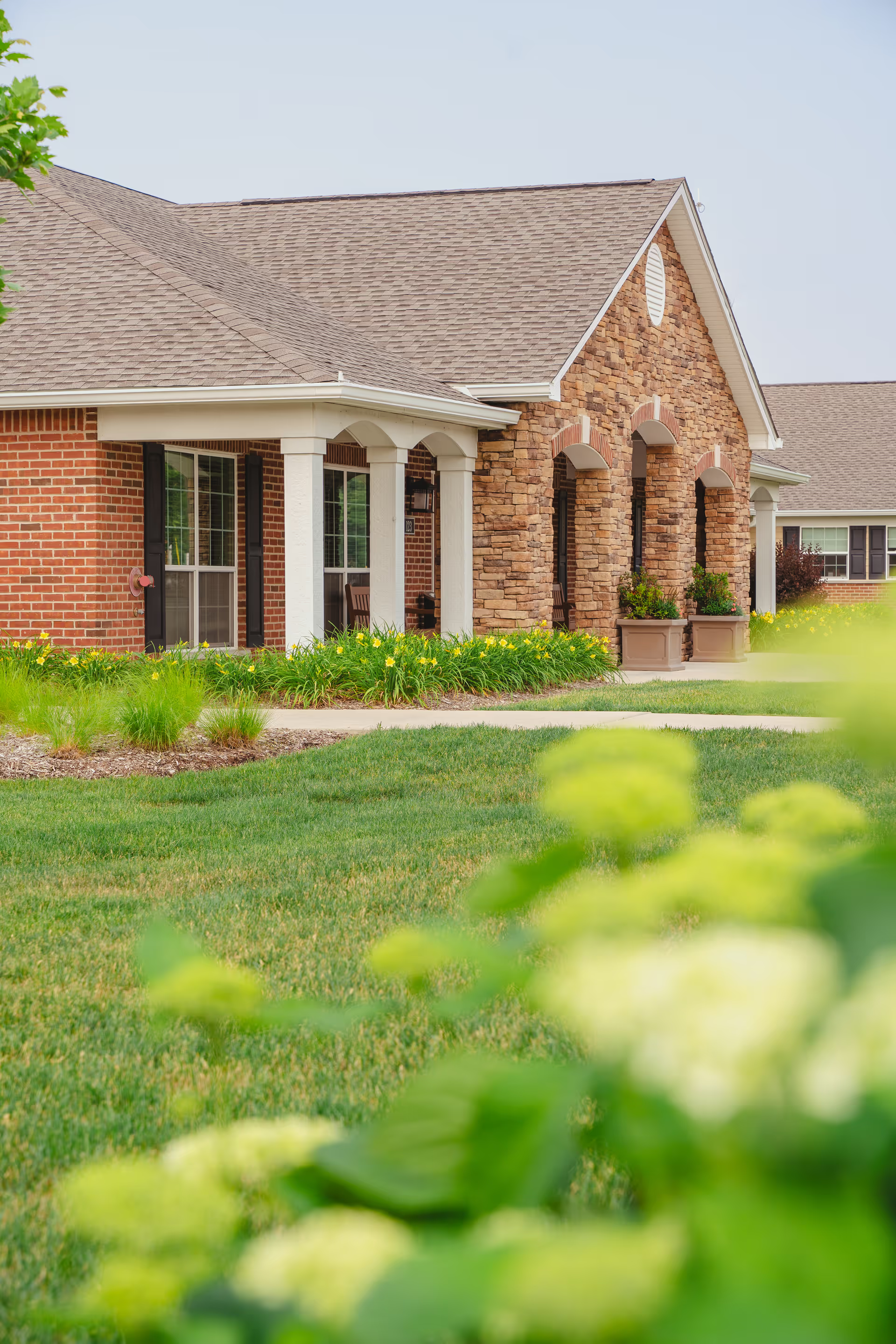
Facility condition and infection-control observations vary between reviews. Positive reports describe clean, well-maintained units and pleasant communal areas. Contrasting reports raise sanitation concerns, odor concerns in particular wings, and lapses in waste and equipment handling; these were frequently cited alongside staffing constraints. Environmental maintenance items such as HVAC performance, room repairs, and furniture condition were also raised as areas needing attention.
Notable patterns across the dataset are the inconsistency of resident experience across shifts and units and the strong impact of individual staff members on family perceptions. For prospective residents and families, on-site verification is advisable: ask about current staffing ratios, call-light response metrics, medication administration protocols, infection-control policies, frequency of bathing and turning, therapy schedules, recent regulatory findings, and examples of how administration addresses family concerns. Where possible, request references for specific units and meet the care team who will work directly with the resident; several reviews show that outcomes and satisfaction hinge on the stability and practices of those day-to-day caregivers.