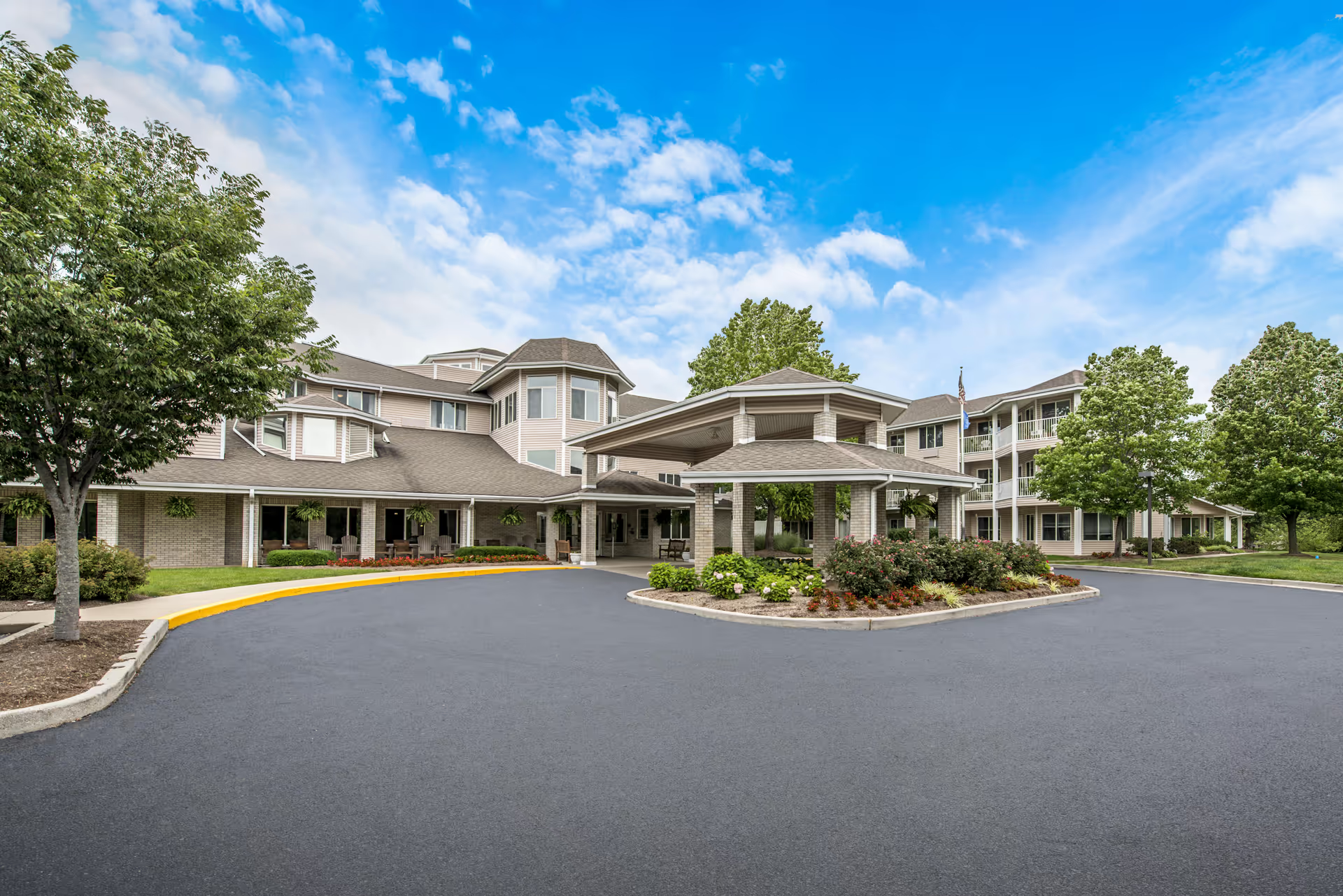
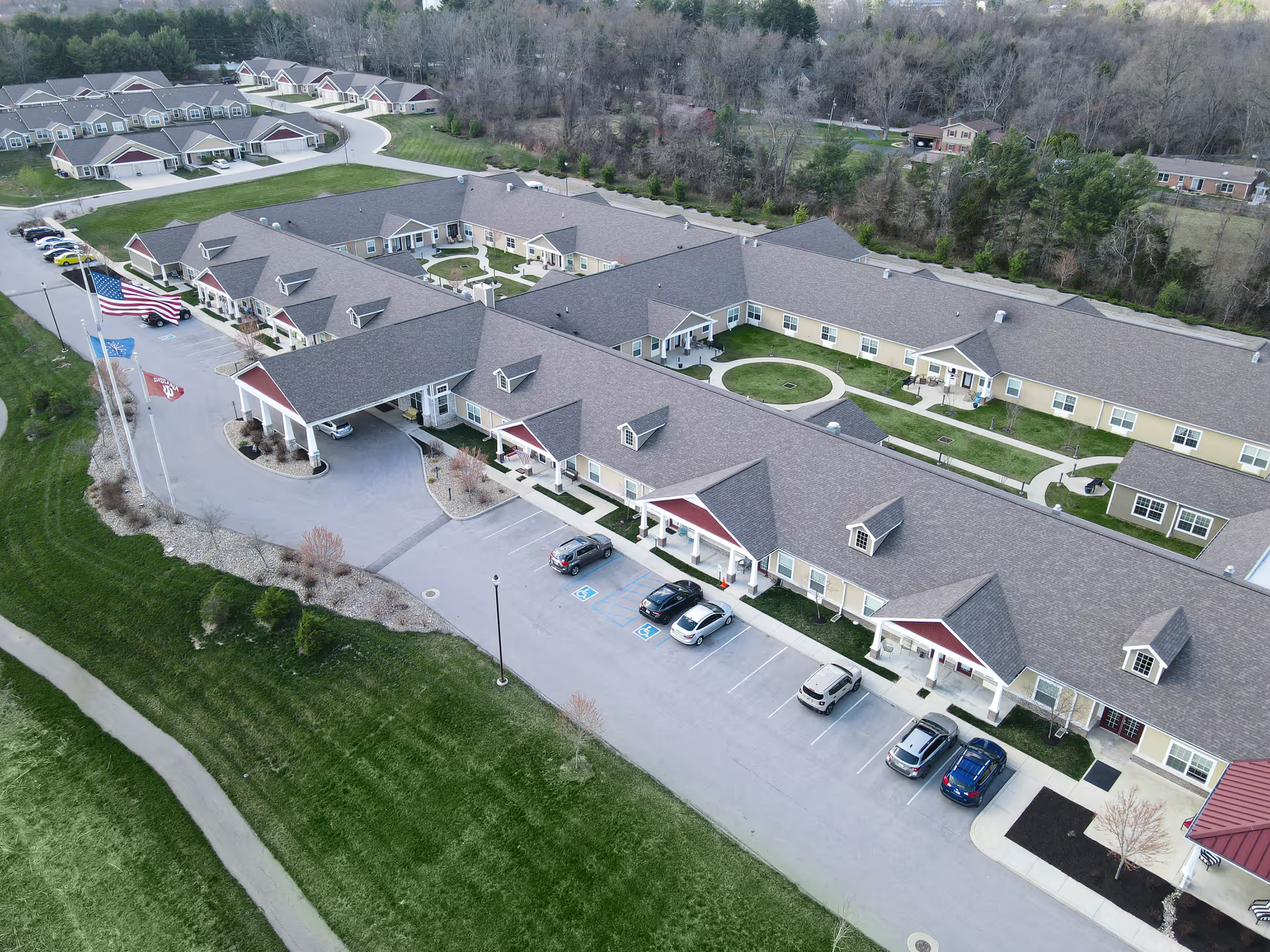
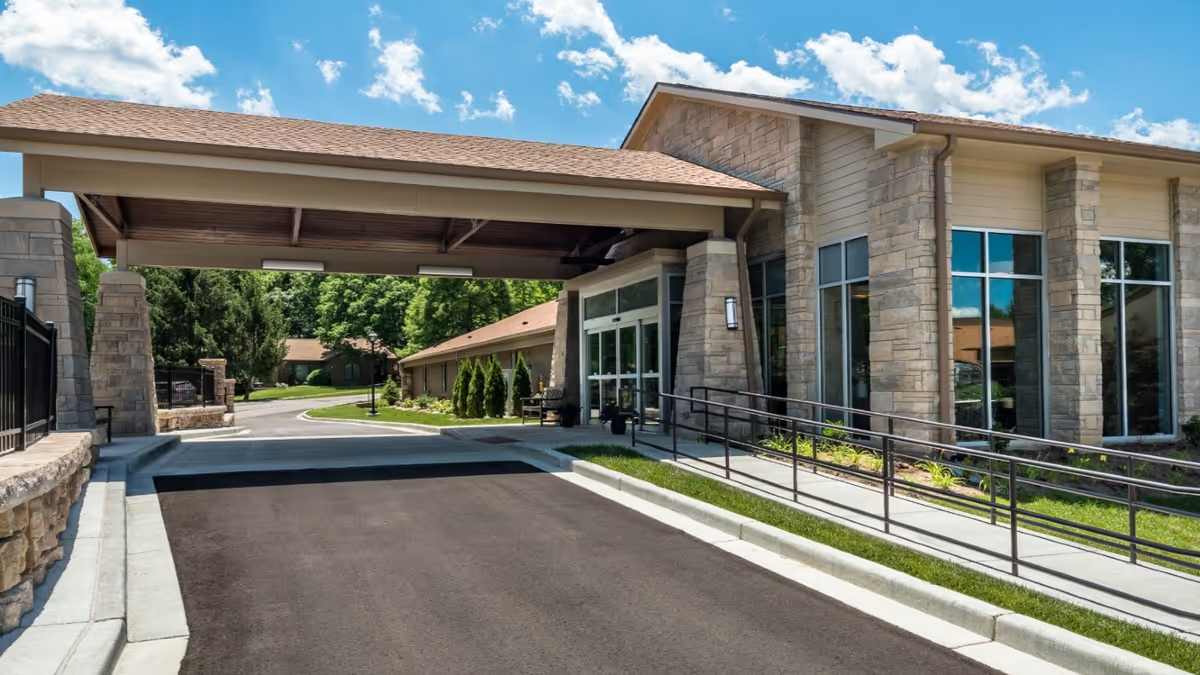
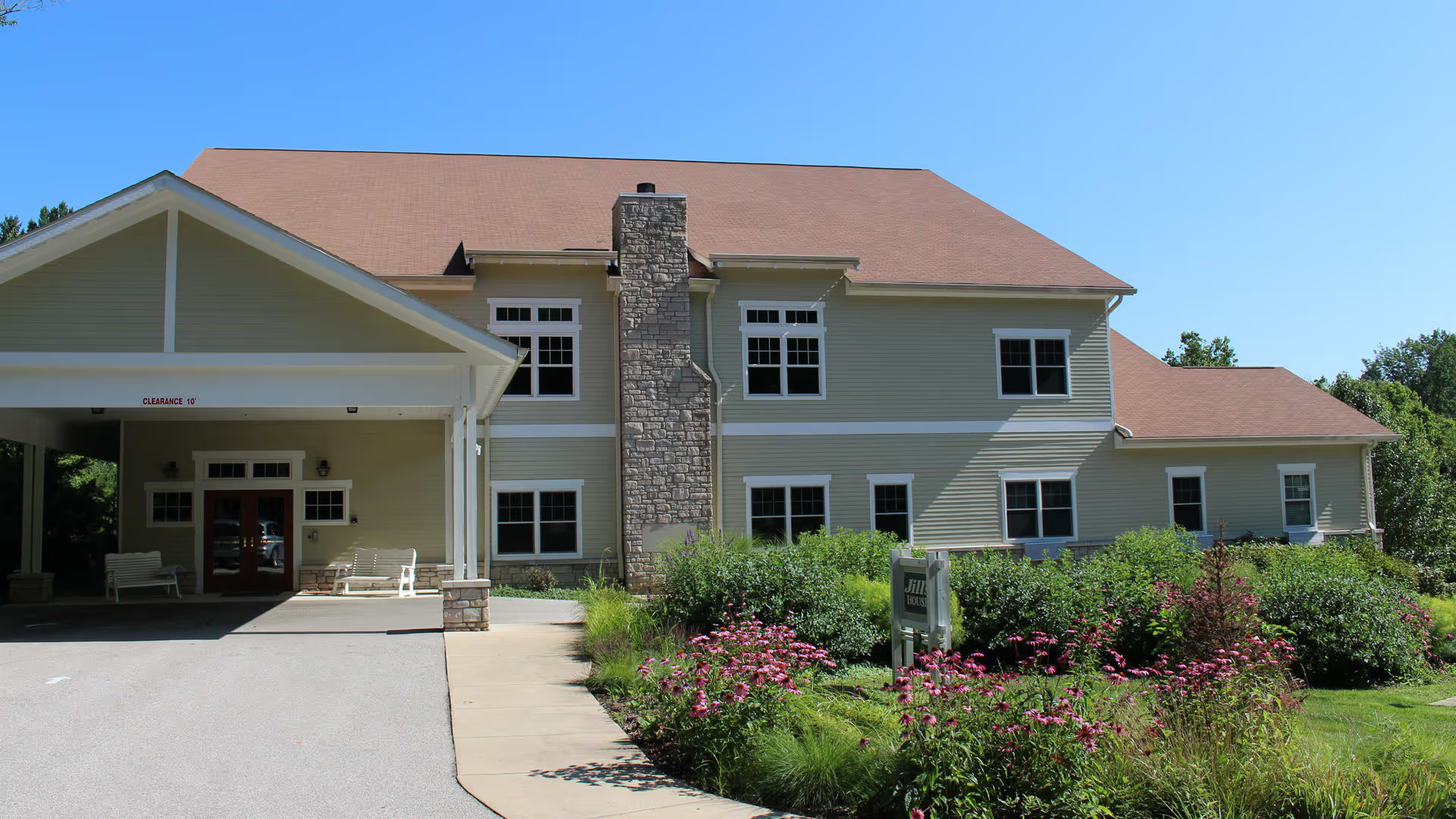
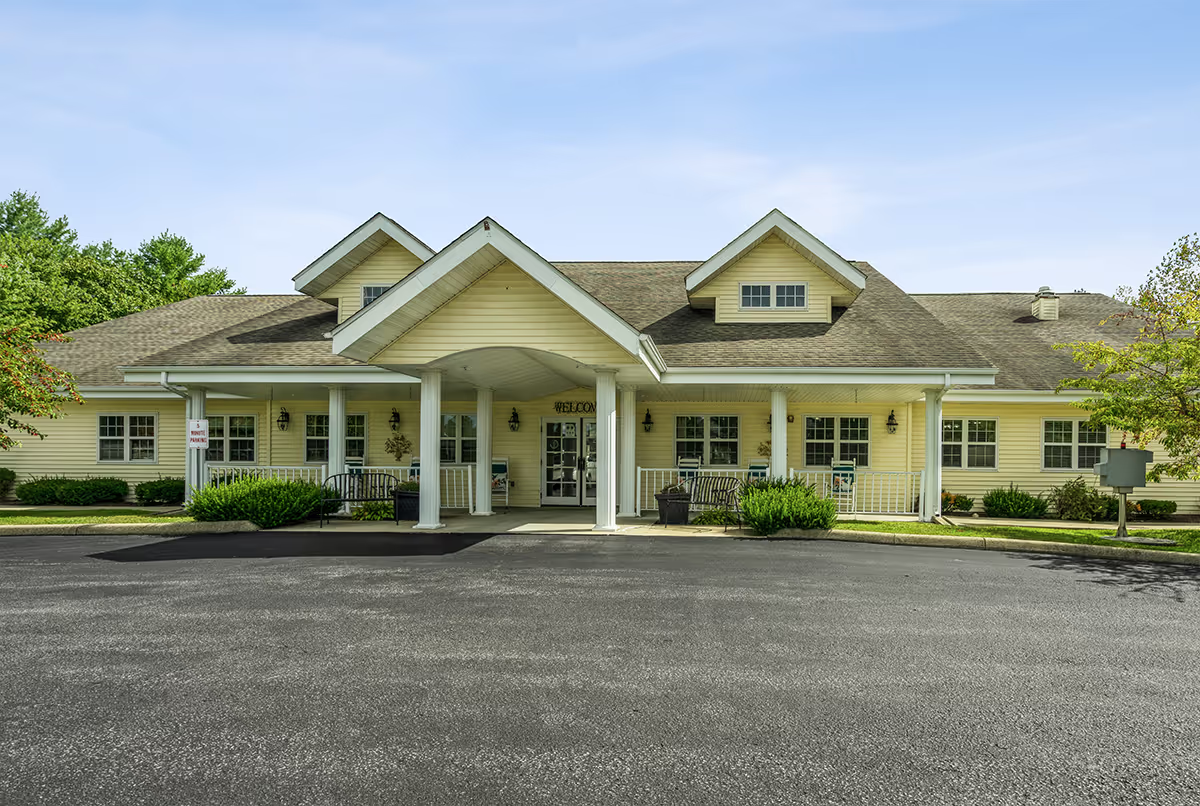
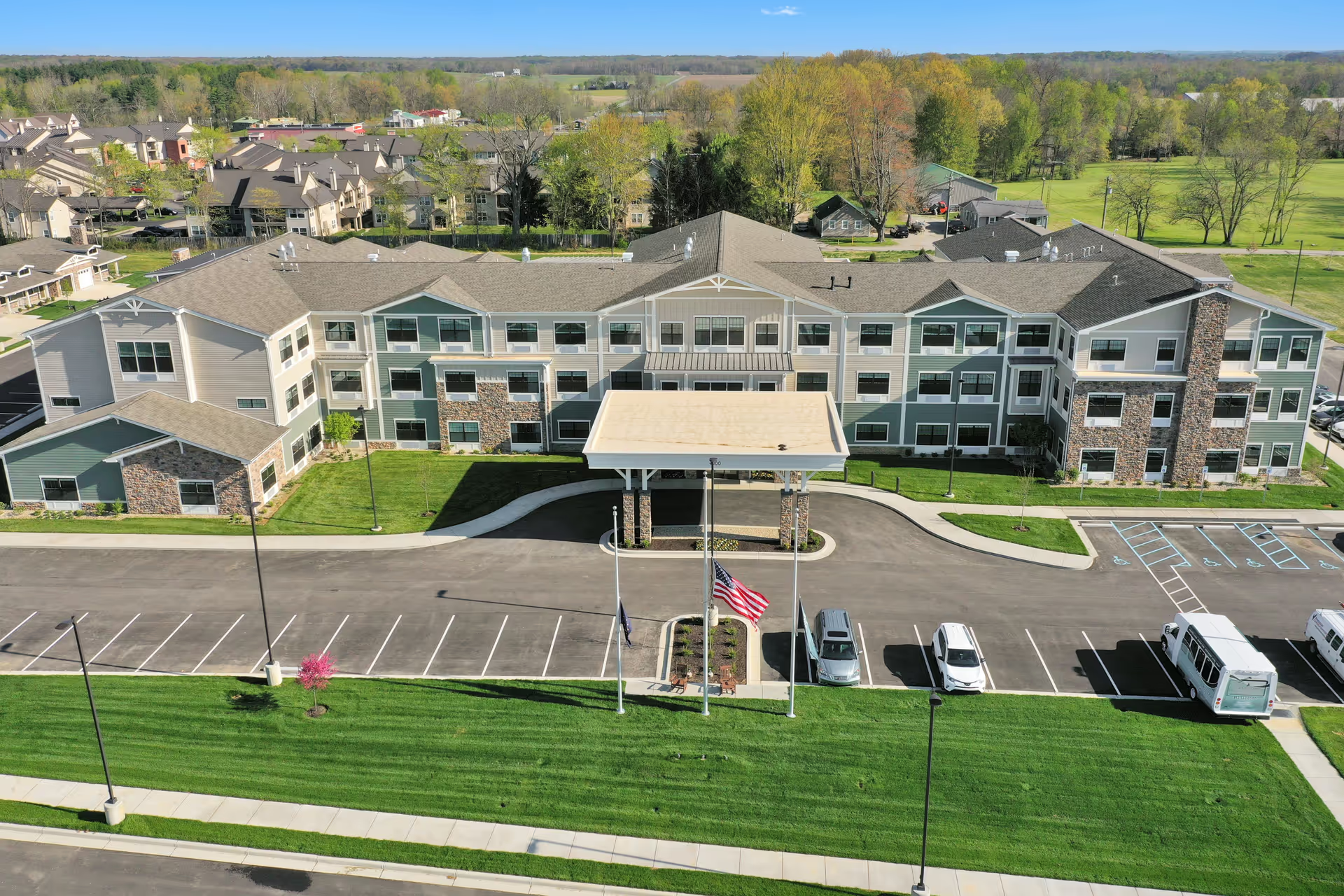
Bell Trace Health & Living elicits a mixed set of impressions. Many accounts praise individual caregivers for compassionate, respectful interactions and relationship-based care; several named staff members and CNAs were described as consistent sources of comfort, safety, and dignity for residents. The community offers a range of social and cultural activities — including creative writing groups, social hour, trips to performances and shopping, and volunteer engagement — that families and residents find valuable. Dining is frequently cited as a strength: reviewers described varied daily menus, fresh-baked breads, a pleasant bistro atmosphere, and generally high-quality meals and service.
At the same time, recurring operational issues emerge across reviews. Clinical processes and follow-up are inconsistent: some families described delays in diagnostic testing, limited investigation when residents showed acute changes, and medication-administration or discharge-coordination errors. These process gaps can magnify risk for residents with complex medical needs. Staffing-level variability was frequently linked to slower response times for personal-care assistance, delayed bathing or toileting help, and uneven availability of nursing staff; reviewers connected these patterns to broader concerns about continuity of care.
Dining-related concerns extend beyond taste and variety. Several accounts indicate failures in dietary accommodations and allergen controls, including mislabeled items and food-preparation errors that affected residents with specific restrictions. Housekeeping and personal-item management also showed variability: there are reports consistent with inconsistent housekeeping routines, incontinence-care delays, and difficulties locating or accounting for residents' personal belongings. Some families also noted gaps in wound care, infection-prevention practices, and the adequacy of rehabilitative services during certain stays.
Communication and operational coordination appear to be additional pain points. Families described instances of poor handoffs, prescription mix-ups at discharge, and an unhelpful or inconsistent nursing-desk experience. Transportation and off-site protocols were generally appreciated when available, but a few accounts raised safety and procedural concerns regarding rides and escorts. In sum, the pattern is one of strong, compassionate frontline caregivers and a rich activity and dining program coexisting with systemic operational weaknesses — particularly around clinical follow-up, staffing consistency, dietary controls, housekeeping, and communication.
For prospective residents and families: observe current staffing levels and unit responsiveness during visits, review dietary and allergy protocols, ask for examples of clinical escalation and discharge procedures, and request clarity on item-tracking and housekeeping schedules. Those who prioritize individualized, relationship-based caregiving and an active social program may find Bell Trace appealing, but families of residents with significant clinical fragility or strict dietary needs should seek clear, written assurances about clinical processes, staffing, and allergen controls before making a placement decision.