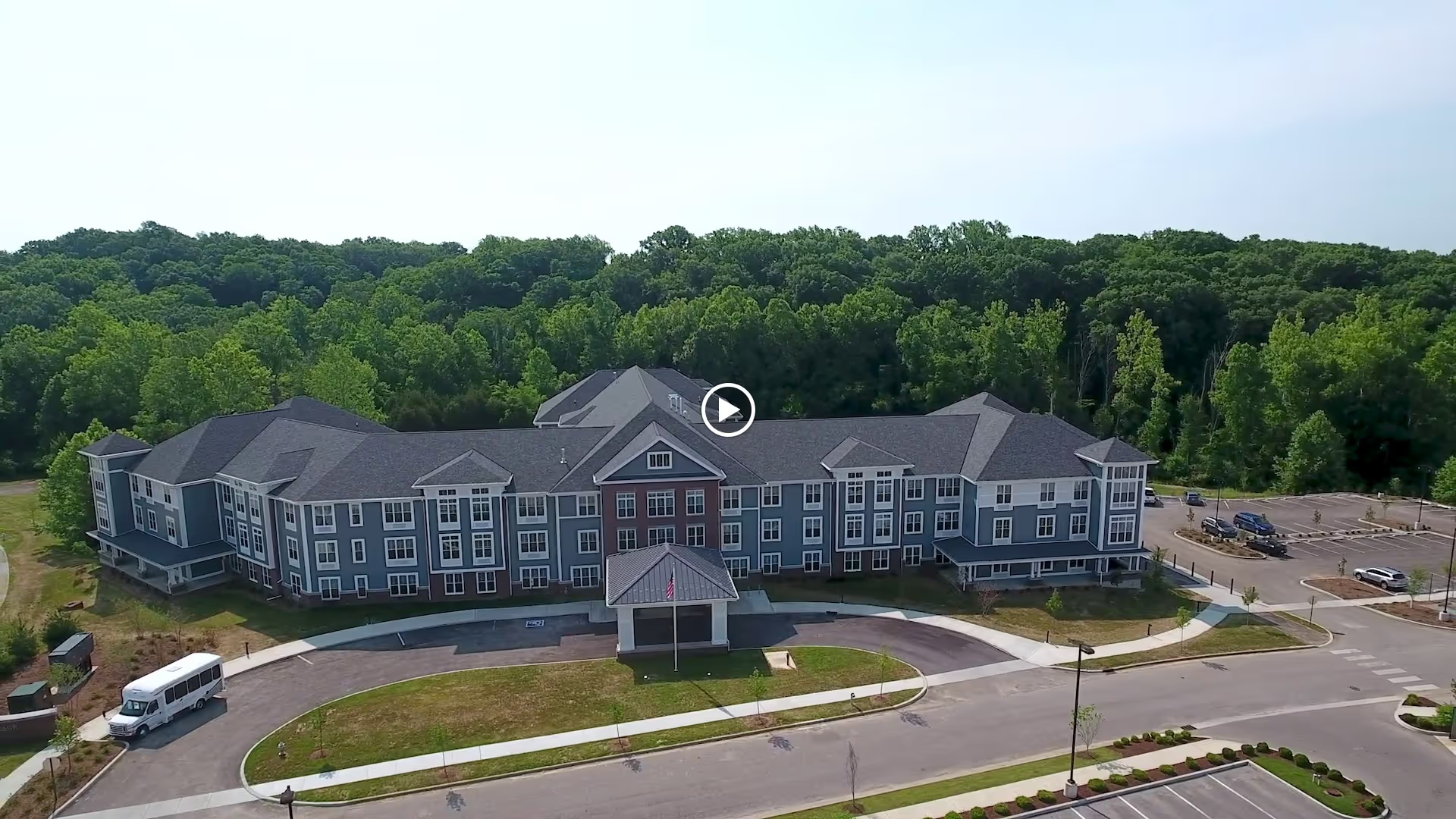
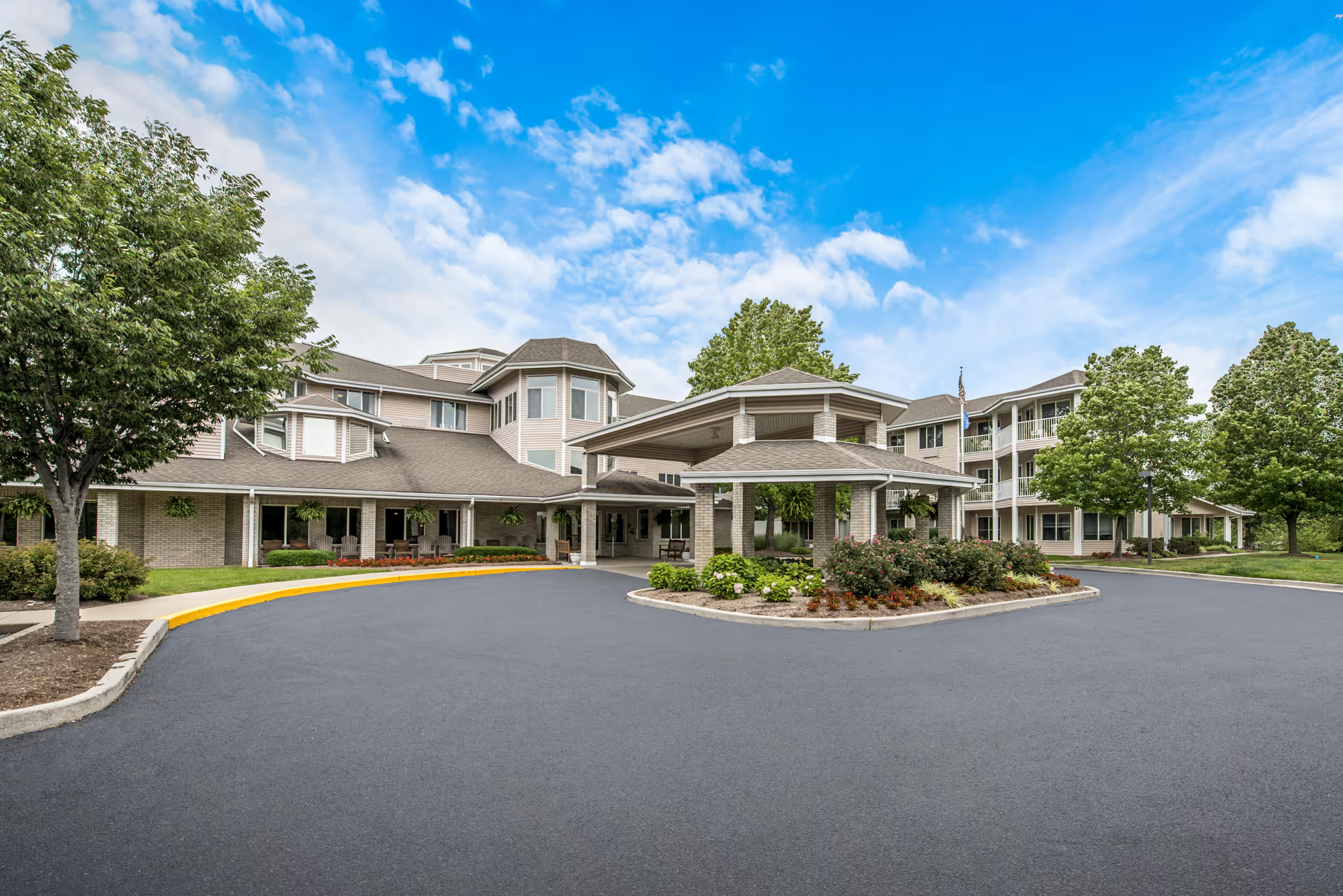
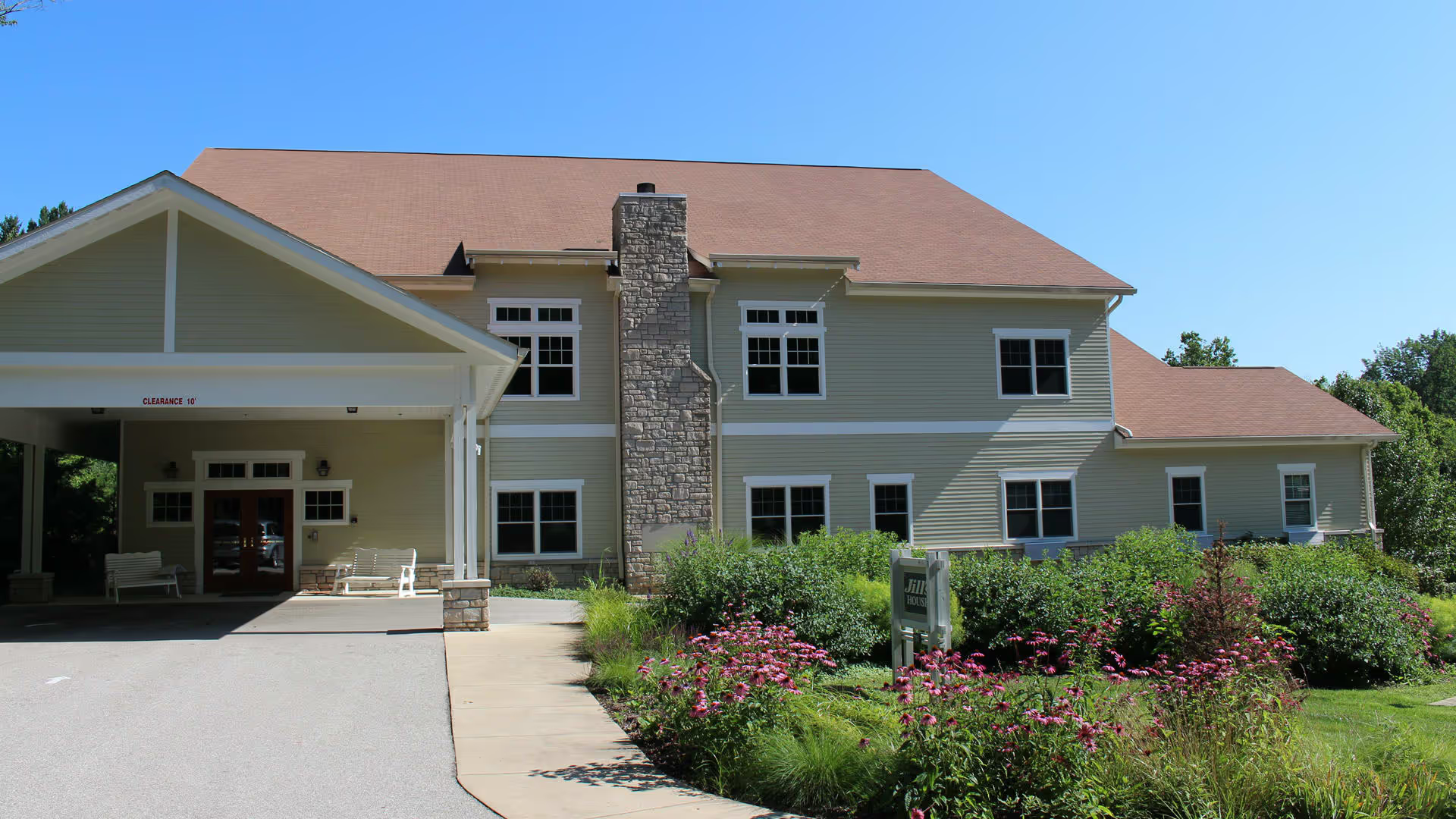
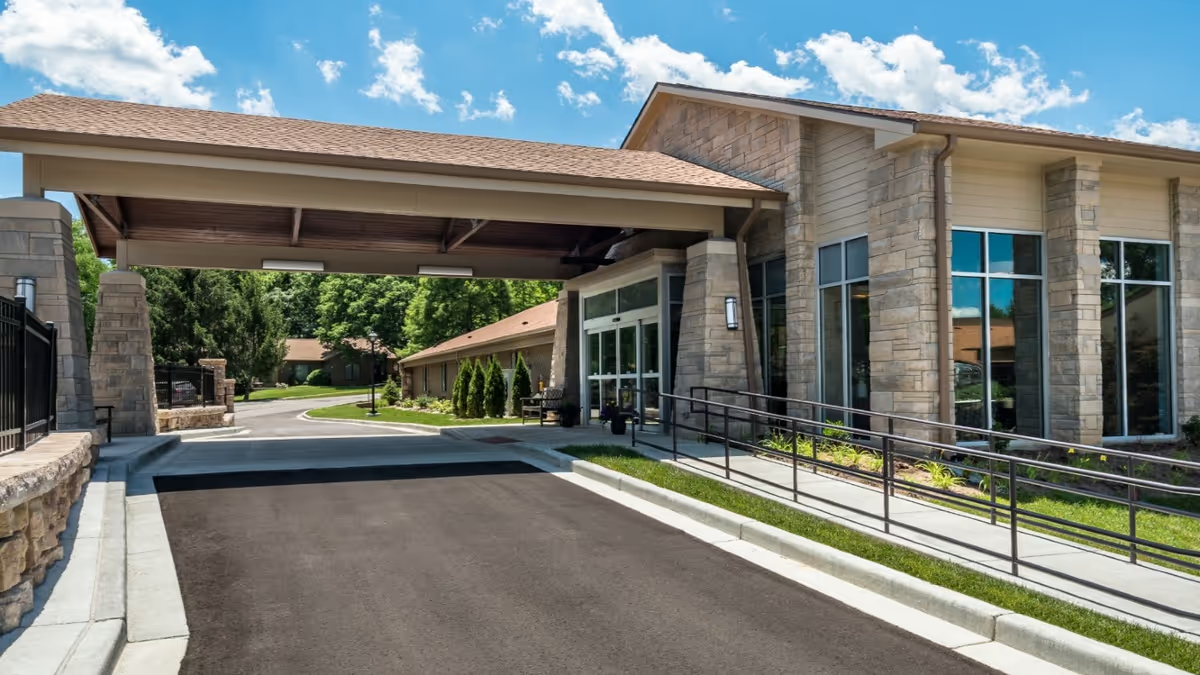
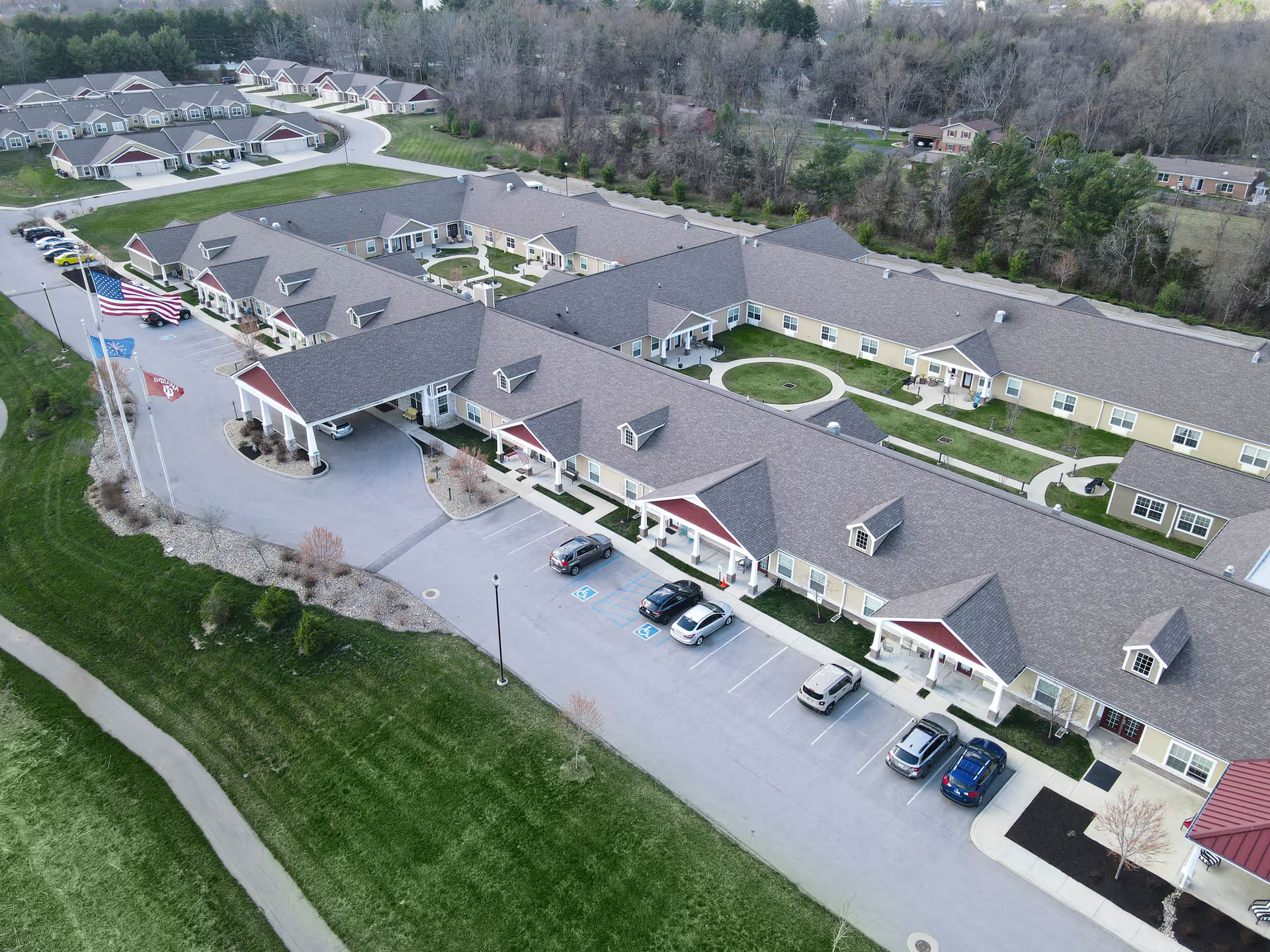
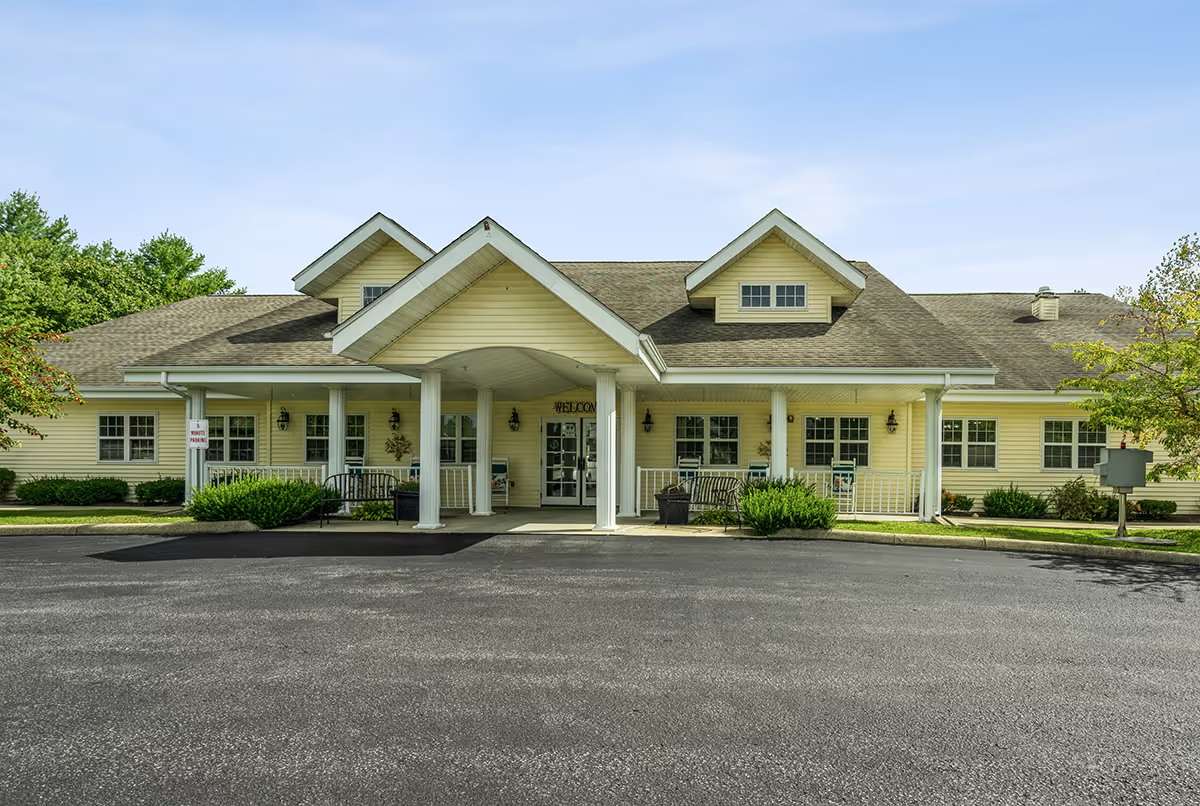
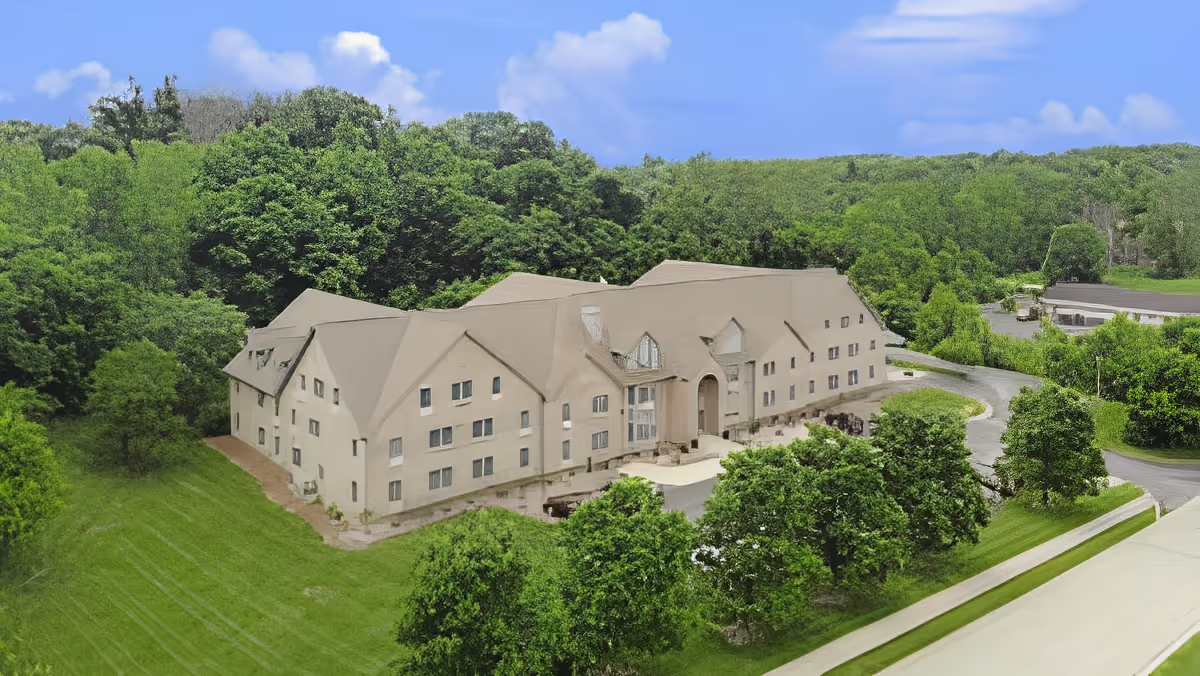
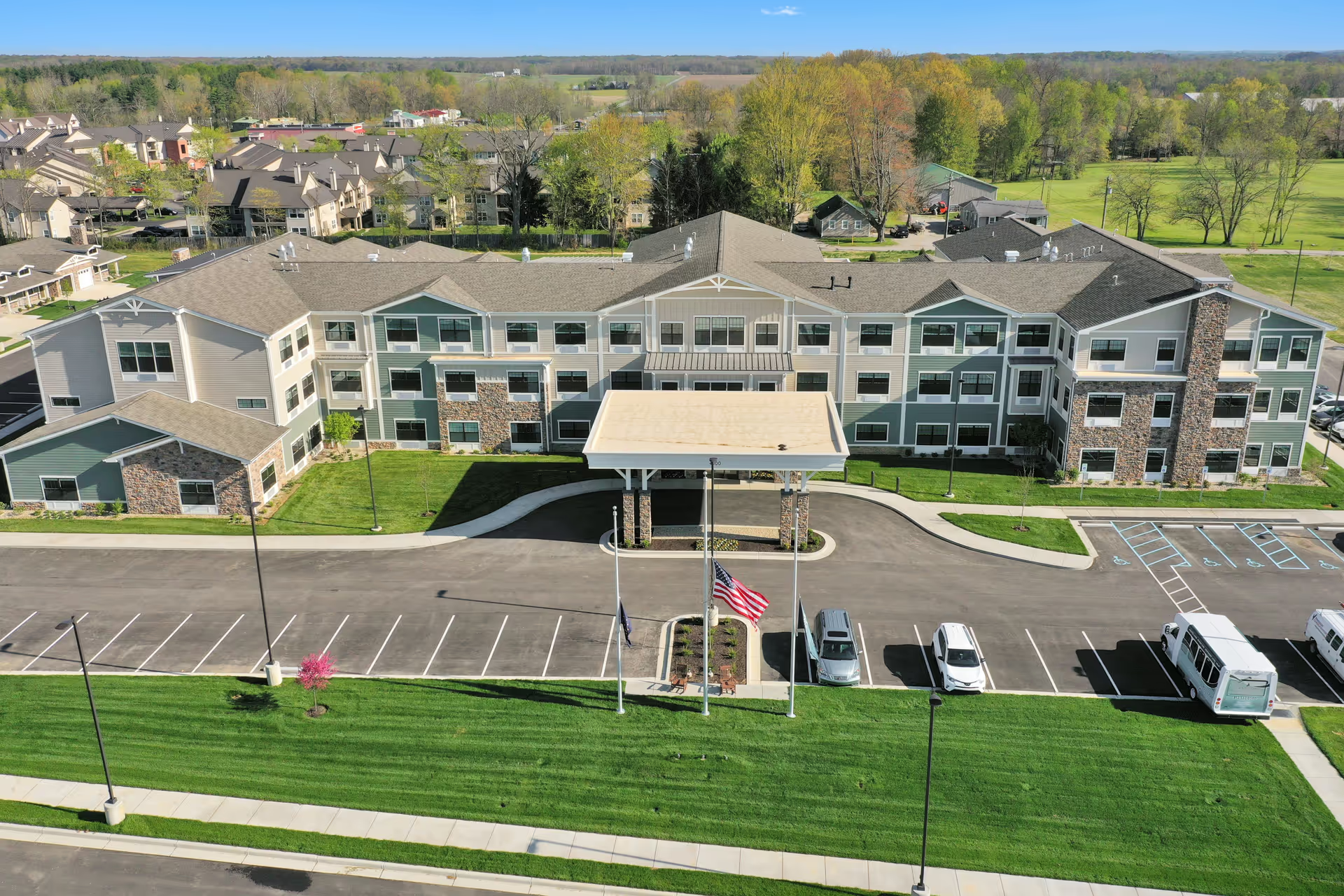
Across the collected reviews, Cedar Creek of Bloomington presents as a community with many operational strengths alongside recurring operational weaknesses. Strengths most consistently described relate to the people and programming: numerous families and residents praise compassionate, attentive staff and nurses, an active activities program (games, exercise, music, outings), and on-site rehabilitation services (physical and occupational therapy). Maintenance and housekeeping are often described as responsive, and the building features — renovated units, landscaped courtyards, bright common spaces, and on-site salon services — support a home-like atmosphere that many residents and families find comforting.
Care quality is portrayed as generally positive in relation to day-to-day assistance, individualized attention, and end-of-life support. Several reviews highlight personalized service, good nurse responsiveness, and staff who know residents’ routines. At the same time, a pattern of operational concerns appears: inconsistent staffing levels and high caregiver turnover contribute to variable experiences, and some families describe delays or unevenness in assistance. There are specific clinical concerns mentioned by reviewers — weight loss related to meal provision, instances implying medication-administration errors, and questions about the accuracy of advertised care levels — which together suggest the need for close attention to clinical oversight and medication-management protocols.
Dining receives mixed feedback: multiple reviewers commend tasty, nutritious meals and orderly dining operations, while others raise issues about bland or carb-heavy offerings, small portions, and inconsistent availability of vegetables or salads. This variability has contributed to nutrition-related worries for some residents. Activities and social programming are a clear positive overall, with an active schedule, opportunities for board games, music, and exercise, and staff who encourage participation; these elements support social engagement and quality of life for many residents.
Facility operations and management show divergent impressions. Many families report timely communication, a helpful community-relations/sales team, and administrators who follow up; others describe average or poor communication, leadership turnover, and intermittent breakdowns in interdepartmental coordination (laundry, housekeeping, or dining continuity). Billing and level-of-care pricing have been characterized as unclear by some families, including concerns about being charged for levels of care that may not match current needs. Safety and security are generally seen as strengths (secure access, attentive staff), but reviewers also flagged operational safety gaps such as outdoor/parking-area incidents and challenges created when memory-care needs coexist alongside independent residents.
In summary, Cedar Creek appears to offer many of the elements families seek in assisted living — engaged staff, on-site therapy, active programming, and pleasant physical spaces — but consistent quality depends on operational stability. Prospective residents and families should weigh the facility’s strong person-centered care and amenities against the documented patterns: fluctuating staffing, variability in dining and sanitation, and occasional concerns about medication and billing practices. When evaluating this community, families may benefit from targeted questions about current staffing ratios, clinical oversight and medication protocols, kitchen menus and portion policies, laundry/housekeeping processes, and how the facility separates or manages different care levels to ensure an appropriate environment for residents with cognitive impairment.