The reviews for Cedar Creek of Bloomington Memory Care present a highly mixed picture: many families praise the facility for its dementia focus, compassionate caregivers, and active social programming, while others describe operational gaps that materially affected clinical care, communication, and daily living. Positive descriptions emphasize a warm, homelike environment, staff who develop close relationships with residents, specialized memory-care programming, and amenities such as a courtyard, pet-friendly policy, transportation and housekeeping services, and on-site hospice or clinical links. Several accounts describe meaningful improvements in residents' quality of life after moving in, with frequent references to staff who treat residents with respect and affection.
Care quality and clinical responsiveness are a major axis of divergence. On one hand, reviewers note attentive nursing, prompt medical attention, and thoughtful individualized care plans. On the other hand, other families described episodes where clinical changes were not recognized or escalated promptly, including transfers to emergency services and hospital stays. Medication-administration problems and timing delays were raised multiple times (wrong medications or late evening doses), and these concerns contributed to broader unease about clinical safety and oversight.
Staffing and management are recurring themes. Praise centers on dedicated caregivers, long-term staff relationships in some units, and staff who ‘‘go the extra mile.’' Yet numerous reviews describe chronic understaffing, high turnover, and uneven staff performance — for example, aides perceived as distracted, frequent use of agency staff, and variability between shifts. Family-facing processes show inconsistency: some relatives describe thorough, empathetic communication and responsive leadership, while others report difficulty reaching the Director of Nursing, front-desk gaps, unanswered concerns, and delayed or incomplete documentation. There are also several serious family concerns about follow-up after a resident's death and notification procedures.
Dining and activity offerings are also mixed. Positive comments highlight meals customized to preferences, a family-style dining atmosphere, and activity calendars that include music, art, movement classes, and social events. Conversely, complaints include late or small portions, inconsistent food quality, and occasional failures to adhere to dietary restrictions. Activity delivery appears uneven across the community — some units have robust, daily programming while others are described as lacking meaningful engagement for residents.
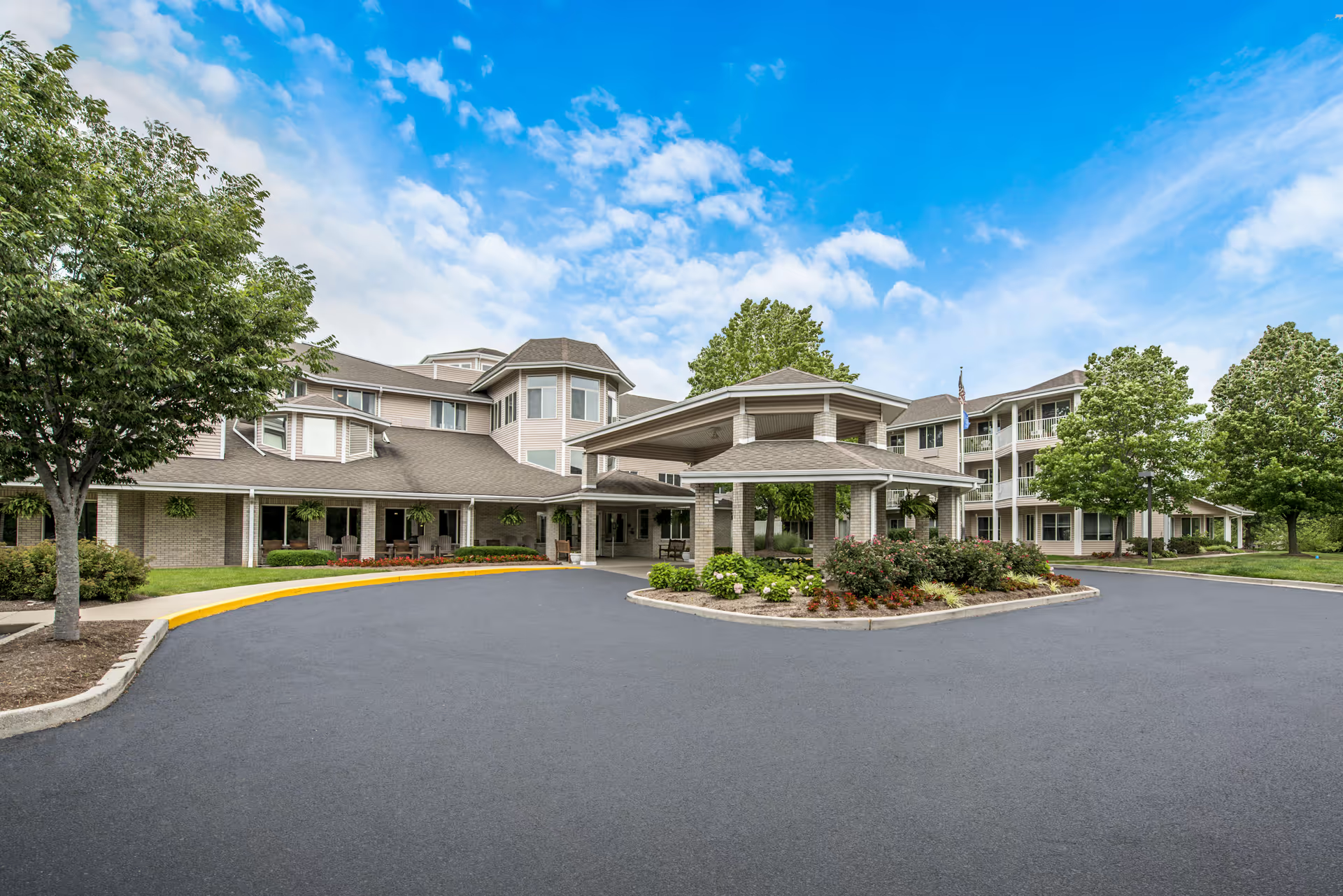
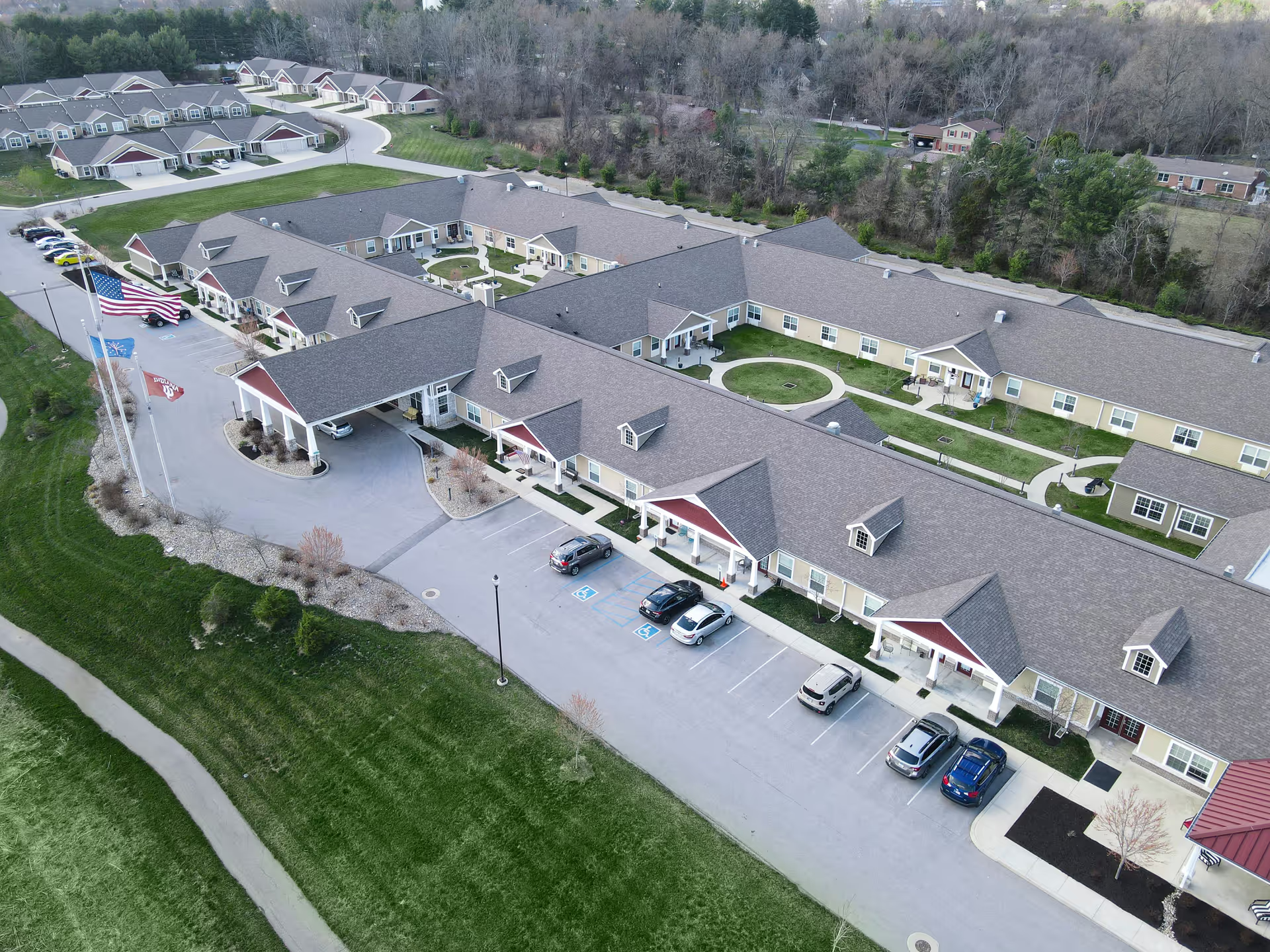
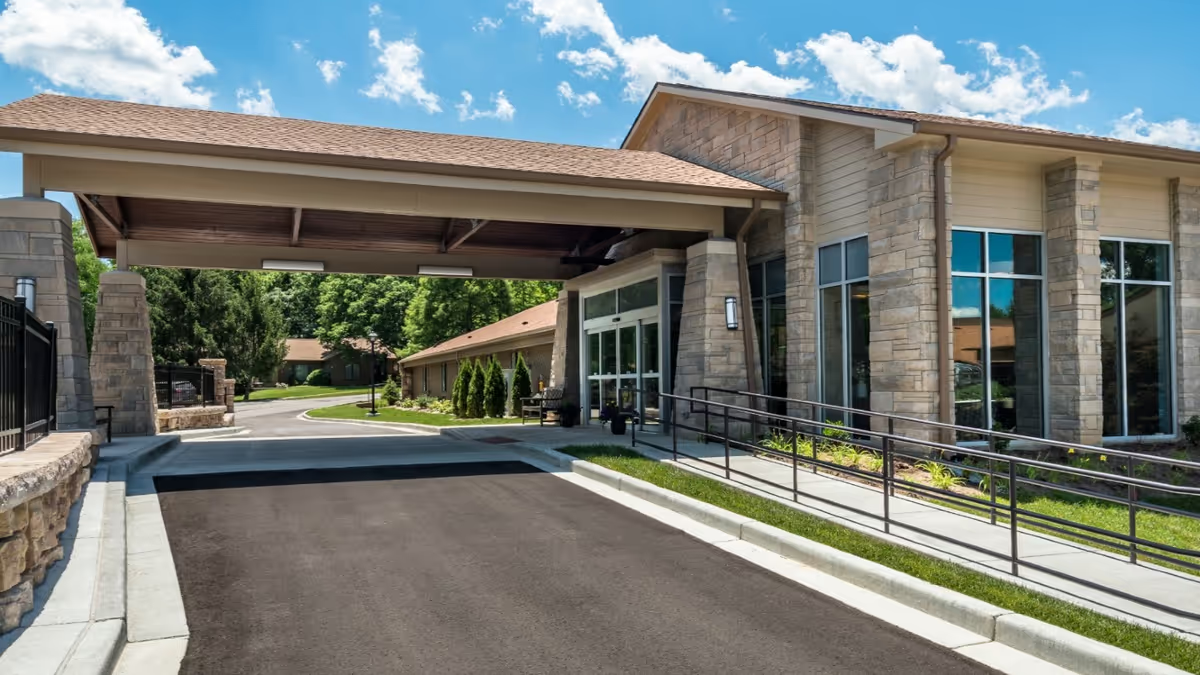
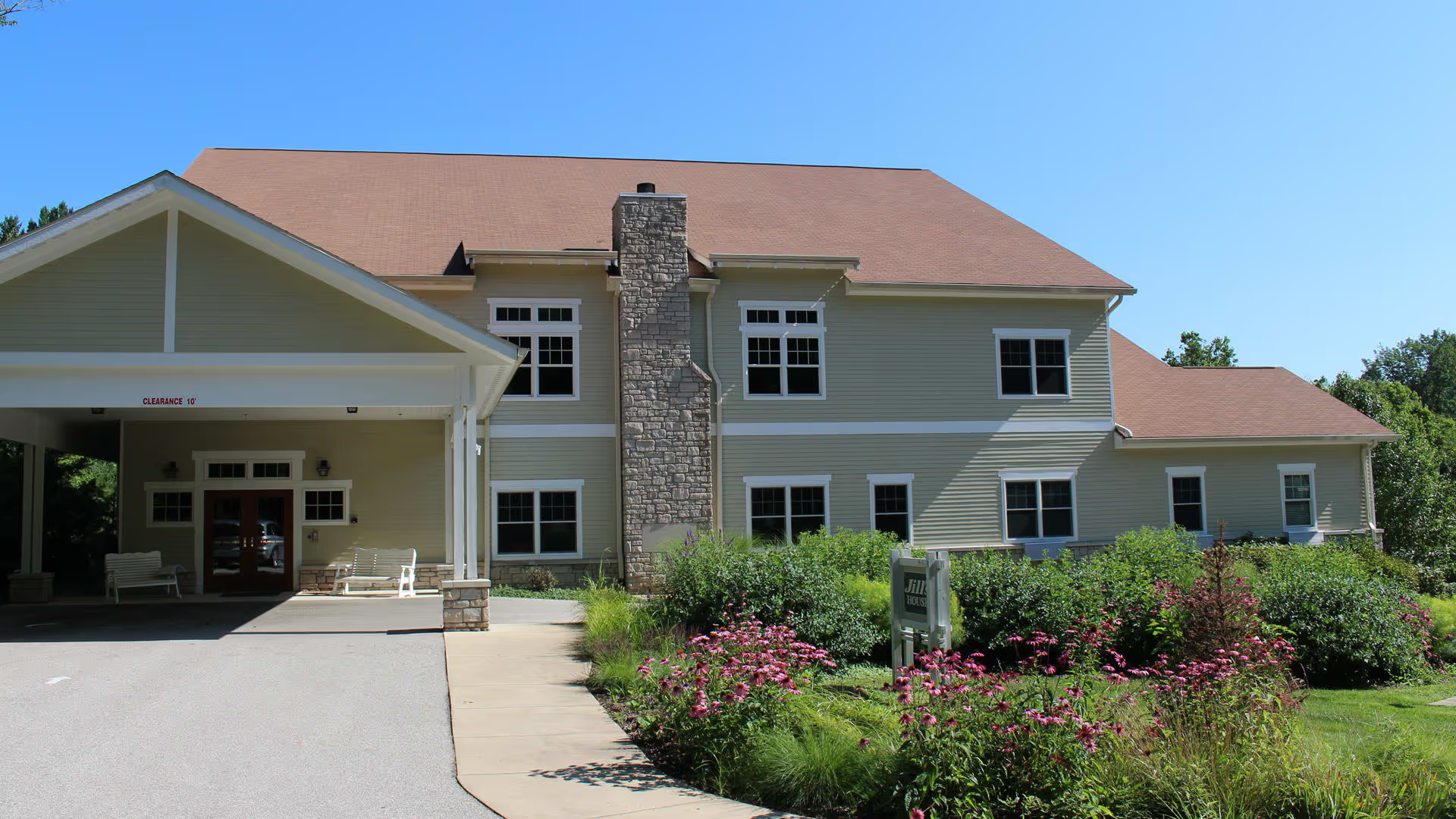
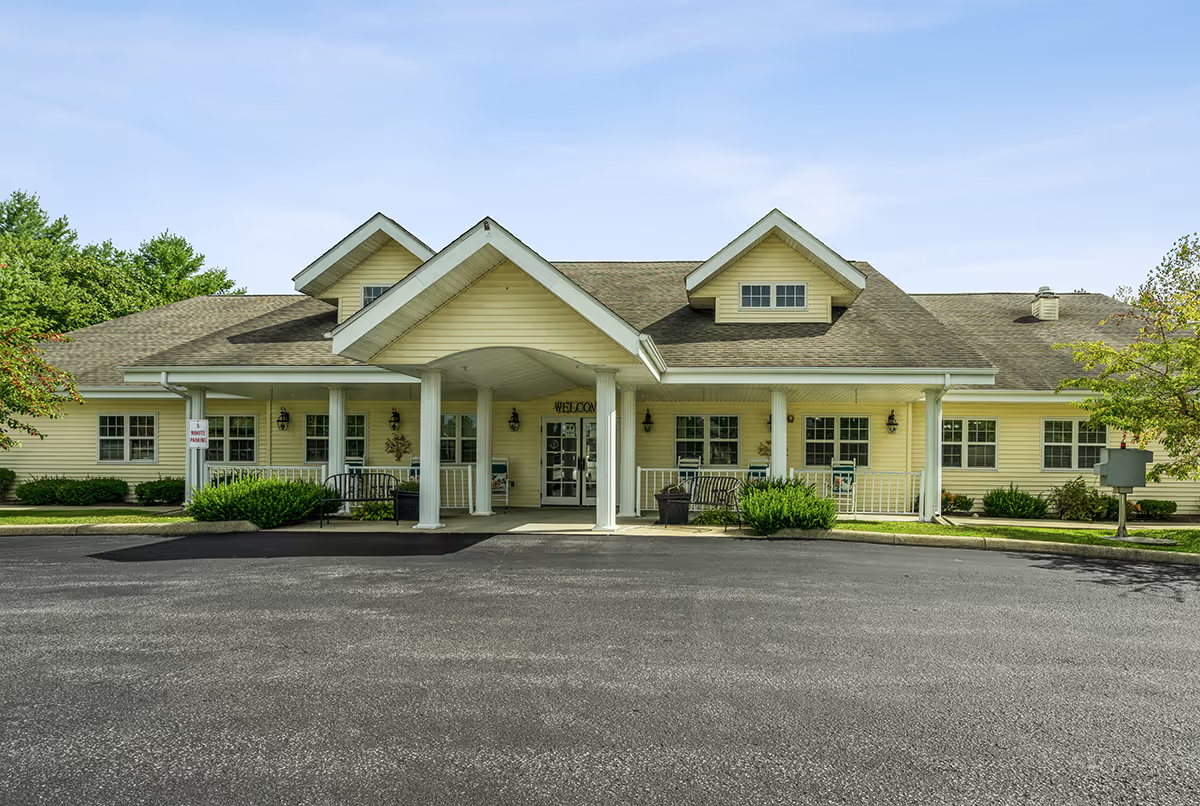
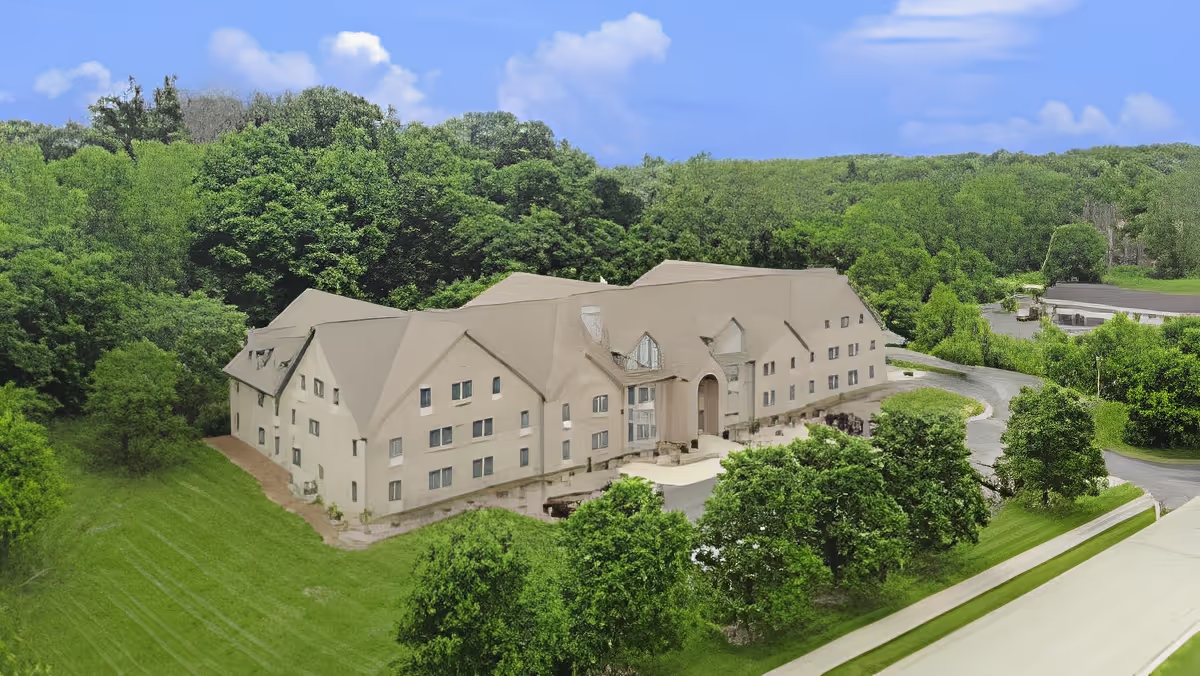
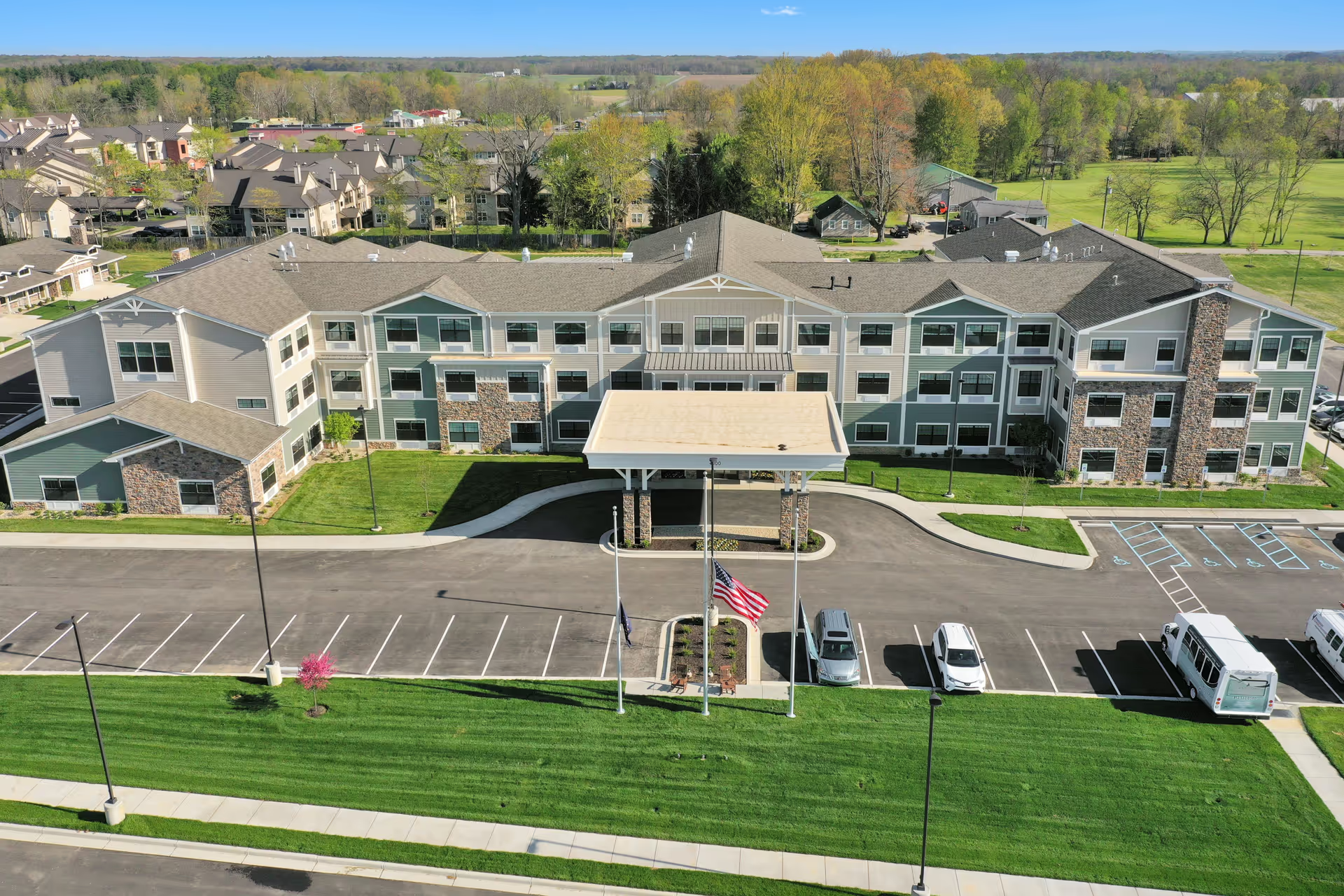
Facility attributes are generally seen as strengths: bright rooms, private options with natural light, safe hallways, and a secure memory-care layout. Limitations noted include construction disruptions at times, limited outdoor walking paths, and sanitation or odor concerns in some common areas. Cost and admissions policies are another practical consideration — the community does not accept Medicaid and several families cited perceived value and billing transparency as problems.
Bottom line: experiences at Cedar Creek of Bloomington Memory Care vary considerably. Families who prioritize a dementia-focused culture, compassionate direct-care staff, and active programming report substantial benefits. However, those for whom clinical consistency, reliable staffing, transparent administration, and dependable meal and medication practices are top priorities will want to probe those operational areas during a tour: ask for specifics about staffing ratios, medication-safety protocols, recent clinical incidents and responses, activity schedules by unit, dietary procedures, billing practices, and how the facility communicates with families about clinical changes and end-of-life events. These targeted questions will help determine whether the facility’s strengths align with a given resident’s needs and risk profile.