Reviewer feedback for Majestic Care of Bloomington is mixed, with clear strengths in rehabilitation services and several consistently praised individual staff members, alongside recurrent operational and management concerns. The facility’s physical and occupational therapy programs, often delivered twice daily, receive frequent commendation for producing measurable mobility and strength gains. The therapy and activity space is described as large and well-equipped, and activity programming — including music therapy and spiritual offerings — is viewed as a meaningful part of residents’ days. Several families also highlighted compassionate bedside care from specific nurses and aides and noted that short-term rehab stays can yield strong functional improvements.
Care and staffing present a heterogeneous picture. While many reviewers single out caring, skilled clinicians and aides who provide attentive support and end-of-life comfort, others describe inconsistent responsiveness, long waits for assistance, and particularly thin coverage during evening and night shifts. Reports point to delays in attending to resident needs and variability in follow-through by staff. Incontinence-care handling and related timeliness of care were raised as operational concerns in some accounts. There are also positive notes about transport coordination for medical appointments and strong, effective therapy staff, which appear to be relative strengths compared with other aspects of care.
Dining and housekeeping experiences vary across reports. Some families praised meals and supportive dietary accommodations, while others reported inconsistent food quality and service gaps (for example, missing accompaniments or desserts). Housekeeping and sanitation standards appear to be uneven across the facility: the rehabilitation unit is frequently described as cleaner and better maintained than some long-term care areas. Reviewers also raised odor concerns in common areas and inconsistencies in room maintenance and cleanliness.
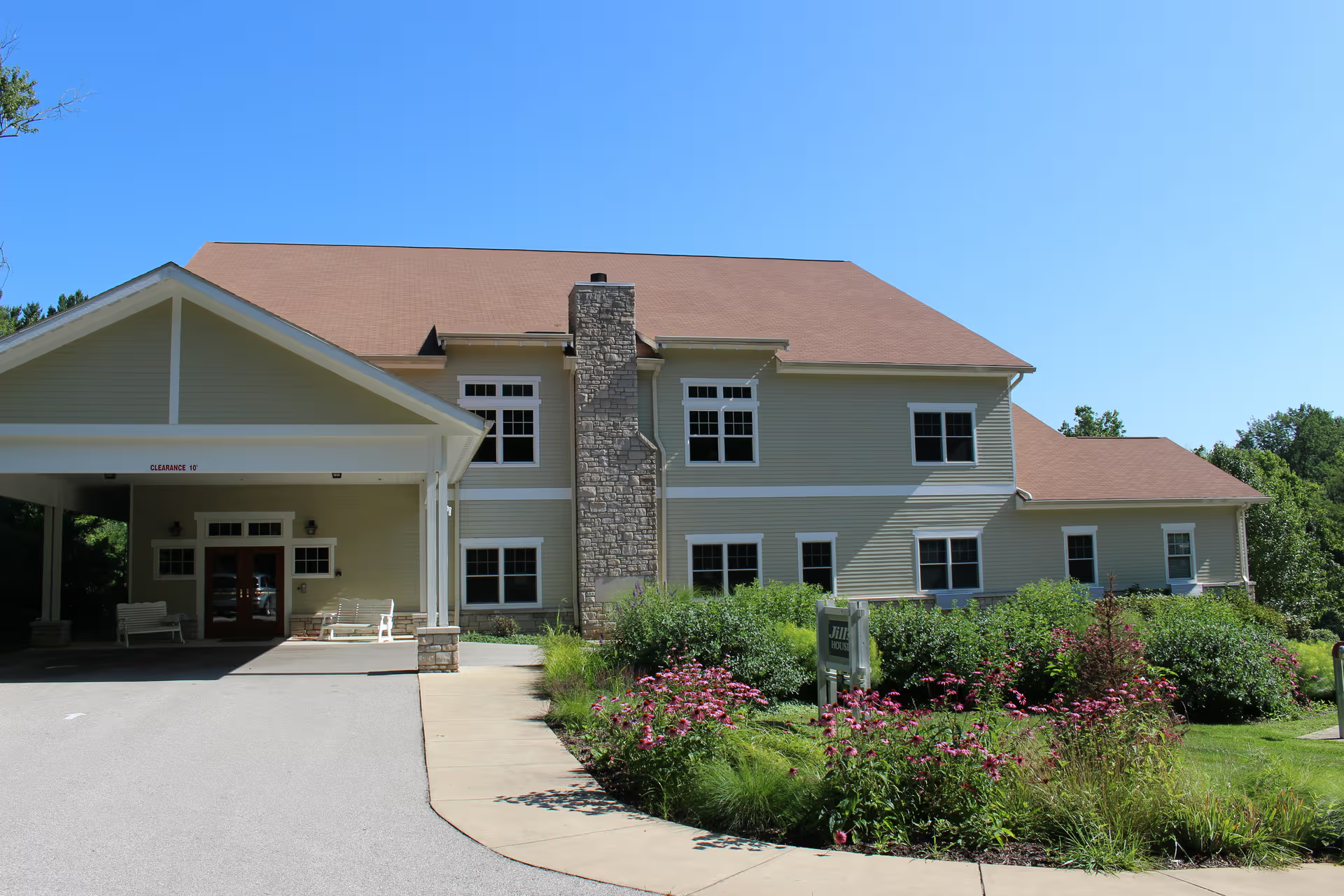
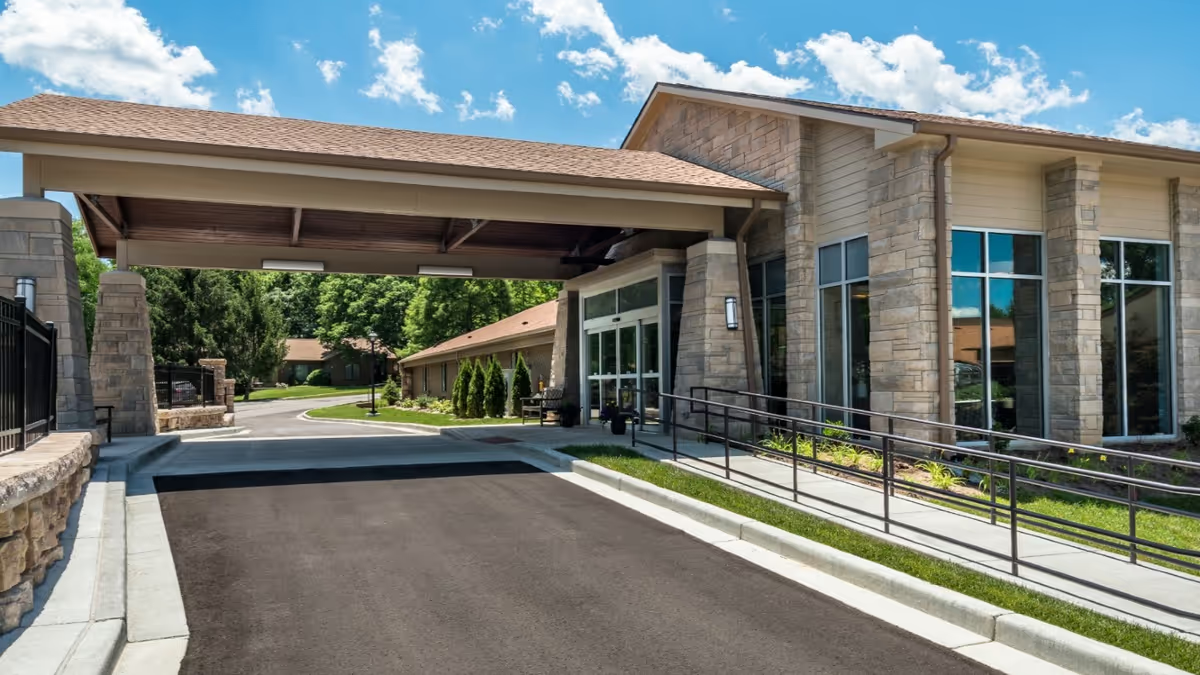
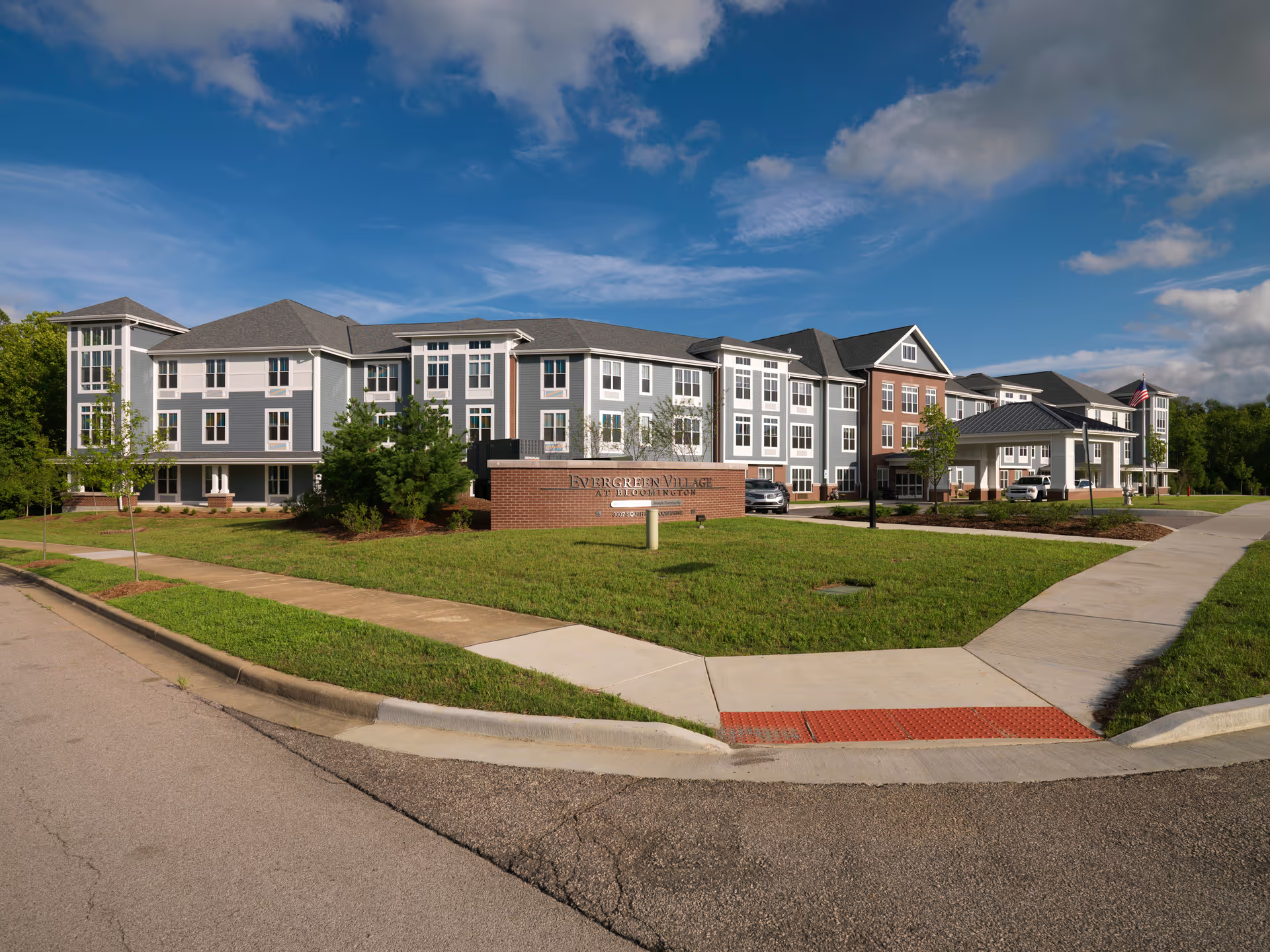
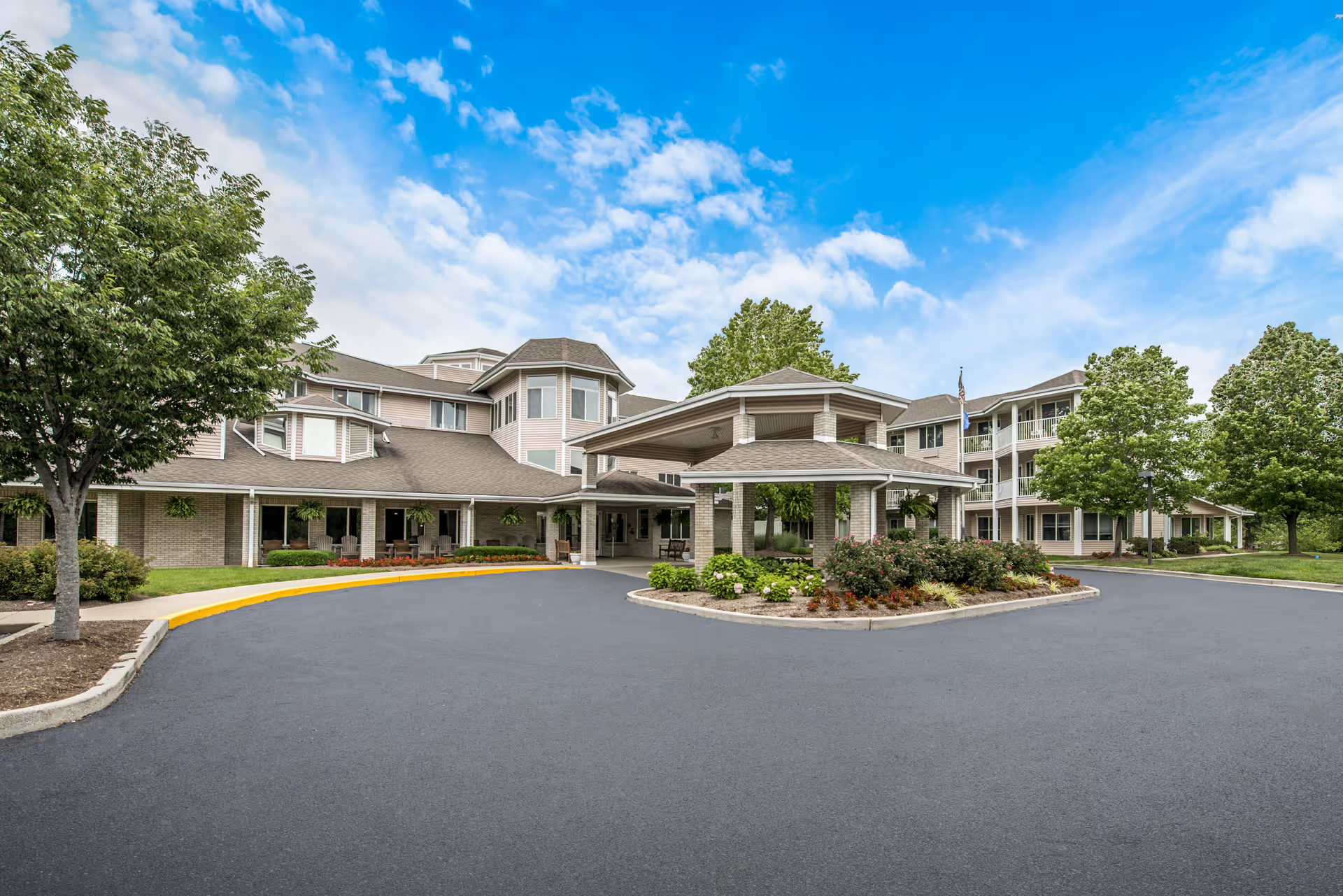
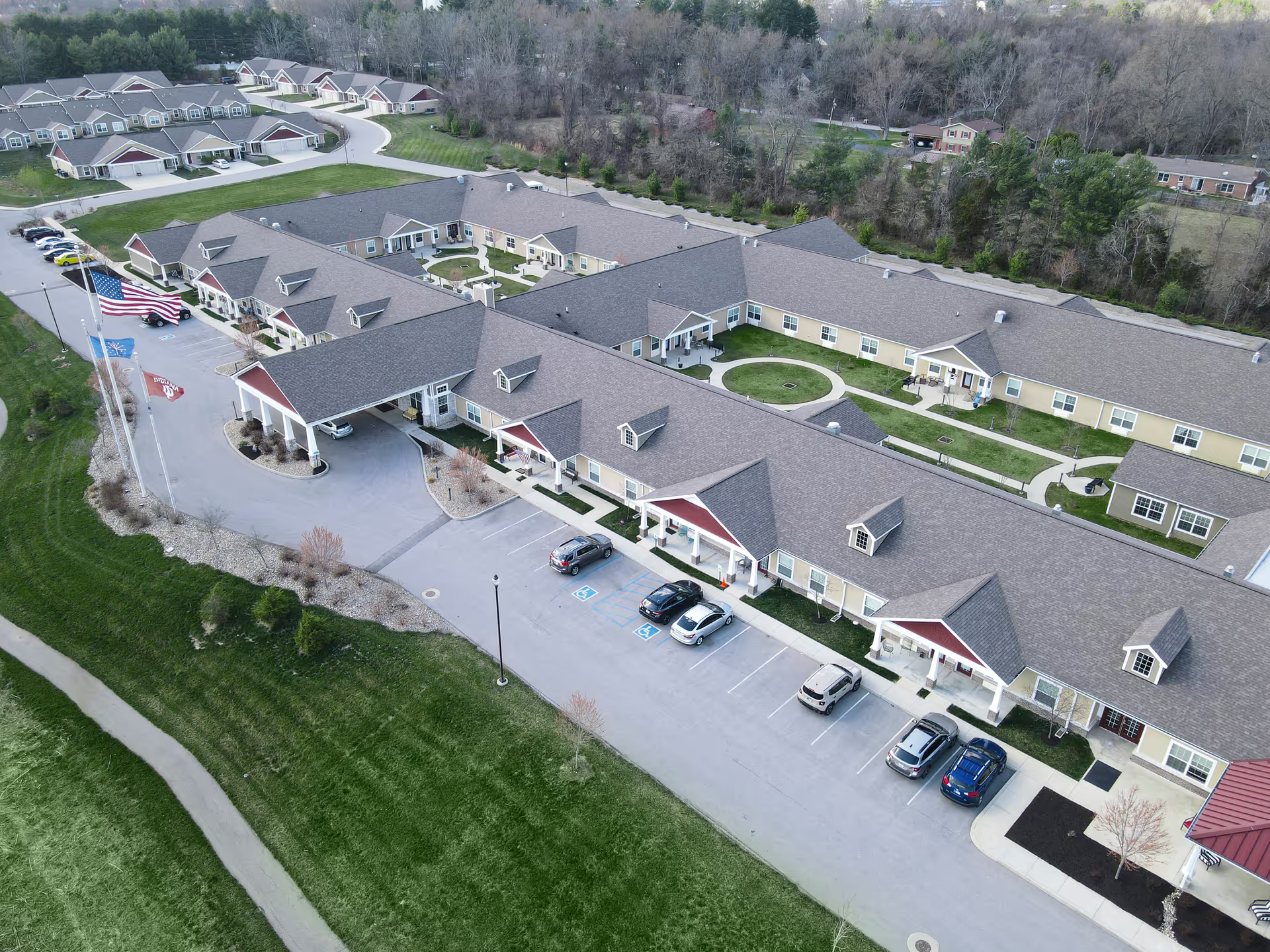
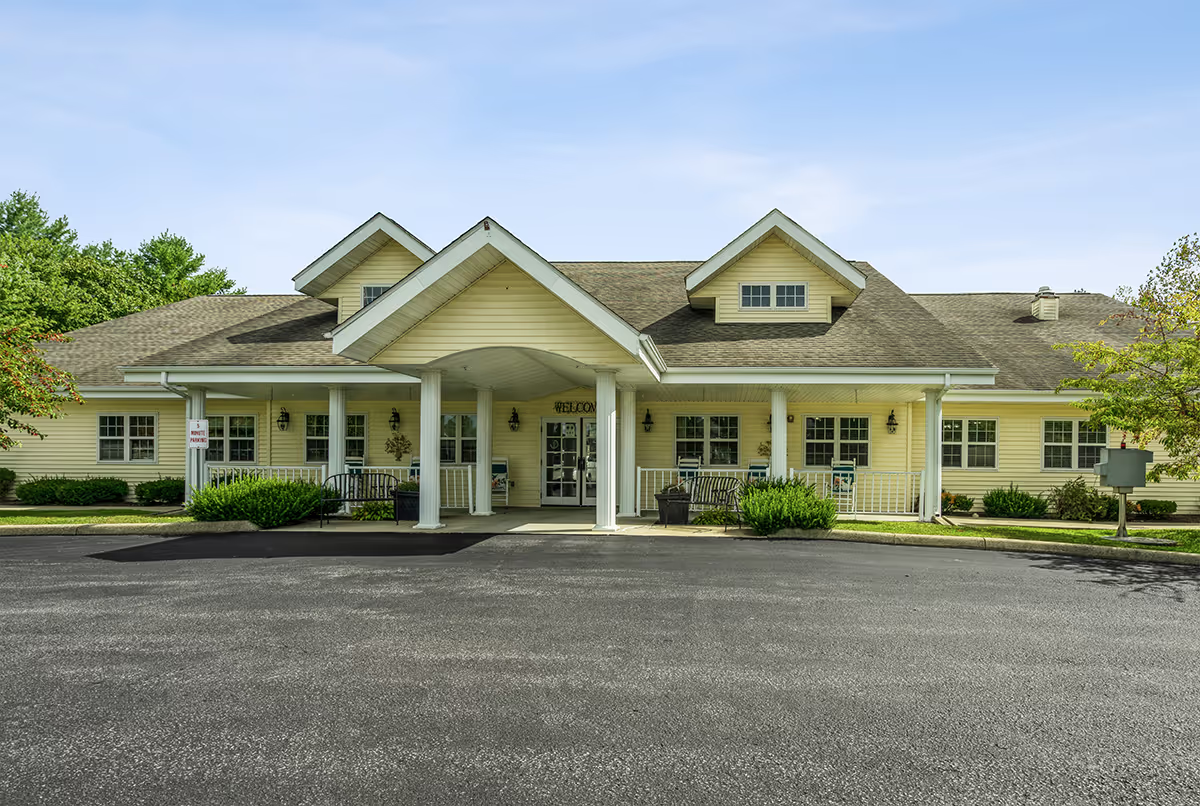
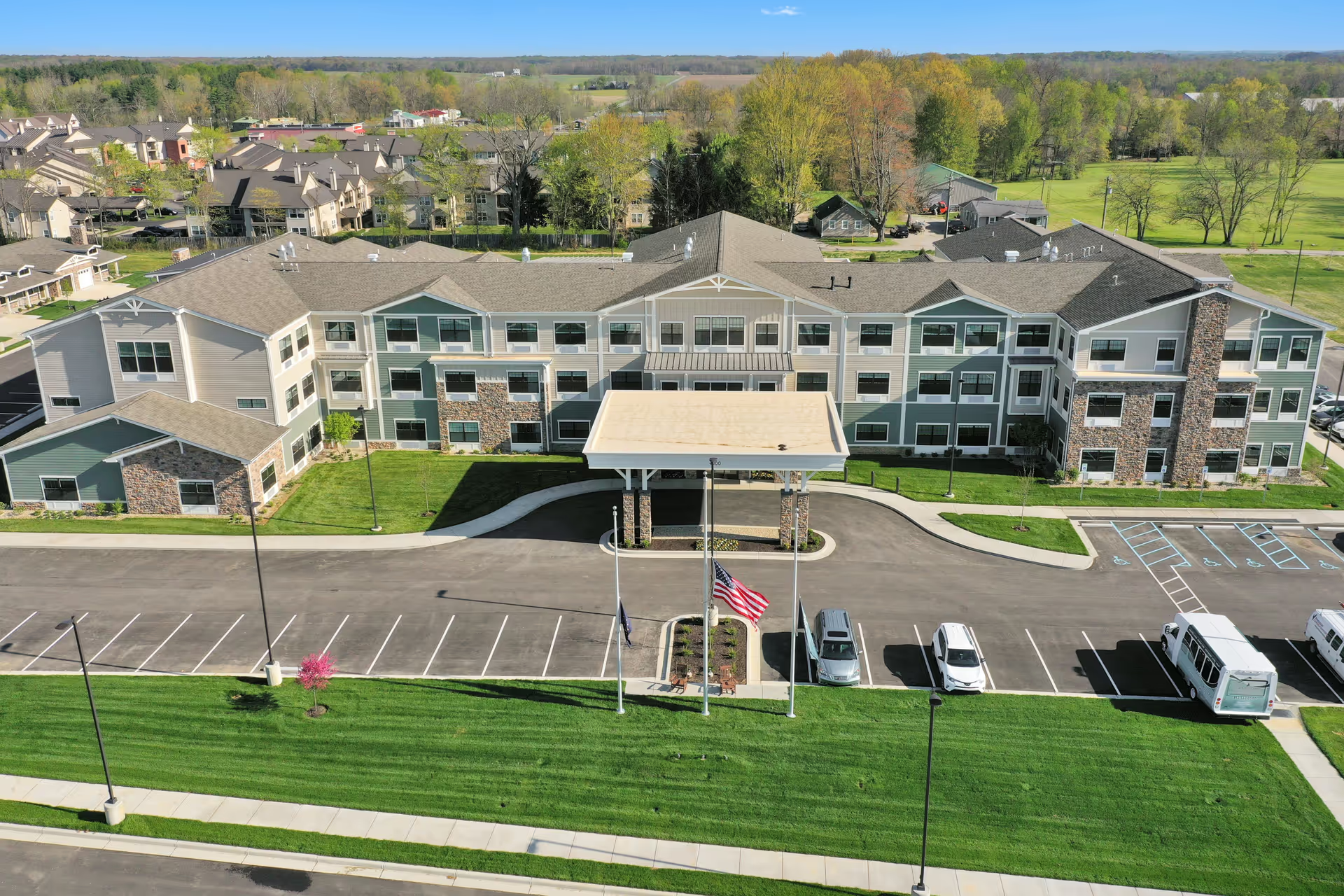
Facilities and room arrangements reflect trade-offs. The building and therapy areas are noted as attractive and well-kept in many accounts, but room size and configuration are limiting for some residents; there are references to small, shared rooms with communal bathrooms that may not meet preferences for privacy or space. Families should anticipate variability by unit and inspect assigned rooms during visits.
Management and communication emerged as recurring themes. Several reviewers described difficulties obtaining timely responses from leadership and frustration with complaint handling and follow-through. Reports of frequent leadership turnover, unclear decision-making, and gaps in emergency relocation or transfer planning were also noted. A subset of accounts raised serious concerns about property controls (missing personal items), and one or more reviewers characterized those as alleged incidents; prospective families should inquire about inventory, labeling and secure storage practices. Medication administration and timing drew mixed feedback — some praised strong medication management while others described delays — indicating inconsistent execution across shifts or units.
Notable patterns: feedback is polarized by type of stay and unit. Short-term rehabilitation and interactions with specific therapy staff tend to be positive, whereas long-term care experiences are more likely to include concerns about staffing, hygiene consistency, and management responsiveness. For prospective residents and families, an on-site visit is recommended with targeted questions about staffing levels (including evenings/nights), unit-specific housekeeping schedules, incontinence-care protocols, medication-administration practices, property-protection policies, and the facility’s emergency/transfer plan. Observing the facility during different times of day and speaking with both clinical leadership and frontline staff can help clarify whether the facility’s strengths align with the resident’s needs.