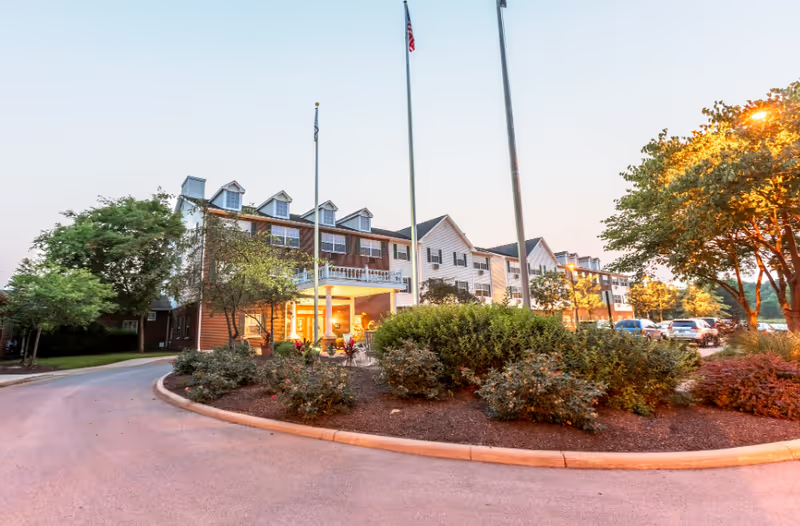
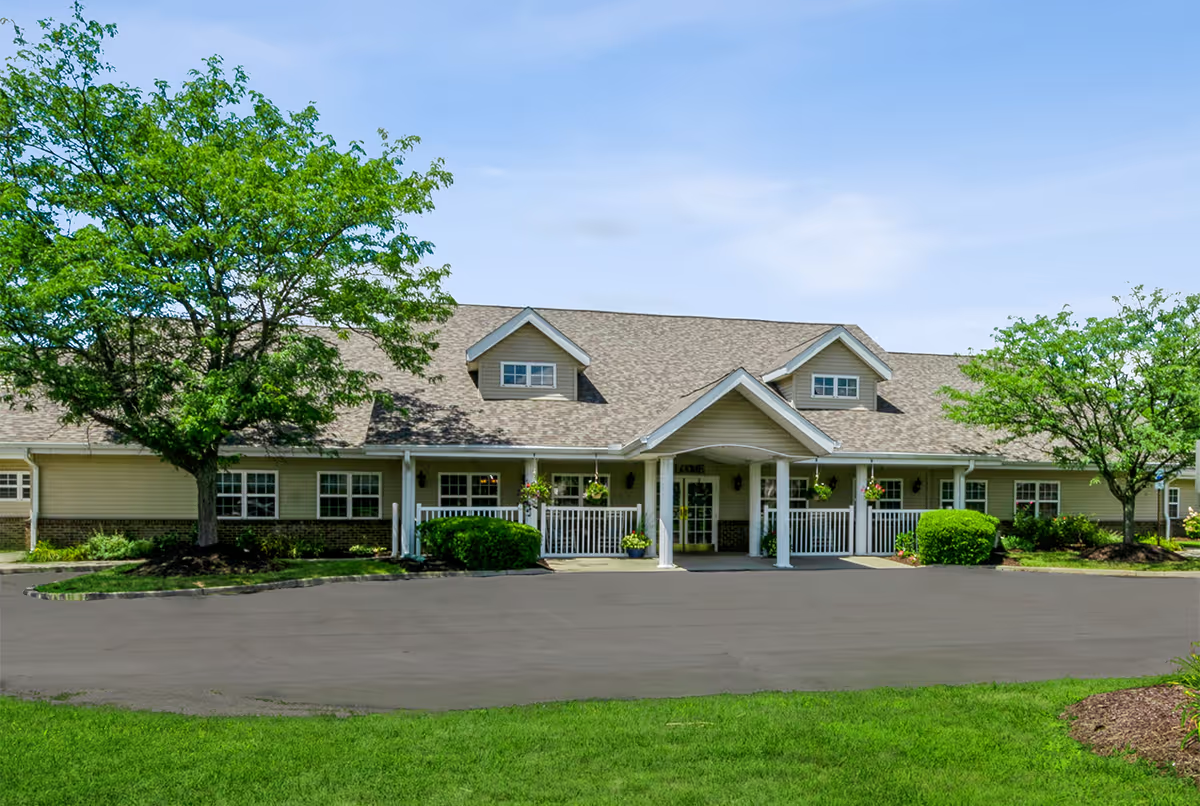
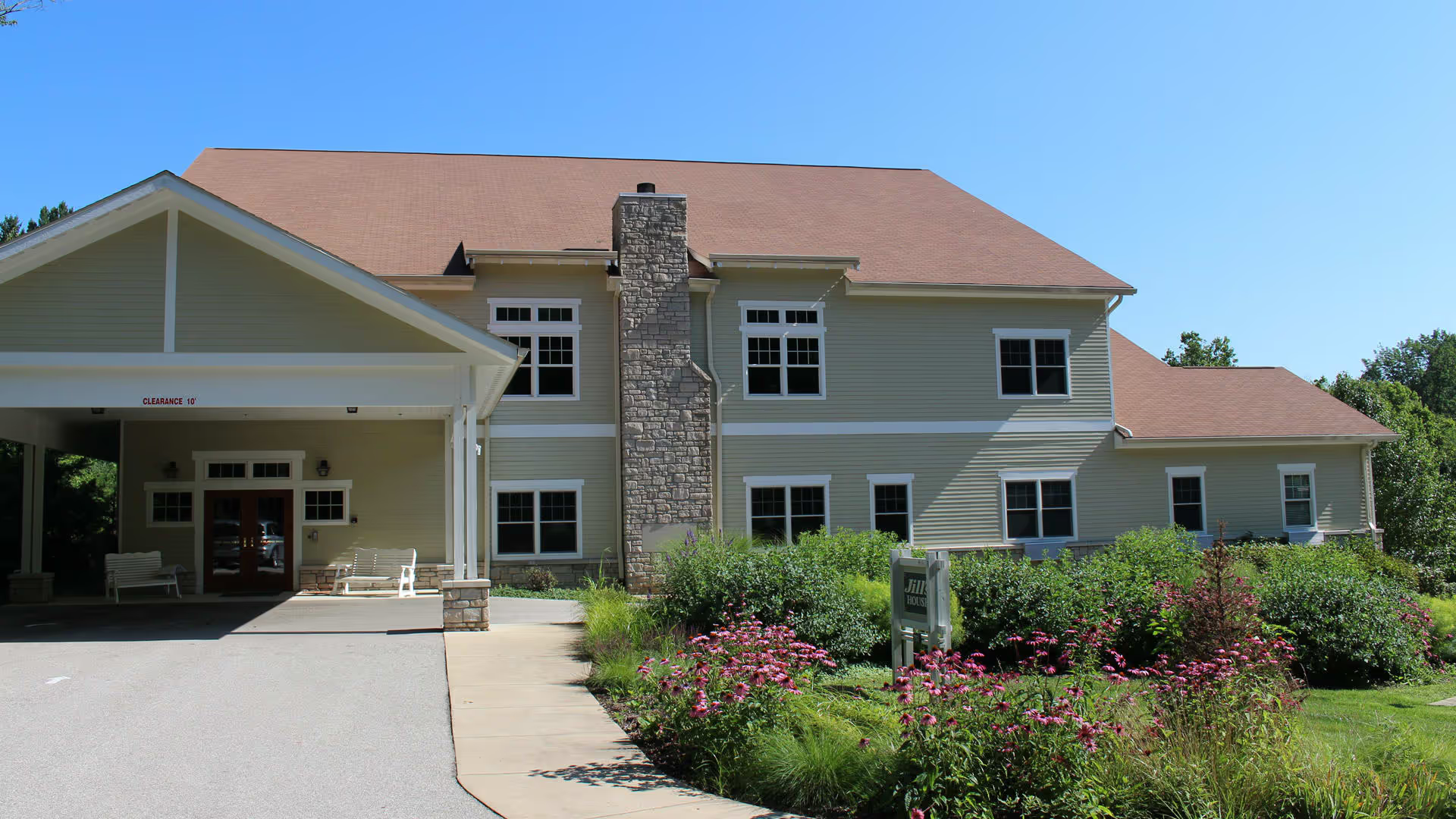
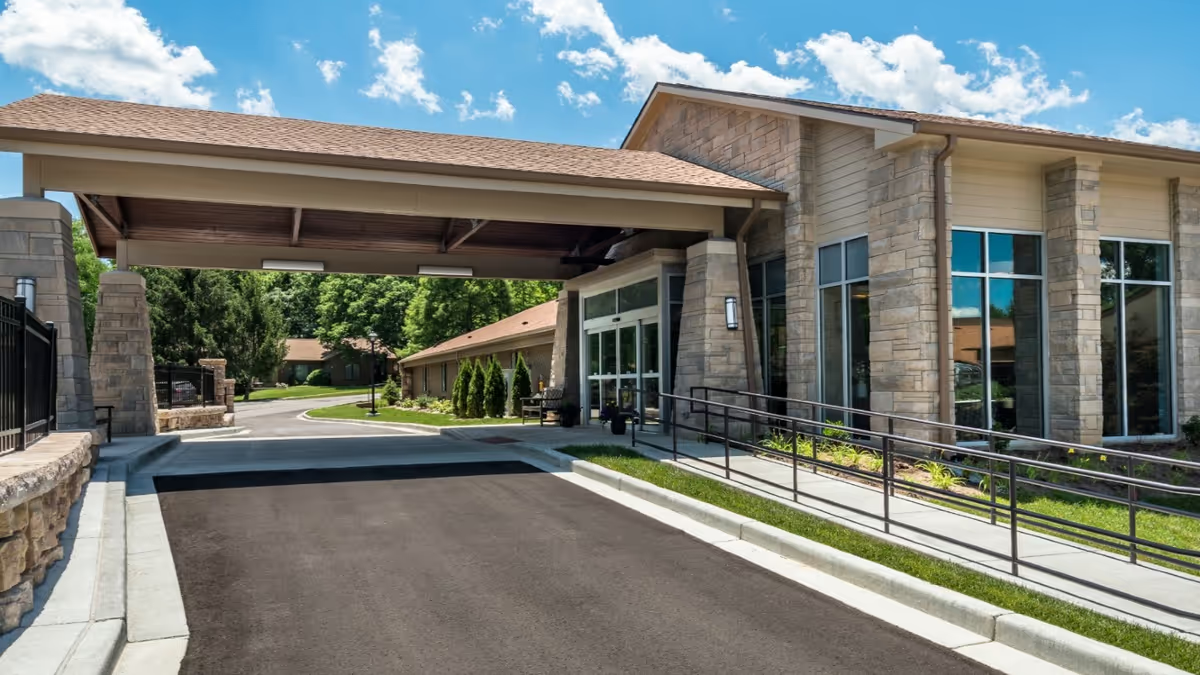
Aperion Care Summerfield elicits strongly polarized feedback. Many families and observers praise the facility for its compassionate, family-oriented culture, frequent engagement with residents, and specific experience with Huntington’s disease. Reviewers commonly describe an attentive direct-care workforce (nurses and CNAs), an active activities program that includes year-round outings, and leadership and interdisciplinary teams that prioritize resident dignity and quality of life. Several comments single out individual leaders and clinicians as responsive, which contributes to a sense of continuity and reassurance for families.
At the same time, a set of operational concerns recurs across reviews. Staffing levels and workload balance are described as inconsistent, which reviewers associate with lapses in routine personal care (for example, bathing and oral-care schedules) and with delays in responding to resident needs. Medication management is another area of concern: reviewers cite dosing and adjustment problems and general inconsistency in medication oversight. Safety practices also draw attention—there are concerns about fall-prevention and transfer-safety processes that have been linked to resident injuries, suggesting gaps in routine risk-management procedures.
Dining, activities, and the physical environment receive mixed assessments. The activities program and social engagement are widely praised and seen as a core strength; many families credit the program with supporting resident well-being. Food and dining quality are described variably, with some families praising meal preparation and others noting inconsistent meal quality. The facility is often described as clean and well maintained, though some accounts point to variability in housekeeping and sanitation standards across units.
Several reviews raise facility-level administrative issues worth evaluating when considering placement. Communication practices appear inconsistent: some families describe proactive, informative updates, while others report a breakdown in information flow. There are also serious procedural concerns around property security and allegations related to theft and marketing accuracy—specifically, discrepancies between advertised room attributes and actual room size or accessibility. Finally, while the facility is frequently recommended for residents with early-stage Huntington’s disease, reviewers suggest it may have limited capacity or protocols for managing advanced, late-stage needs.
Recommendations for prospective families: weigh the facility’s evident strengths in staff compassion, Huntington’s-focused programming, and activities against the operational issues described. When touring and interviewing staff, ask for current staffing ratios, documentation of medication-management protocols, fall-prevention practices, examples of family communication, verification of room dimensions and accessibility, and policies for safeguarding residents’ personal property. These targeted checks can help clarify whether the facility’s strengths align with a potential resident’s clinical and safety needs.