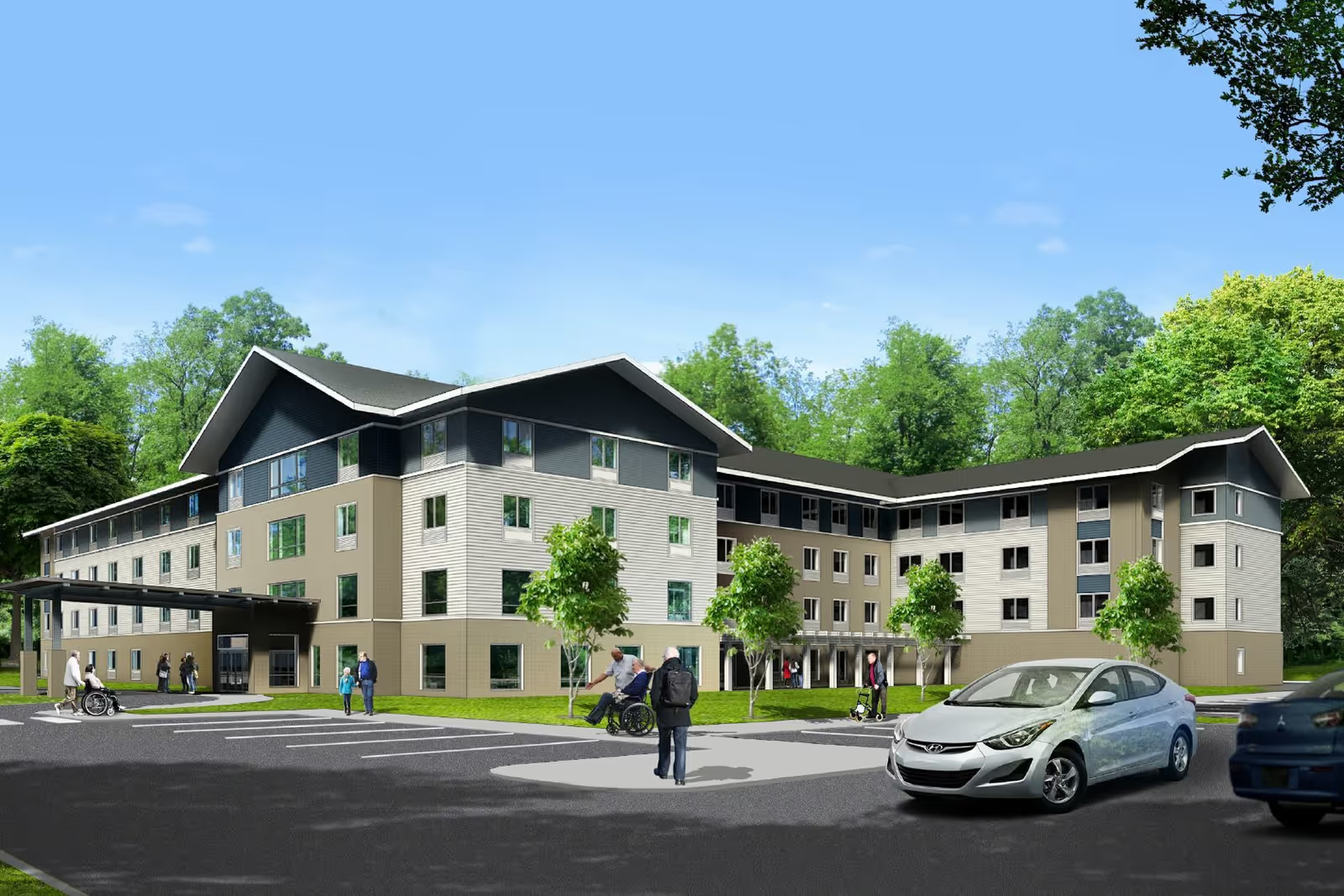
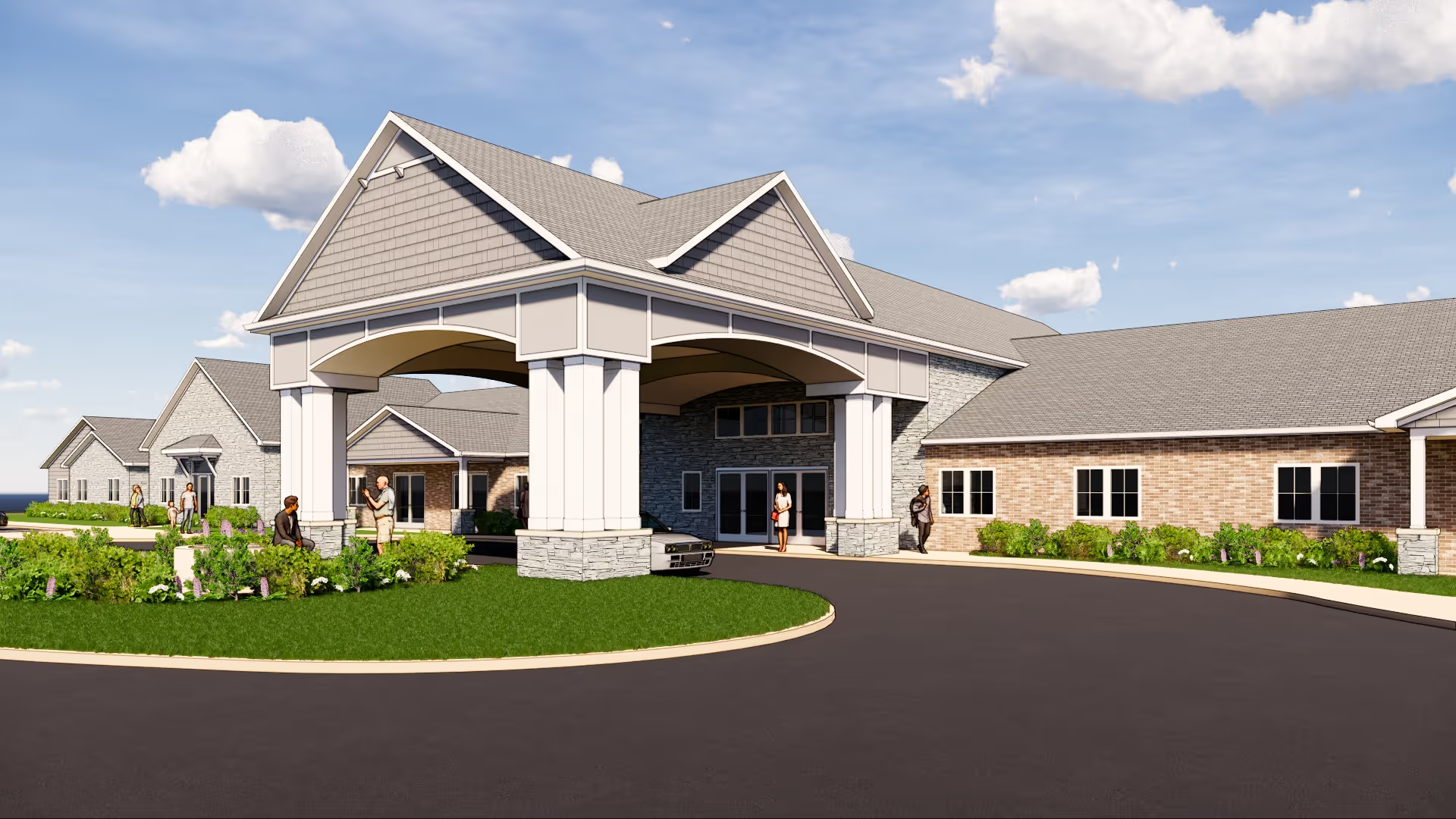
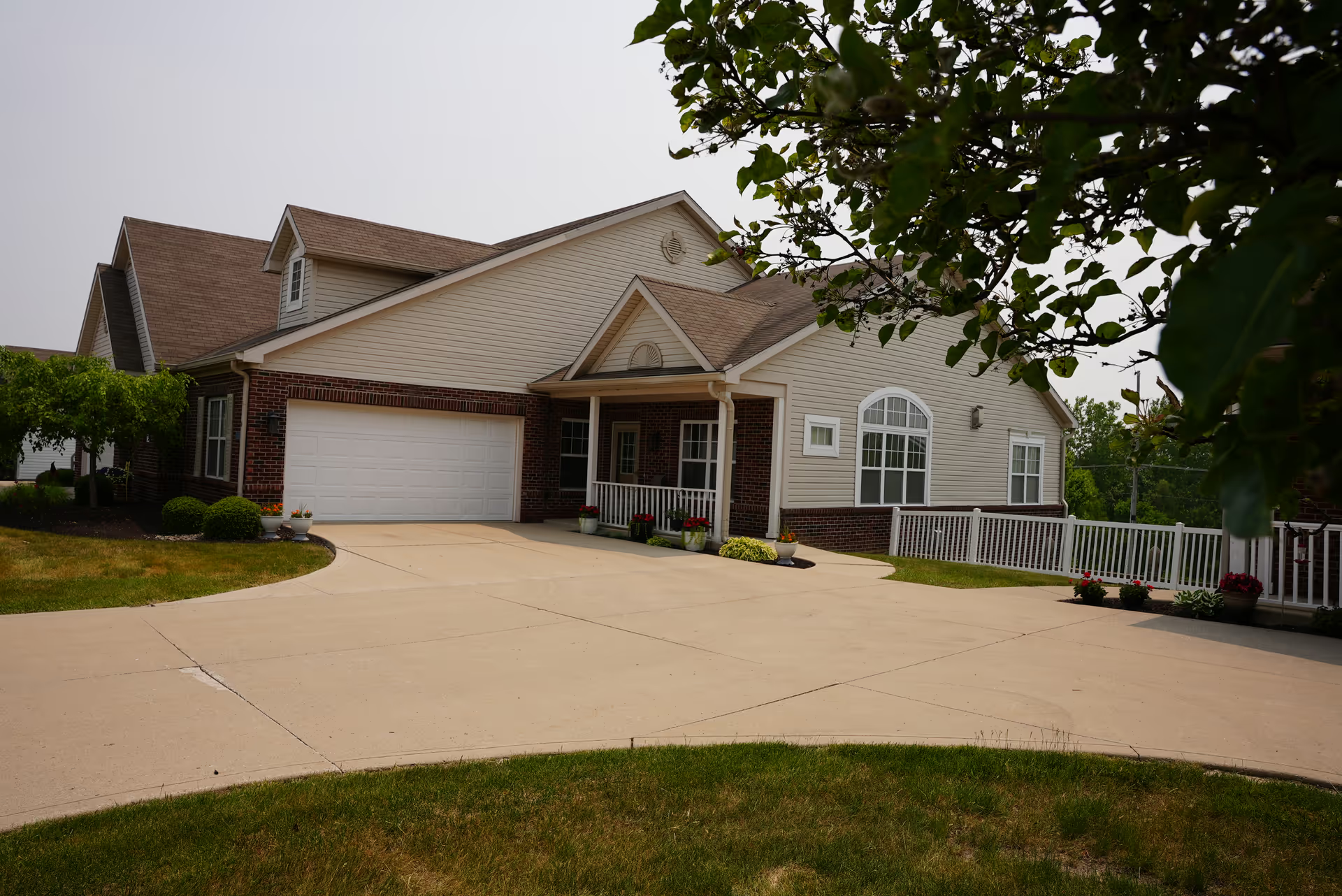
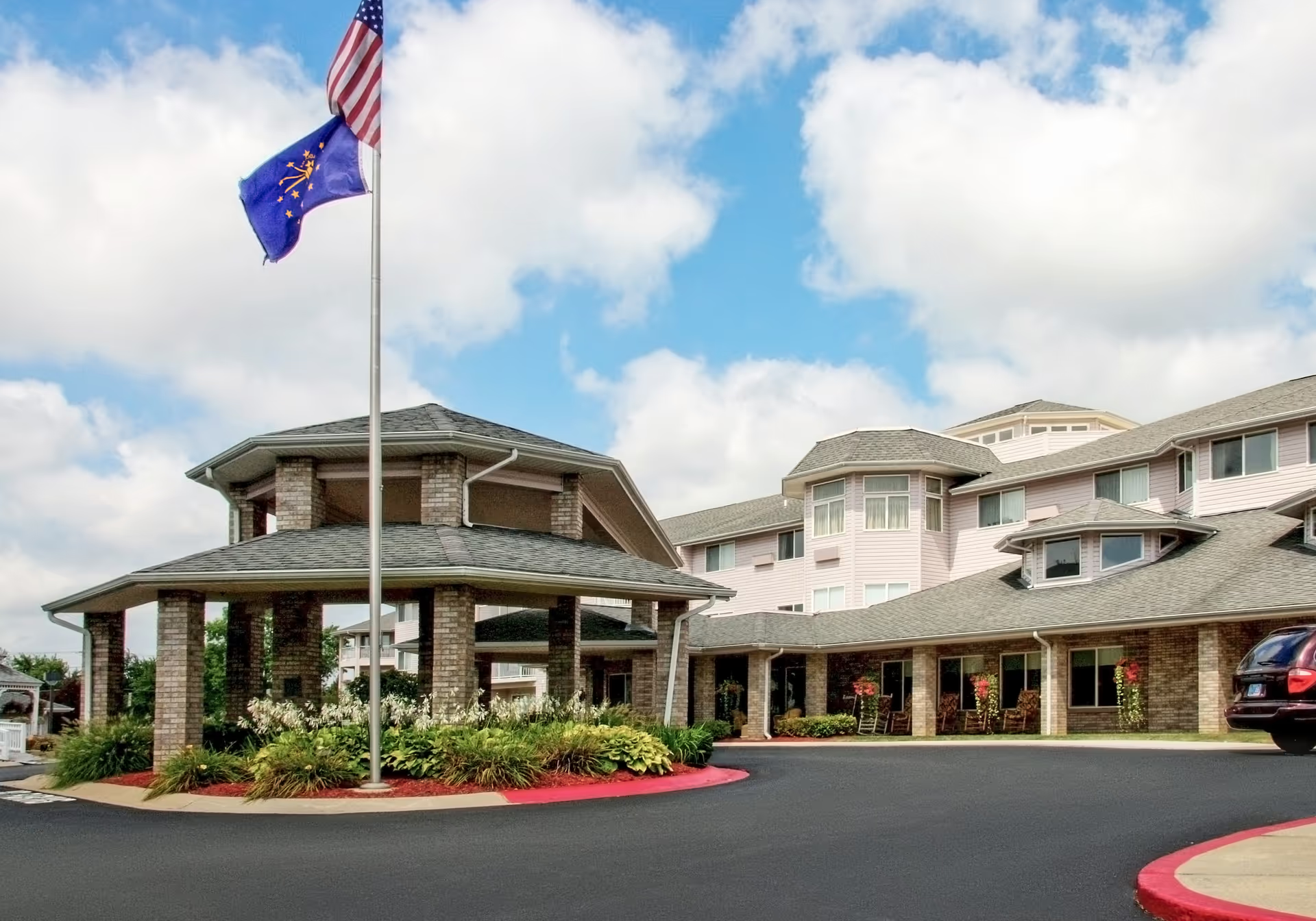
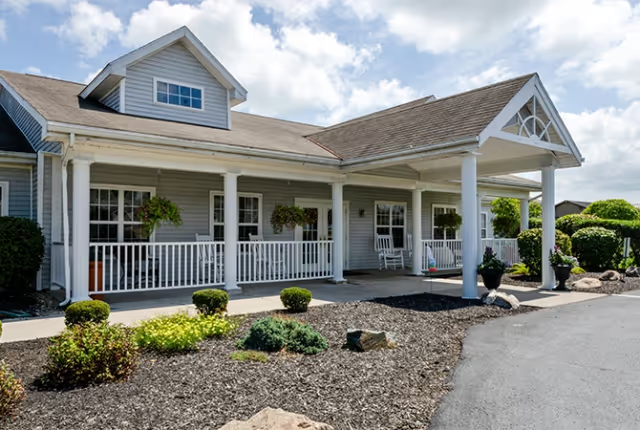
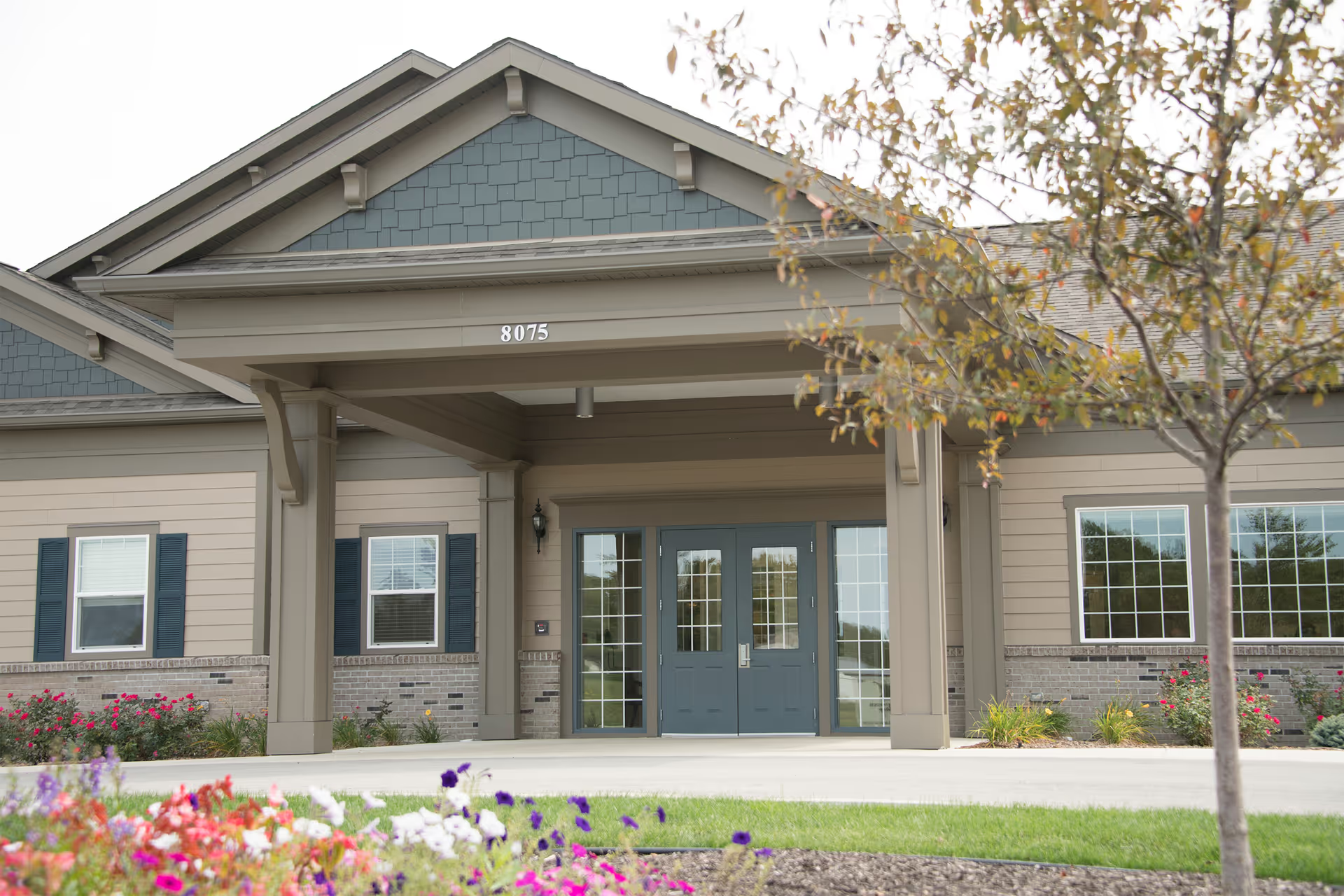
Adams Woodcrest of Decatur elicits a mixed but instructive set of impressions. Many families and residents praise the facility for comfortable, clean rooms, a pleasant communal environment, and an active social program. The dining program is commonly described as good in quality, and the facility has a variety of activities—bingo, movie nights, bus trips, religious services, seasonal teas and crafts, and school visit programs—that support social engagement and family involvement. Therapy and rehabilitation spaces are described as well-equipped, and the affiliation with Adams Memorial Hospital is seen as a positive clinical linkage. Several reviewers also note active remodeling plans that acknowledge the building’s age and signal ongoing investment in the physical plant.
Staffing and day-to-day care receive largely positive comments for kindness and attentiveness: certified nursing assistants and nurses are frequently characterized as compassionate, and families cite quick communication when issues arise. At the same time, a subset of reviews raises serious concerns about clinical responsiveness, escalation of post-surgical or acute symptoms, and the handling of clinical incidents. These accounts describe delays in diagnosis or escalation and instances of unprofessional conduct during care interactions; together they indicate gaps in consistent clinical oversight and incident-response processes that prospective families should question and monitor closely.
Operationally, reviewers identify persistent challenges around staffing consistency and management practices. Comments point to reliance on agency personnel, perceived favoritism in scheduling, front-desk communication problems, and organizational disorganization at times. Financial concerns are also recurrent: increases in rent and perceptions that admission costs or promised service levels do not always align with delivered value. Dining continuity was affected by infection-control or policy changes in some periods (for example, moved-from-dining-room service and menu reductions), which contributed to resident dissatisfaction in certain cases.
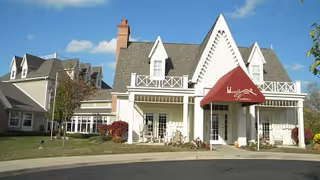
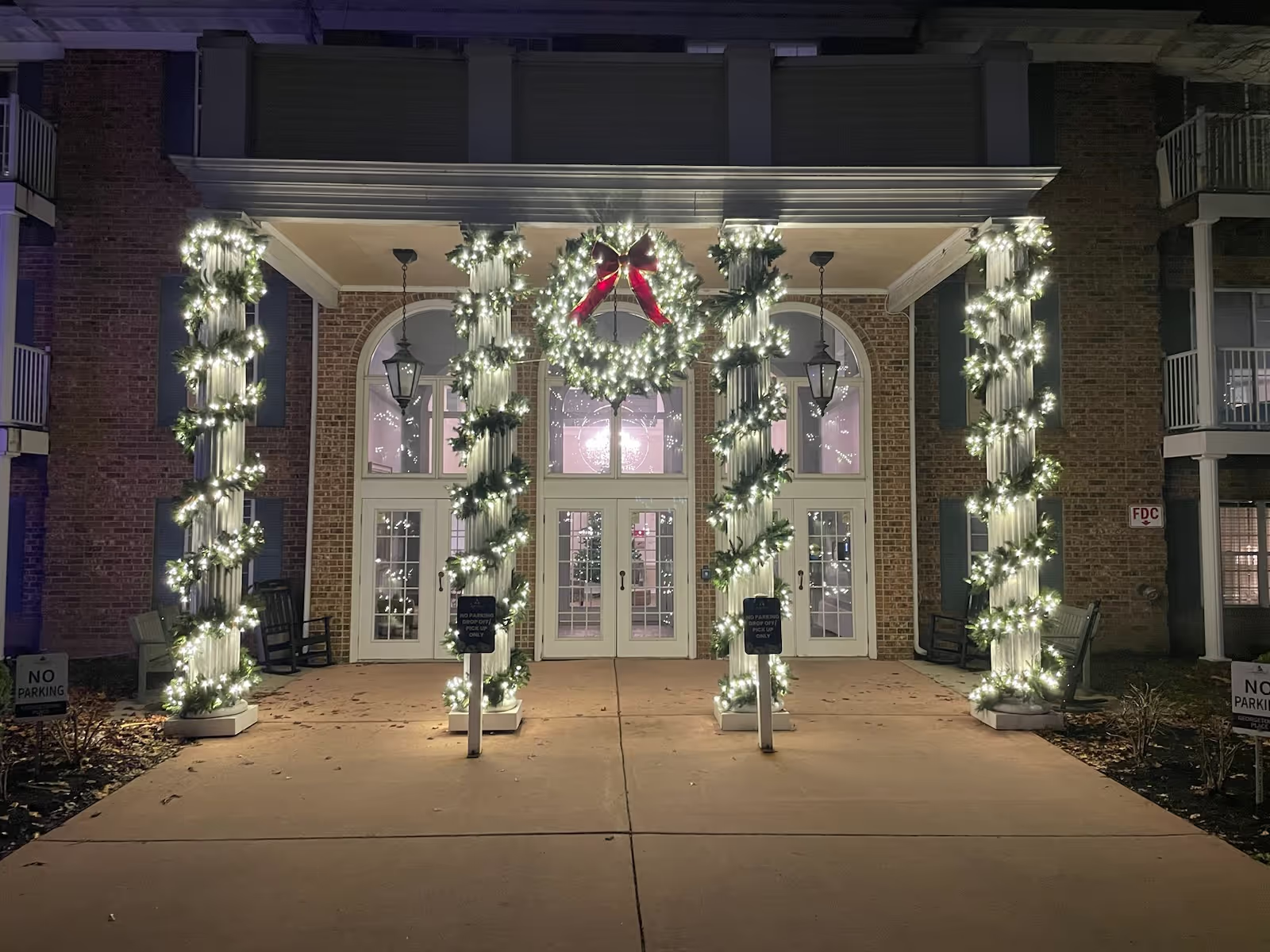
Facility and accessibility issues are another theme. The building—originally constructed in the 1990s—shows areas that reviewers feel need renovation, and some room design choices have created accessibility challenges for residents with visual impairments or mobility limitations. Conversely, communal areas and therapy spaces are described as clean and well-maintained. Finally, families frequently praise the social director and the breadth of programming, noting meaningful intergenerational activities and regular communal events that support resident quality of life.
In summary, Adams Woodcrest offers many strengths: supportive frontline staff, engaging activities, solid therapy resources, and an overall clean, comfortable environment. However, there are nontrivial operational and clinical concerns—particularly around staffing consistency, clinical escalation protocols, management communication, and cost/value alignment—that warrant direct questions during a tour and follow-up with the administration. Prospective residents and families should request current staffing ratios, incident-response policies, recent renovation timelines, and examples of care-plan escalation to help balance the facility’s clear social and rehabilitative advantages against the operational weaknesses noted above.