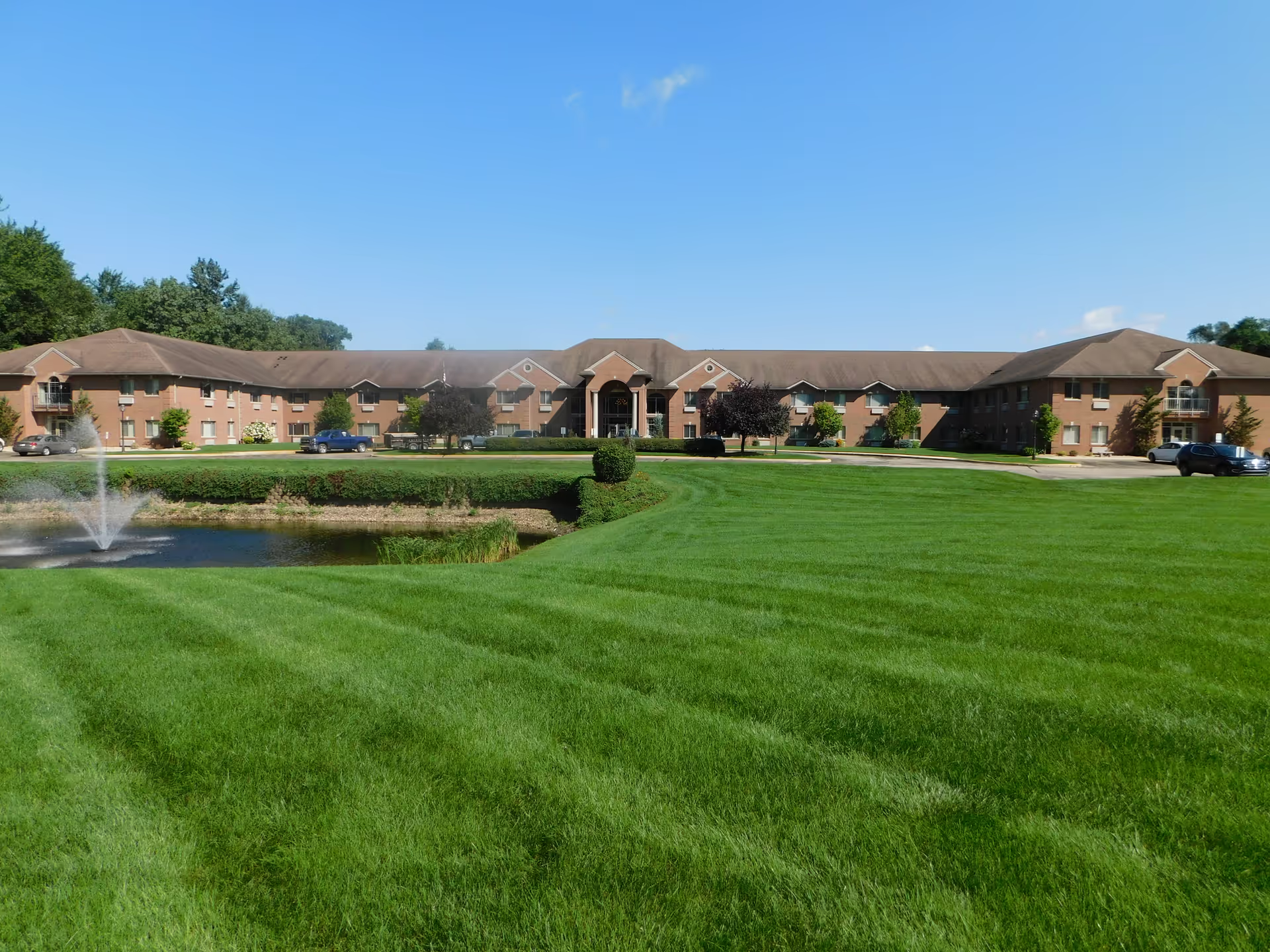
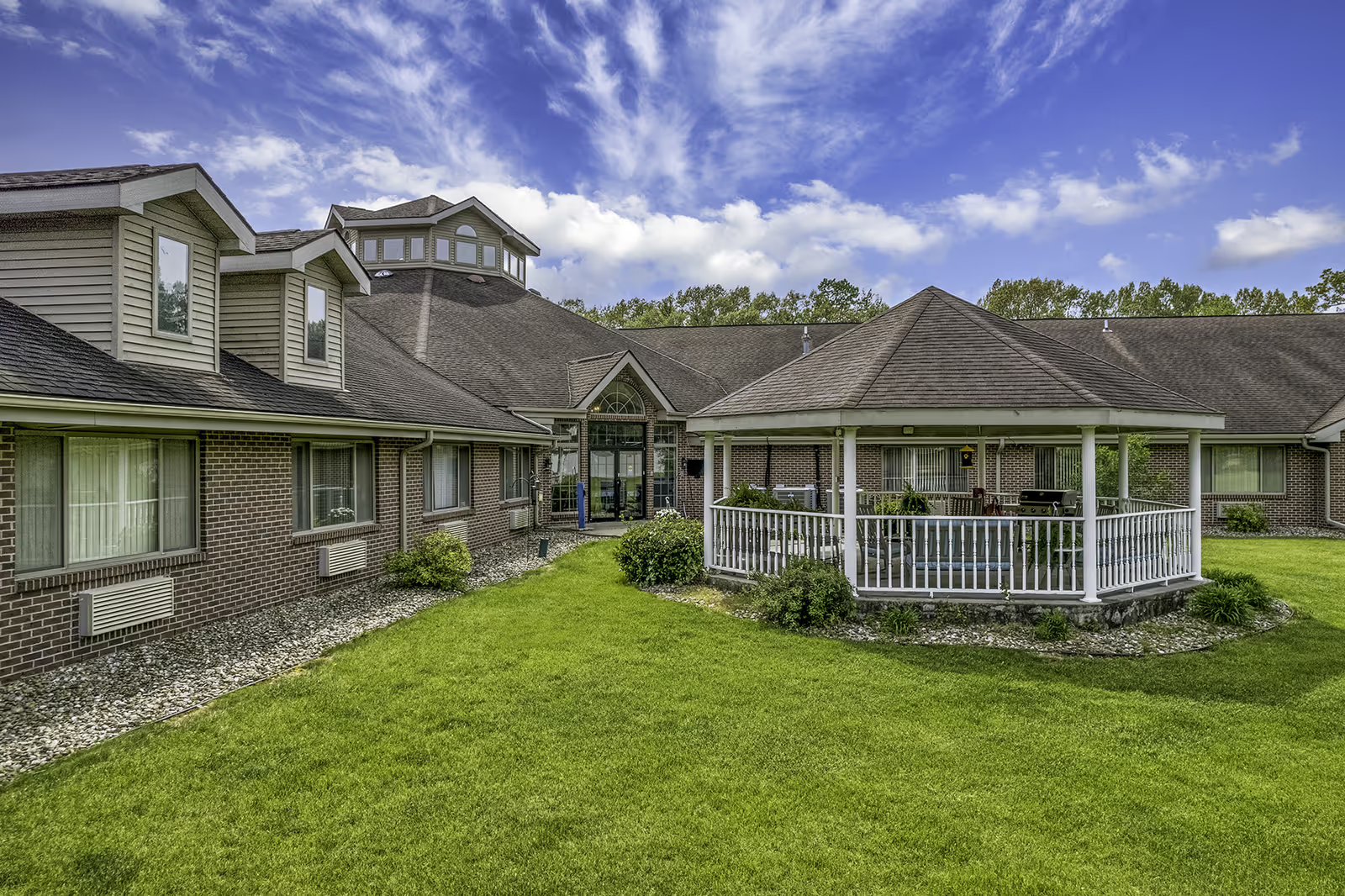
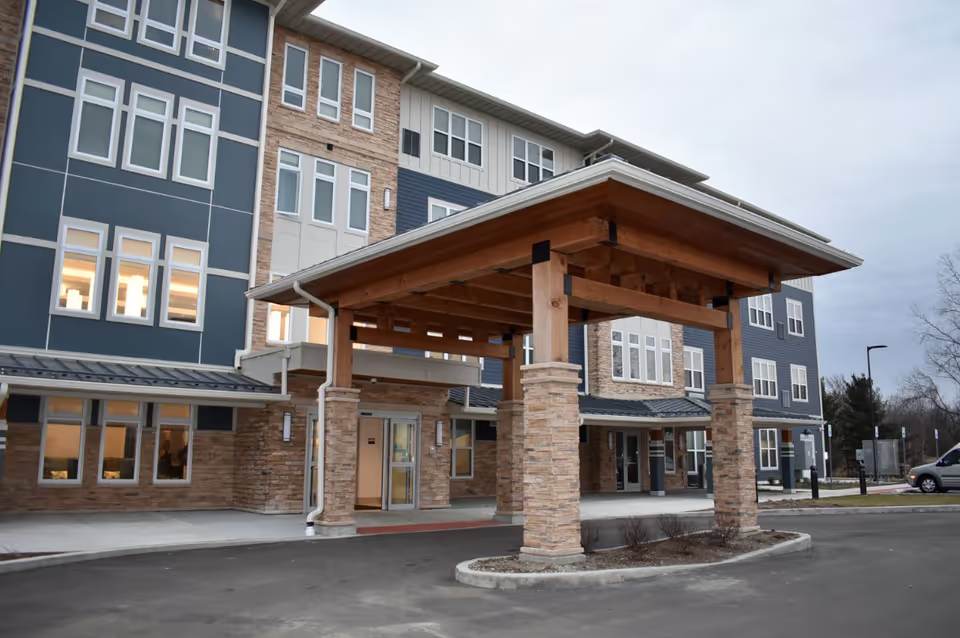
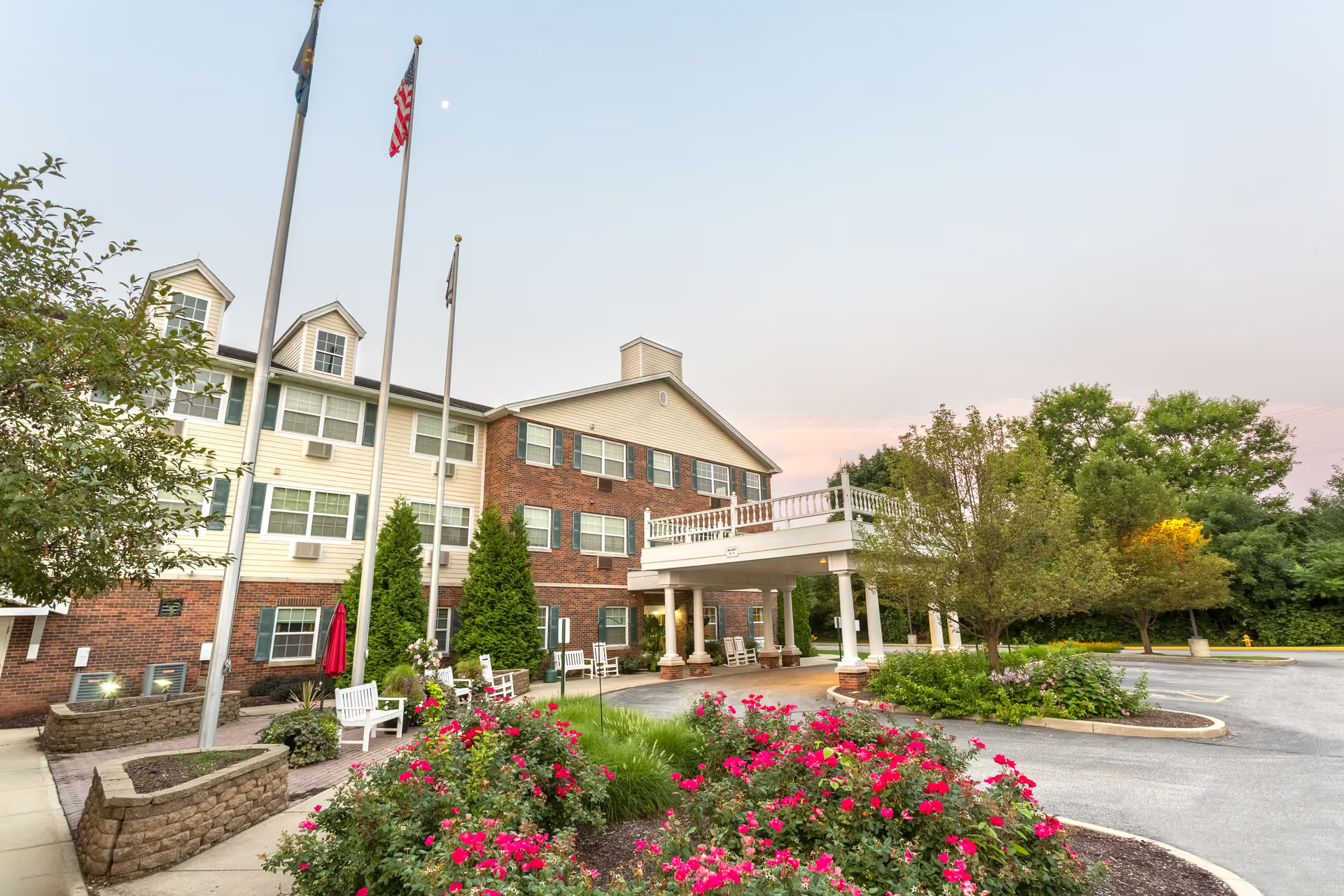
Reviews describe a facility with clear strengths in rehabilitation and certain clinical and social services alongside persistent operational challenges. The rehabilitation program and therapy staff receive consistent praise for restoring mobility and providing hands-on, effective short-term care; several reviewers attributed positive functional gains to the physical and occupational therapy teams. The memory-care unit is frequently noted as a strong area, with staff who appear trained and attentive to dementia-related needs. Many visitors and families also highlight caring nurses and CNAs, activity programming, on-site amenities (beauty/barber, Wi‑Fi), and a welcoming community atmosphere in portions of the facility.
At the same time, reviewers identify recurring operational weaknesses that affect day-to-day living. Staffing shortages and heavy workloads were frequently mentioned and are associated with delays in responding to call buttons and bed/room needs, inconsistent assistance with toileting and personal care, and variable night-shift attentiveness. Comments indicate uneven staff conduct: some employees are described as compassionate and engaged while others are characterized by poor communication or brusque interaction. There are also concerns about medication handling, changes to clinical or therapy plans without family communication, and occasional therapy practices perceived as overly aggressive for some residents.
Dining and housekeeping are another area of mixed feedback. Meal quality and service timing are described as inconsistent—examples include cold or overcooked food, late trays, and inadequate assistance at mealtime for some residents—while other reviewers praised enjoyable meals and good dining experiences. Cleanliness and housekeeping receive both positive and negative remarks: some common areas and rooms are described as well-kept, whereas others note sanitation and odor concerns, inconsistent laundering or bedding condition, and isolated pest-control concerns. Accessibility issues are also raised, including small, not fully wheelchair-friendly bathrooms and corridor clutter that can impede mobility.
Management and administrative themes are similarly mixed. Several comments praise engaged leadership, teamwork, and a family-centered approach; others describe difficulty reaching case management, long phone hold times, and billing or property-security issues that families had to escalate. A small number of serious allegations (property loss, billing irregularities, and care-related injuries) appear in the feedback and contributed to family distrust in those cases; these items suggest the need for clearer policies and stronger procedural safeguards.
Overall pattern: East Lake Nursing and Rehabilitation Center appears to offer robust short-term rehab and a strong memory-care option with many staff who provide compassionate, attentive care. However, persistent staffing constraints, variability in clinical communication and medication processes, inconsistent dining and housekeeping standards, and operational gaps in responsiveness and family communication are important considerations for prospective residents and families. Those evaluating the facility should weigh the likelihood of strong therapy outcomes and caring staff against the potential for intermittent operational shortfalls in long-term custodial care, and should raise specific questions about staffing ratios, call response protocols, medication communication, meal services, accessibility features, pest control, and billing procedures during tours or admissions discussions.