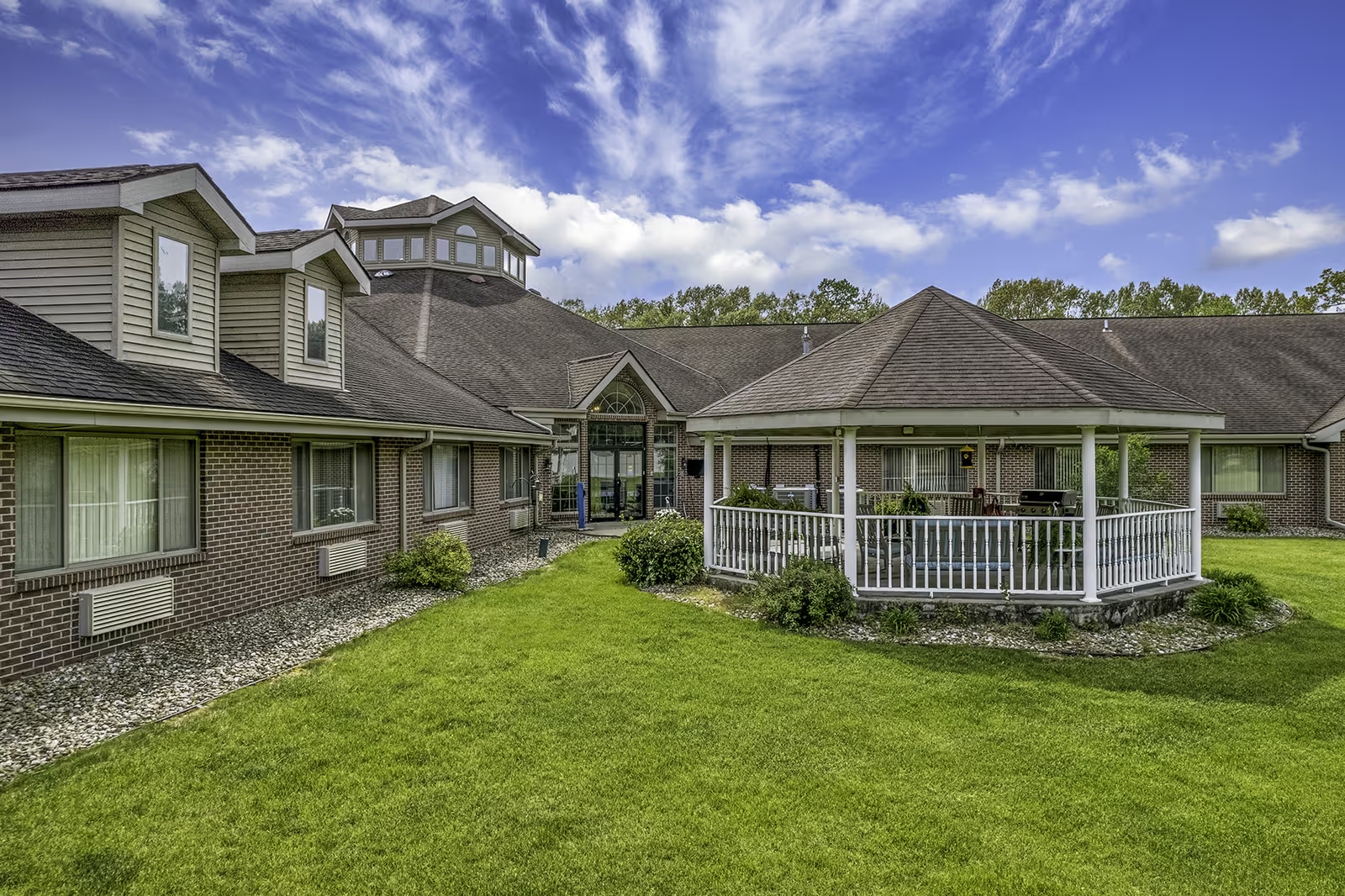
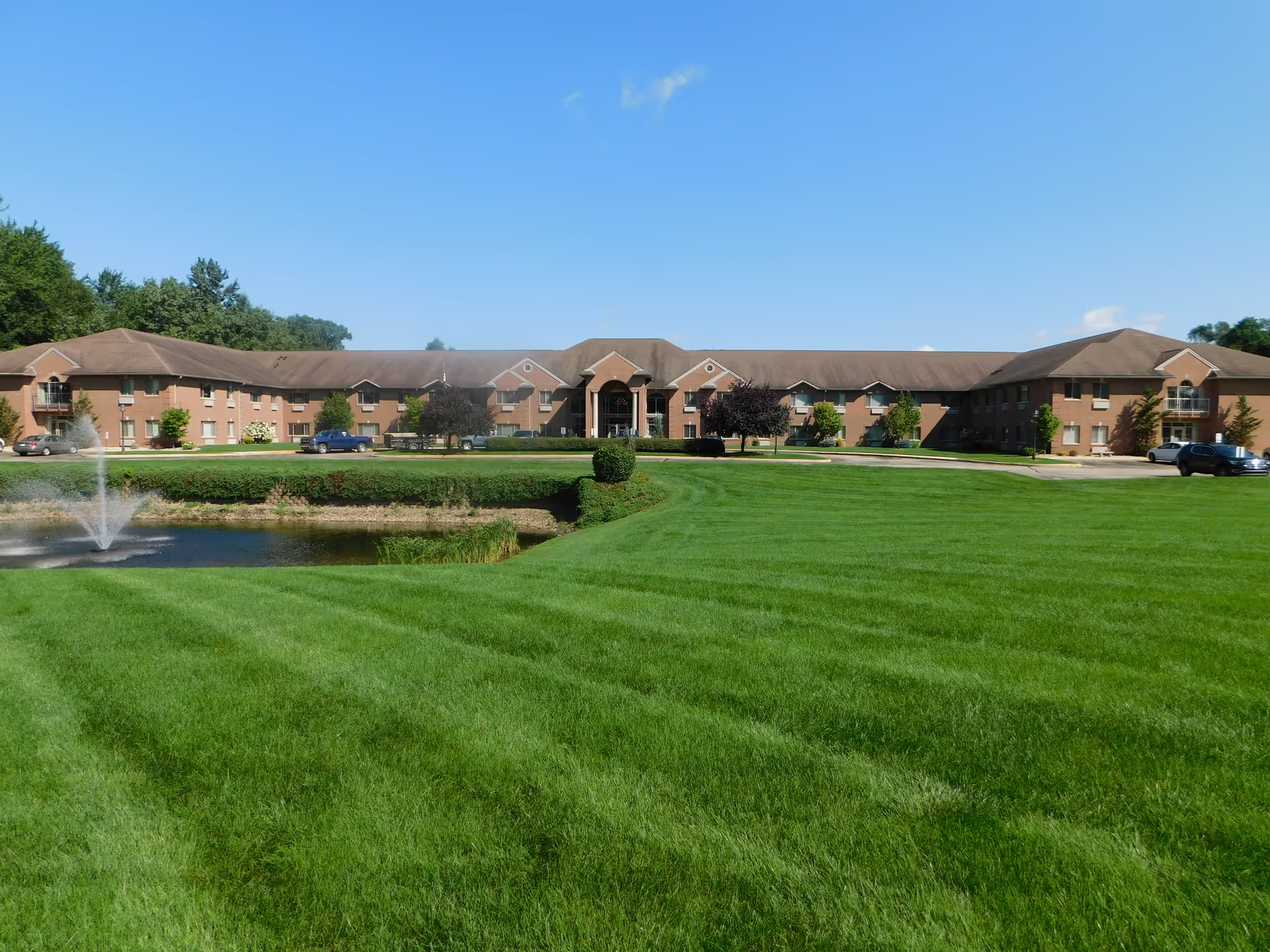
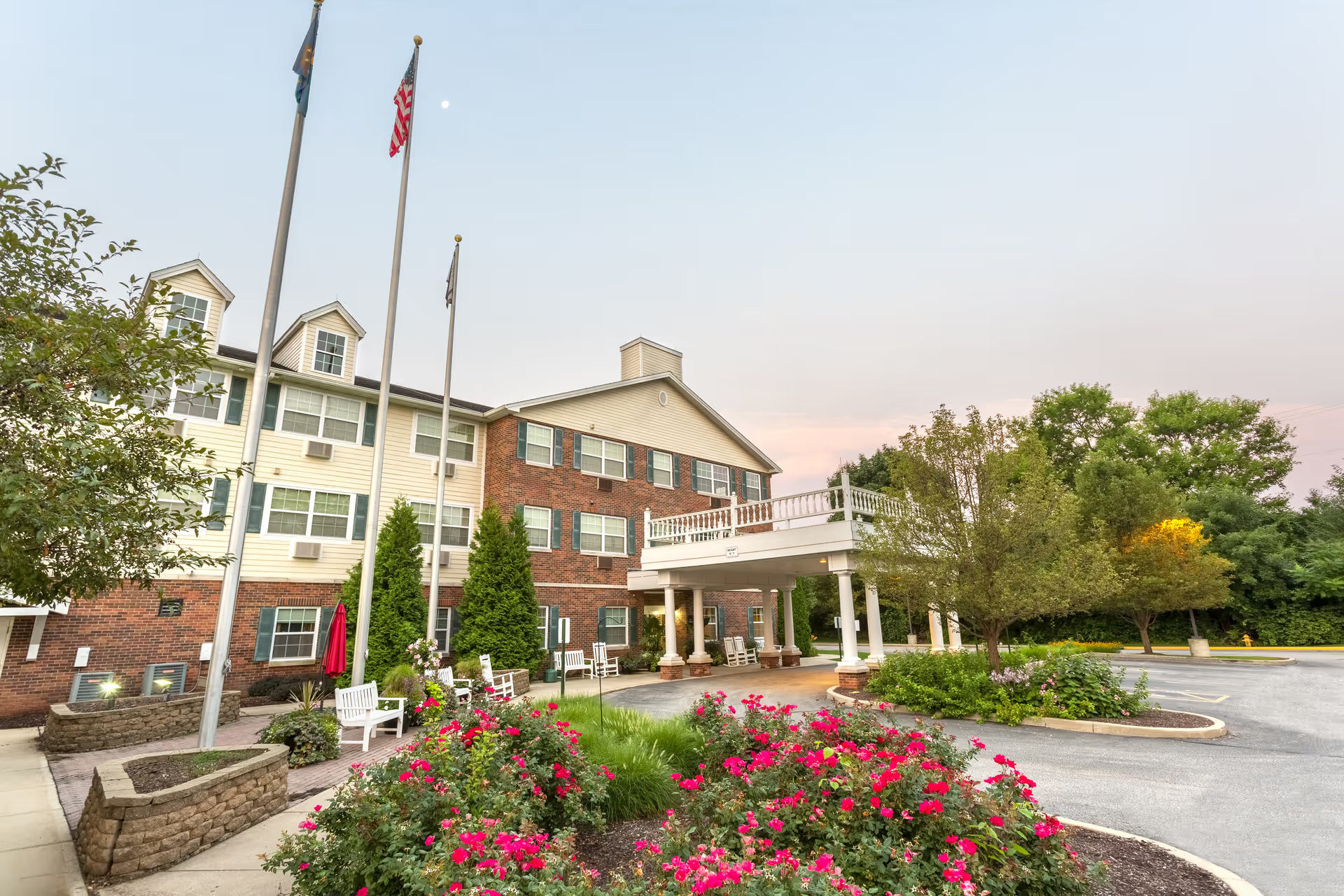
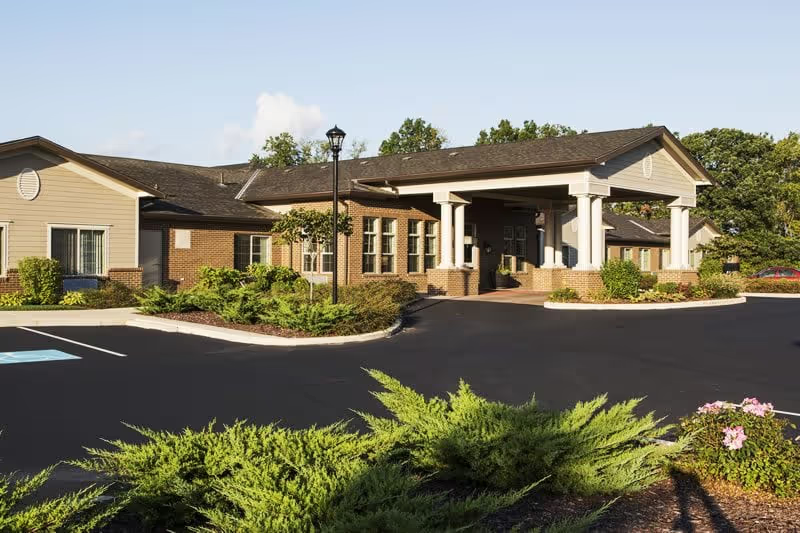
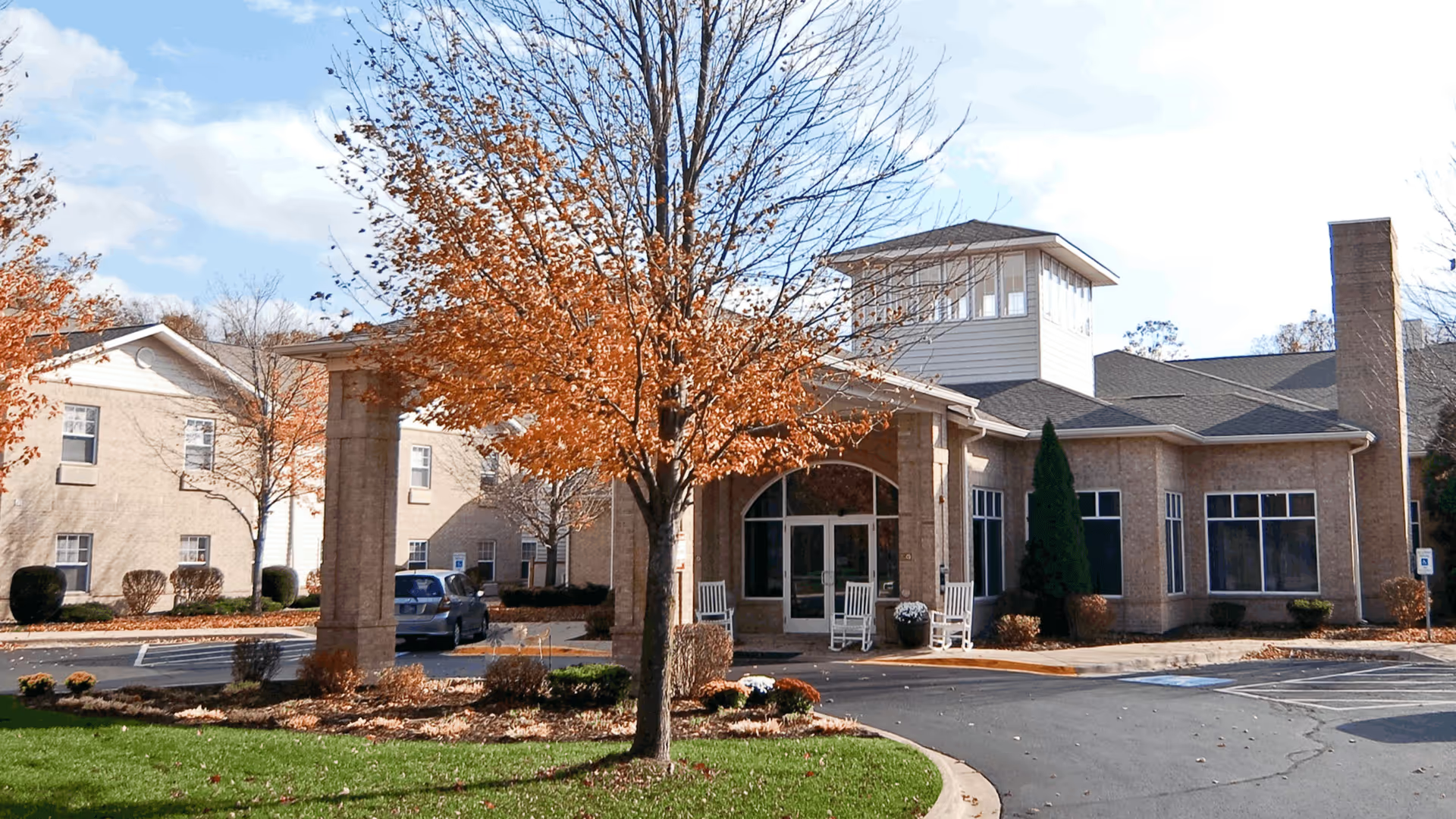
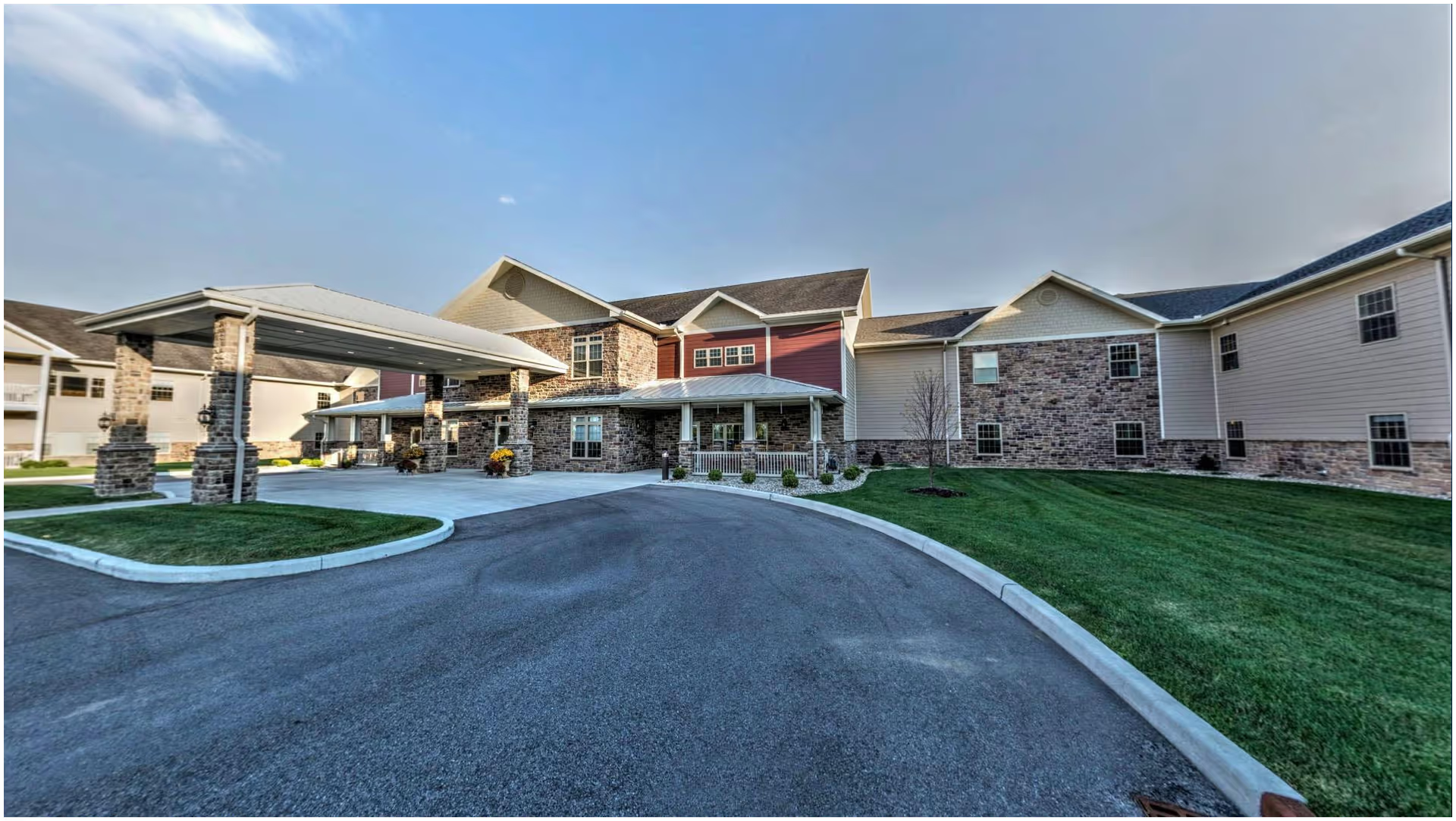
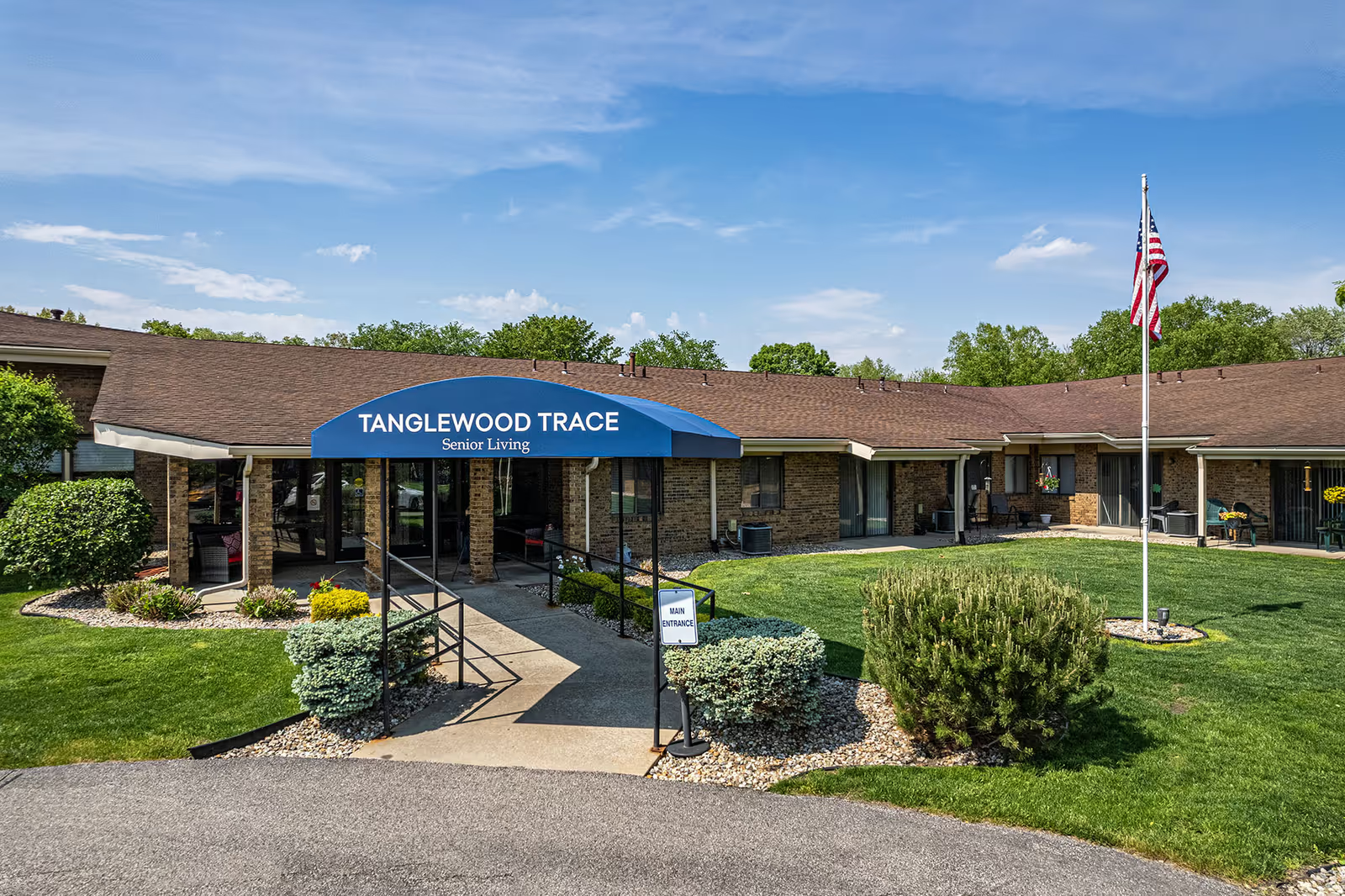
The reviews for Hellenic Senior Living of Elkhart present a sharply mixed picture. Many families and some residents describe a clean, attractive facility with warm, attentive caregivers and a capable nursing presence. Positive comments highlight an up-to-date building, welcoming common areas, active social programs, and appealing meals prepared by a noted chef. Several accounts emphasize a smooth move-in experience, residents who are pleased with daily life, and staff who are engaged and supportive, including effective infection-control practices during the COVID period.
Counterbalancing those positives are numerous operational concerns that recur across accounts. Staffing appears inconsistent: reviewers cite high turnover, frequent staff changes, and periods of understaffing that create variability in day-to-day care. Related clinical risks were described in multiple ways, including missed or delayed medications, questionable pill-handling practices, and difficulties coordinating perioperative medication needs. Those clinical-process gaps are paired with reports of delayed notification to families and inconsistent communication from management about incidents and care changes.
Dining and activity programming show similar polarization. Several reviewers praised the food quality, variety, and active calendar of events, while others reported interruptions in kitchen staffing, moments when office staff had to prepare meals, and inconsistent meal-service continuity. Activities and social engagement are considered strengths by many residents, contributing positively to daily quality of life when staffing supports remain steady.
Facility maintenance and safety present a mixed record. The building itself is frequently described as attractive and clean, but some reviewers reported specific sanitation and maintenance lapses, pest-control concerns, and logistical problems during facility incidents (for example, a water pipe event that displaced residents). Security and property-protection practices were raised as an operational weakness: missing personal items, absence of monitoring cameras, and requests for improved access controls suggest gaps in safeguarding resident belongings.
Management and organizational stability are central themes. Several reviewers link a change in ownership or leadership to declines in operational consistency, noting unclear policies, limited transparency, and what they perceived as profit-driven choices that affected staffing and service levels. Visitation policies and access control were also described as inconsistent; some families experienced difficulty visiting or felt policies were applied unevenly. There are also serious individual-level claims, including allegations of theft and financial misconduct; these accounts are significant and would merit direct verification with management and regulators during any due-diligence process.
For prospective residents and families: the facility appears capable of providing a positive experience under stable staffing and engaged leadership, but variability in operations has created sharply divergent outcomes. Recommended questions on a visit should include: how the facility ensures medication safety and documents administration, current staffing ratios and turnover rates, emergency-notification and family-communication protocols, kitchen staffing and contingency plans, pest-control and maintenance procedures, security measures for personal belongings, and specifics about billing/Medicaid handling. In-person observation of mealtime, an activity period, and a review of incident-reporting practices will help assess whether the facility’s positive attributes are consistently realized.