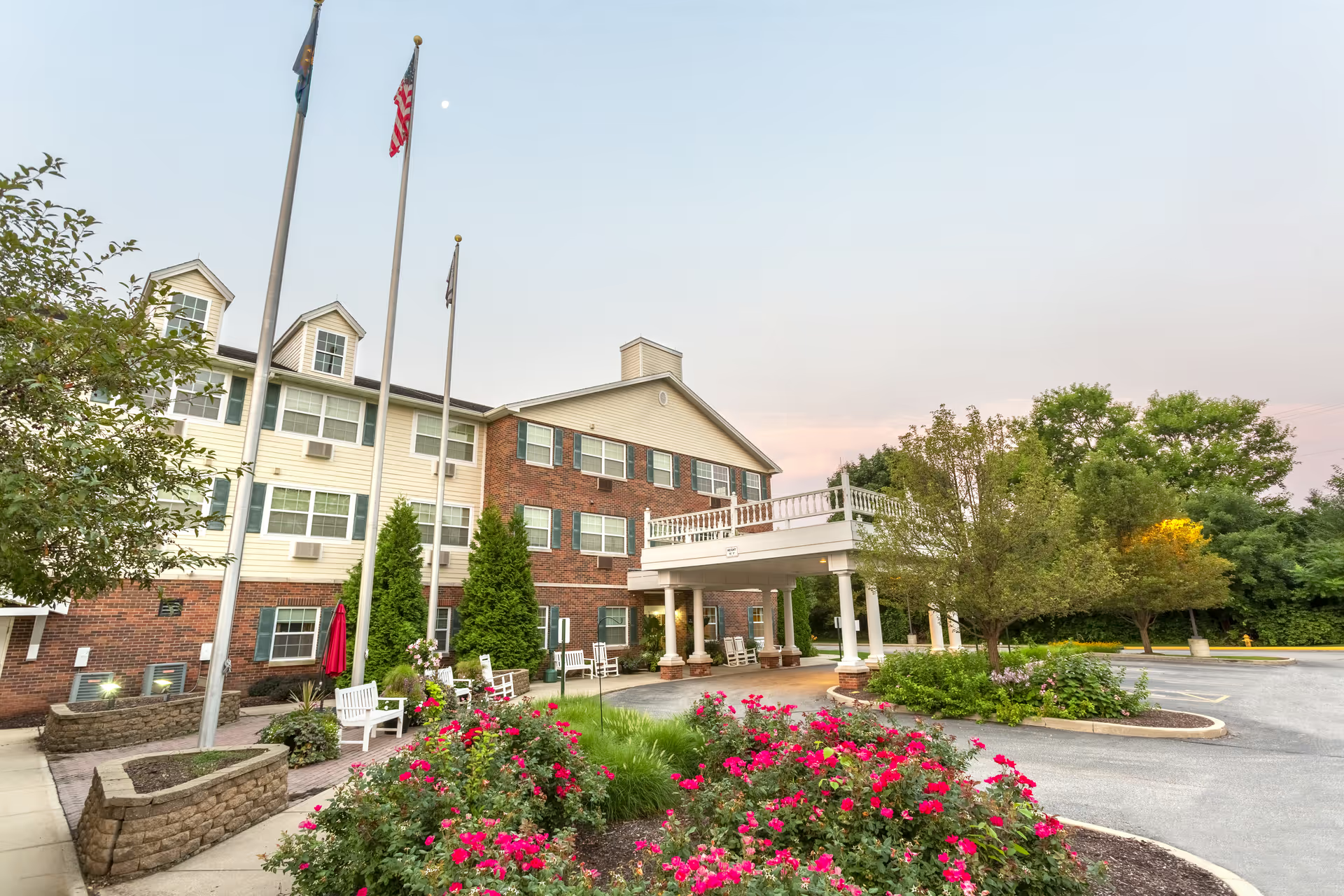
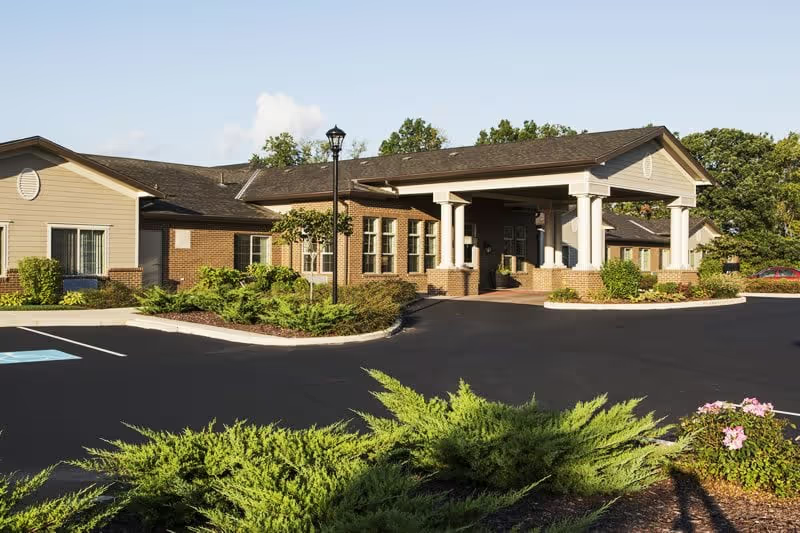
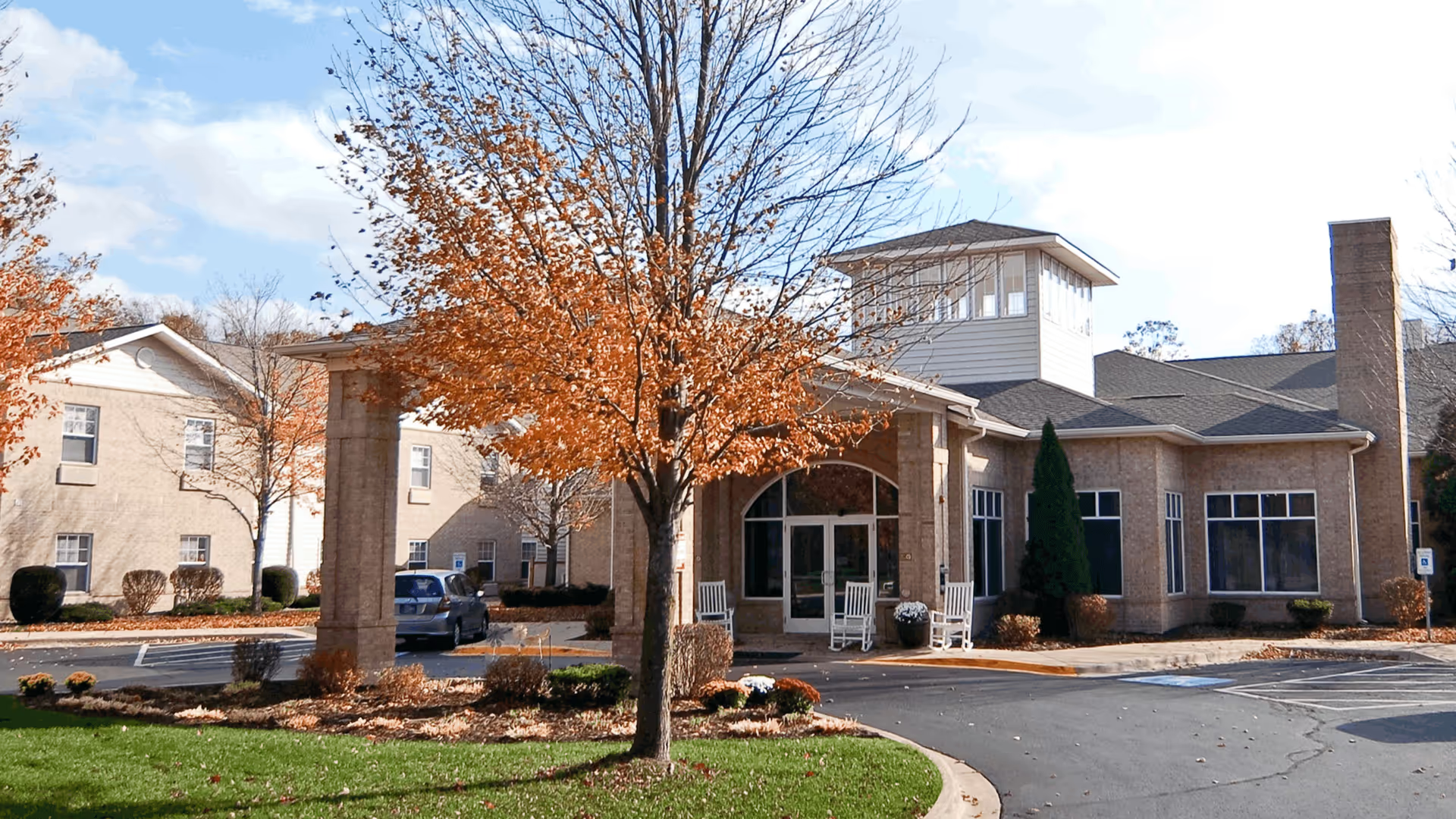
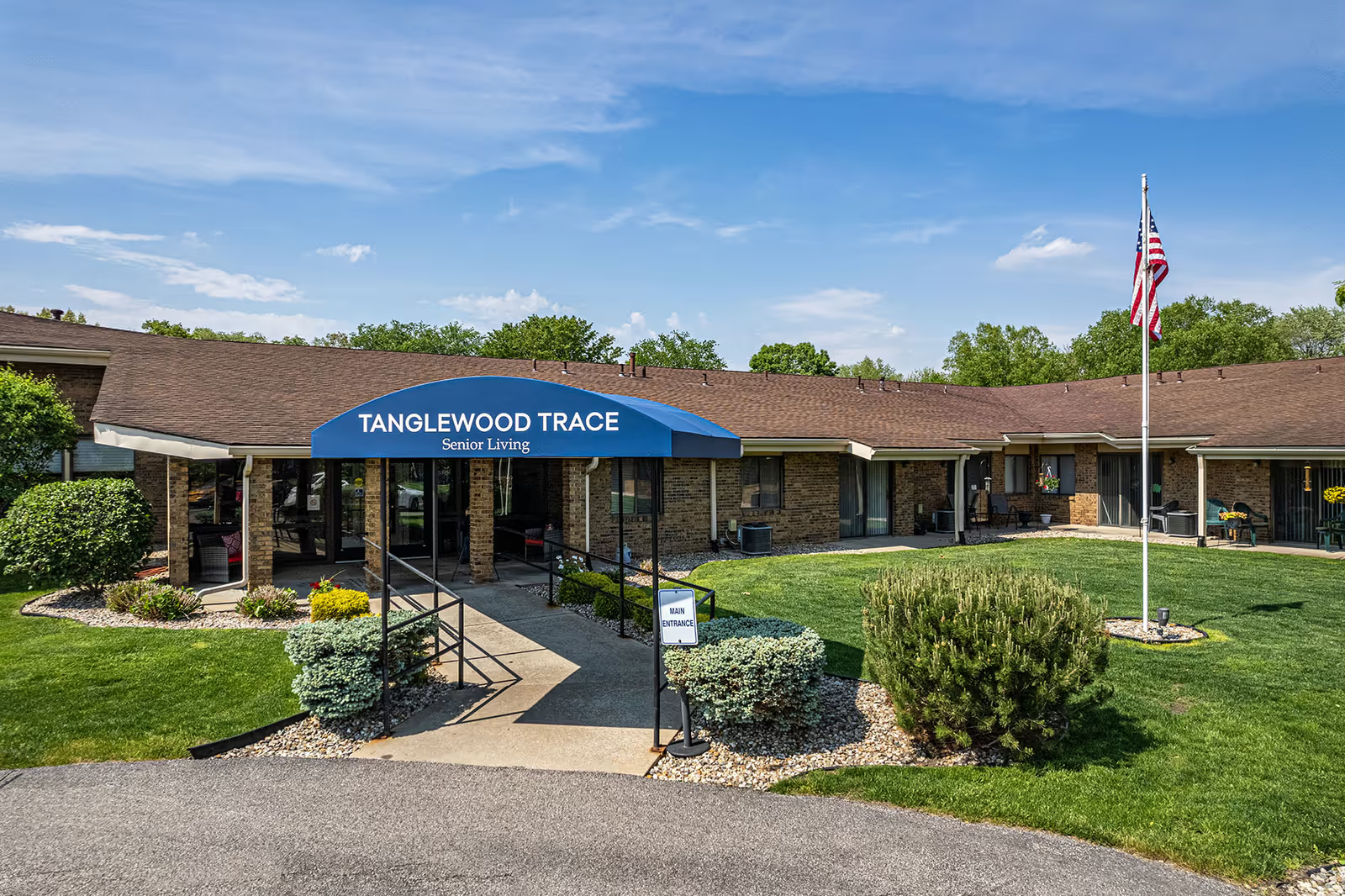
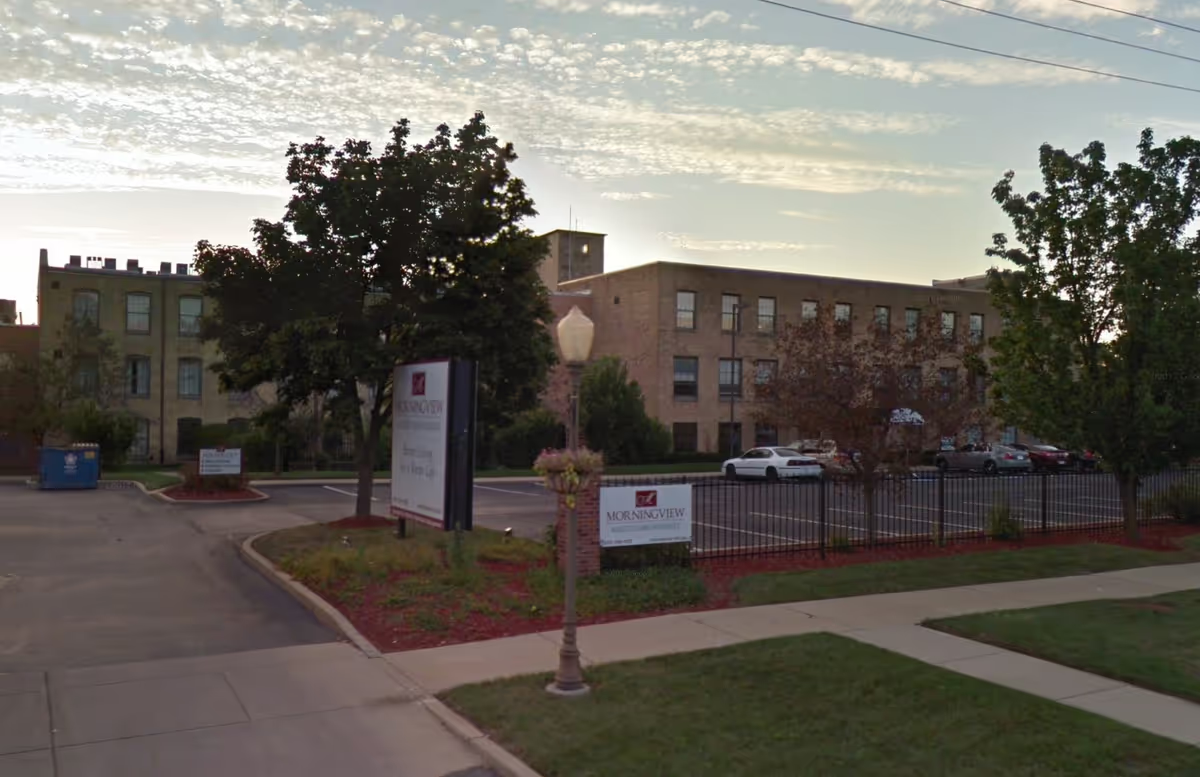
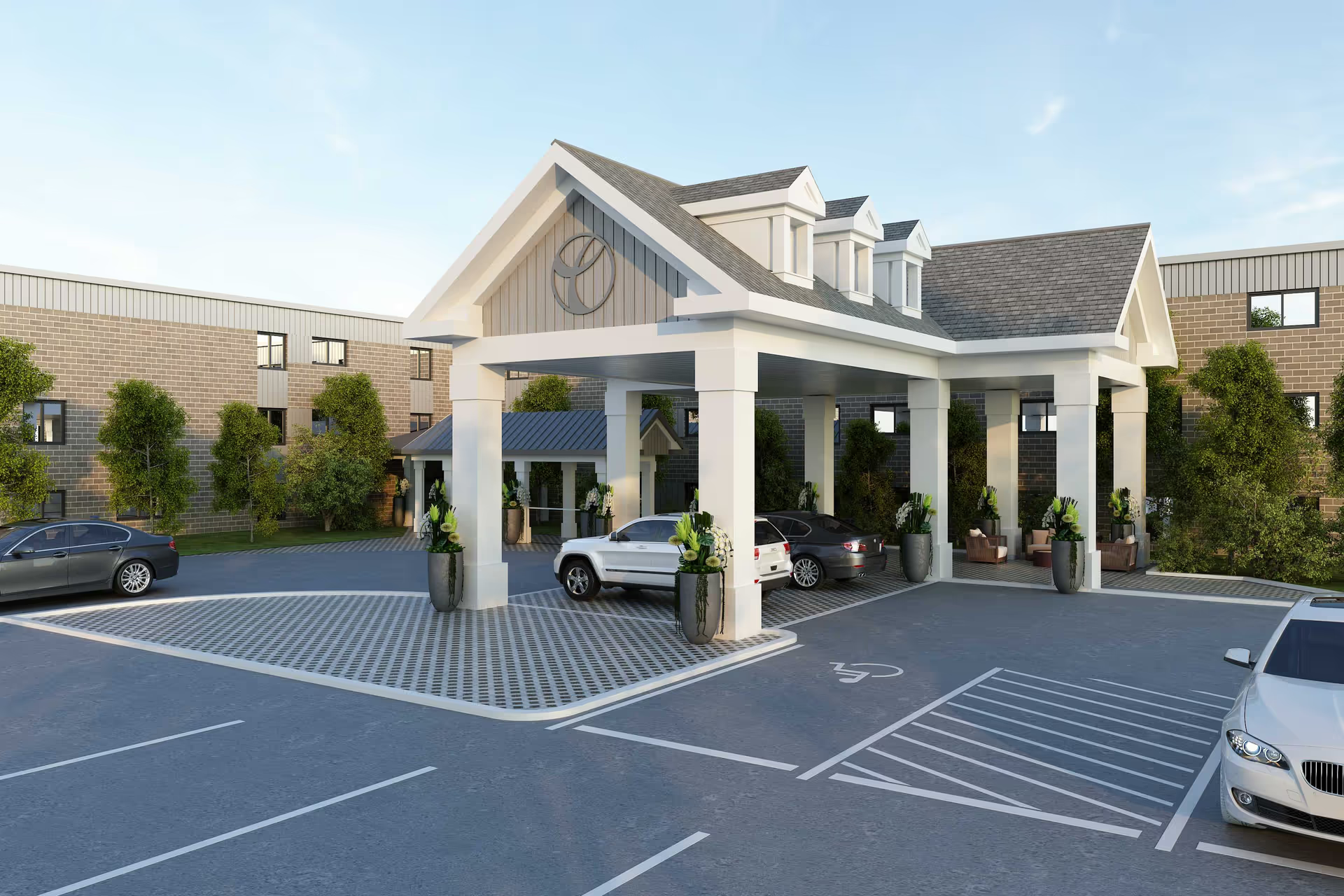
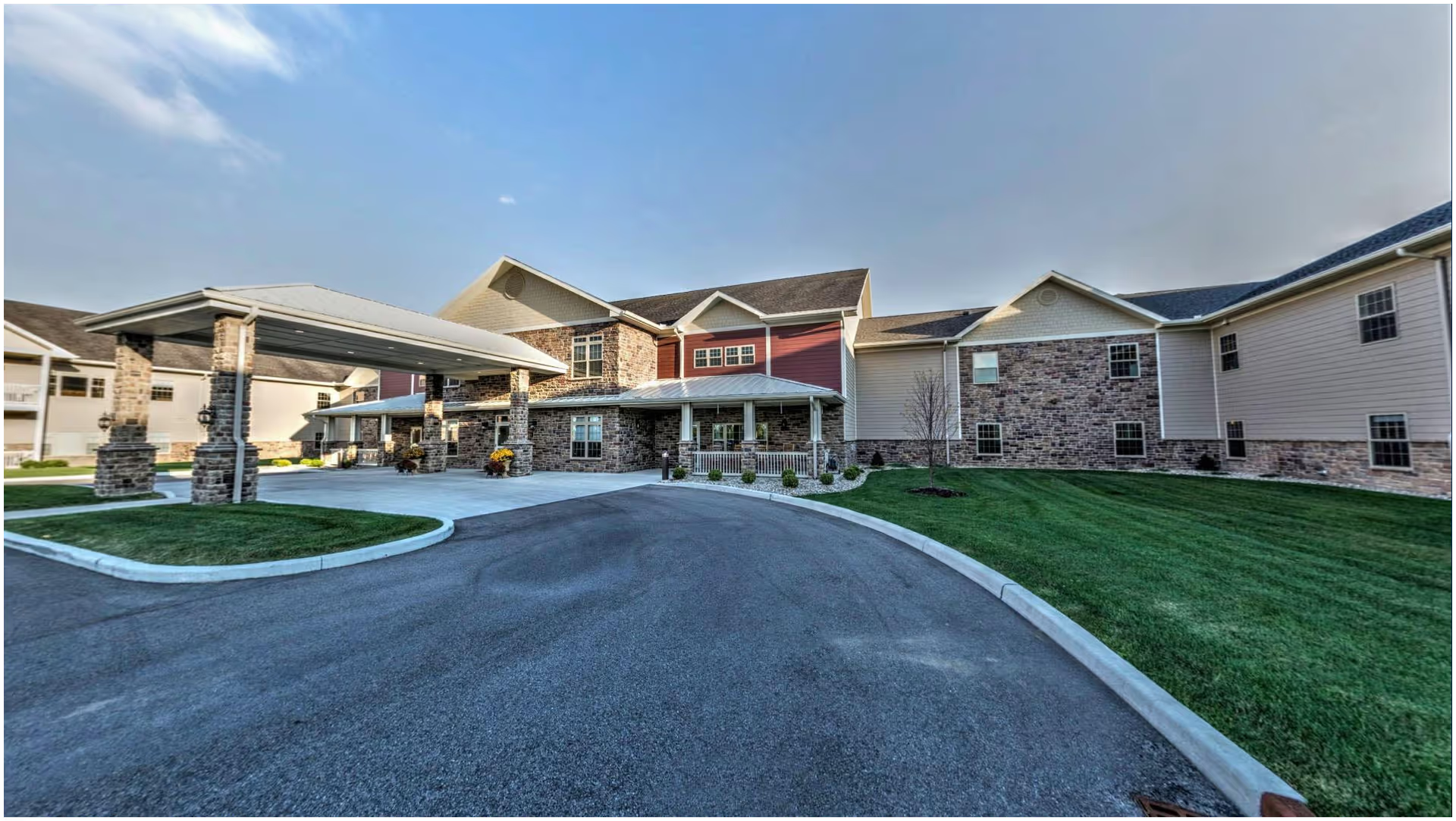
The reviews describe a facility with many visible strengths alongside recurring operational weaknesses. Reviewers consistently praise the building itself — a modern, bright, tastefully decorated environment with frequent housekeeping and generally clean rooms and common areas. Rehabilitation services (PT/OT) and wound-care specialists are frequently cited as effective, and the facility’s activities program, social spaces, and availability of religious services contribute to a positive resident atmosphere.
Staff performance is a clear area of strength for many families. Numerous comments highlight compassionate nurses, attentive CNAs, helpful admissions and administrative staff, and staff who build rapport with residents. Several reviews single out strong end-of-life care and supportive, personalized approaches to resident needs. That said, reviewers also describe variability in staff conduct and training: while many aides and nurses are described as excellent, others are characterized as less responsive or less well trained, producing inconsistent experiences between shifts or units.
Dining and nutrition emerge as a mixed area. Some families describe good meals, appropriate portions, and active involvement from a nutritionist to meet dietary needs (including diabetes). Others raise concerns about meal quality, small portions, presentation, and a desire for more fresh fruit and vegetables. The kitchen is recognized at times for accommodating special needs, but meal service continuity and consistency appear to fluctuate.
Operational and communication issues are the most commonly cited weaknesses. Recurrent themes include understaffing or inconsistent staffing levels that contribute to delays in assistance (including incontinence-care delays), slower response times to calls, and limited front-desk coverage. Several reviews describe gaps in medication-administration processes and at least one instance of missed medications, indicating a need for stronger clinical medication controls. Family communication is uneven: some families report proactive, clear updates, while others experienced lapses such as missed pre-admission meetings or limited advance notice about appointments and changes.
Other notable patterns include concerns about security and property management. Specific mentions of doors not secured from the inside, misplaced personal items, and difficulties in locating staff suggest room for improvement in unit access protocols and personal-property tracking. Transportation scheduling flexibility and coordination for offsite appointments were also raised as an operational limitation.
In summary, prospective residents and families can expect a modern, well-kept environment with strong rehabilitation and many compassionate staff members. The most important trade-offs to weigh are variability in staffing and front-line responsiveness, inconsistent dining experiences, and occasional lapses in communication and medication processes. There are isolated allegations of privacy breaches and missing personal items; such issues warrant direct inquiry with management during a tour. Families who prioritize high-quality therapy, housekeeping, and a welcoming atmosphere may find this facility well suited, while those for whom consistent staffing, medication controls, and predictable meal service are primary concerns should ask targeted questions and seek documentation of corrective actions before placement.