Allison Pointe Healthcare Center elicits a broad mix of experiences. Several families and former patients praised the facility's rehabilitation resources — physical and occupational therapy are frequently described as robust, and short-term rehab outcomes are often positive. Specialized clinical services are a clear strength: reviewers cited an effective wound-care program with lymphatic expertise, onsite respiratory therapy with ventilator capability, and in-house hemodialysis. Admissions staff and certain social-work personnel were also highlighted for facilitating smooth transitions and discharge planning.
Alongside those strengths, a consistent pattern of operational weaknesses emerges. Chronic understaffing and high turnover are recurrent themes that reviewers link to a range of downstream problems: delays in medication administration, slow or unanswered call lights, inconsistent bathing and toileting assistance, and missed or late meals. These staffing pressures appear to create variability in basic personal care and infection-prevention practices, and several accounts raise concerns about skin integrity and wound follow-through despite an otherwise capable wound-care team.
Clinical oversight and communication are additional areas of concern. Reviewers described gaps in timely physician coverage, especially on weekends and off shifts, and cited delays in escalating clinical issues that in some cases led to emergency transfers. Medication-management lapses, pharmacy coordination problems, and administrative/documentation inconsistencies were also mentioned. Family communication and discharge coordination are uneven: some families praised social work and discharge planning, while others reported confusing or missing instructions and prescription errors at discharge.
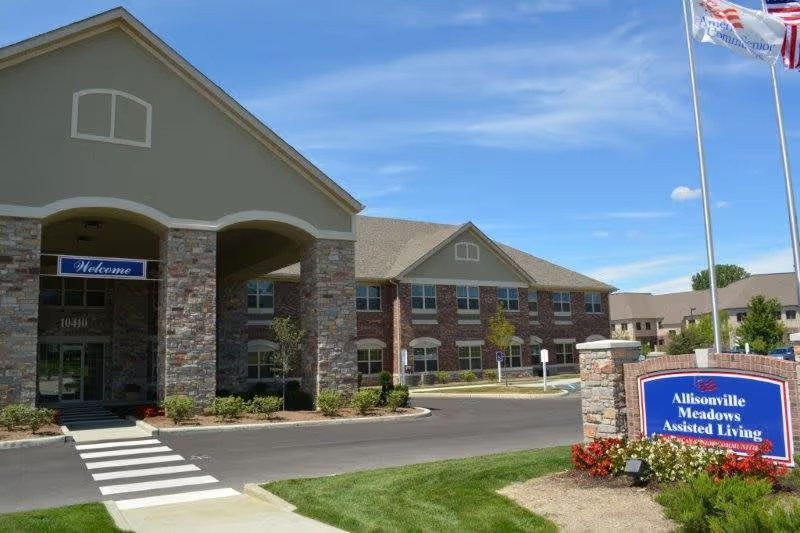
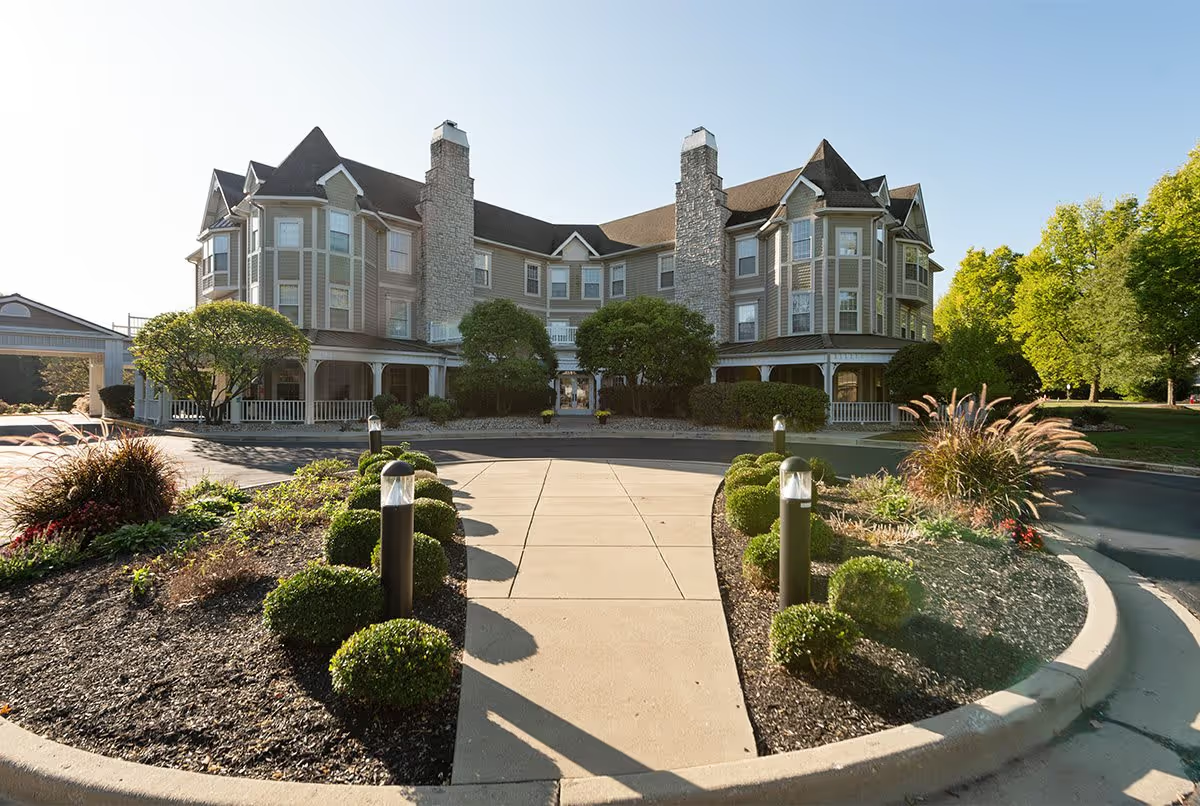
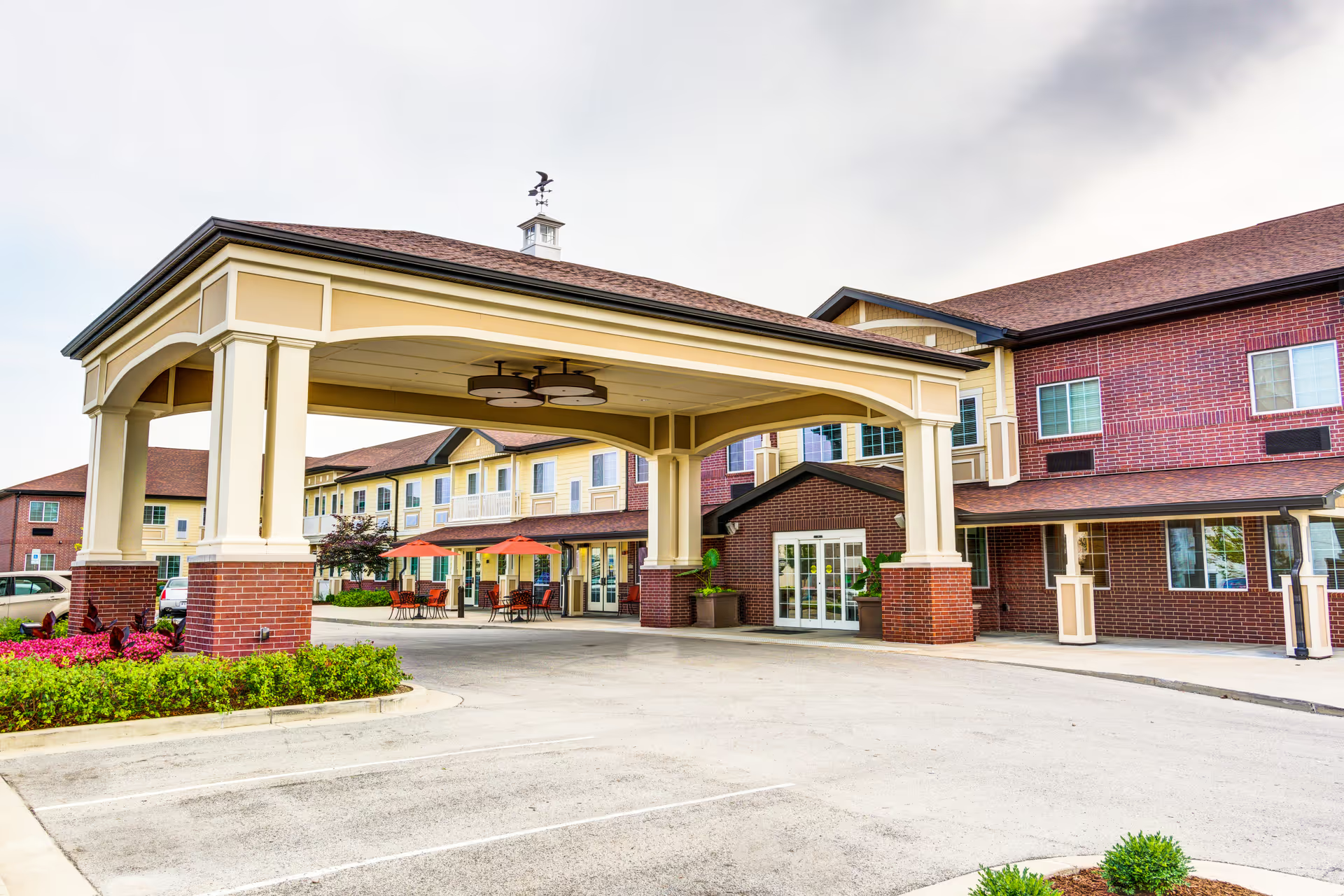
Dining, housekeeping, and the physical environment show mixed performance. Some residents and visitors noted clean, well-maintained rooms and pleasant outdoor and therapy areas; others described sanitation and odor concerns, inconsistent laundry and housekeeping processes, and food-service interruptions or poor meal quality. Adaptive-equipment availability and room configuration were also noted as limited in certain cases, particularly for higher-acuity or bariatric residents.
Staff culture and management present a split picture. Individual nurses, therapists, and CNAs are frequently singled out for compassionate, above-and-beyond care; simultaneously, reviewers describe instances of unprofessional conduct, poor bedside communication, and allegations of misconduct including financial and property concerns. Some reviewers indicated that recent management changes improved responsiveness, while others found leadership unresponsive to complaints and enforcement actions.
Notable patterns to consider when evaluating Allison Pointe: strong specialty services (wound care, respiratory therapy, dialysis, rehab) coexist with operational reliability issues driven largely by staffing, medication-timing, and communication gaps. Prospective residents and families should tour the unit, ask about current staffing ratios and turnover, verify weekend and on-call physician coverage, review medication-safety protocols, inquire about infection-prevention and housekeeping practices, and request details on wound-care continuity and adaptive-equipment availability. These targeted questions can help determine whether the facility’s clinical strengths align with an individual’s care needs and expectations.