Fort Harrison Assisted Living presents a mixed picture: many families praise the home for a lively activity program, friendly communal dining, and a generally welcoming environment, while other families raise consistent operational concerns. Strengths commonly described include a robust activities schedule (field trips, library access, in-house celebrations), opportunities for social interaction that improve resident mood, and leadership figures who are visible and engaged. Several accounts highlight compassionate caregivers and positive clinical relationships, including involvement from an on-site geriatrician and a professional Director of Nursing, which contribute to residents feeling cared for and at home.
Care quality and staffing show notable variability. Positive reports describe attentive, comforting staff and individualized support; however, persistent concerns about staffing levels, staff turnover, and uneven staff performance have been raised. These operational patterns have been linked to slow responses to assistance calls, gaps in nursing coverage at times, and delays in routine clinical checks. Families should view the facility’s caregiving capacity as inconsistent across shifts and consider asking about current staffing ratios and clinical oversight during a tour.
Dining and activities are both areas of clear contrast. Many residents enjoy sit-down communal meals, celebratory events, and a program of outings and social activities that foster friendships. At the same time, a sizeable number of accounts point to variable meal quality, portion control, menu substitutions, and periodic shortages. Prospective residents who place high priority on consistent meal service may want specific information about menus, portioning, and how the community handles shortages or special diets.
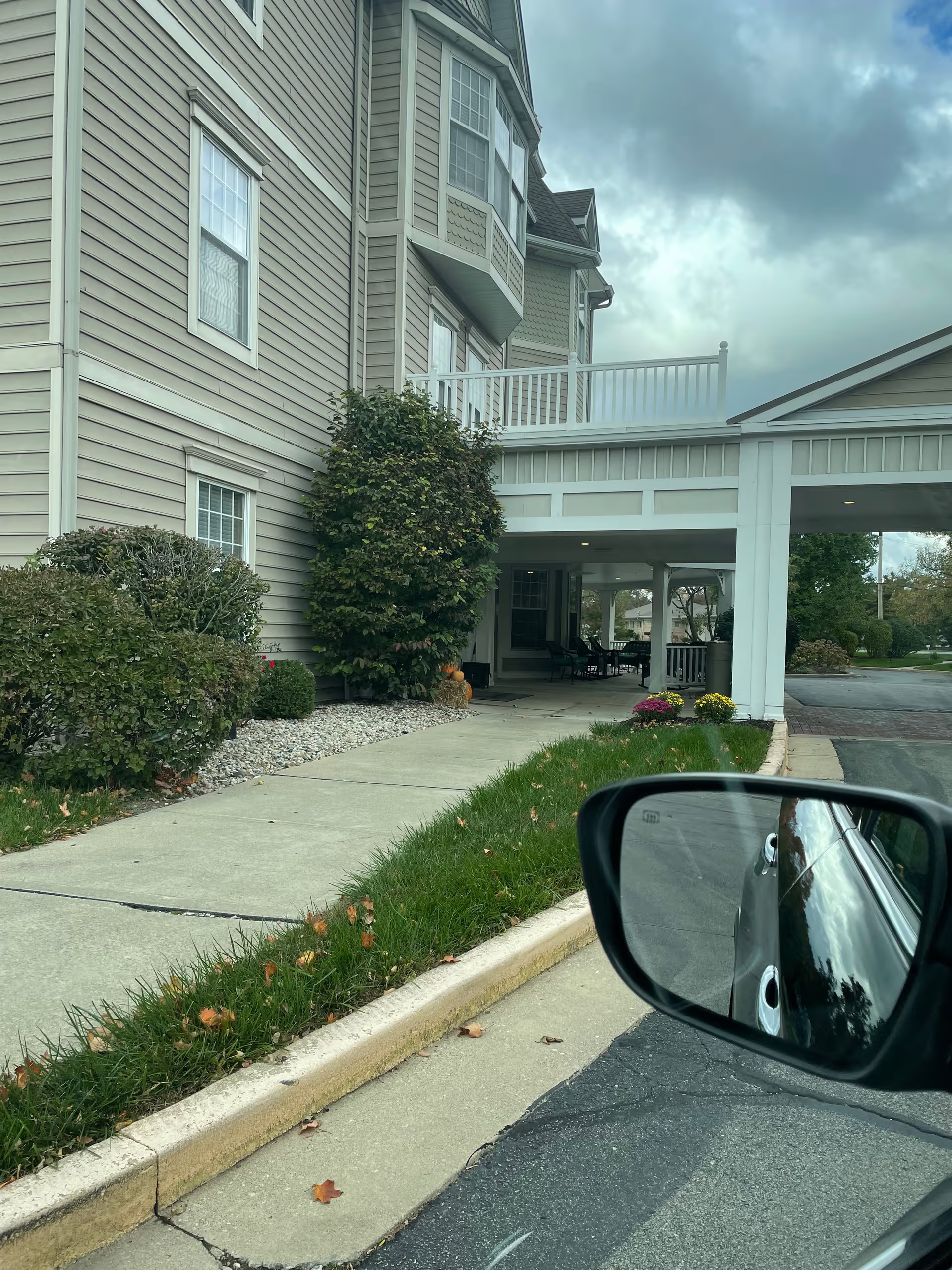
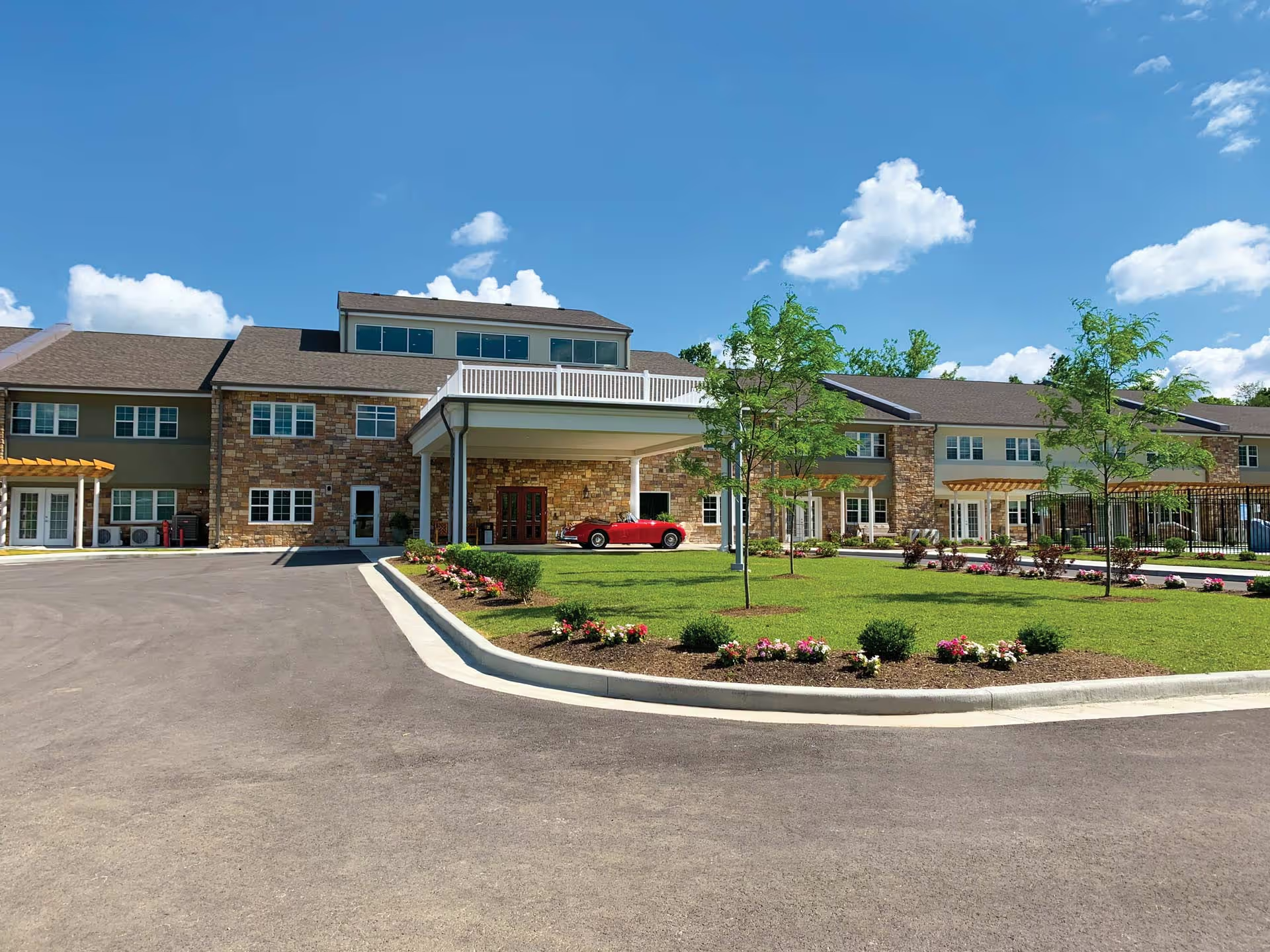
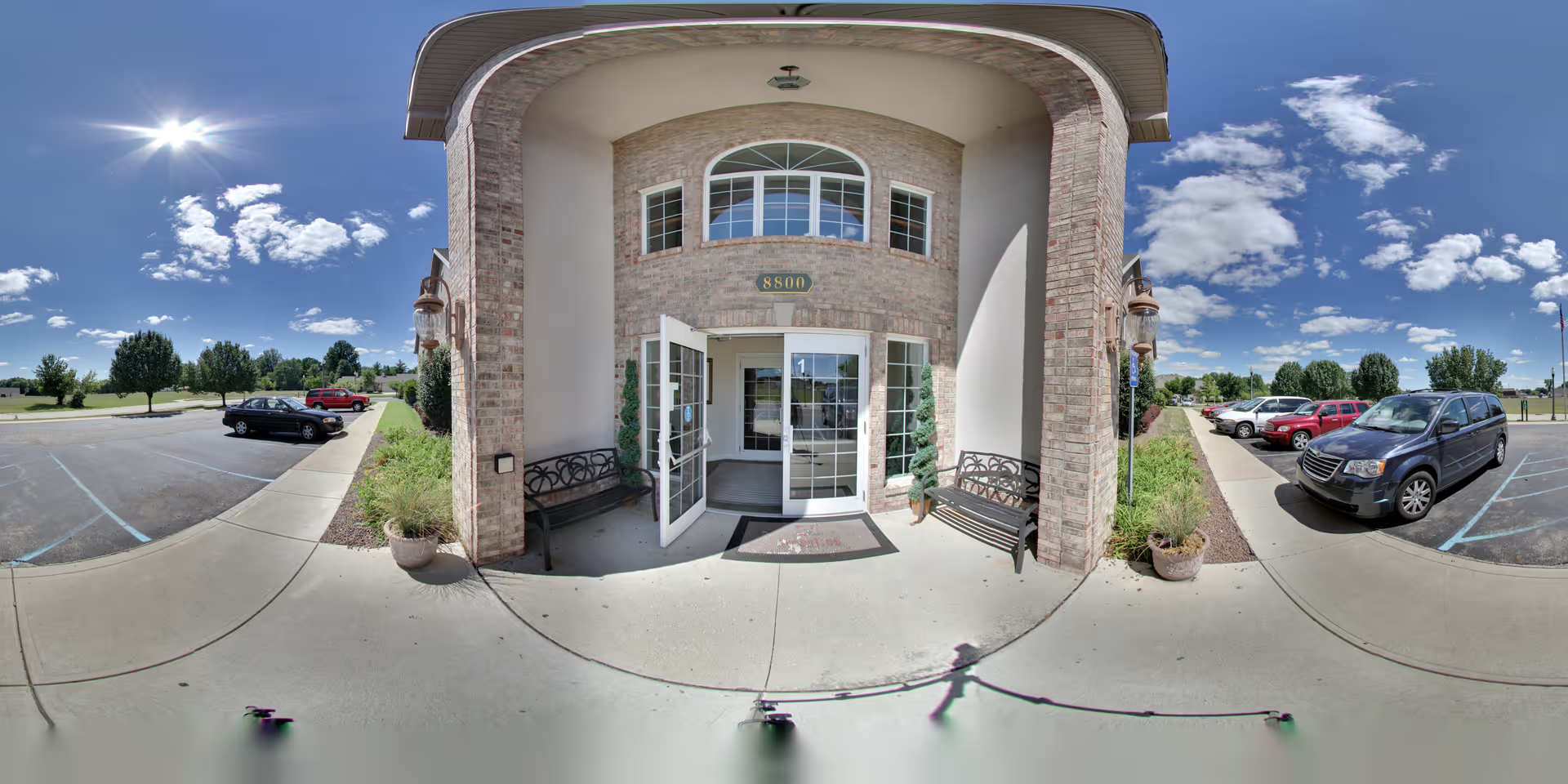
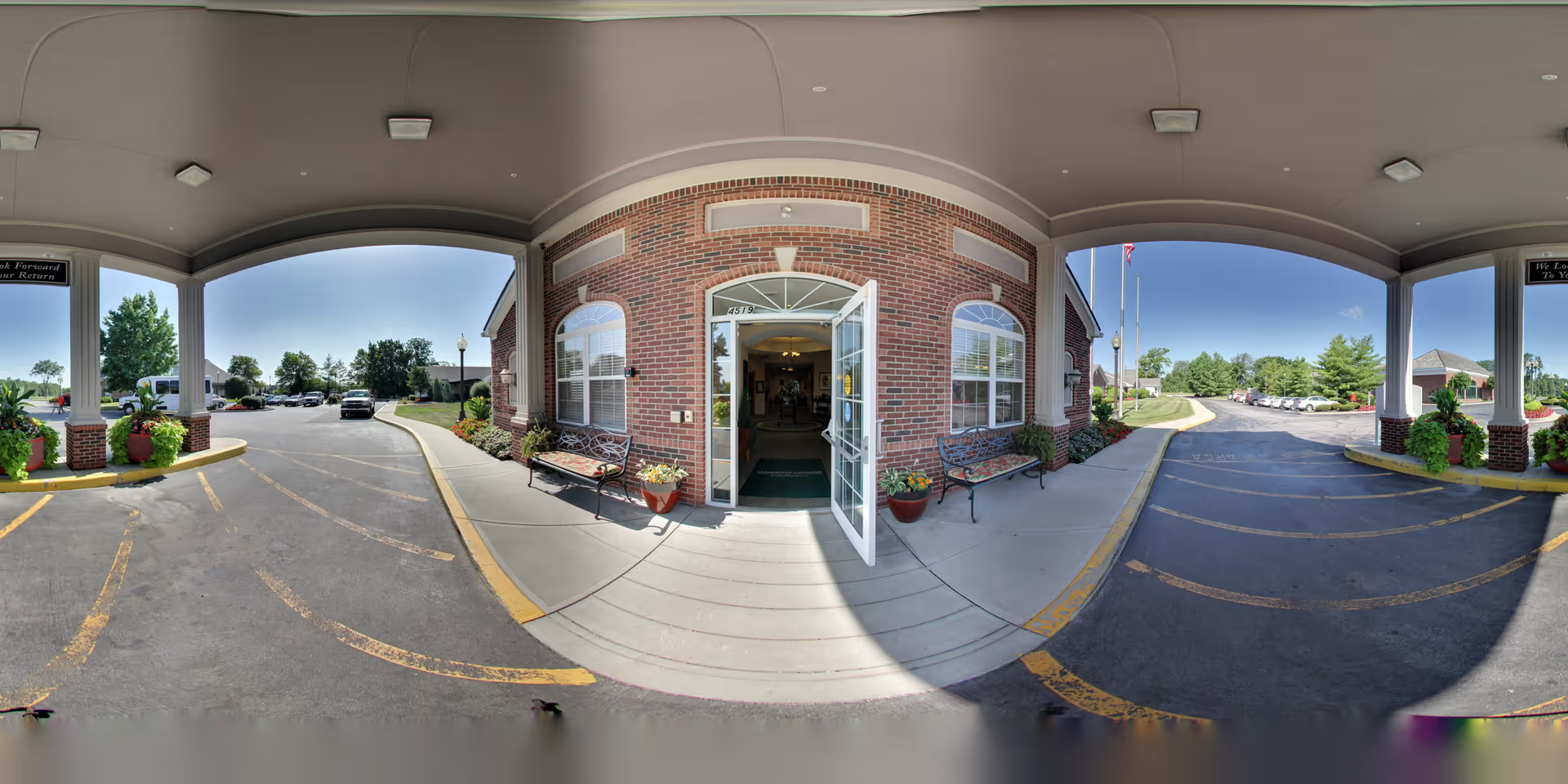
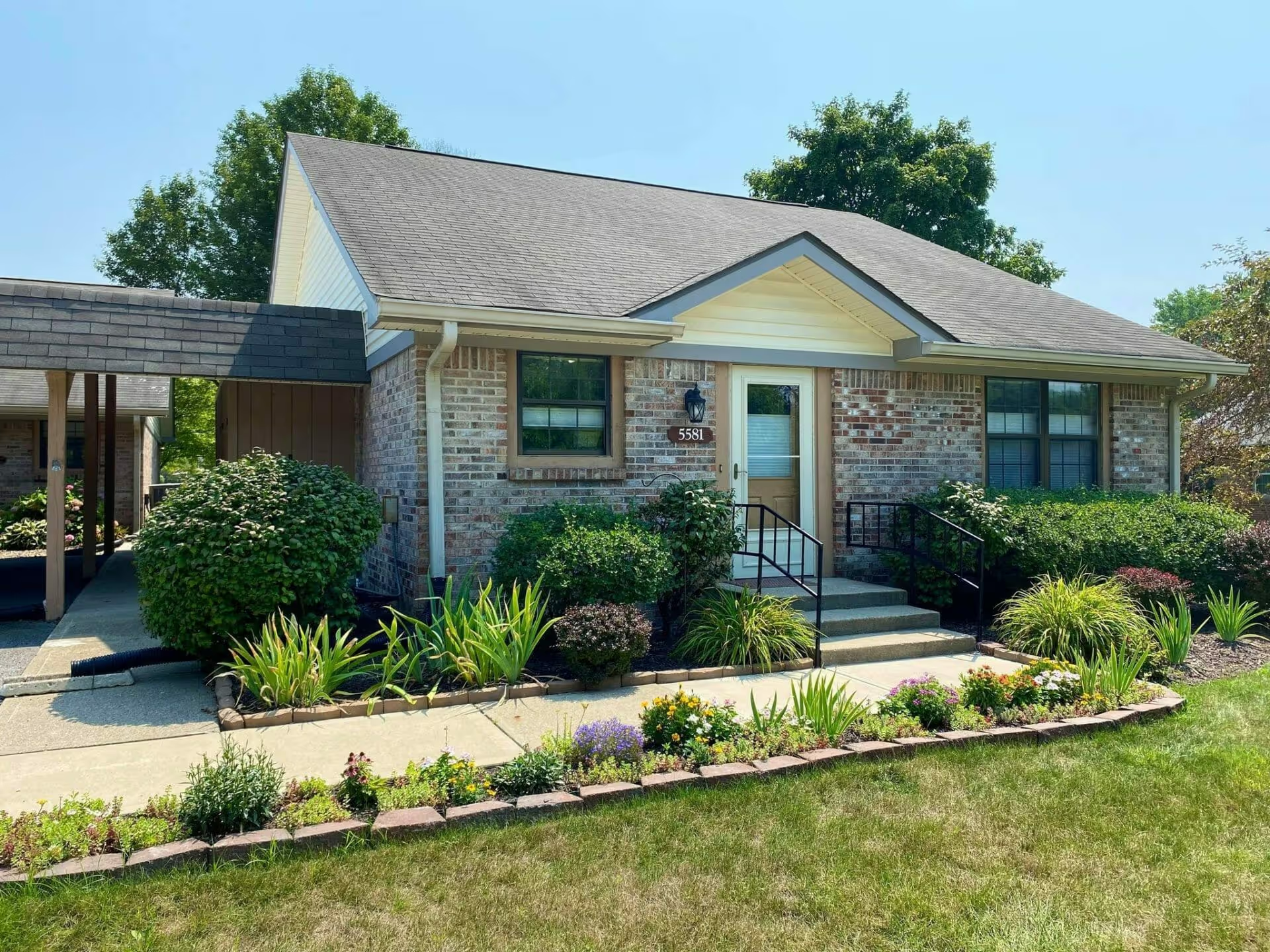
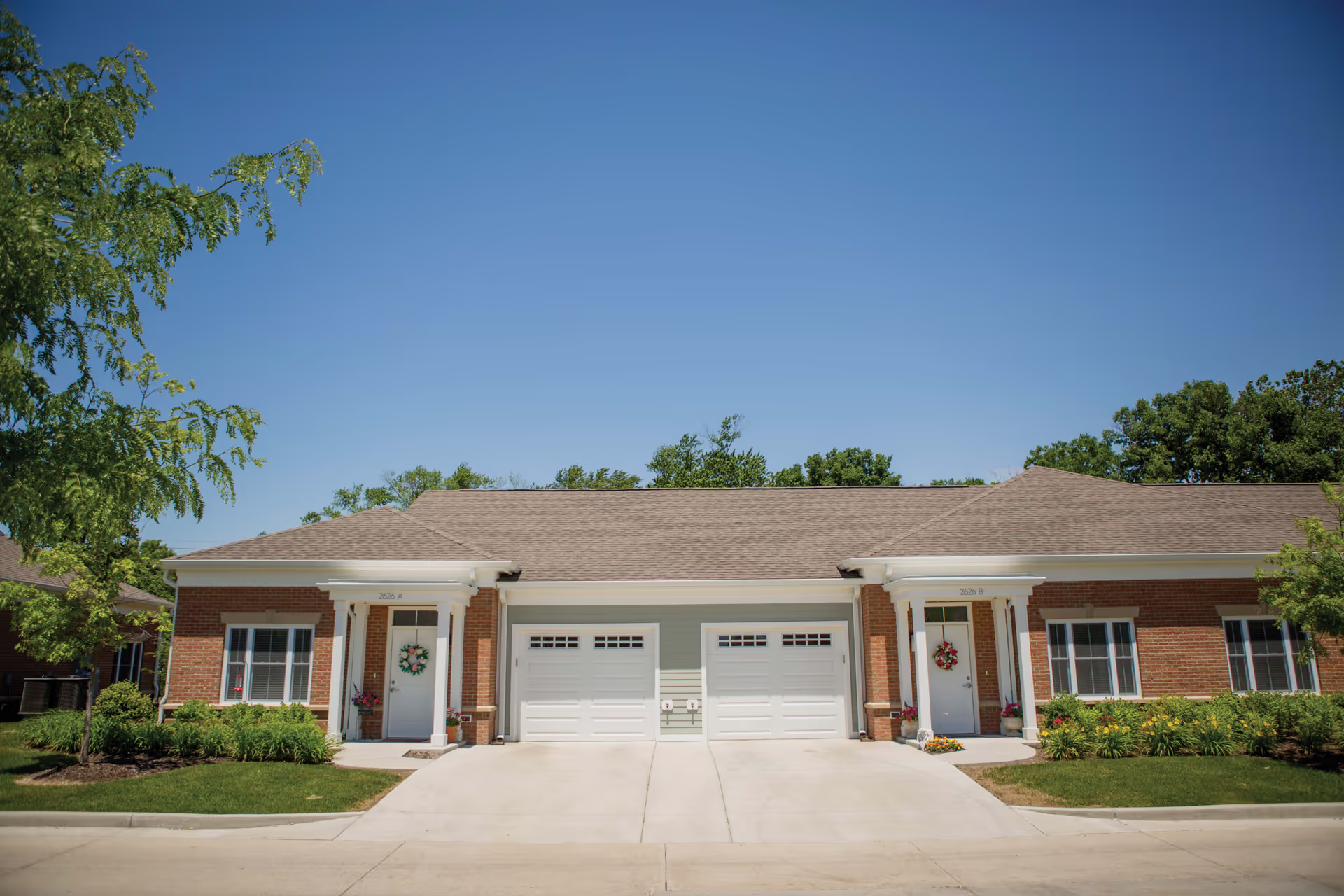
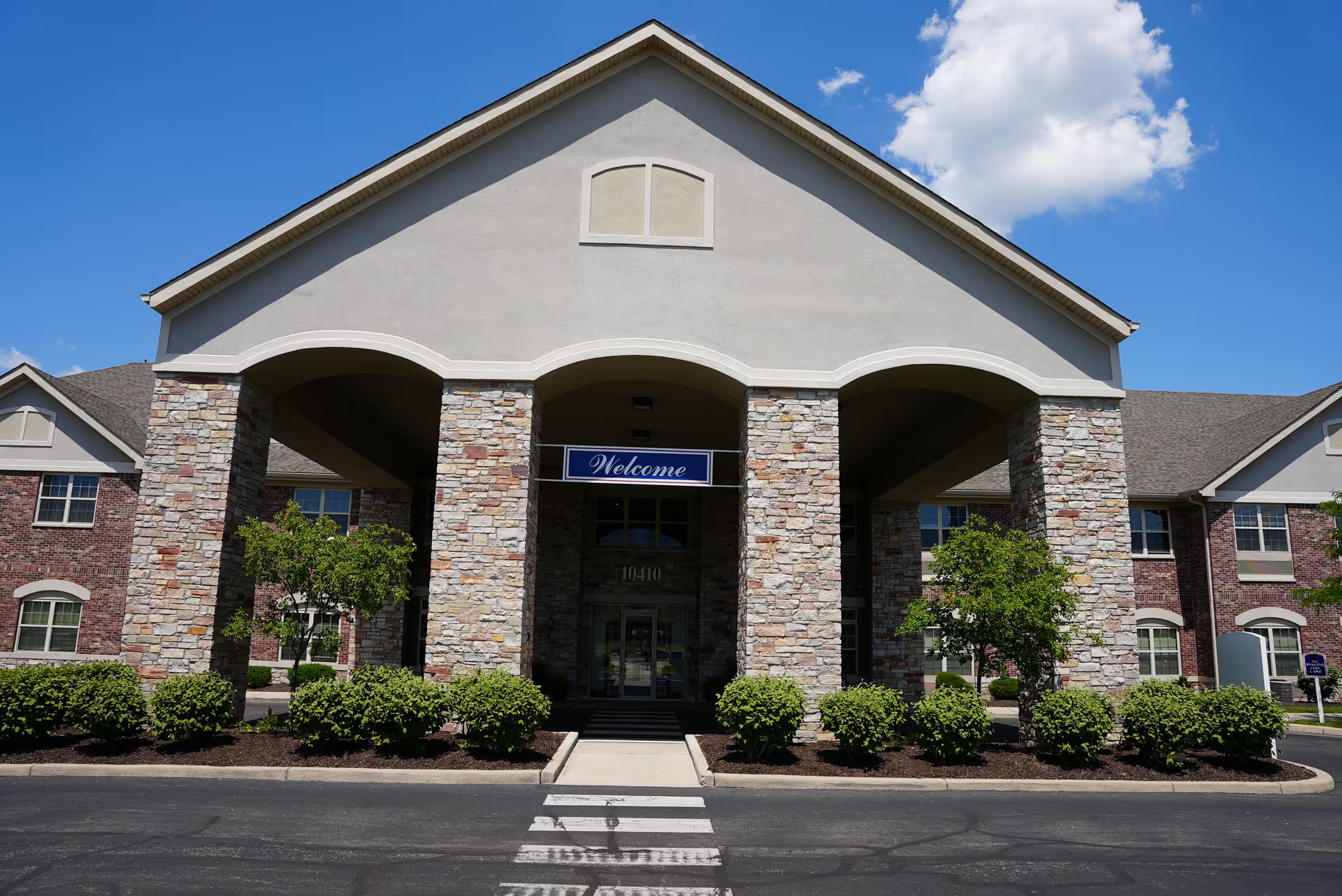
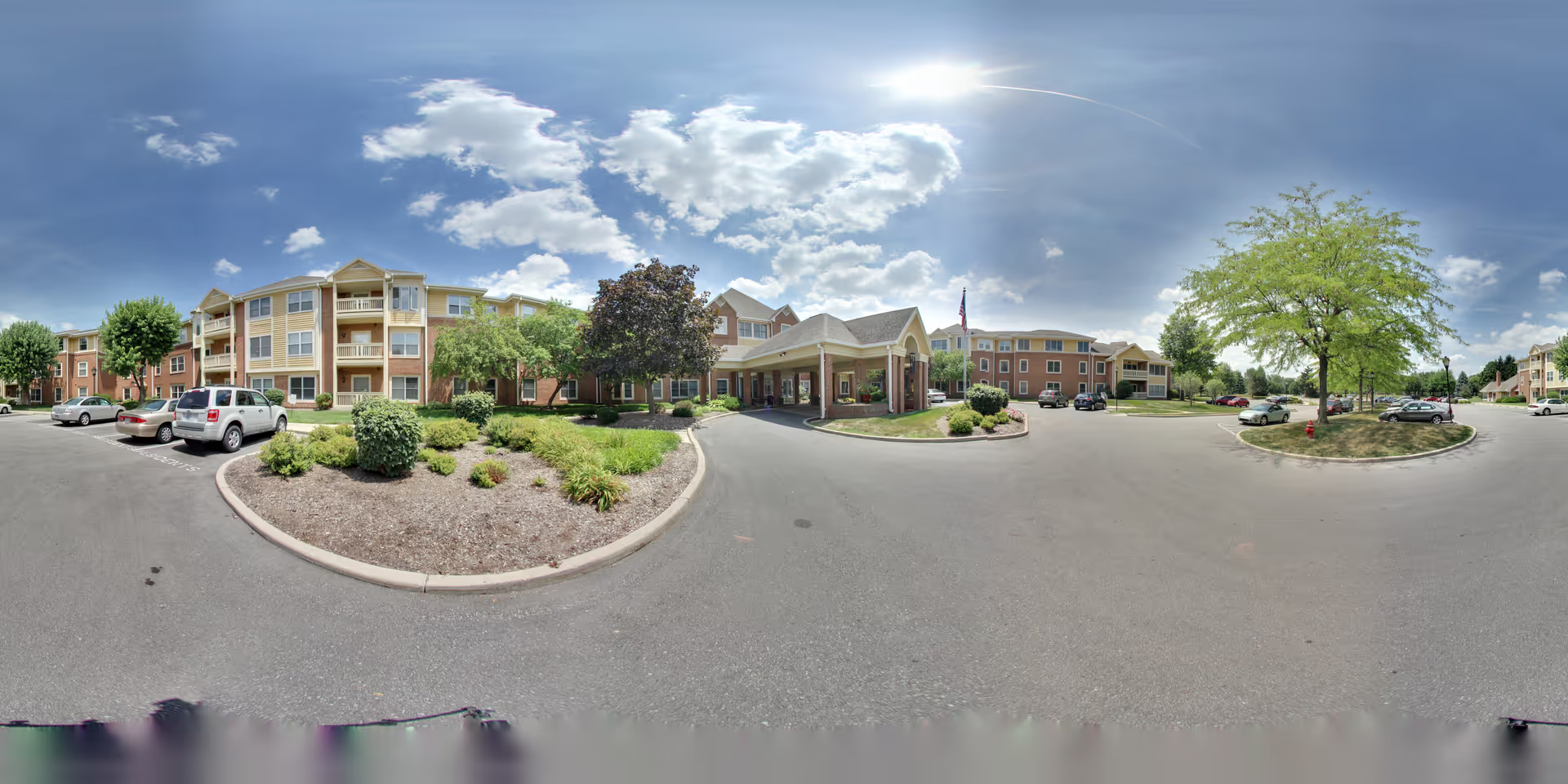
Facility condition and maintenance likewise show a split. Some visitors and family members describe clean, attractive grounds and comfortable apartments; others report stained carpeting, odor concerns in common areas, broken equipment, slow maintenance response times, and pest-control concerns. These reports suggest that maintenance and housekeeping practices are uneven and that follow-up on routine repairs may be delayed.
Management and communication have improved in some families’ experience but remain uneven overall. Several families commend an accessible director and recent management changes that have positively affected daily life. Conversely, others describe inconsistent follow-through on written commitments, billing and communication problems, and serious concerns including allegations of theft and conduct issues. The combination of high turnover and occasional administrative staffing gaps has created variable experiences for families.
Notable patterns: the community appears to produce strongly positive outcomes when staffing is stable and management is actively engaged, particularly around activities and social programming. When staffing or administrative continuity weakens, families report impacts on response times, meal service, maintenance, and perceived safety. Prospective residents and families should consider an in-person tour, ask for recent staffing ratios and turnover history, review recent inspection or complaint records, inquire about maintenance turnaround times and pest-control programs, and clarify dining policies and emergency-response procedures before deciding.