Reviewer accounts describe a polarized experience at this facility: many families and patients praise the rehabilitation teams and individual caregivers for achieving meaningful short-term therapy gains and providing compassionate bedside support, while a comparable set of concerns centers on operations, cleanliness, safety, and communication. Physical and occupational therapy are commonly cited as strengths, and several families expressed gratitude for transition assistance and episodes of attentive clinical care. Reported positives tend to focus on the rehabilitation program, certain clinicians, and pleasant communal dining when those services are functioning.
At the level of daily care and staffing, reviews indicate persistent understaffing that contributors say results in delayed responses to calls, unmet care requests, and uneven assistance from nursing assistants. Communication breakdowns between clinical staff, administration, and external providers are described as recurring, with examples including unclear physician orders, medication-delivery problems, and inconsistent documentation. These process gaps are associated in several accounts with medication-management concerns and with families needing to escalate issues to hospital caseworkers or physicians to obtain resolution.
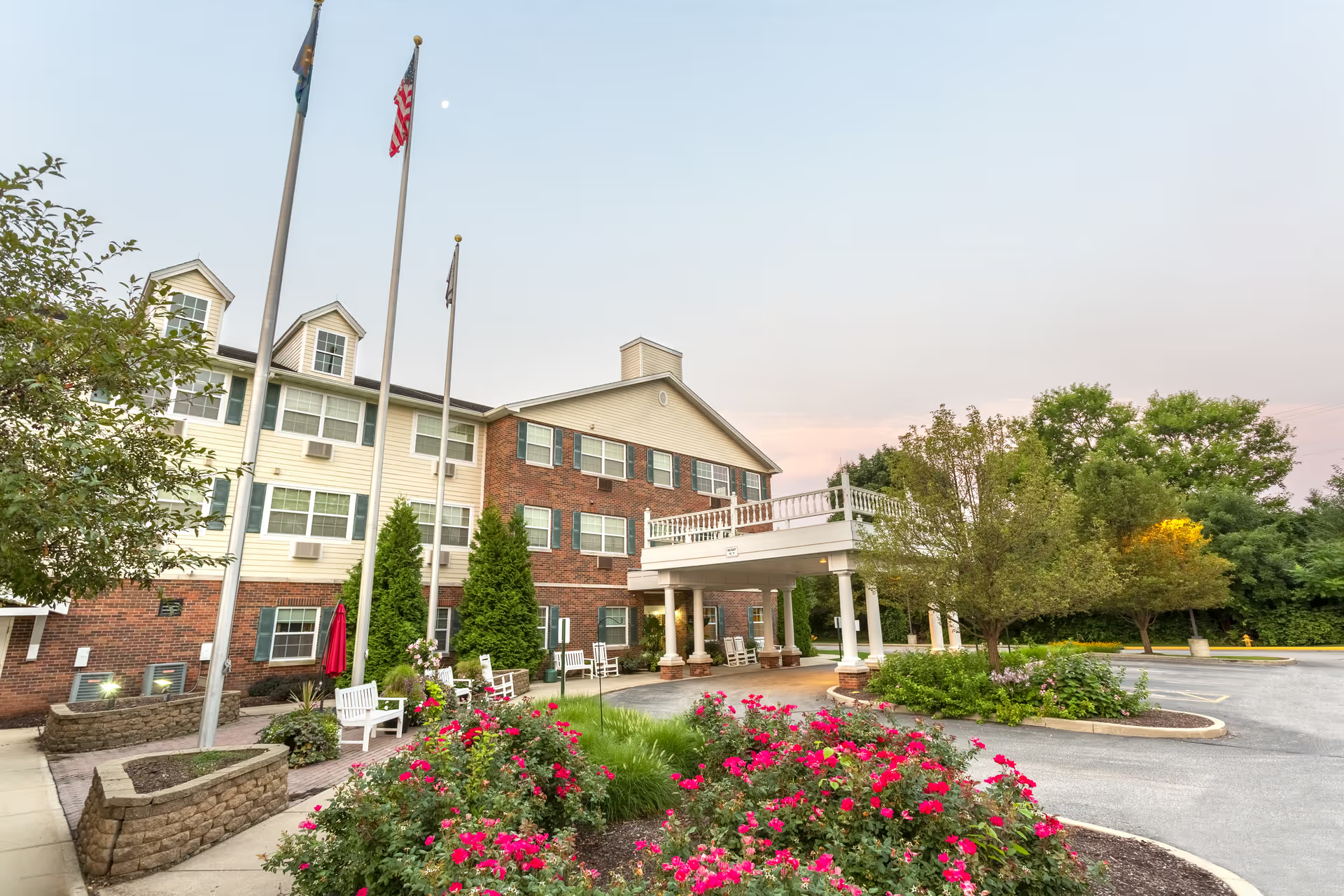
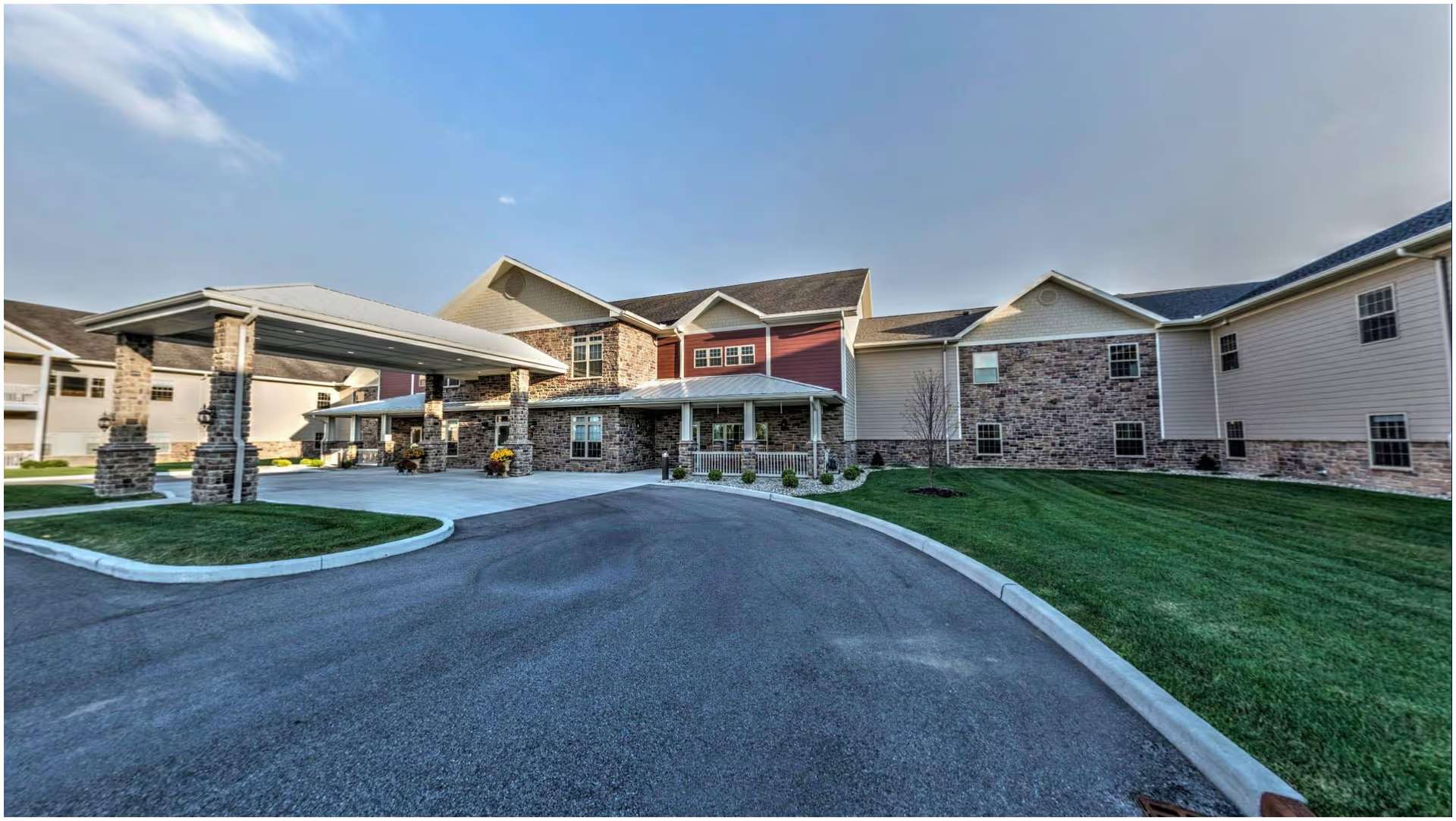
Facility- and environment-related concerns also appear repeatedly. Reviewers describe sanitation and odor-management problems in resident rooms and bathrooms, along with areas of cosmetic deterioration such as peeling drywall and outdated furnishings. Safety-monitoring deficiencies are raised in the context of falls and missed bedside checks. Additional operational issues include billing discrepancies, delays returning personal belongings or medical records, and limited or inconsistent activity access for some residents. Management instability—including leadership changes and frequent name changes—was cited as a factor that may impede consistent quality improvement.
Taken together, the pattern suggests a facility with clear clinical strengths in rehabilitation and several caring staff members, but with systemic operational weaknesses that affect cleanliness, safety monitoring, interdisciplinary coordination, and administrative reliability. Prospective residents and families should observe current staffing levels and workflows during a tour, ask for specifics about medication and wound-care protocols, review recent inspection or quality records, and confirm plans for aftercare, accessibility, and possessions handling before making placement decisions.