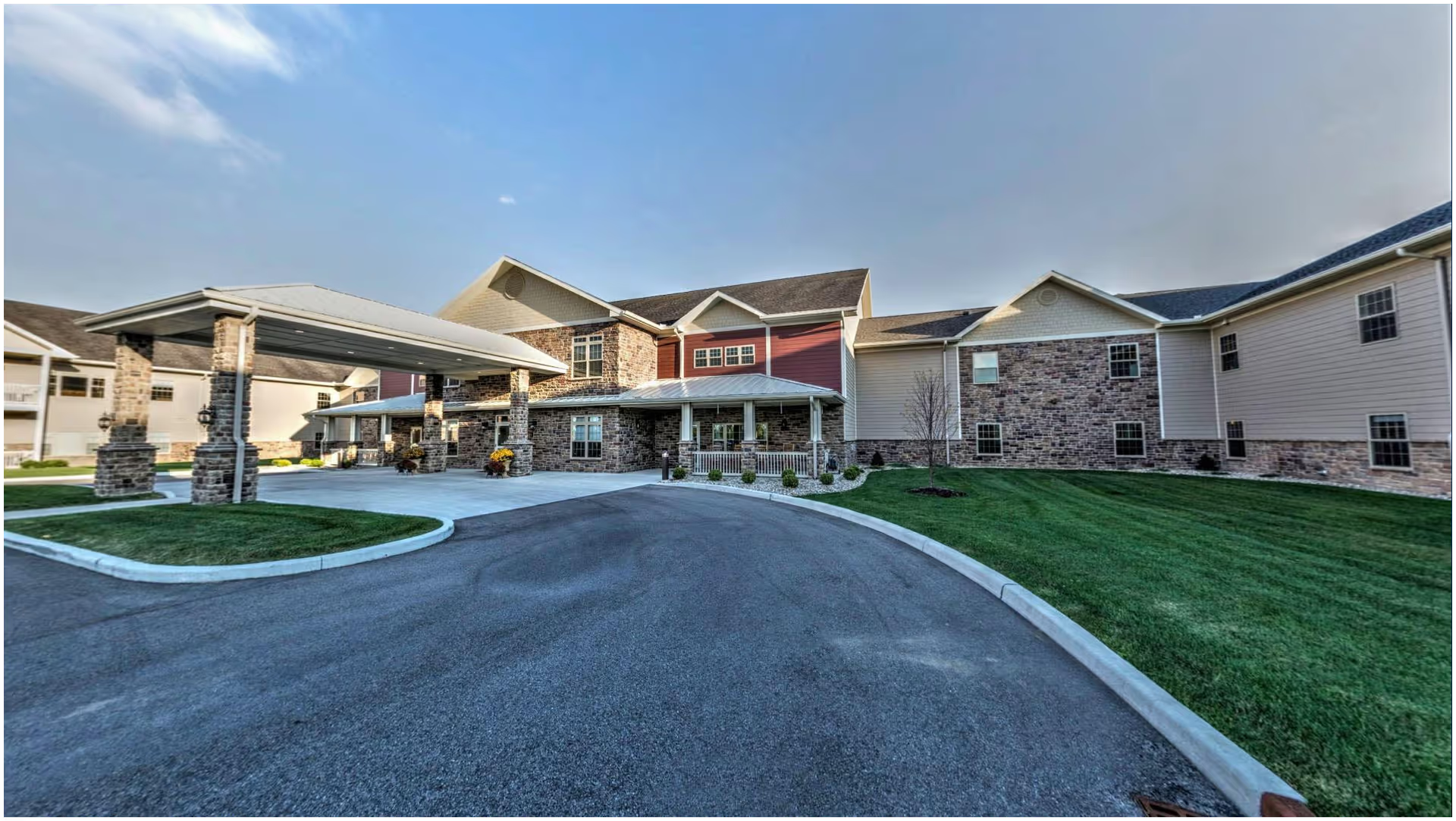
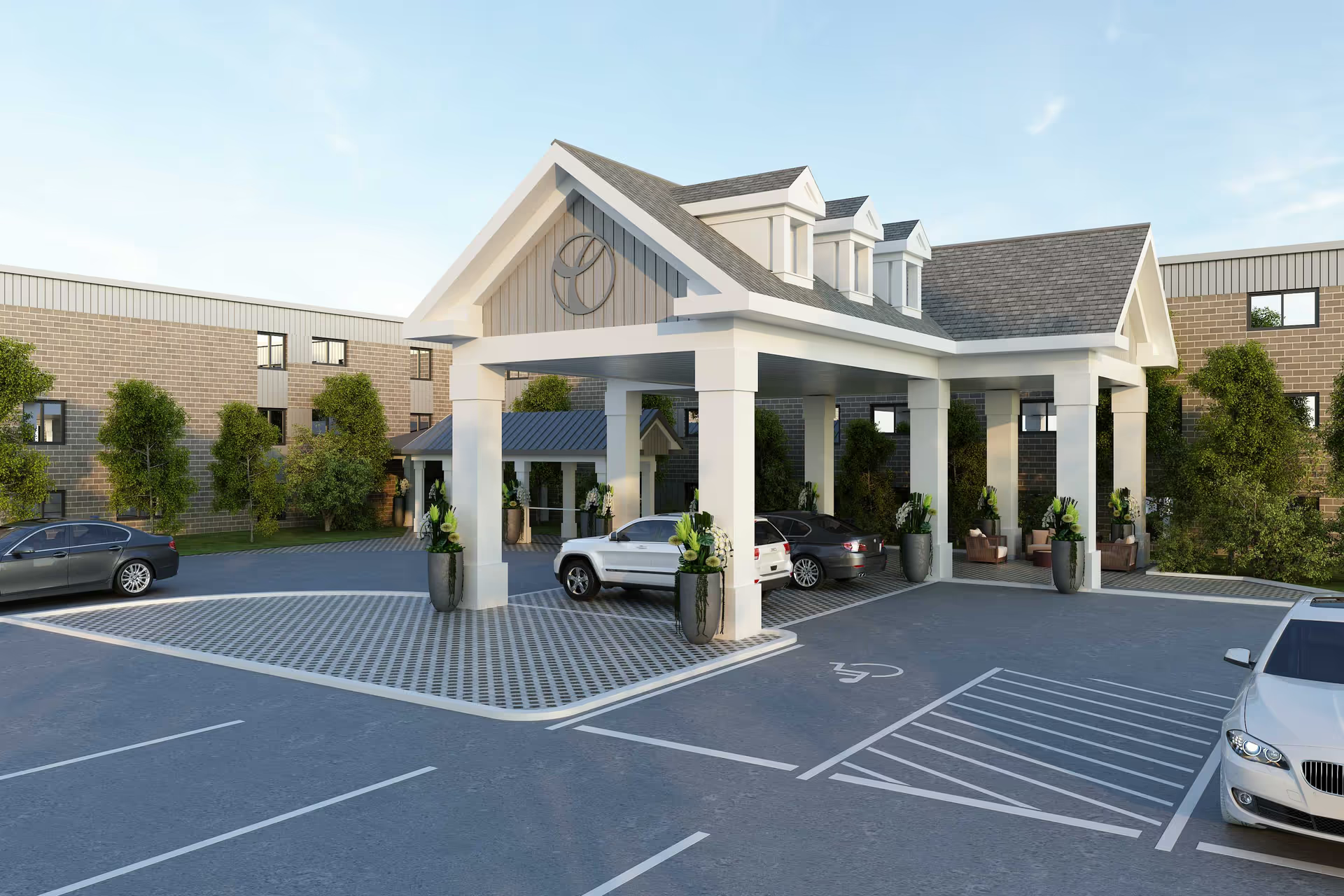
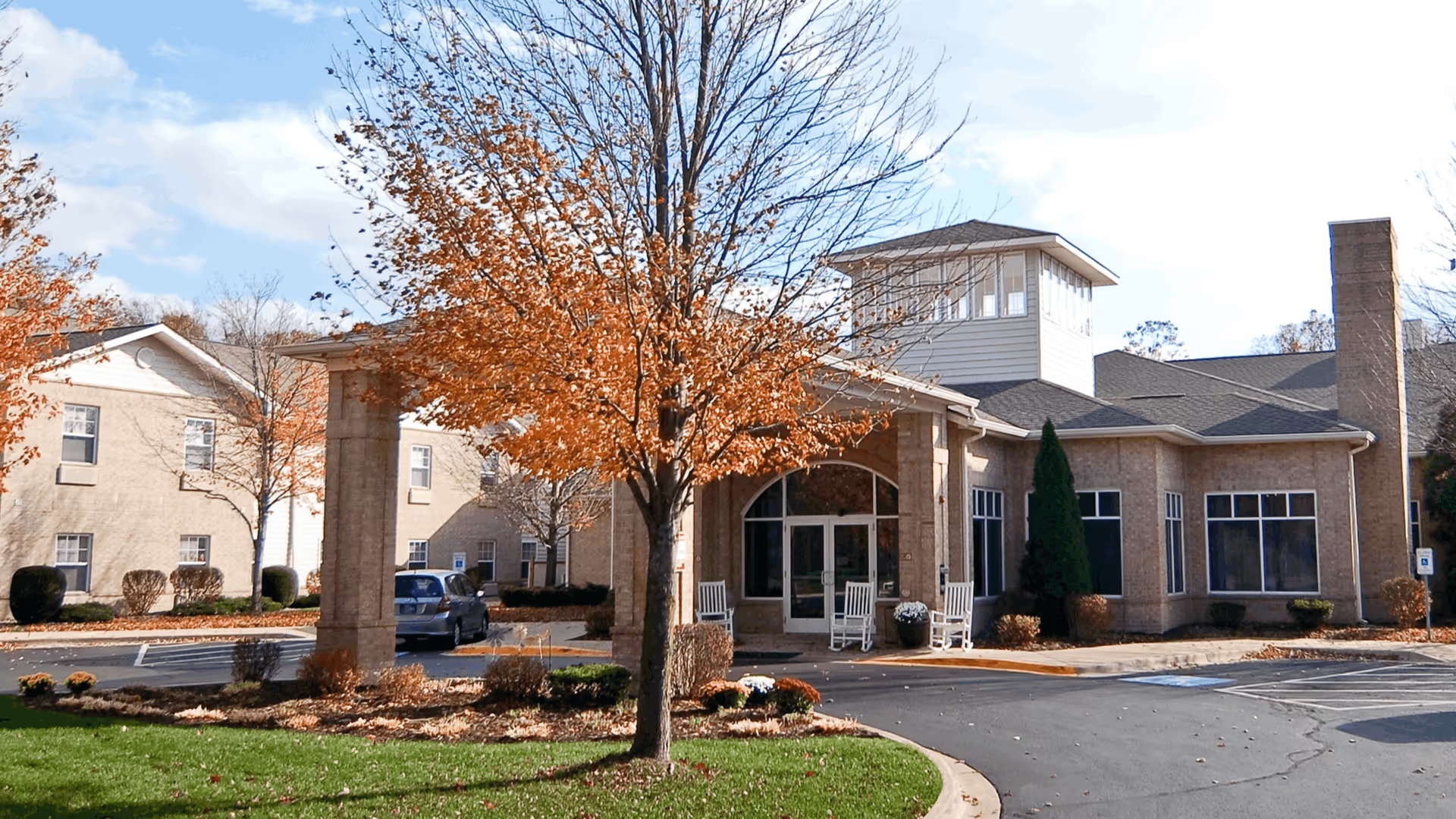
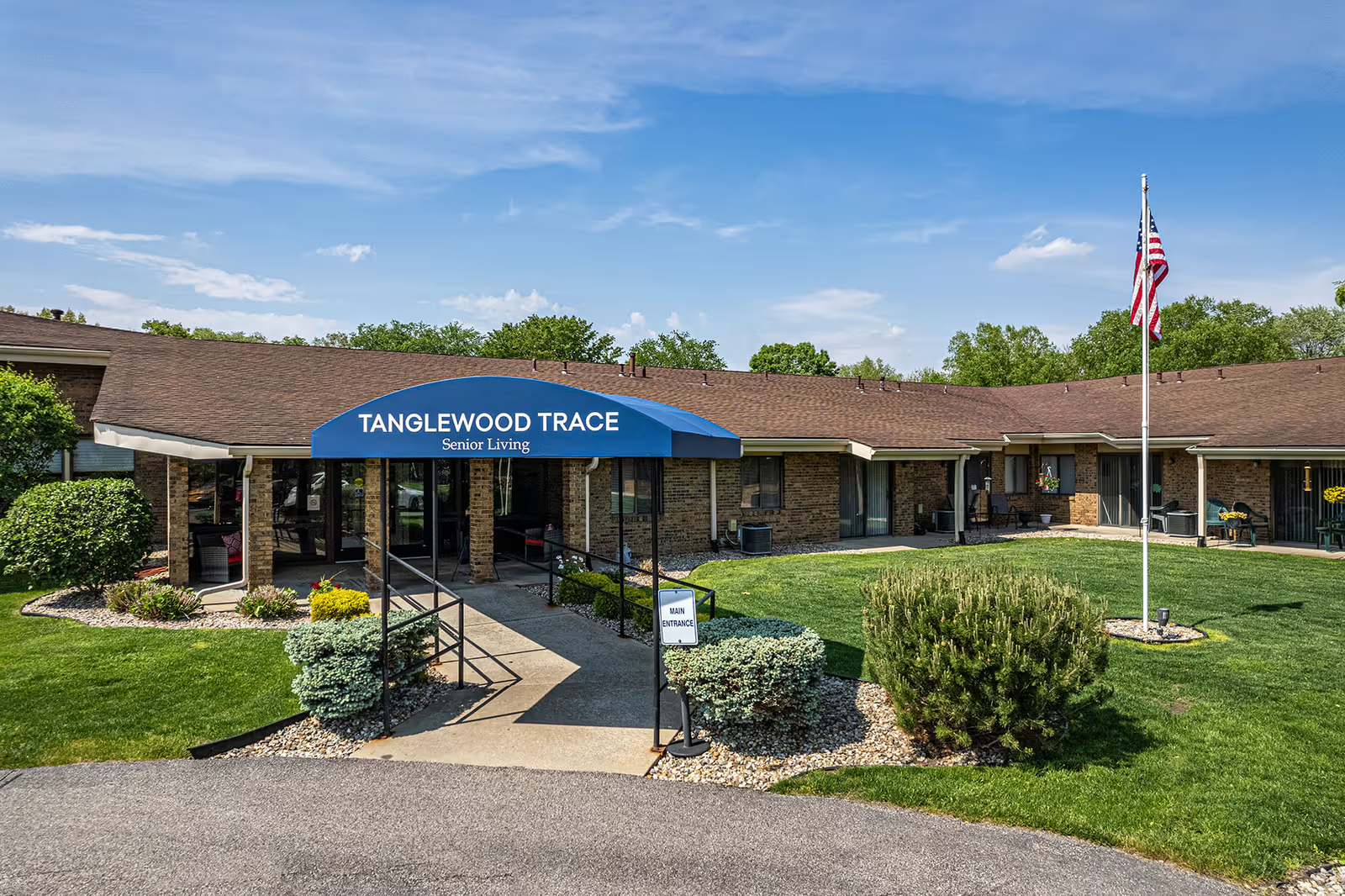
This collection of reviews presents a mixed picture of Sprenger Health Care of Mishawaka. Many families describe the facility as clean and attractive with strong rehabilitation resources and several nurses and therapy staff who provide compassionate, effective care. At the same time, a recurrent theme is uneven operational reliability — particularly related to staffing levels and responsiveness — which appears to drive much of the variability in experience.
Care quality is reported as highly variable. Positive accounts highlight attentive nursing, competent management of specialized lines (for example, PICC), and successful short-term rehabilitative outcomes after surgery. However, other accounts describe delays in medication administration, missing or late medications, inconsistent documentation, and specific concerns about diabetes and insulin-management processes. Reviewers also describe irregular personal-care delivery, including inconsistent bathing and toileting assistance schedules and missed hygiene tasks, which point to gaps in routine care processes.
Staff and communication receive both praise and criticism. Multiple reviewers commend individual caregivers and therapy staff for compassion and skill, and some families emphasize open, honest communication. Conversely, there are repeated notes about curt or dismissive interactions, unprofessional staff conduct, and ineffective handoffs. Many comments indicate limited management visibility and slow escalation when clinical issues arise, contributing to family frustrations and a sense of inadequate oversight.
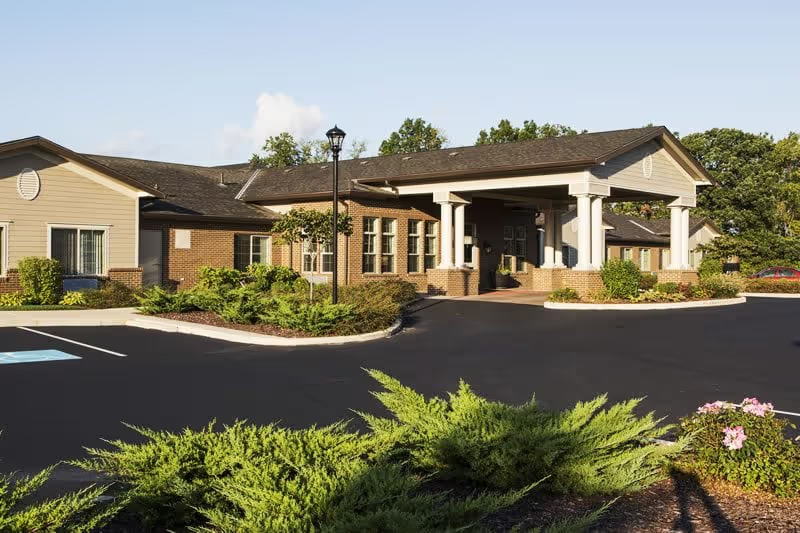
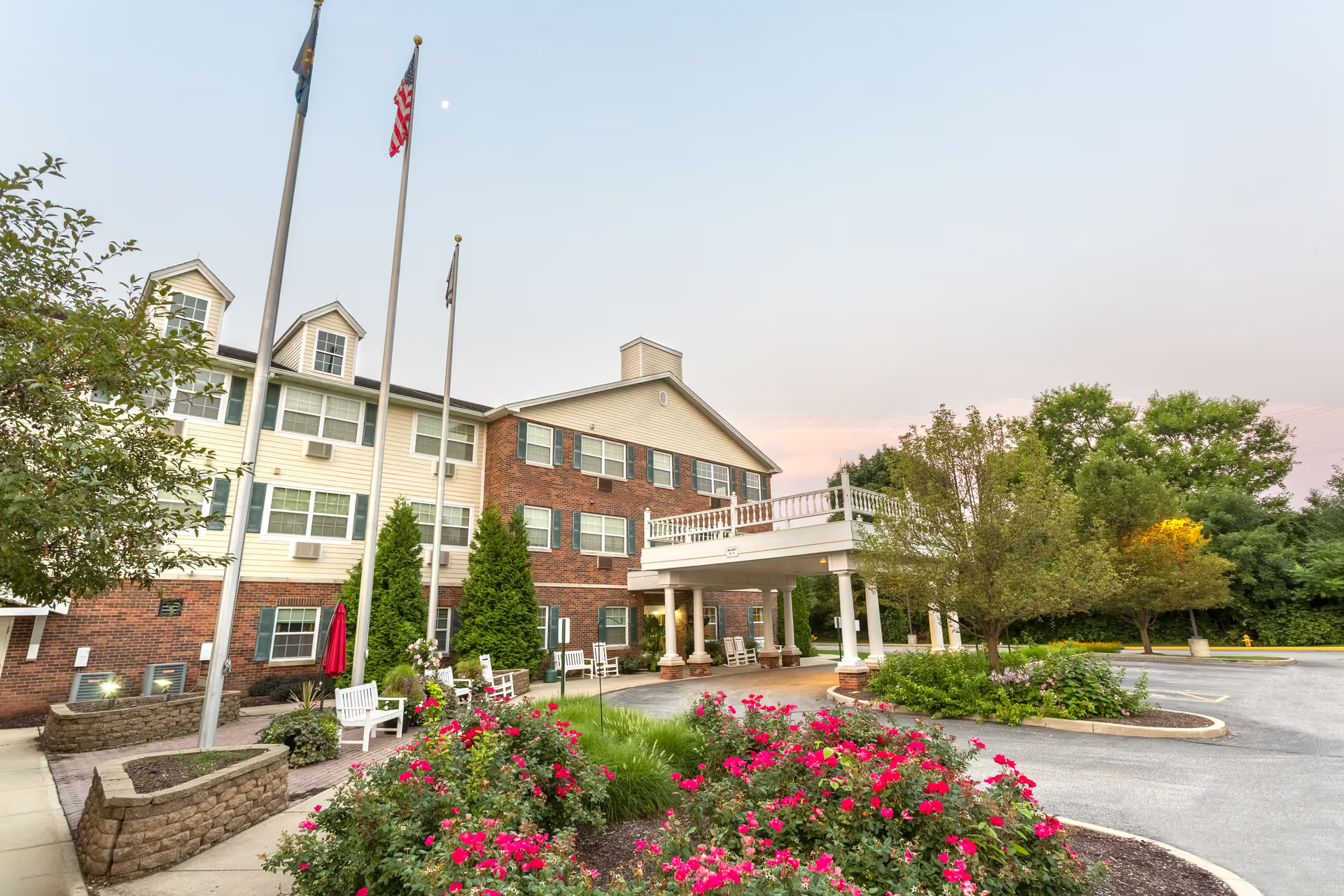
Dining, activities, and facilities are similarly mixed. The building and common areas are frequently described as modern, comfortable, and well-kept, and some reviewers report satisfactory meals and good transportation arrangements. At the same time, reviewers commonly mention inconsistent meal timing, food arriving cold or late, and occasional service lapses. Therapy and rehabilitation programs are often singled out as a strength, though reviewers also describe instances where promised therapy follow-up was not delivered or scheduled reliably.
Operational and safety patterns emerge across reviews. Chronic understaffing is the most consistent concern and appears linked to delayed response times, missed care tasks, and inconsistent therapy follow-through. Additional operational weaknesses include sanitation and housekeeping inconsistencies, documentation discrepancies, and billing or refund-process irregularities. Several reviews raise concerns about clinical follow-up and physician communication, as well as safety challenges for mobility-impaired residents.
For families considering this facility, it may help to ask specific, operational questions during tours and admissions: typical staffing ratios by shift, protocols for medication administration and insulin management, call-light response expectations, bathing and toileting schedules, documentation access for family members, therapy scheduling guarantees, and the facility's escalation and family-notification processes. Observing a shift change, requesting contact information for the charge nurse or unit manager, and clarifying billing and refund policies in writing can help set expectations and identify potential risks. Overall, Sprenger offers strong rehabilitative resources and some notably caring staff, but prospective residents and families should evaluate operational reliability and communication practices before placement.