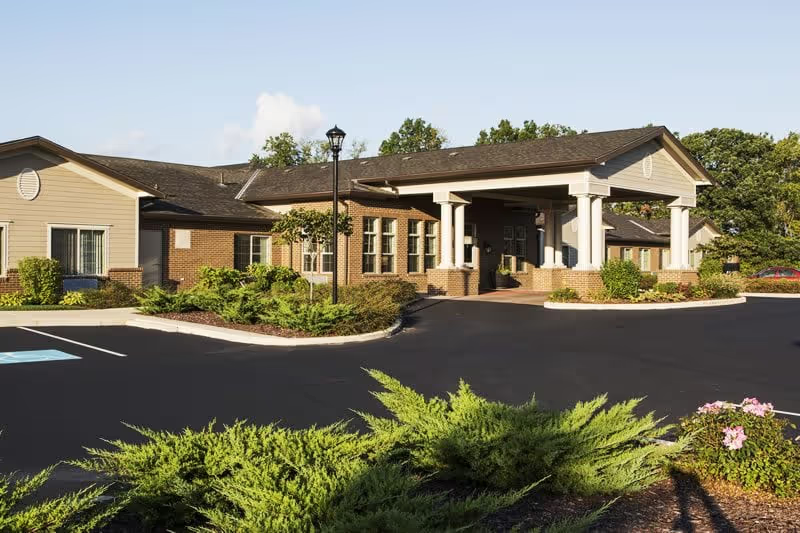
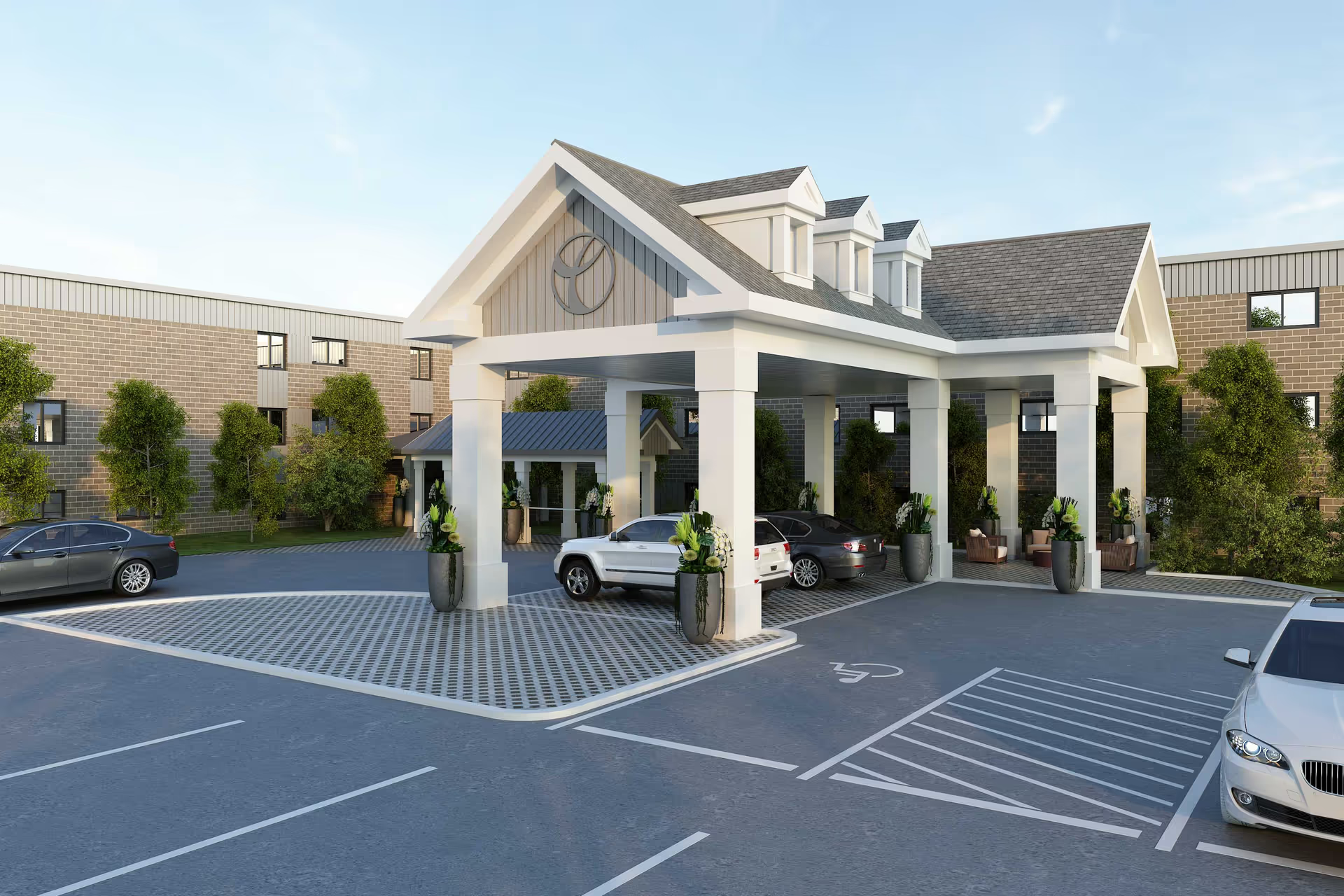
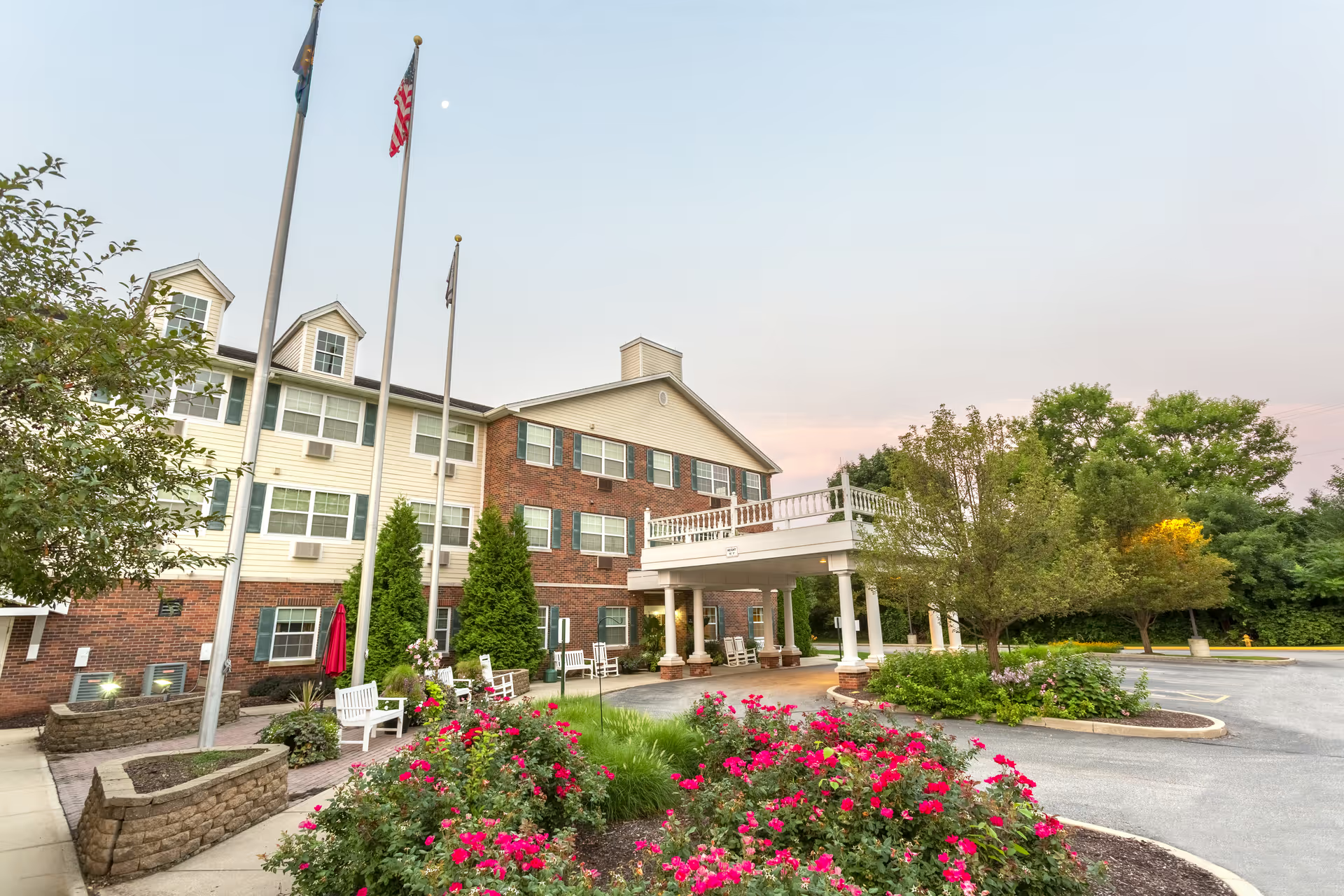
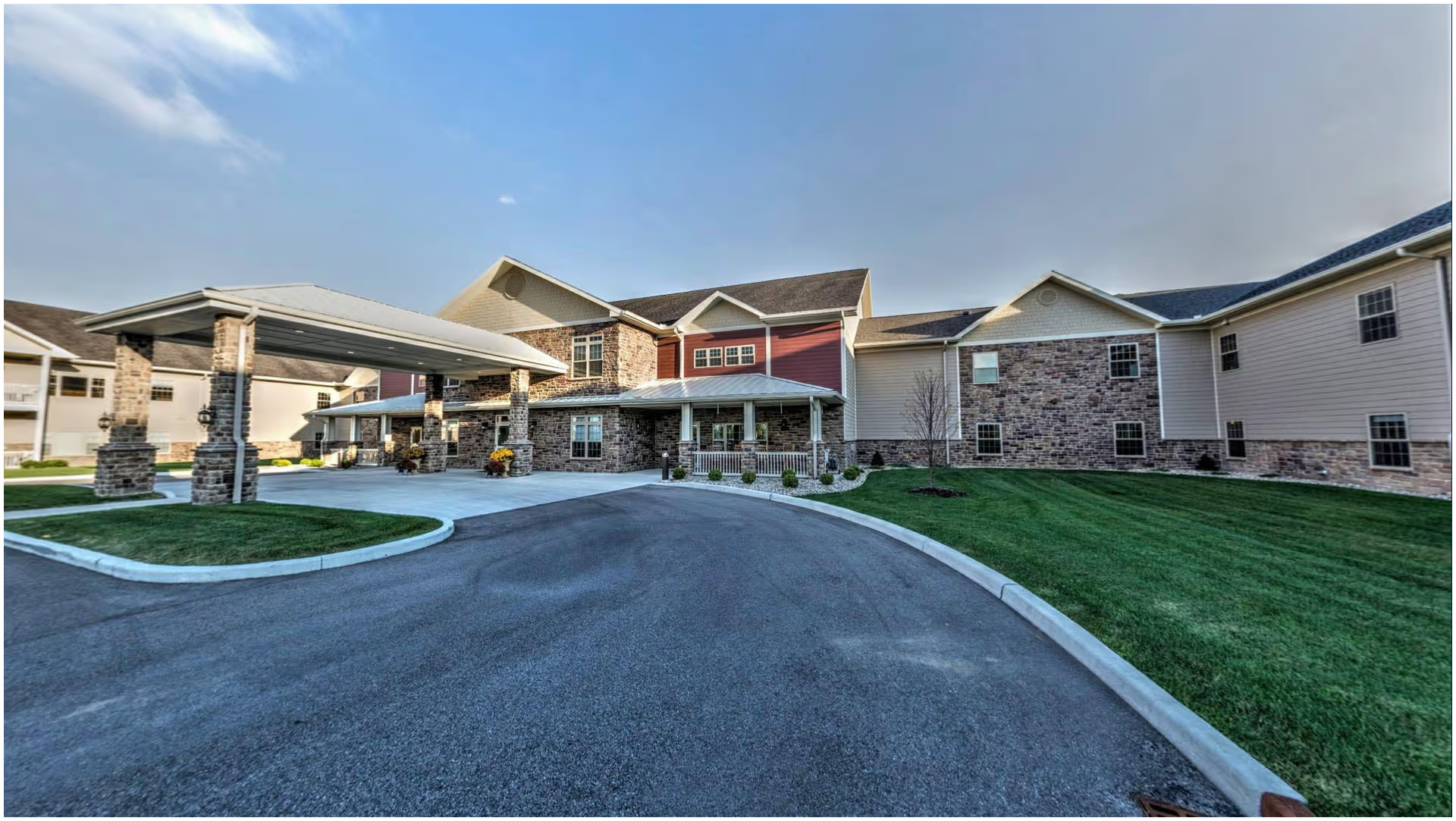
Holy Cross Village at Notre Dame elicits a strongly mixed but coherent picture. Many residents and families describe a warm, engaged community anchored by caring frontline staff, attractive grounds, and a lively activity calendar. Long-term residents emphasize strong social bonds, daily offerings (exercise classes, daily mass, lunches, happy hour, lectures, and campus events), a comfortable dining room, and effective rehabilitation services. The campus benefits from a close relationship with the University of Notre Dame, convenient parking and shuttle service, and well-maintained apartments that many find homelike and convenient.
Care quality is uneven across reviews. Positive accounts highlight staff who are patient, attentive, and supportive during transitions and long-term stays, and therapy/rehab outcomes are described as successful. At the same time, several families described delays in nursing response and gaps in care coordination—orders that were not implemented promptly or accurately, delayed medication/attention, and limited visibility of nursing staff during initial intake. These operational gaps have led some families to feel they needed to provide close oversight. Memory-care and assisted-living units in particular received more critical comments, indicating variability in staffing levels, cleanliness, and day-to-day supervision.
Staff culture receives predominantly favorable commentary for friendliness, hospitality, and dining-staff engagement; dining staff are frequently singled out for creating a welcoming atmosphere. Food quality is often praised for variety and presentation, though there are isolated concerns about meal texture and chewing safety that suggest the kitchen may need to better accommodate residents with specific chewing or swallowing needs. Housekeeping and maintenance are commonly described as responsive, which supports the facility’s generally well-kept appearance, but separate accounts note sanitation issues and pest-control concerns in some rooms or units that management will need to address systematically.
Management and administrative communication are a recurring area of concern. Several accounts describe inconsistent information from administration, slow or inadequate responses to reported issues, and a perception of leadership shortcomings. Move-in and intake procedures are uneven: some residents report helpful move-in support, while others experienced little transitional nursing oversight in the first days. Understaffing is cited as a contributing factor to many of these operational inconsistencies.
For prospective residents and families, the notable pattern is polarization: many residents report a high quality of life, strong social connections, and caring staff, while a smaller set of experiences point to operational weaknesses that affect care reliability and unit-level cleanliness. Practical questions to clarify during a tour include current staffing ratios on the target unit, average nurse response times, protocols for implementing physician orders, pest-control and sanitation processes, meal accommodations for chewing/swallowing issues, and specifics about move-in and memory-care oversight. These operational clarifications can help align expectations with the facility’s strengths in community, amenities, and rehabilitation services and identify where additional monitoring or advocacy may be needed.