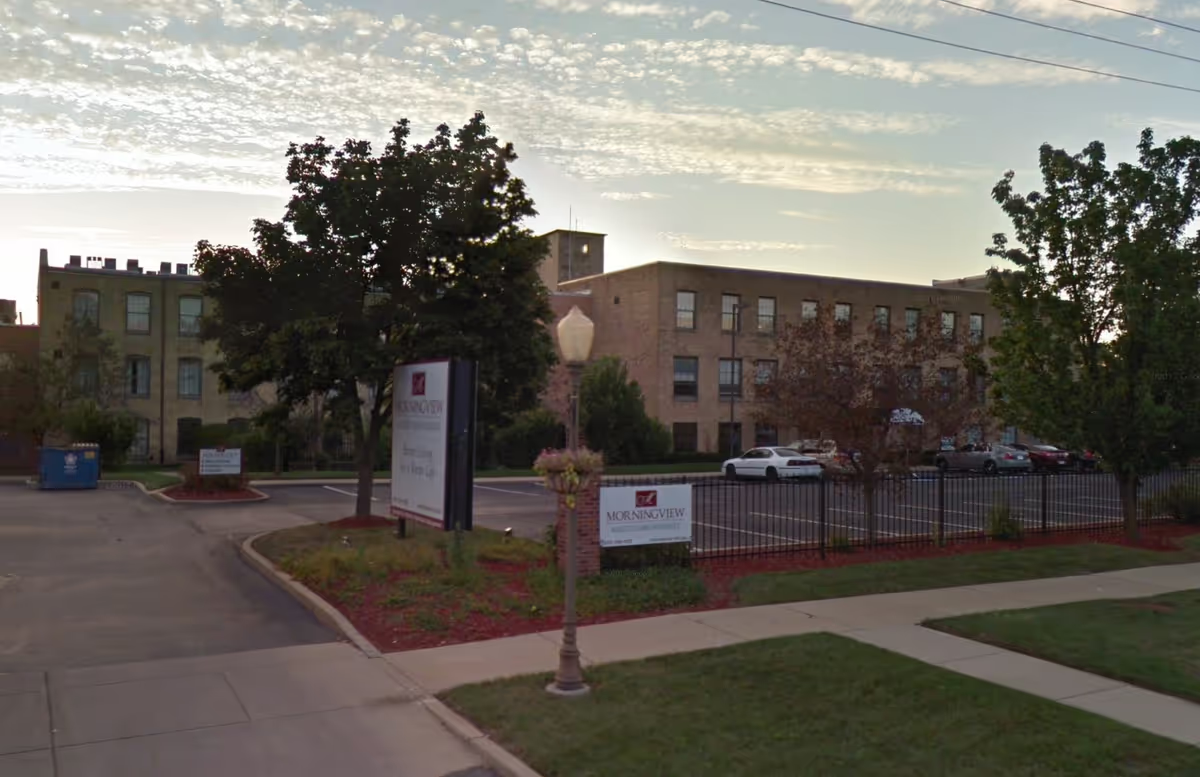
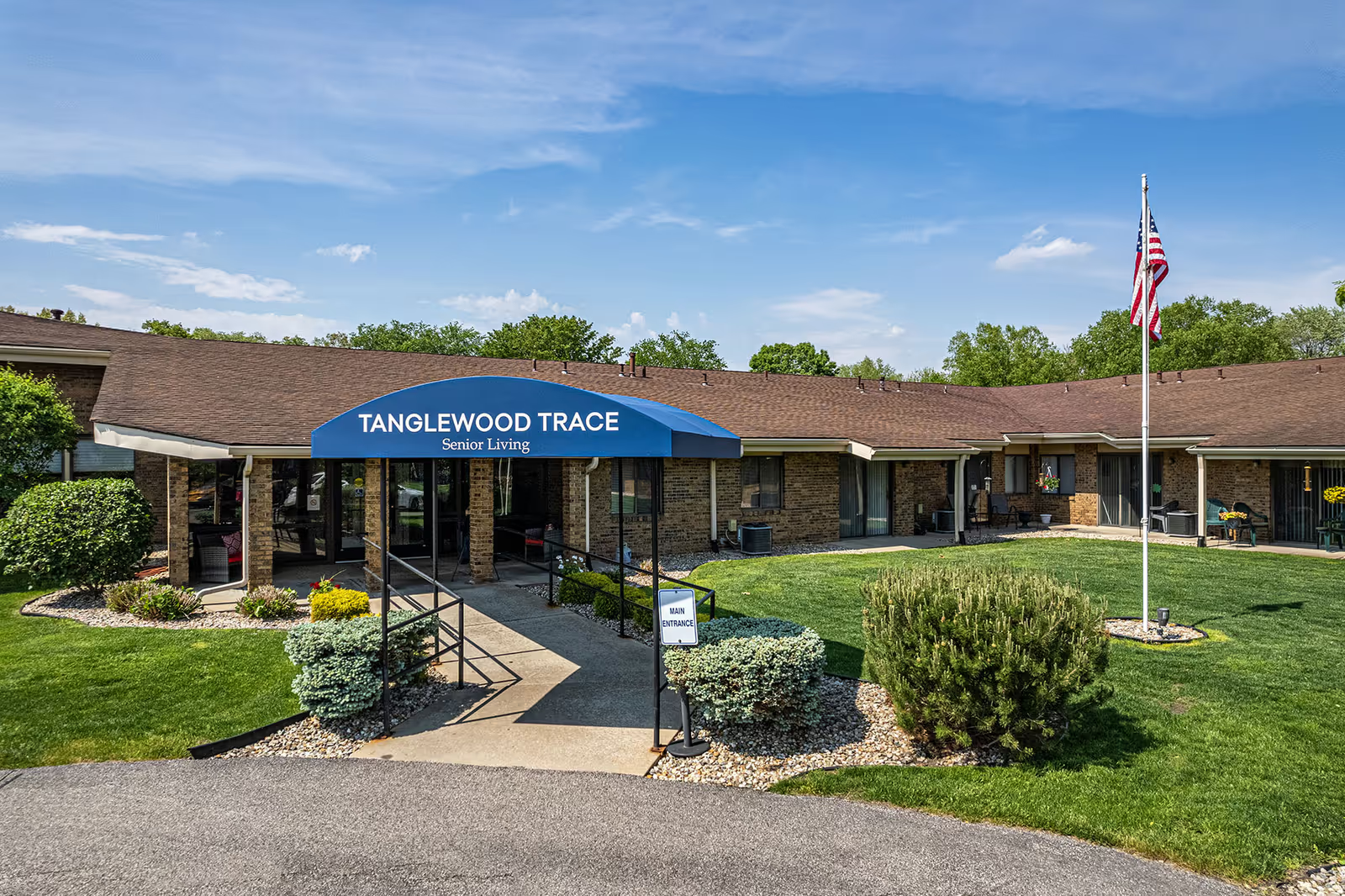
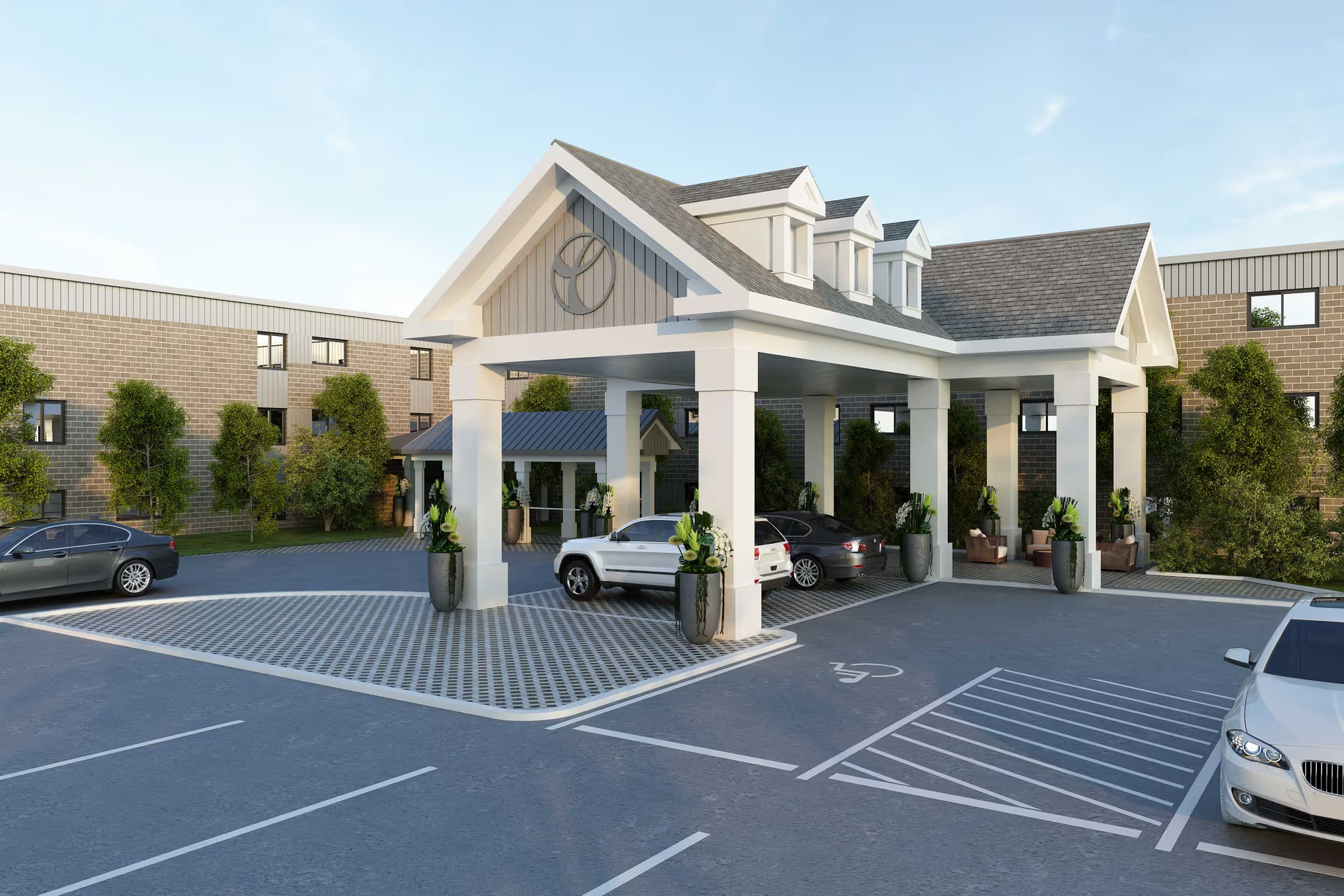
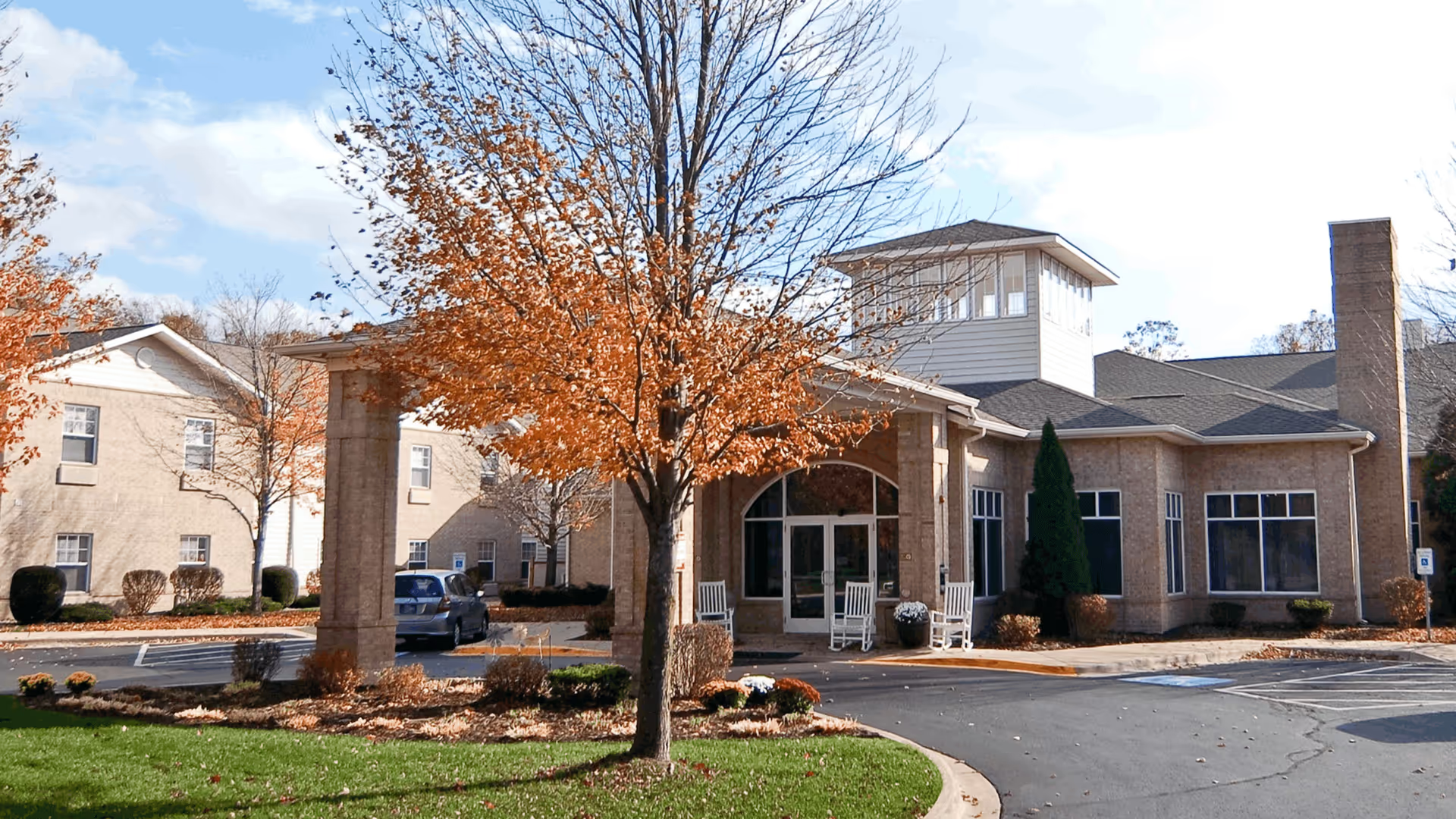
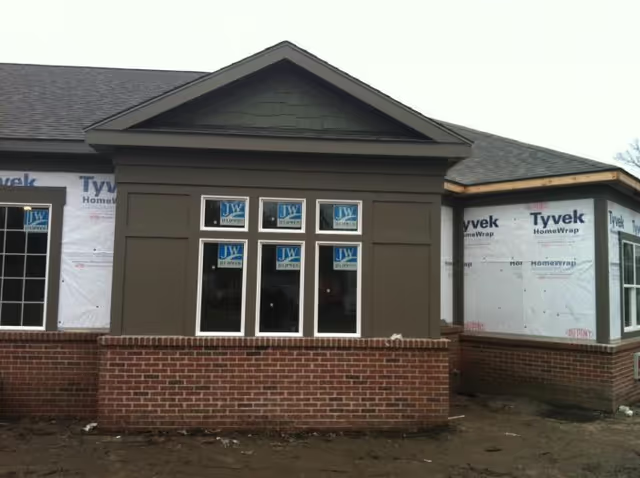
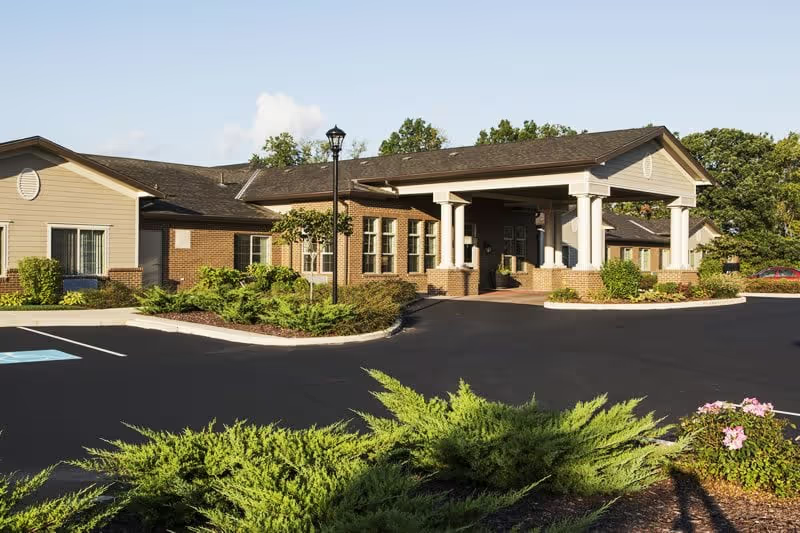
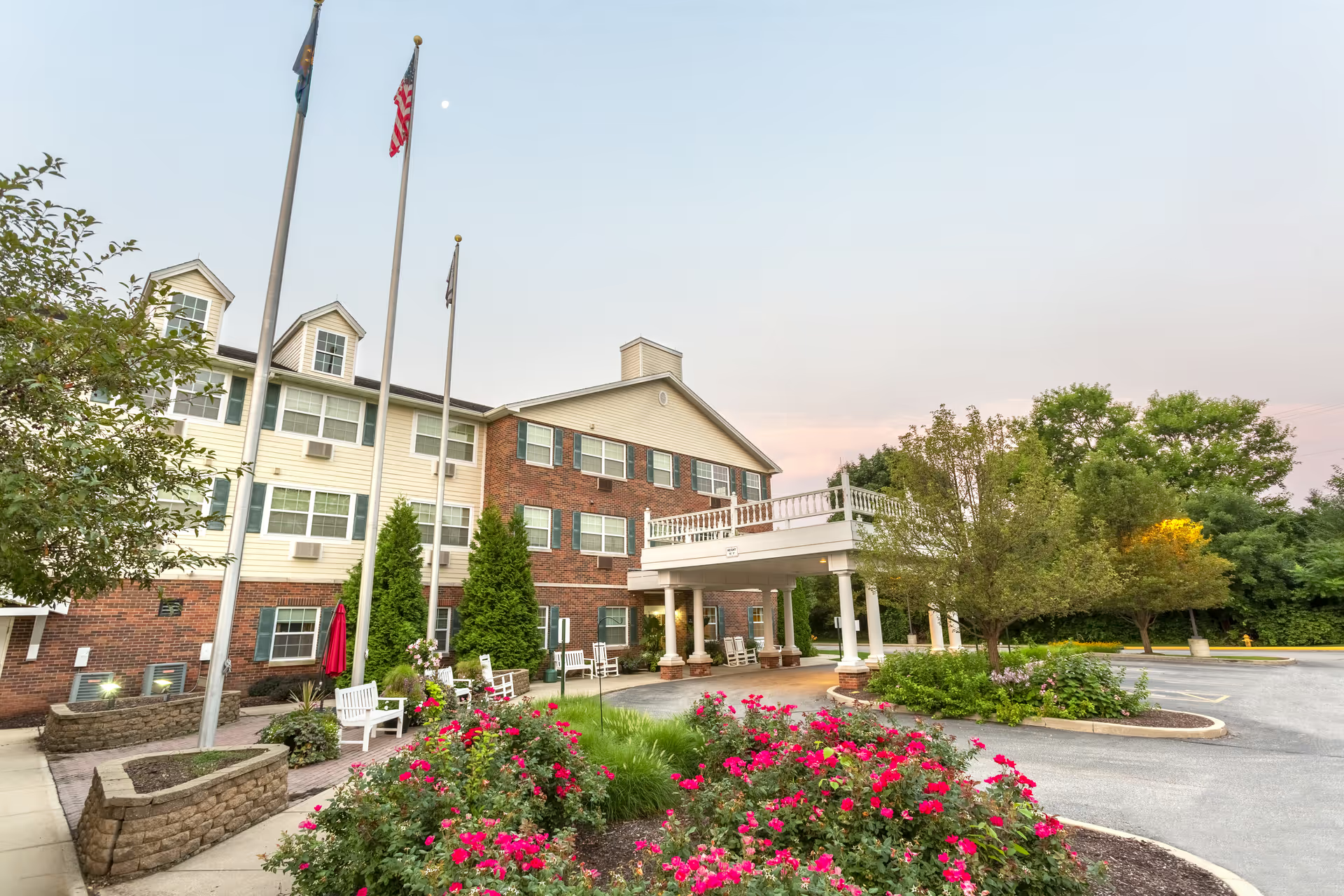
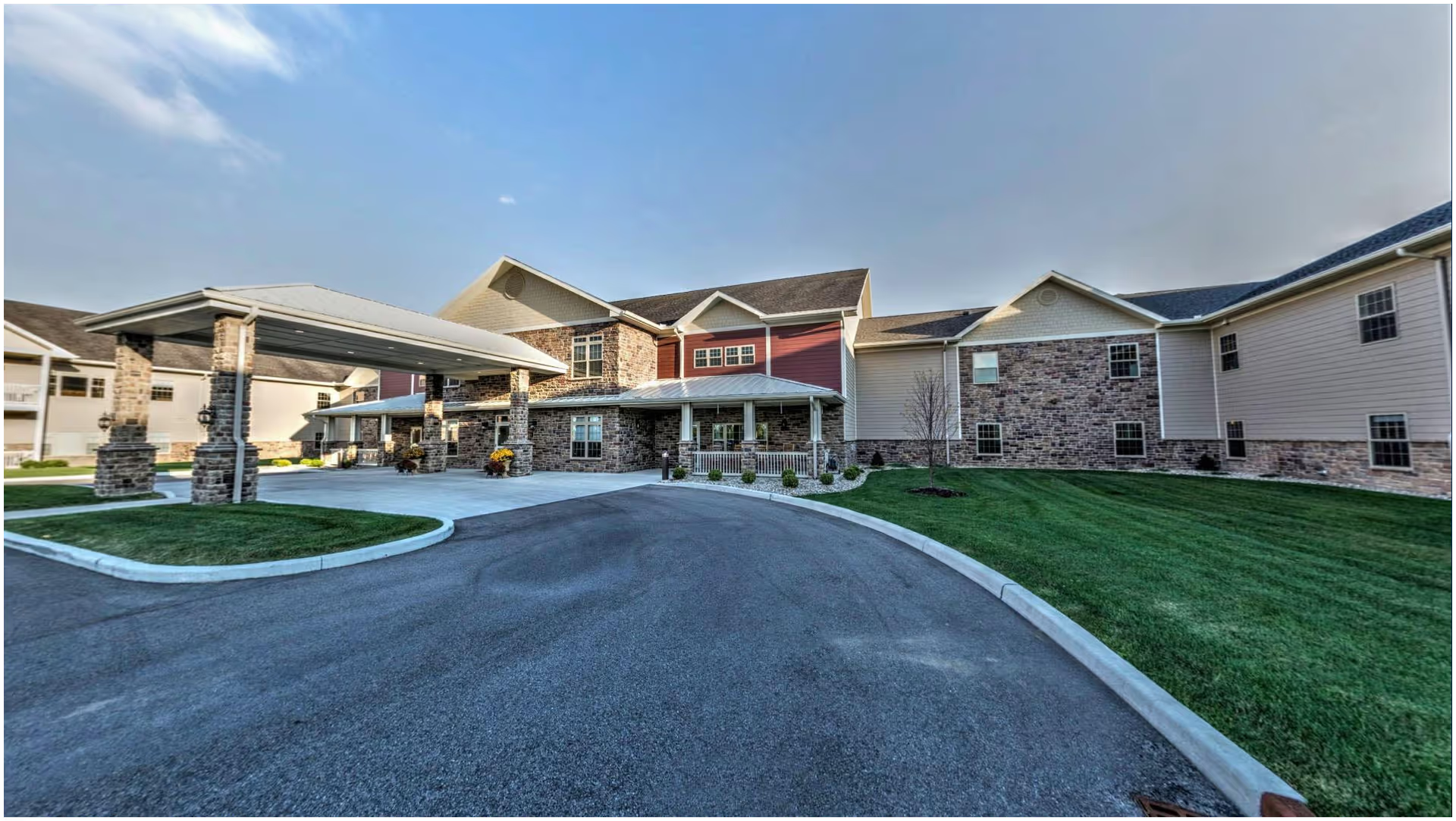
Cardinal Nursing and Rehabilitation elicits a mixed but distinct pattern of impressions. Many reviewers praise the facility's cleanliness, recent capital improvements, and homelike interior updates (new floors, fresh paint, landscaping). The building and room spaces are frequently described as tidy and comfortable. The activities program and social environment receive consistent positive mention — scheduled group activities, gardening, games, outings, and dementia-friendly social opportunities are cited as strengths that contribute to residents' engagement and morale.
Direct-care staff, aides, and the therapy teams are a recurring positive: reviewers characterize many nurses, therapists (PT/OT/ST), and aides as compassionate, attentive, and effective. Several families credited therapy staff with timely recoveries and above-and-beyond effort. Long-tenured employees and an apparent positive workplace culture among many front-line staff are associated with person-centered care and good day-to-day interactions. Dining is generally described favorably, with multiple comments noting enjoyable meals.
Alongside these strengths are substantive operational concerns. Reviewers describe variability in staff conduct and responsiveness — while some families report loving, attentive care, others recount delays in assistance and problems with clinical oversight. Related themes include medication-management and clinical-skill gaps, inconsistent rehabilitation intensity or scheduling, and communication shortfalls between departments. There are also serious, singular but significant claims alleging staff theft and enabling behavior; these raise questions about financial safeguards and staff supervision. Additionally, reviewers describe administrative turnover and uneven leadership, which some say has contributed to trust and coordination issues. A few comments also question the integrity of online feedback for the facility.
Overall, the facility shows clear strengths in environment, activities, and therapy services, and some families report excellent, person-centered caregiving. However, variability in clinical consistency, administrative stability, and concerns about financial controls and internal communication create an uneven portrait. Prospective residents and families should consider an in-person tour, ask for recent inspection and staffing records, inquire about medication and financial-safeguarding protocols, and request specifics about therapy schedules and wound/skin-integrity practices to assess whether the facility's current operations meet their particular needs.