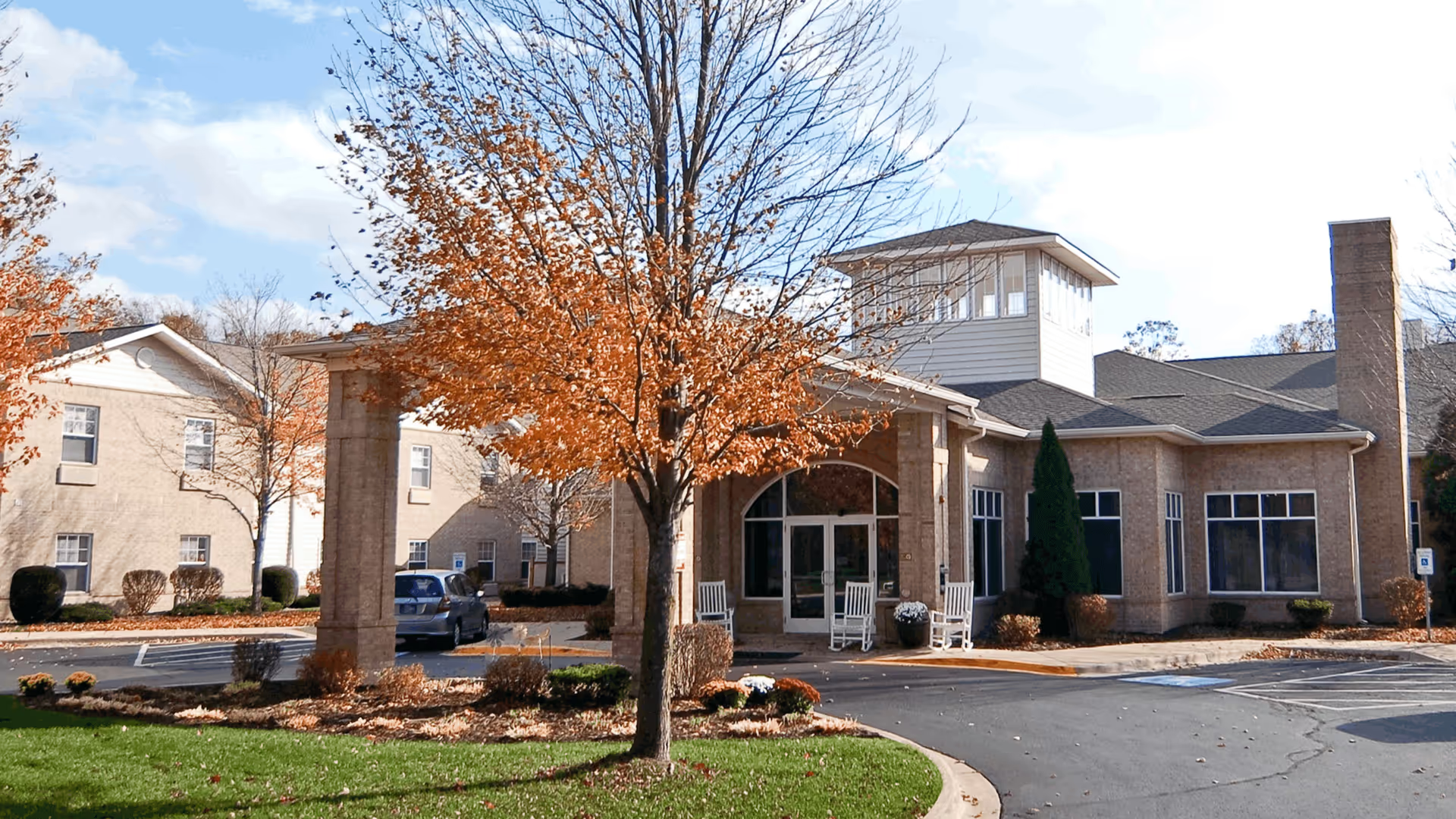
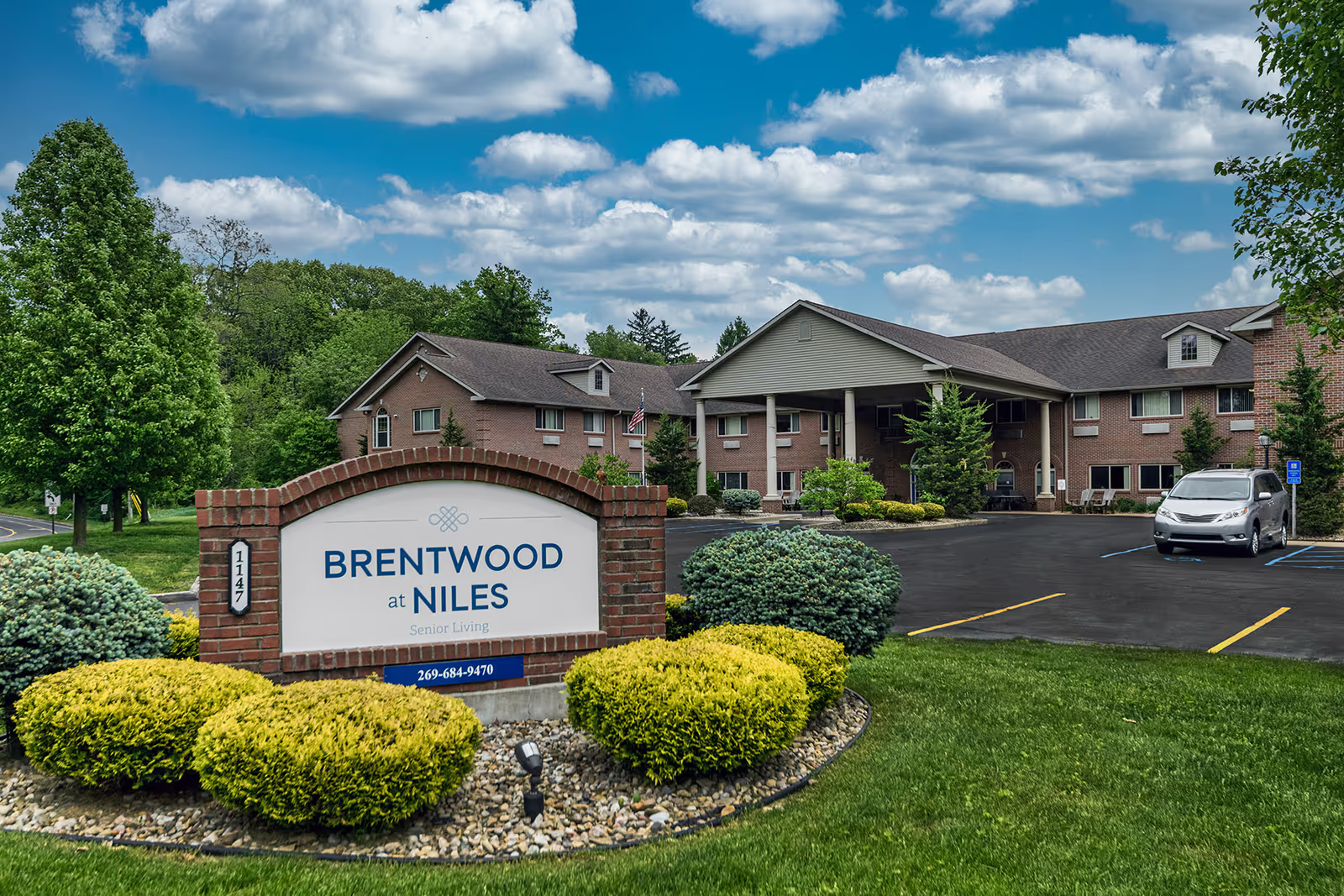
Healthwin Specialized Care elicits a mixed but consistent pattern: the facility is frequently praised for its rehabilitation services, physical and occupational therapy, and for having many staff members who are compassionate and family-oriented. Residents and families commonly describe a clean, attractive property with comfortable rooms, active programming (crafts, barbecues, holiday events), volunteer involvement, and practical family supports such as guest-meal allowances and assistance with admission or hospice transitions.
Clinical strengths appear concentrated in the therapy and long-term care teams; multiple accounts highlight effective PT/OT, attentive wound and end-of-life support in particular units, and timely updates to families from staff who engage personally with residents. However, reviewers also describe operational inconsistencies that affect clinical reliability. There are recurring concerns about delays in responding to acute needs and medication or oxygen administration, along with interruptions to continuity of care and wound-care follow-through. These issues have, in some narratives, been associated with serious clinical consequences, which families cite as motivating closer oversight or increased family involvement.
Staff quality is described as polarized: many frontline caregivers are characterized as kind, patient, and willing to go above and beyond, while other shifts or units are said to demonstrate lower engagement and slower responsiveness to call lights and routine care tasks. Recent ownership changes are a common theme tied to deteriorating staffing levels, reduced pay, supply shortages, and morale challenges; those operational shifts coincide with reports of higher turnover and perceived declines in service consistency. Administrative communication also shows variability — some families report clear, supportive contact, while others describe poor responsiveness or explanations that felt insufficient, particularly around critical incidents.
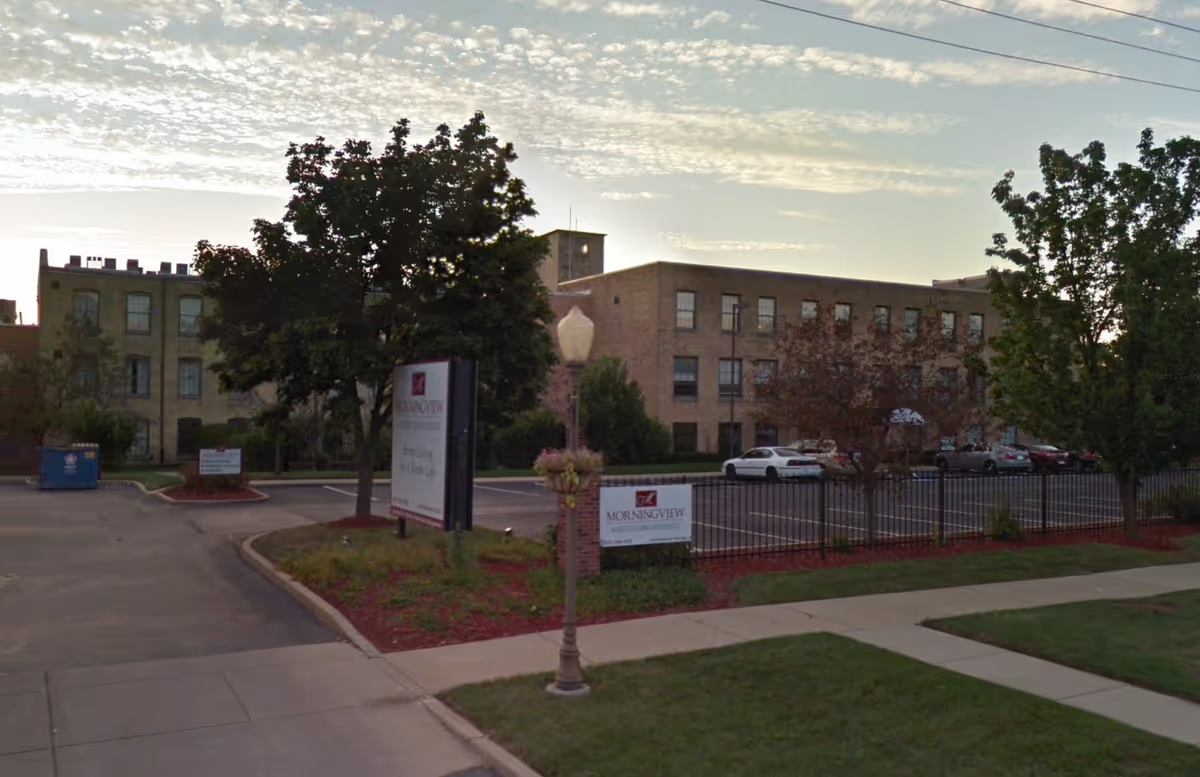
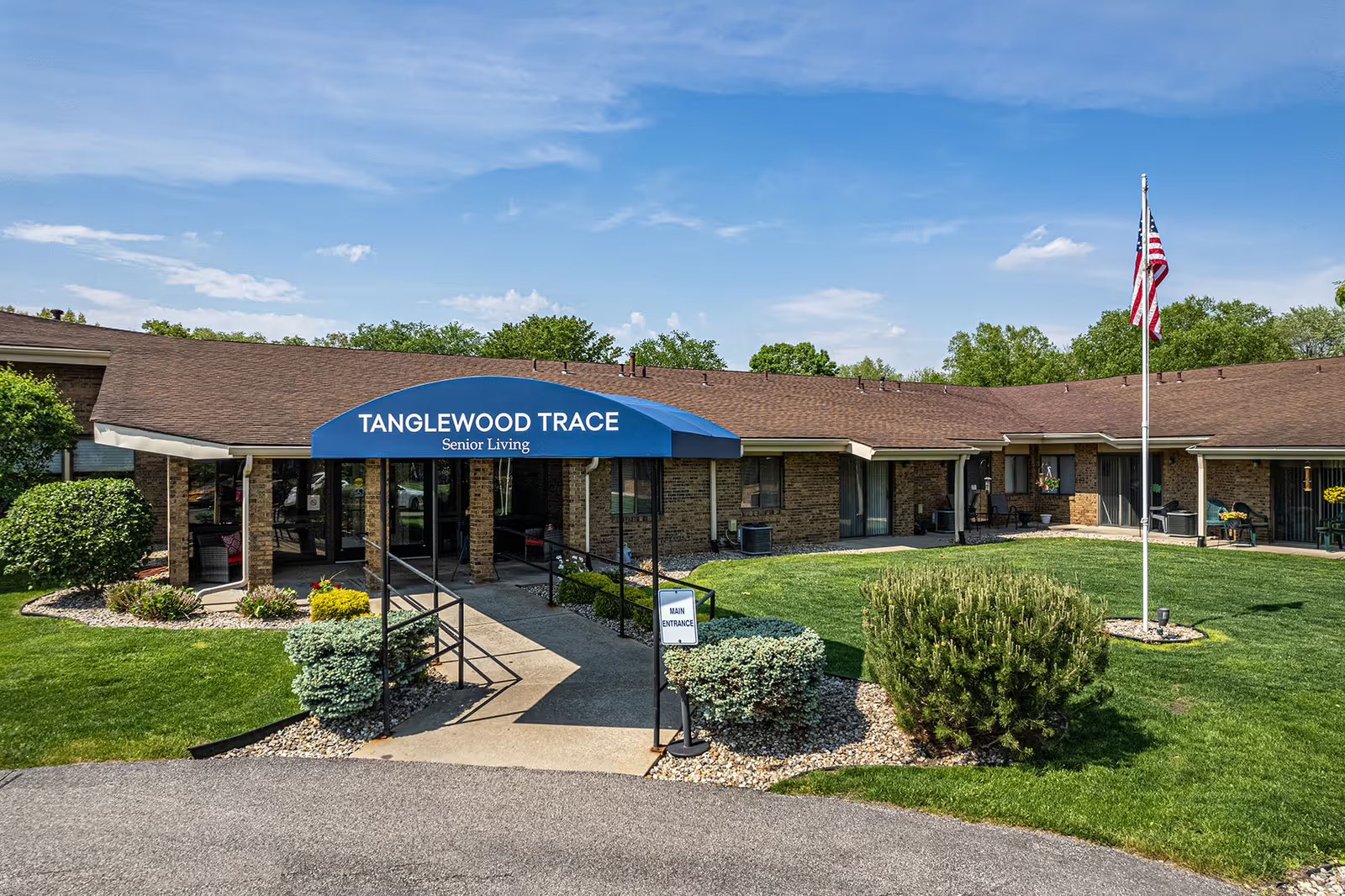
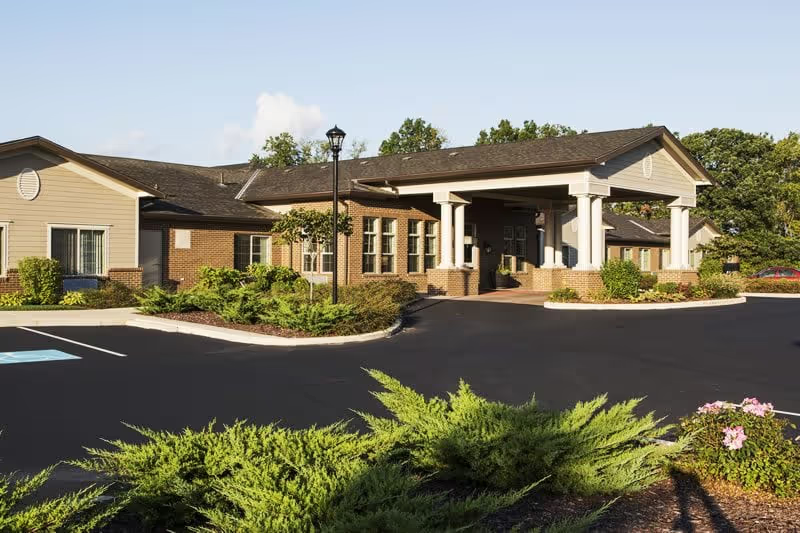
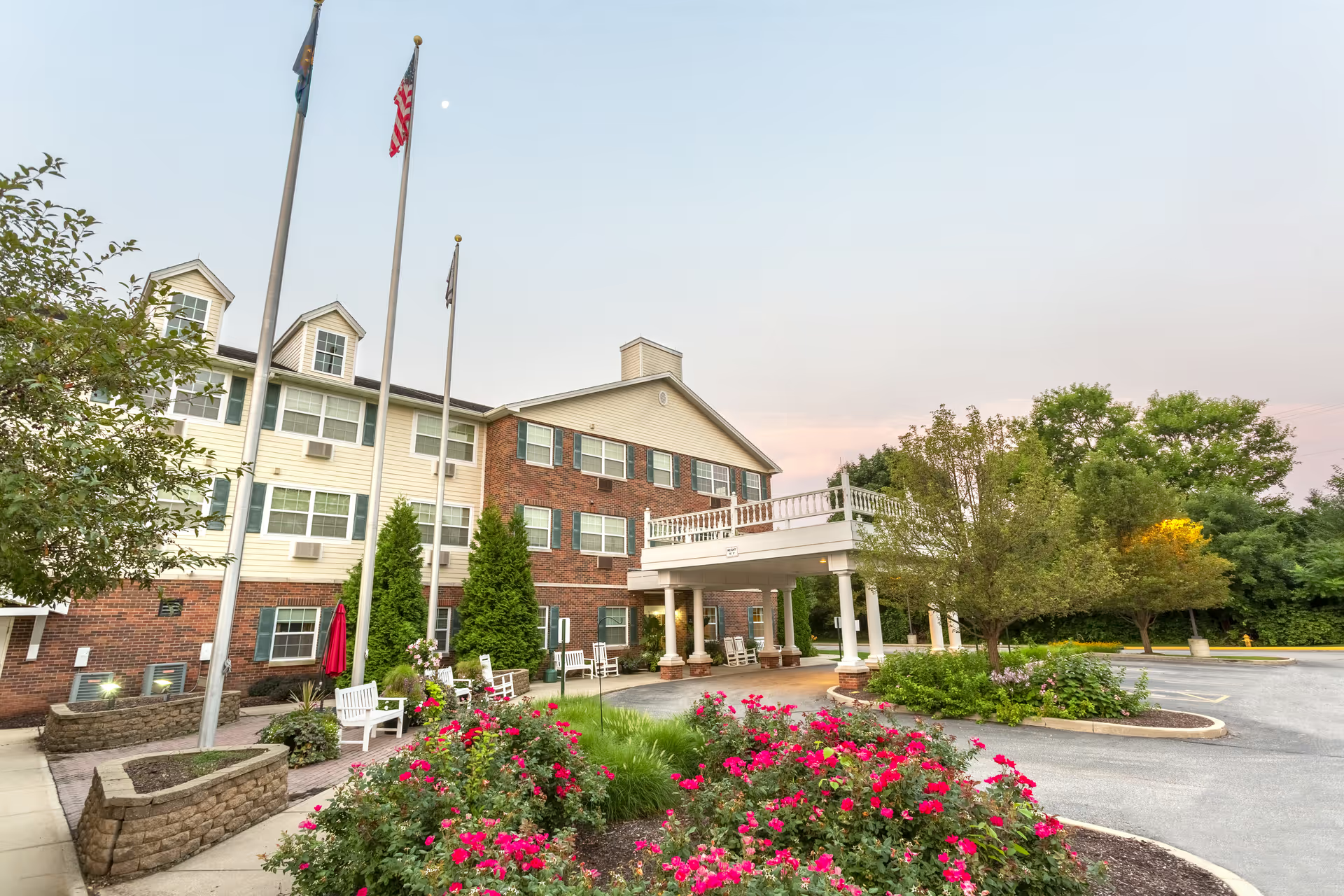
Dining and activities are notable strengths for some residents: the facility runs regular programming, family events, and in-house meals that some families praise. At the same time, there are localized concerns about dining presentation and supply reductions (for example, increased use of disposable serviceware) that suggest a change in resourcing. The building and grounds generally receive positive remarks for cleanliness and upkeep, although maintenance and supply continuity have been called into question after management changes.
Safety and property concerns are important patterns to consider during assessment. Reviews reference inconsistent monitoring systems (for example, absence or failure of bed-alarm or fall-prevention measures), delayed response to call lights, and episodes involving missing personal items. Prospective residents and families should prioritize direct questions about current staffing ratios, fall-prevention protocols, medication-administration procedures, handling of resident belongings, and any operational changes enacted by new ownership. A personal tour, conversations with therapy and nursing leadership, and clarification of how the facility manages supply shortages and shift coverage will help evaluate whether the facility’s strengths align with an individual’s care needs.