Overall impression: Reviews for Owen Valley Rehabilitation and Healthcare Center are highly polarized, with a substantial number of families describing consistently positive experiences focused on rehabilitation, activities, and compassionate frontline staff, while other reviews describe significant clinical and operational concerns. This pattern suggests wide variation in performance across units, shifts, or time periods rather than uniformly consistent quality.
Care quality and clinical outcomes: The facility receives strong praise for its rehabilitation services — reviewers highlight an updated therapy gym, modern equipment, and an interdisciplinary therapy team (PT/OT/speech) that many families credit with good functional gains. At the same time, multiple reviews raise clinical outcome concerns including pressure injuries, infections, unintended weight loss, falls, and missed or delayed medications. These items cluster into operational weaknesses around wound prevention, medication management (including hospice-medication coordination), nutrition monitoring, and timely clinical responsiveness to call bells and treatments.
Staff and culture: Numerous reviews describe compassionate, attentive aides, helpful nursing staff, and supportive administrative personnel (notably front-desk staff). These staff-driven strengths underpin many positive experiences and the facility’s active programming. However, other reviews point to inconsistent staff conduct, delays in responding to resident needs, and evidence of high staff turnover. The combination of praised individual caregivers and concerns about inconsistent nursing performance suggests variability in training, staffing levels, or supervision.
Dining and nutrition: Some families appreciate clean dining areas and staff assistance with feeding, but others note inconsistent meal timing, difficulty accommodating residents with denture or swallowing needs, and inadequate monitoring of weight loss or caloric intake. Assisted-eating support appears available but unevenly applied.
Activities and social programming: Activity offerings are a clear strength for many reviewers. The facility is credited with a busy, social calendar (parties, karaoke, singing), a welcoming memory-care community, and novel engagement tools such as a robotic companion program. These features contribute to a positive social environment when staffing and supervision are adequate.
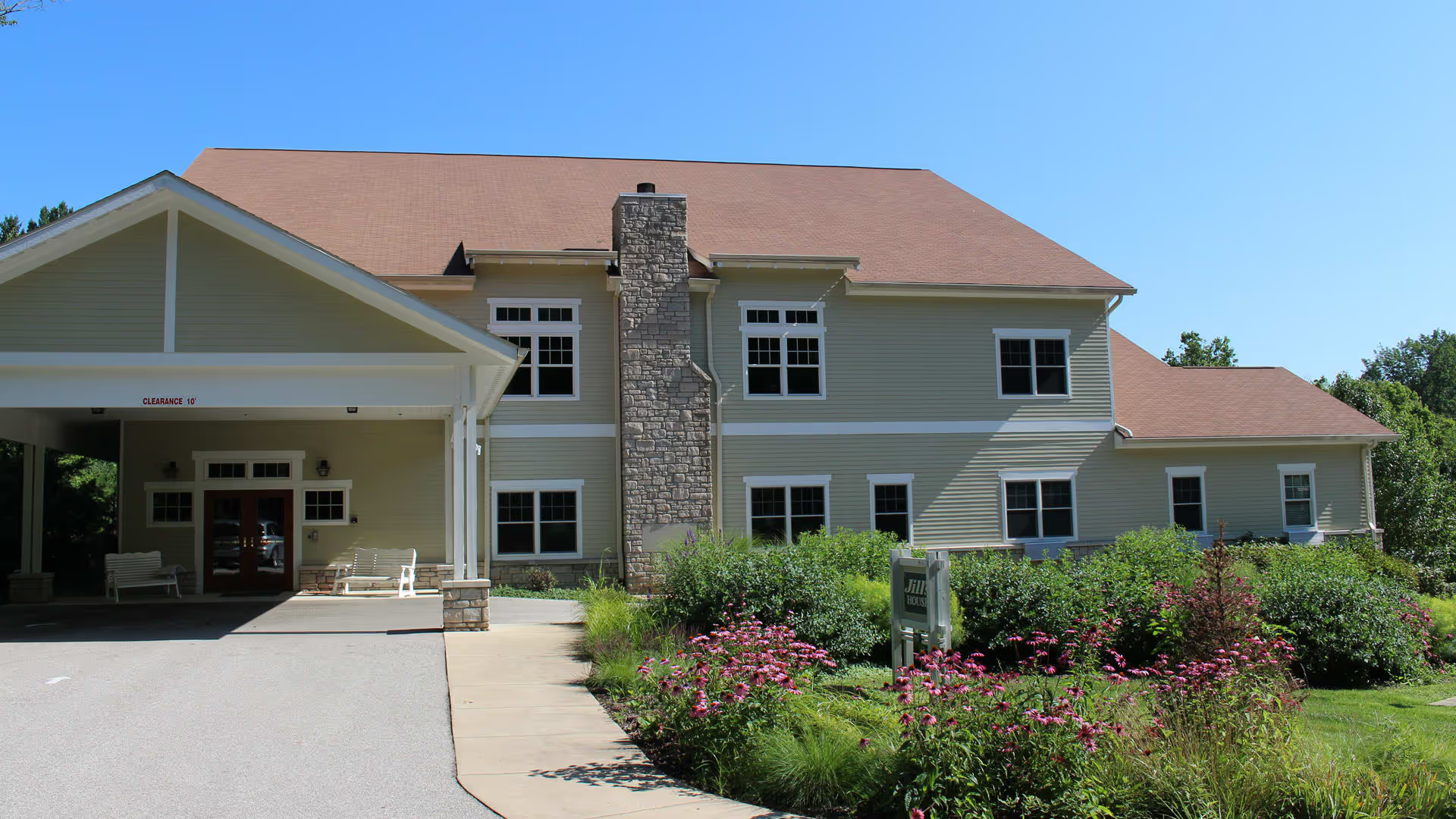
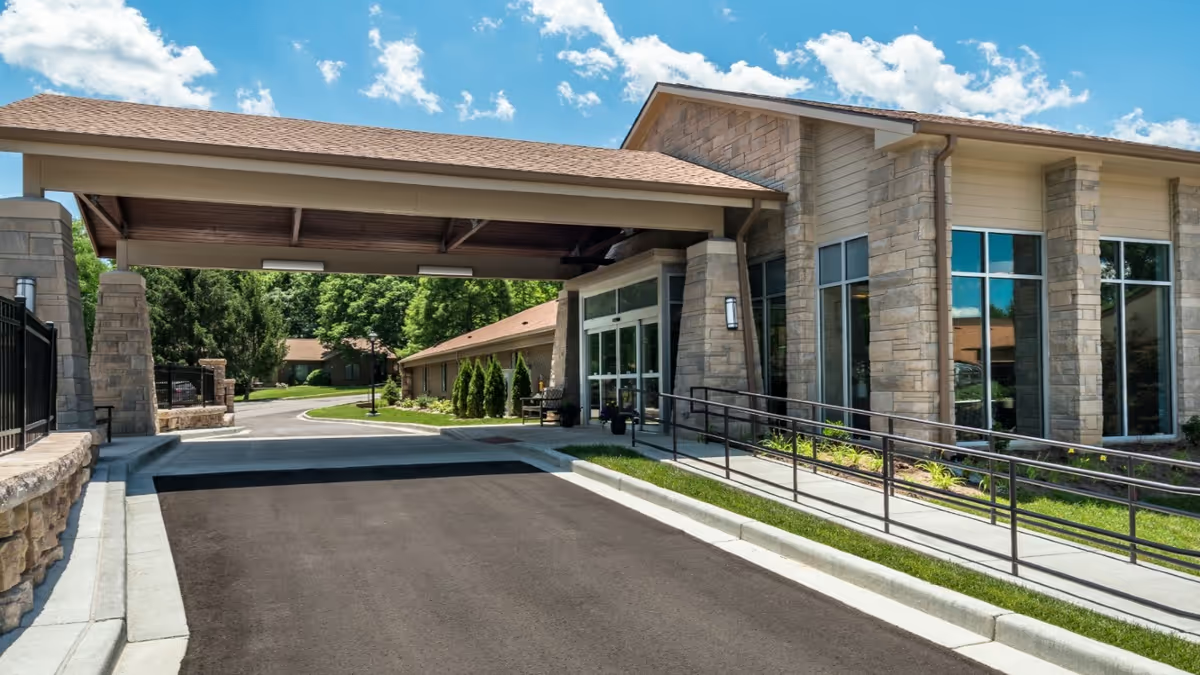
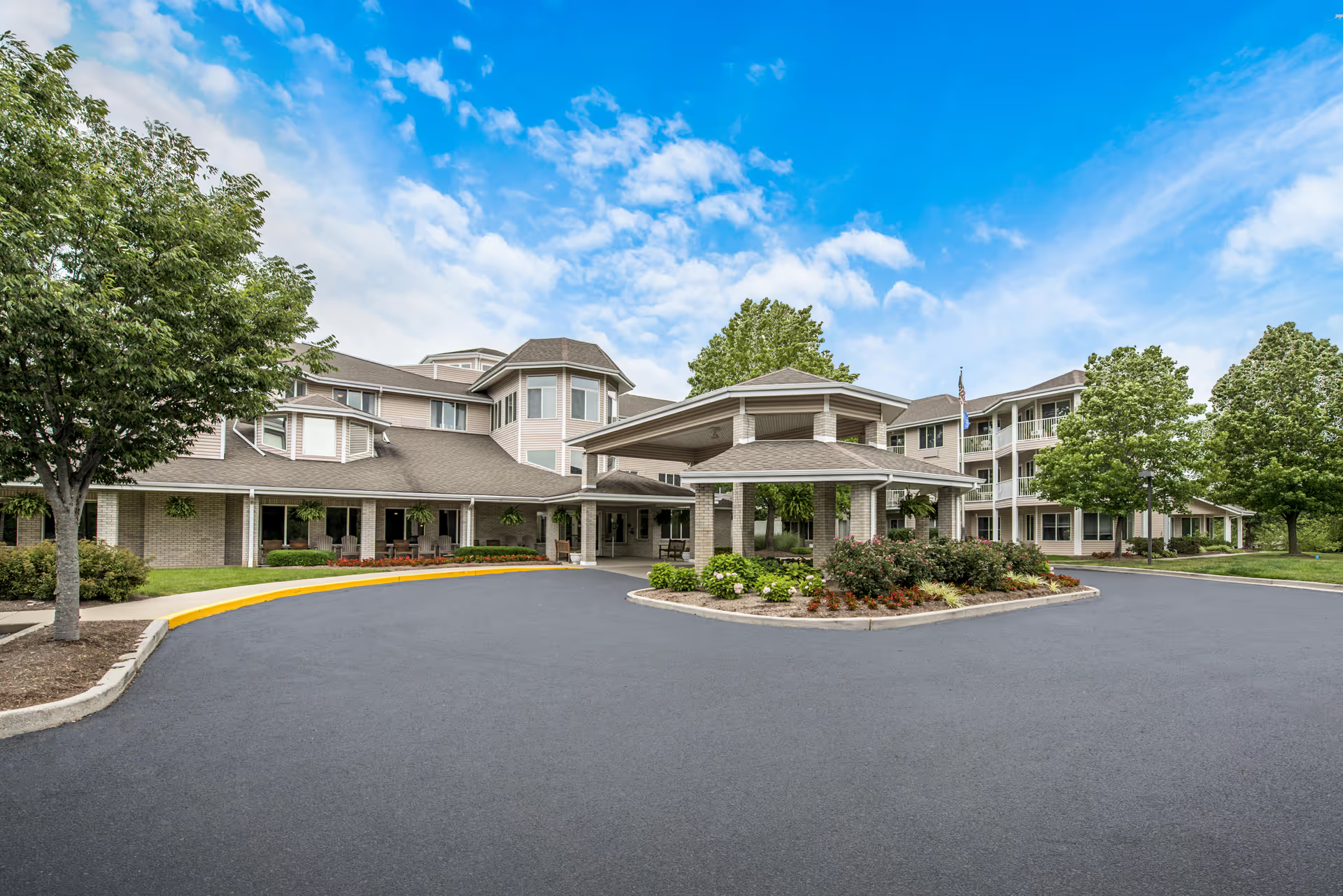
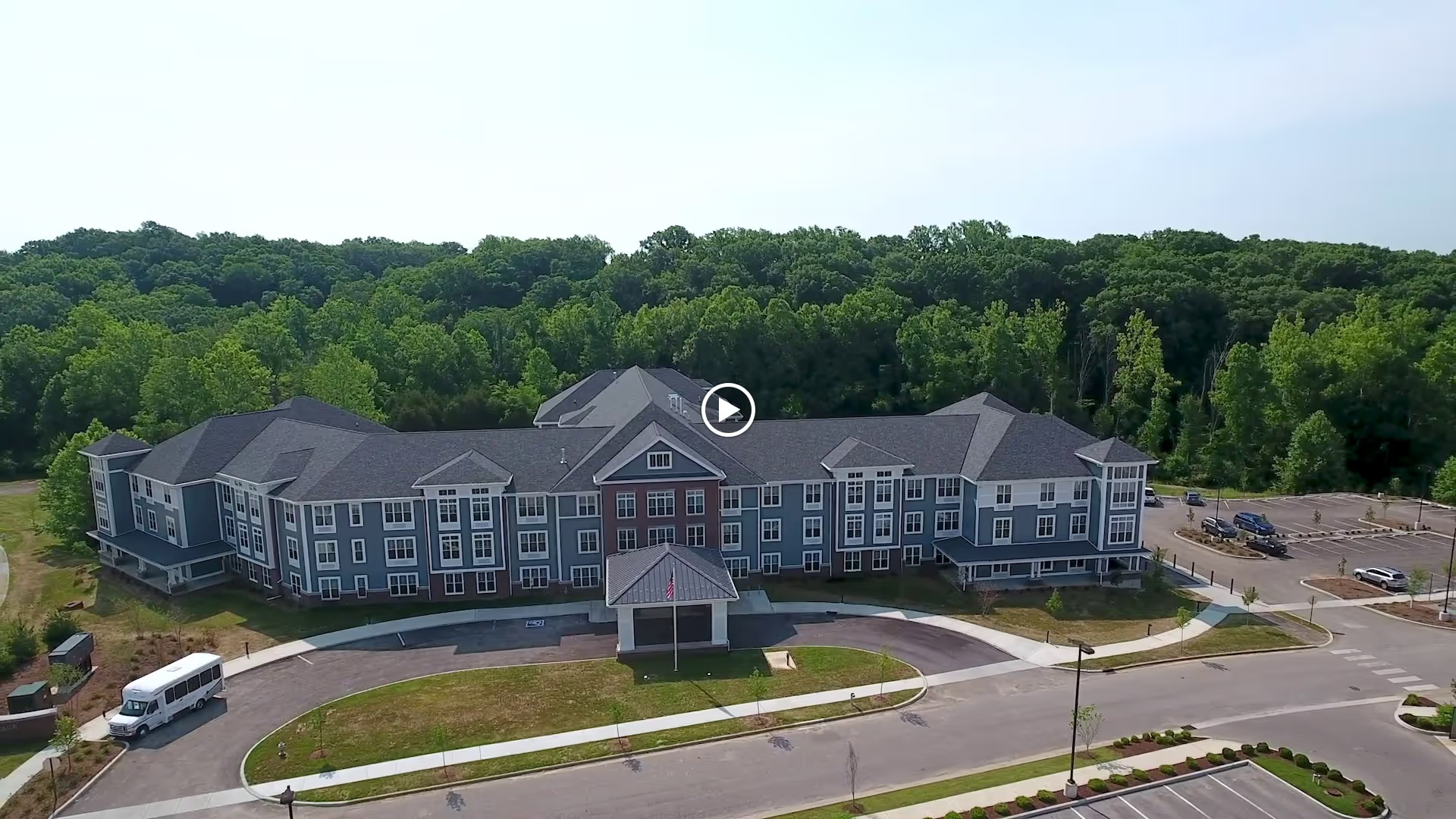
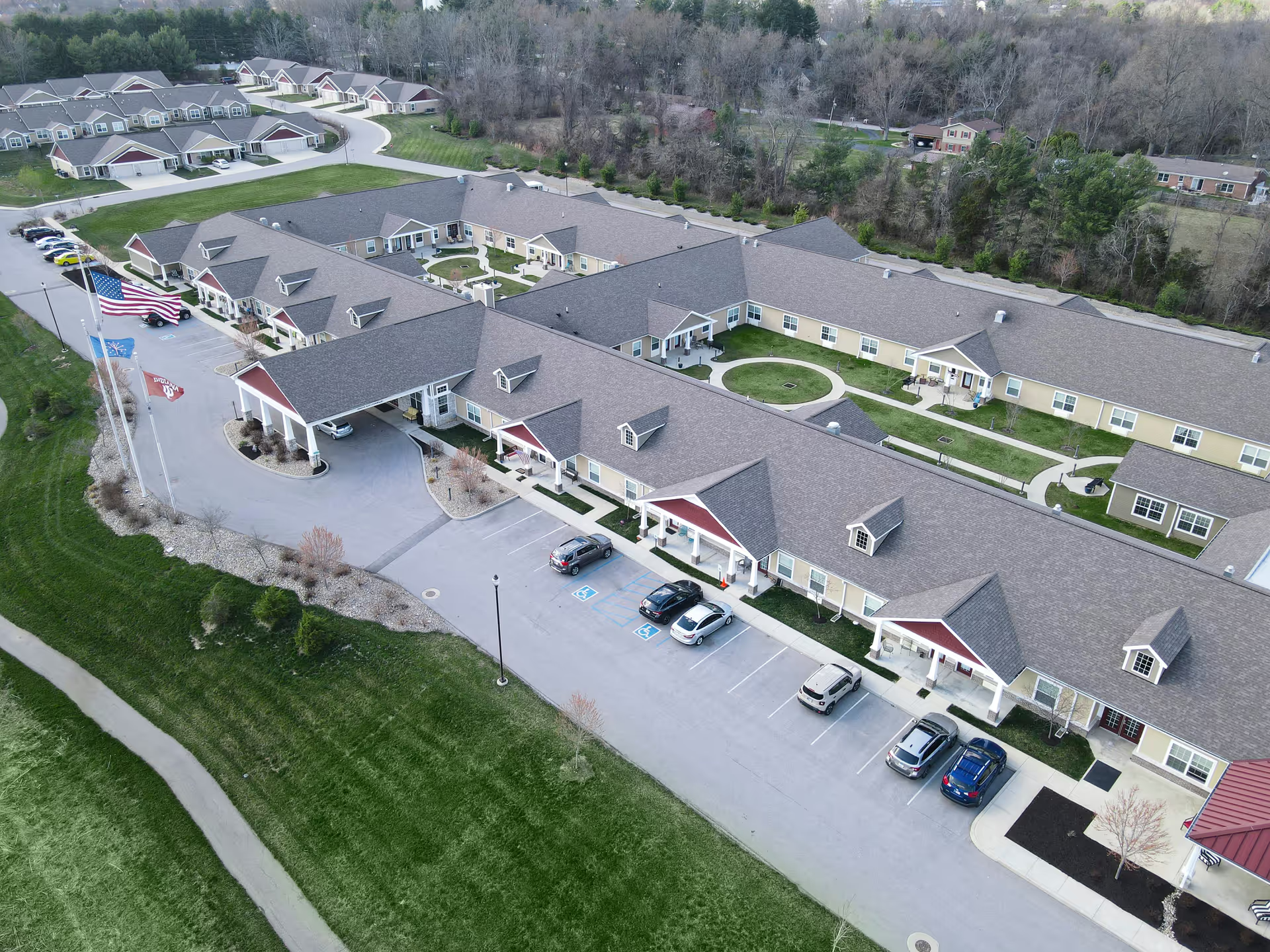
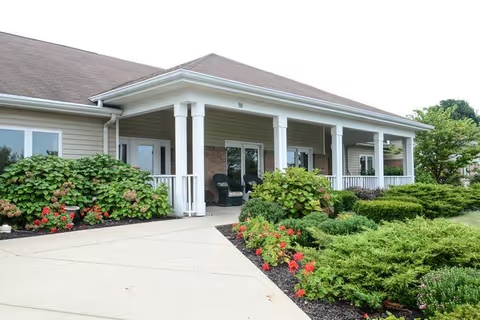
Facilities and cleanliness: Several reviews praise a bright, homey environment, large rooms, and areas that are well maintained. Conversely, some families describe sanitation and odor inconsistencies and point to areas that do not reflect the staged presentation used in marketing or open-house events. This yields an overall picture of largely well-kept public spaces with pockets of variability behind the scenes.
Management and oversight: A recurrent theme is a perceived decline in quality following an ownership transition, with reviewers citing management priorities that appear financially driven and inconsistent follow-through on concerns. There are also references to state regulatory scrutiny and code-violation findings, which heighten the need for prospective families to request current compliance and inspection records. Communication from management is described as helpful and family-focused by some, but other families describe poor follow-up and limited accountability when clinical issues arise.
Notable patterns and guidance: The reviews suggest meaningful strengths in rehabilitation programming, activities, hospice coordination, and many frontline caregivers. Counterbalancing these positives are systemic operational risks: inconsistent nursing responsiveness, staffing instability, medication and wound-care process gaps, and occasional sanitation inconsistencies. Prospective residents and families should consider direct, targeted questions during a tour (staffing ratios by shift, wound-prevention protocols, medication and hospice processes, dining accommodations, recent regulatory findings) and ask to see the specific unit where a resident would be housed rather than only staged marketing spaces. Overall, experiences appear highly dependent on unit, shift, and the presence of consistent leadership and staffing.