Reviews present a mixed picture in which strengths in staff culture and leadership coexist with recurring operational weaknesses. On the positive side, many accounts emphasize compassionate, kind, and approachable direct-care staff and an atmosphere described as family-like; several reviewers singled out local leadership (Natasha B.) and regional/home-office teams as accessible and supportive. The facility also demonstrates clinical capability in areas such as wound care when provided, and the facility has an excellent annual survey result, indicating baseline regulatory compliance.
Care-quality themes are mixed. Families and staff praise individual caregivers for attentiveness and empathy, but chronic understaffing is a consistent operational issue that reviewers link to delays in basic care tasks, including toileting and other personal-care needs. Some reviewers described good clinical interventions, while others noted that certain services (for example, wound-care visits) can be infrequent, suggesting variability in access to timely clinical treatments.
Staffing and conduct are uneven: many reviewers highlight respectful and hardworking staff who "do their best," yet others describe concerns about staff communication, helpfulness, and tone. These conflicting impressions suggest variability across shifts and units; prospective families should assess staff responsiveness and communication practices during an in-person visit.
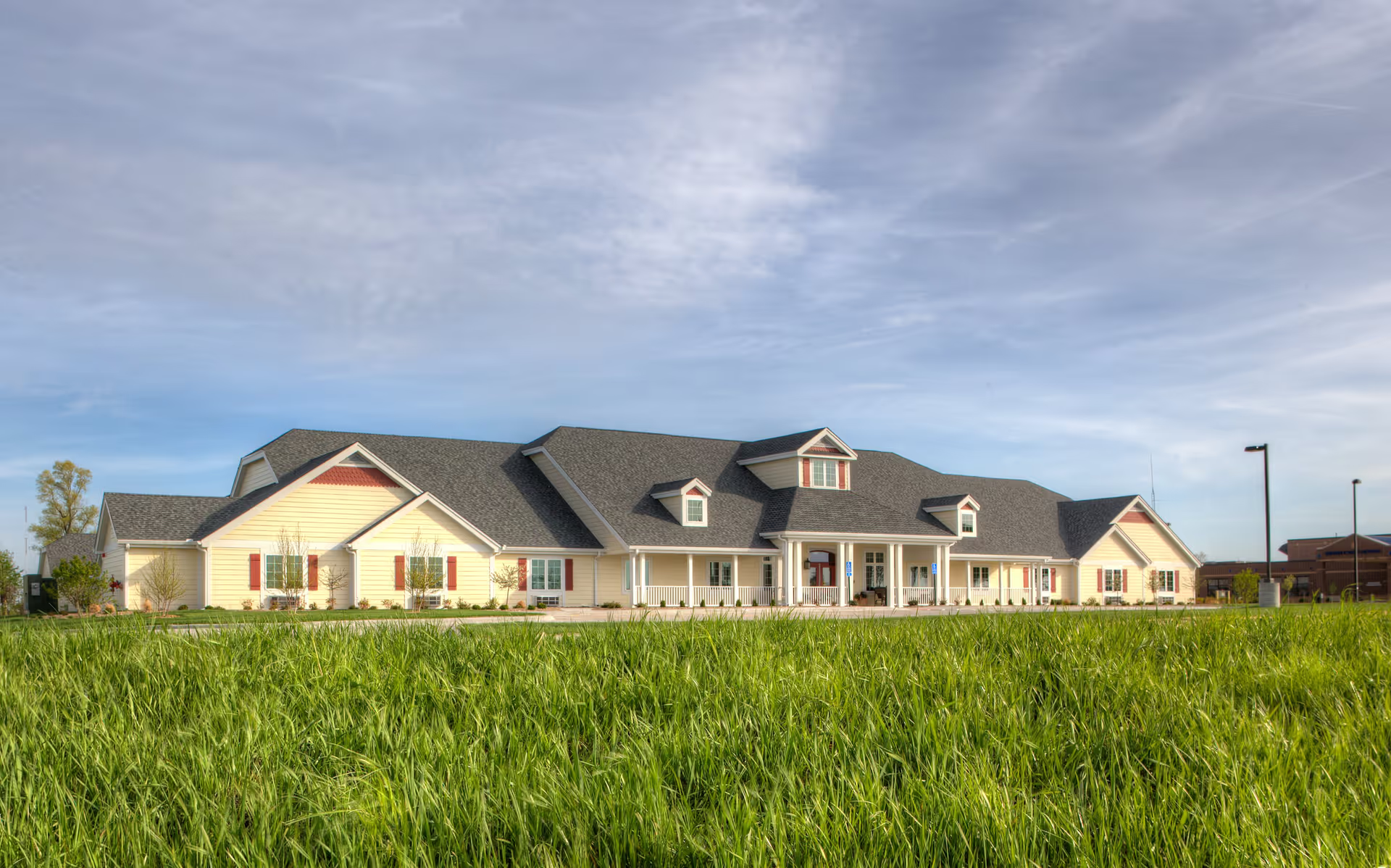
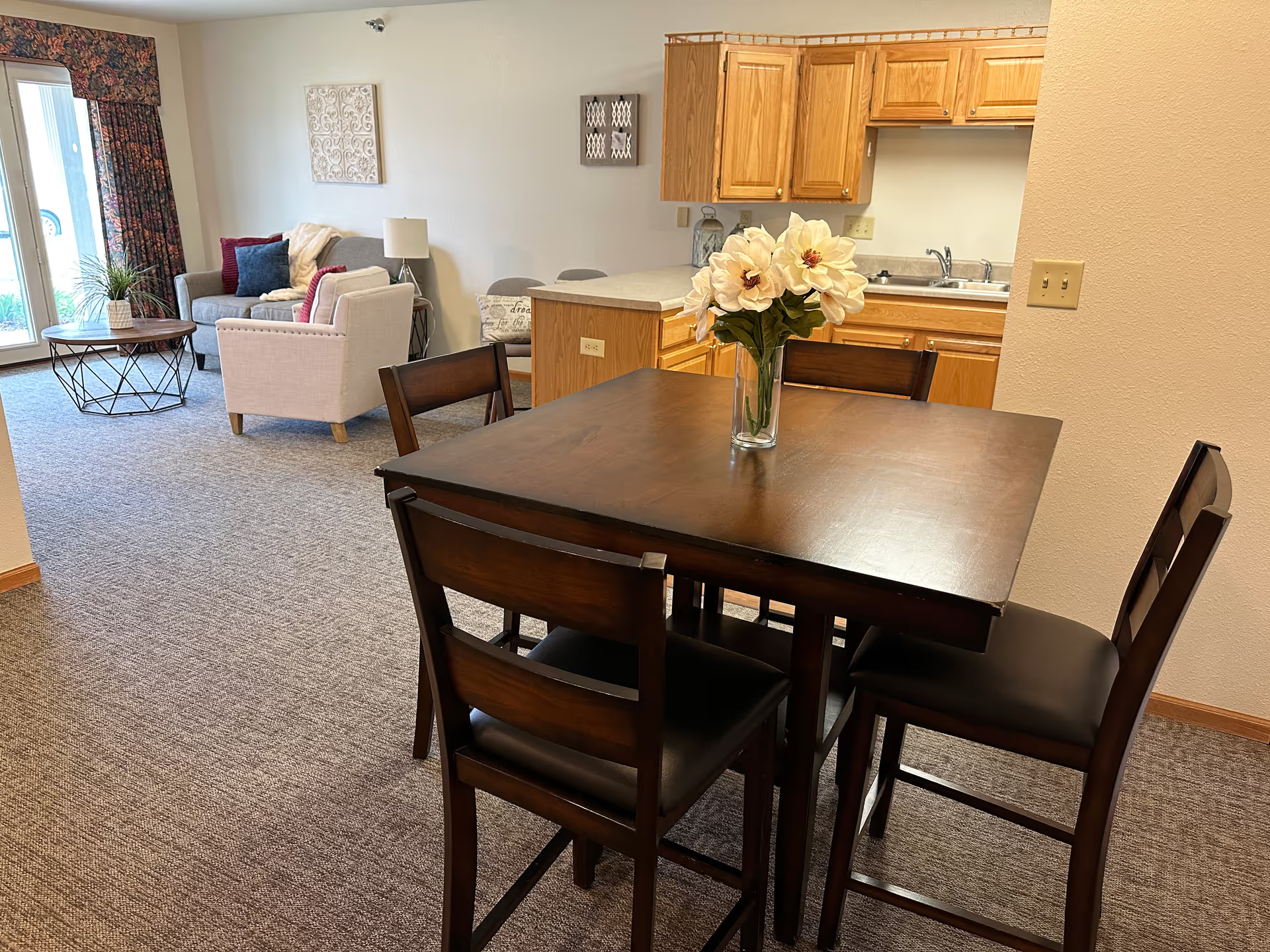
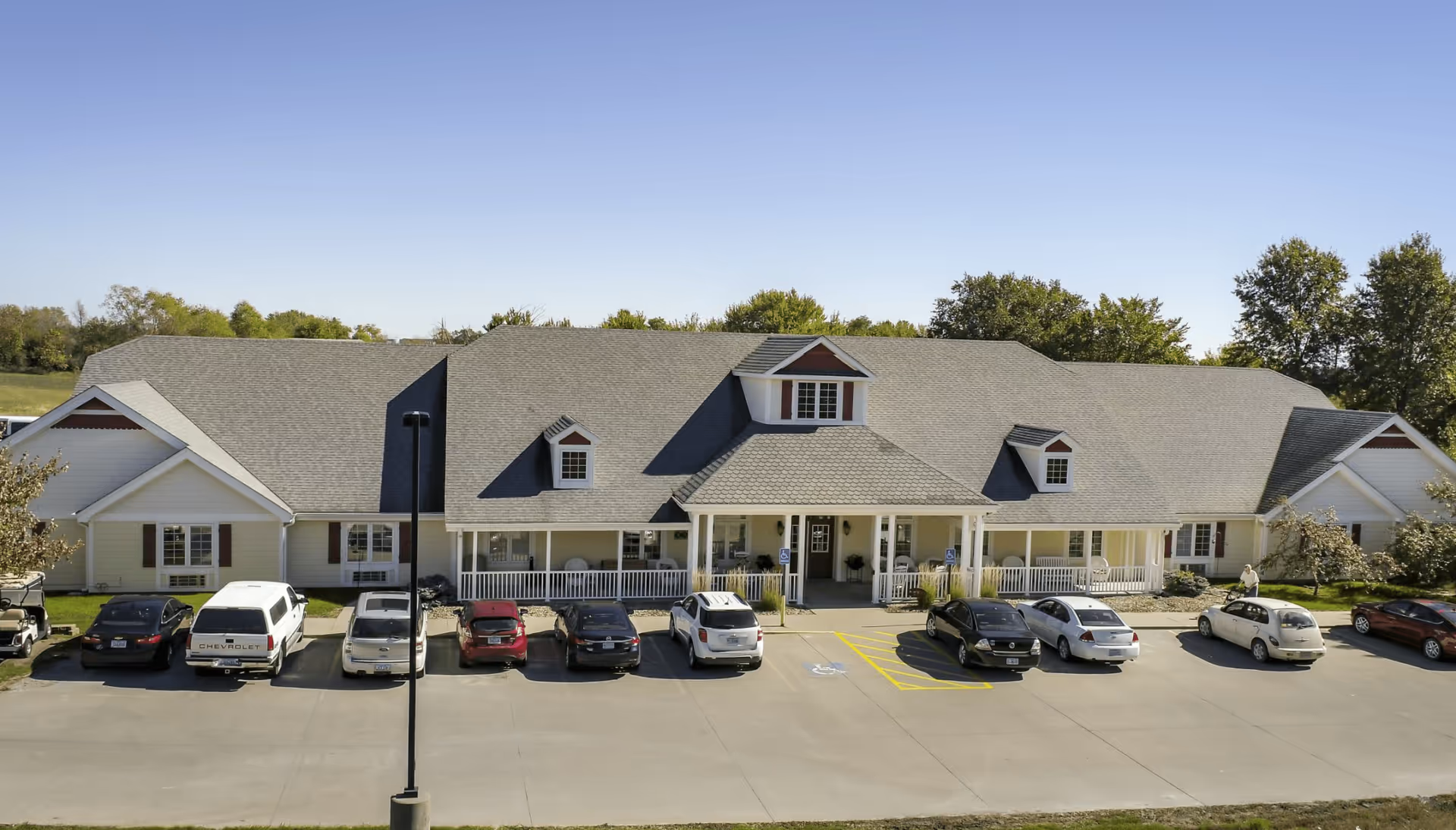
Dining and housekeeping are frequent areas of criticism. Multiple reviewers described the food as unappealing, with inconsistent quality and strong seasoning preferences, and identified sanitation and cleanliness concerns in rooms and some common areas. Facility-level maintenance issues — dated decor, carpeting, and rooms in need of repair — were also raised alongside specific safety and building-design gaps (for example, door design and egress considerations). These facility and cleanliness matters appear to be operational maintenance priorities.
Management and oversight show both strengths and gaps. Positive leadership engagement and support from regional/home offices were noted, and maintenance staffing additions were mentioned as a constructive step. At the same time, reviewers flagged inconsistent adherence to infection-control/universal-precaution practices and uneven frontline communication. The coexistence of a favorable annual survey with ongoing family concerns suggests that compliance metrics may not fully reflect day-to-day resident experience.
Overall, the facility may be a good fit for families who prioritize compassionate caregivers and visible leadership engagement, but those prioritizing consistent meal quality, timely personal-care assistance, and up-to-date facility maintenance should investigate these areas closely. Recommended next steps for prospective residents and family members include an in-person tour at multiple times of day, direct questions about staffing ratios and infection-control protocols, and a review of recent survey findings and corrective-action plans.