CountryHouse Residence presents a mixed but clearly identifiable pattern of strengths and operational risks. Strengths most often described are a small, home-like environment with a memory-care focus, personalized caregiving, and a range of daily activities that include off-site outings and an activity bus. Families frequently highlight compassionate staff, individualized attention, on-site therapies and salon services, and a secure outdoor courtyard with controlled entry. The dining program is generally praised for resident-appropriate portions, balanced meals, and dessert offerings, including partnerships with local restaurants that expand options.
Care and staff performance show two faces. When the staffing model functions as intended, reviewers emphasize low nurse-to-patient ratios, teamwork among caregivers, respectful interactions, rapid communication with families, and strong support for residents’ grooming and social engagement. This contributes to notable improvements in mood and function for many residents. Conversely, multiple reviewers raised operational concerns: leadership and nursing turnover, uneven staff training in memory-care protocols, and variable after-hours responsiveness. These issues appear to undercut consistency of care at times, particularly around overnight monitoring and weekend/evening programming.
Clinical processes and safety are also a mixed picture. The facility maintains proactive safety installations (bed alarms, motion sensors, bed rails) and offers 24-hour coverage and rehabilitation services, which supports fall prevention and daily function for many residents. At the same time, several families identified gaps around medication practices—specifically timing, authorization for medication changes, and occasional delays in administration—and questioned the integrity of incident documentation. Those operational gaps, combined with mentions of regulatory deficiency citations, suggest areas where clinical governance and record-keeping could be strengthened.
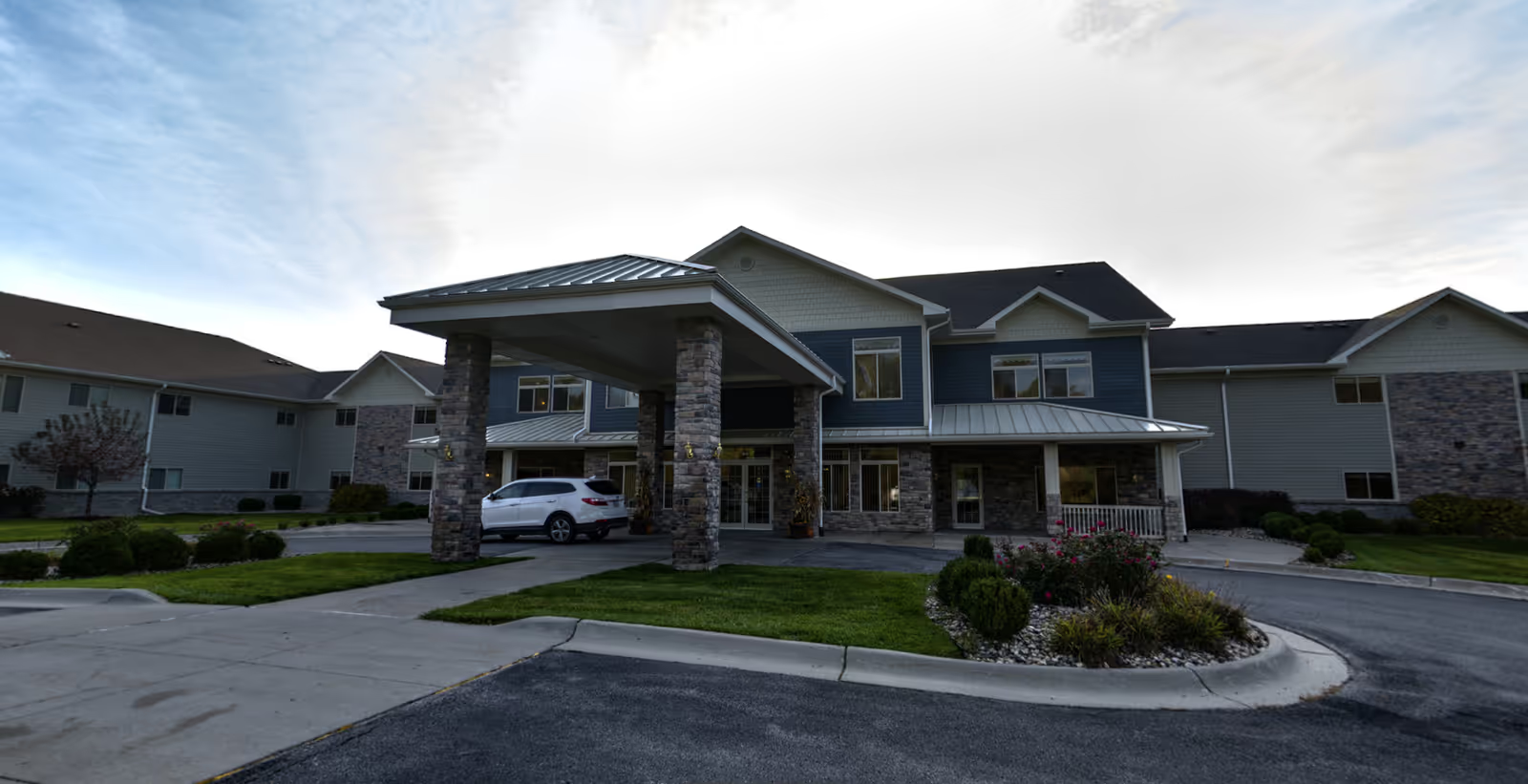
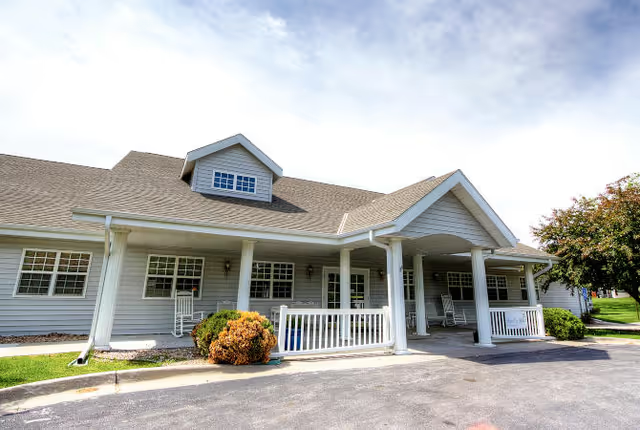
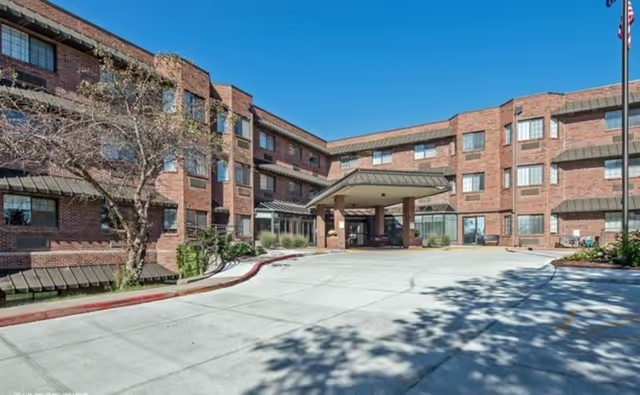
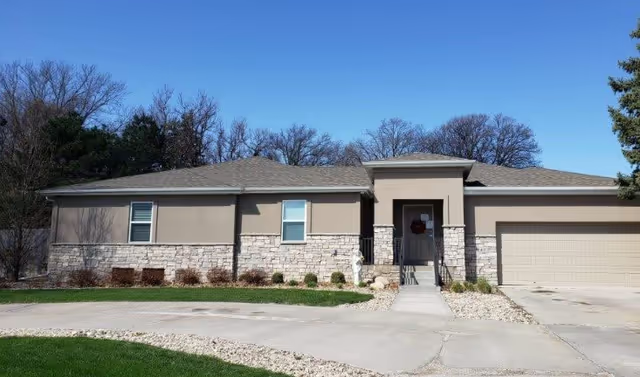
Facilities and environment are consistently praised: clean, non-institutional rooms personalized with residents’ belongings, pleasant dining areas, and an attractive country setting. The program offers a broad activity slate (music, crafts, exercise, outings) and encourages family involvement through support groups and events. Support-service staffing, especially in the kitchen, was flagged as under-resourced by some reviewers, which can affect meal continuity and staff workload.
Management and organizational culture emerge as a critical variable. Positive accounts describe responsive leadership, advocacy, and community partnerships. Negative accounts point to management instability, scheduling problems, and corporate oversight deficiencies that coincide with higher staff turnover. Cost was also mentioned as a concern relative to expectations.
Overall, CountryHouse Residence offers many of the elements families seek in a memory-care setting—small size, engaged staff, active programming, and a home-like environment—while also showing recurring operational weaknesses that affect consistency: staffing stability, training and competency assurance, medication-controls, incident documentation, and management oversight. Prospective residents and families should weigh the facility’s strong daily programming and environment against these operational risk areas, and consider asking for recent regulatory records, staffing-stability metrics, medication-administration protocols, and examples of after-hours coverage before making a placement decision.