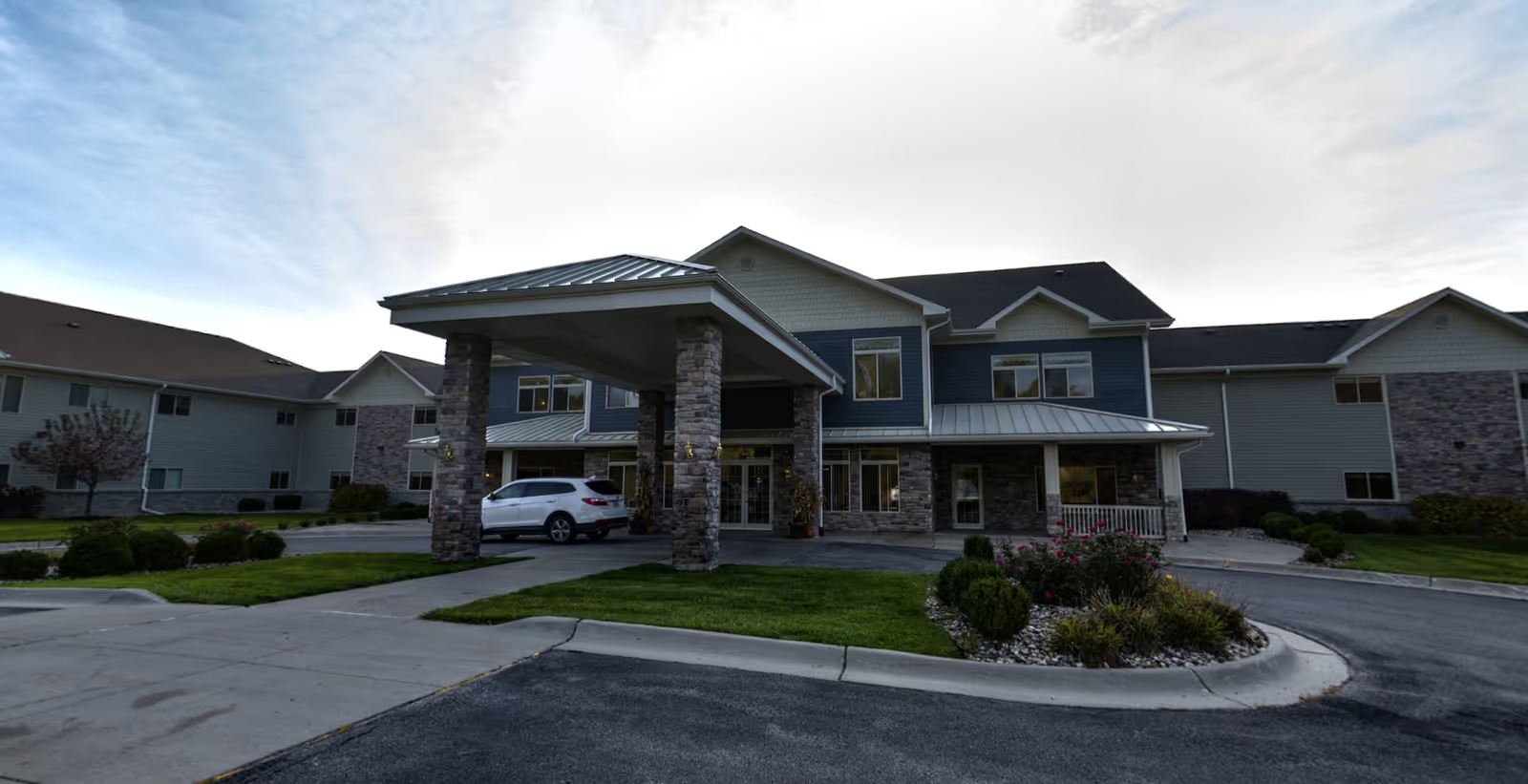
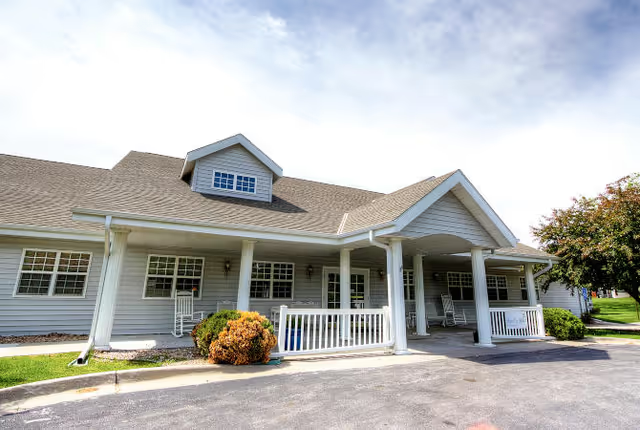
Overall impression: Reviews present a mixed picture. Many accounts emphasize strengths in day-to-day caregiving — staff are frequently described as compassionate, skilled, and willing to develop creative care plans. Families also note practical supports such as transportation to appointments, accessible medical providers, and an active activities program that promotes engagement for participants. At the same time, several serious clinical and operational concerns are described that warrant careful inquiry by prospective residents and their families.
Care quality and clinical oversight: Positive comments point to capable bedside care and effective coordination with physicians. However, other comments raise significant concerns about clinical-assessment rigor and medication oversight. There are allegations of incorrect cognitive diagnoses made without specialist testing and descriptions of adverse events that families attribute to medication changes. These accounts indicate possible gaps in diagnostic protocols, specialist consultation use, and medication-management controls. Reviewers describe events that required emergency evaluation; this pattern suggests the facility should ensure robust clinical oversight, clear documentation, and timely family notification when care escalates.
Daily living, hygiene, and activities: The facility receives praise for its activity offerings and transportation services, which families identified as helpful for appointments and social engagement. Conversely, there are recurring concerns about incontinence-care consistency and related sanitation issues in some areas. These concerns point to operational weaknesses in personal-care routines and housekeeping follow-through rather than isolated praise or complaint about communal programming. Dining quality is not described consistently in the available feedback, so no clear pattern about meals can be inferred from these summaries.
Staff, administration, and communication: Staff-level strength is visible in frontline caregiving and clinical relationships for some families, yet reviews also describe variable responsiveness and unfavourable communication tone from certain administrative staff. Comments about a defensive organizational response to family concerns and uneven grievance handling suggest room for improvement in family engagement, complaint resolution, and front‑desk professionalism. Several reviewers urged stronger communication and faster notification when clinical incidents occur.
Notable patterns and considerations: The material includes at least one serious individual allegation regarding diagnostic and medication decisions; prospective families should treat such claims as a prompt to request documentation and ask specific questions. Recommended areas to evaluate during a tour or meeting include the facility’s diagnostic and medication-review protocols, staff training and supervision processes, emergency-response procedures, incontinence-care routines, housekeeping schedules, and how family concerns are logged and addressed.
Bottom line: Immanuel Pathways - Southwest Iowa shows clear strengths in compassionate caregiving, medical access, activities, and practical supports like transportation. Those positives are counterbalanced by significant operational concerns around clinical assessment, medication oversight, incontinence-care consistency, and administrative communication. Families considering placement should verify clinical oversight policies, observe hygiene and care routines, and ask for examples of how the facility handles clinical incidents and family grievances before making a decision.