Overall impression: Reviewers describe a facility with clear strengths in therapy, compassionate frontline caregiving, and a welcoming community atmosphere, alongside recurring operational inconsistencies. Positive comments emphasize a skilled therapy team, attentive CNAs and nurses, attractive common areas, private rooms with accessible bathrooms, and an active activities calendar. At the same time, multiple accounts highlight patterns of inconsistent responsiveness, variable communication tone, and gaps in routine clinical and housekeeping processes.
Care and clinical services: The rehabilitation and therapy program receives consistent praise for quality and engagement; reviewers used terms such as phenomenal and well-equipped for the therapy staff and spaces. Many families described attentive nursing and CNA support, including above-and-beyond assistance and sensitive end-of-life care. However, several reviews indicate operational gaps affecting clinical reliability: delayed responses to call systems, discrepancies in clinical monitoring (for example oxygen-measurement and care-transition issues), and inconsistent follow-up after concerning events. These patterns suggest the facility delivers strong episodic clinical and rehabilitative care but may have uneven performance in continuous monitoring and handoffs.
Staff and management: Staff are frequently characterized as kind, welcoming, and compassionate, and some reviewers credited management with responsive involvement and corrective action. Conversely, others described variable interpersonal tone from staff and front-office personnel, together with unreturned calls and inconsistent administrative follow-through. This mix indicates that leadership engagement and communication practices may vary shift-to-shift or by team, producing inconsistent family experiences.
Dining and personal care: Several reviewers praised food quality and the dining experience, while a smaller set of accounts raised concerns about menu management and interruptions to meal service (including missed meals early in a stay). Personal-care concerns reported include irregular bathing schedules and inconsistent assistance with activities of daily living; these point to variability in routine caregiving rather than a uniform operational practice.
Activities and community life: The facility offers a range of social and recreational options — bingo, live piano music during lunch, and other engagements — and many families noted a hometown, community-oriented atmosphere that fosters friendships and resident participation. Facility size and layout were described as convenient for visitors and residents, supporting family involvement.
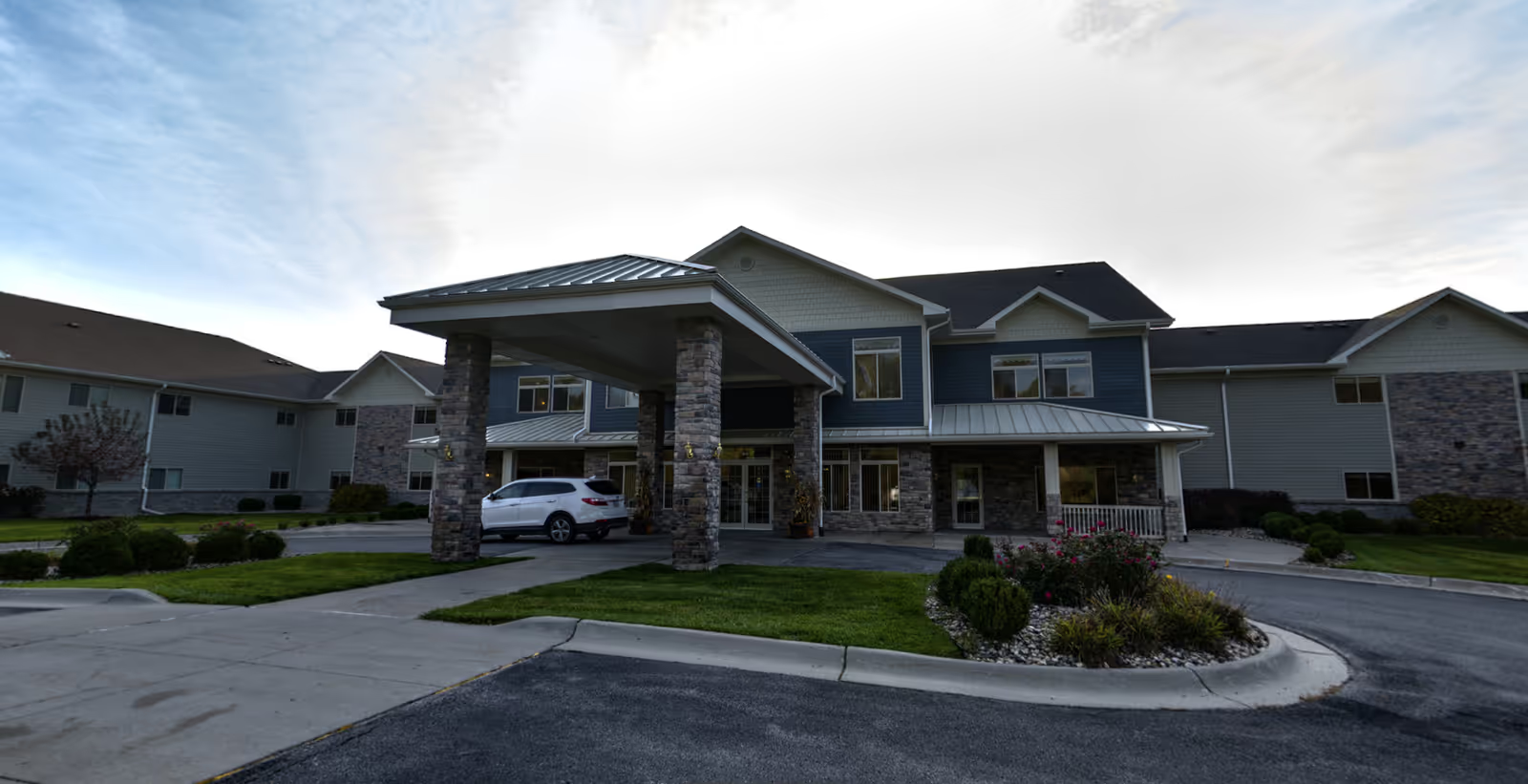
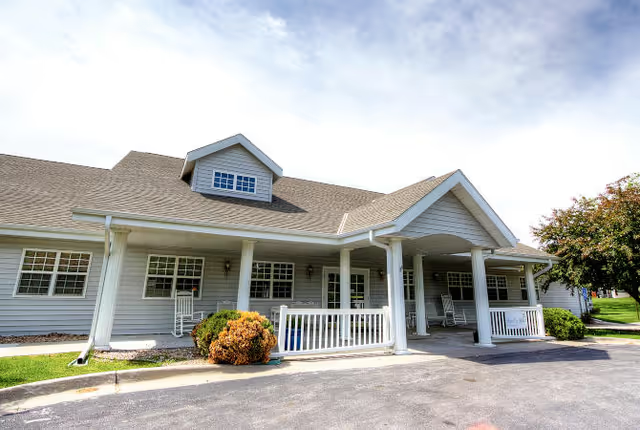
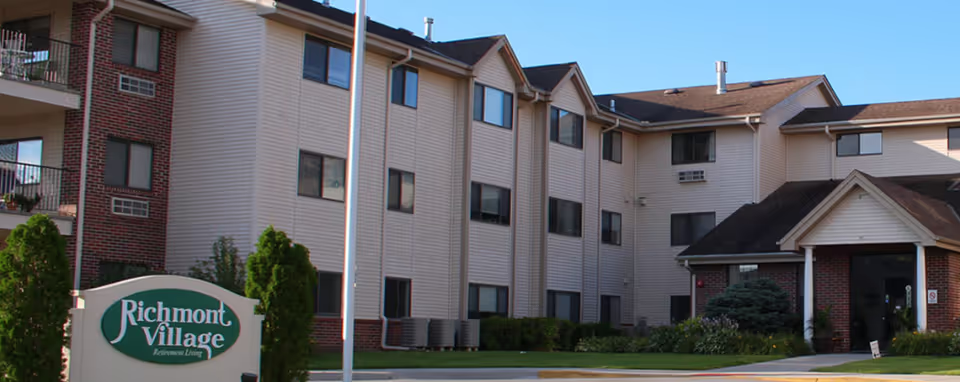
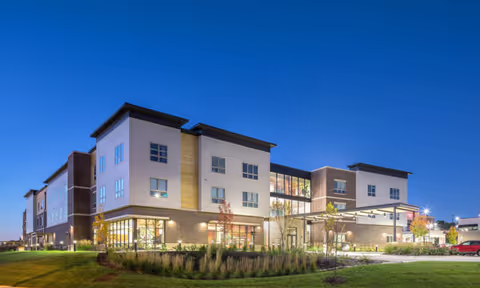
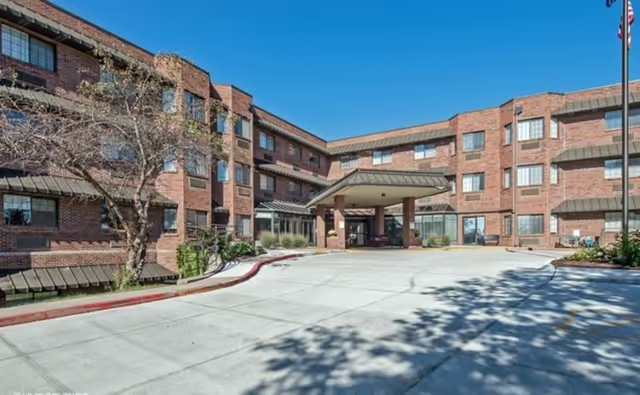
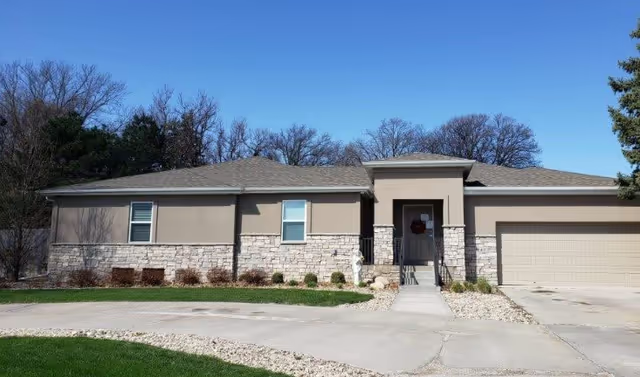
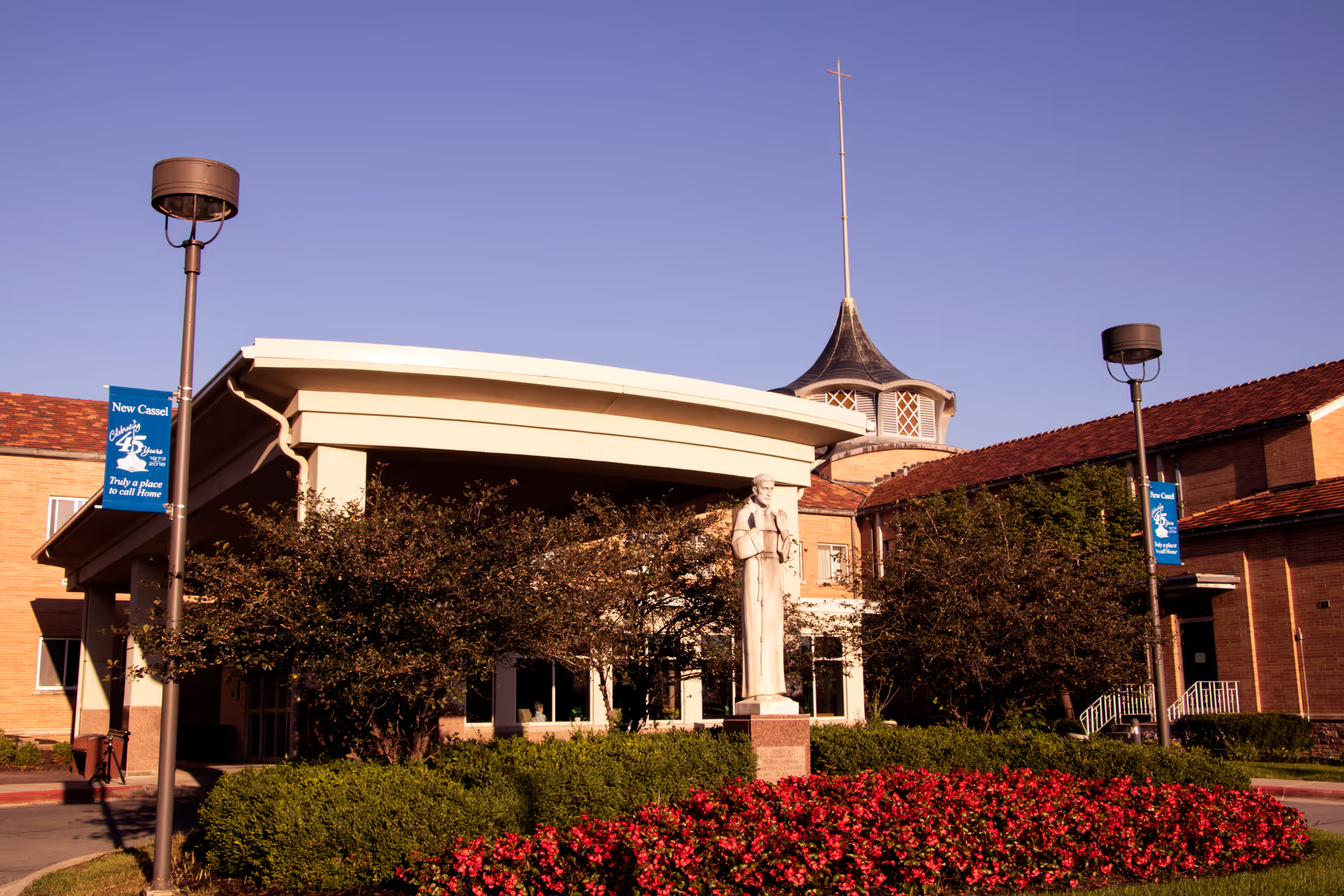
Facilities and housekeeping: Common areas, interior and exterior aesthetics, and therapy spaces are generally described as well maintained. Positive notes include on-site laundry, private rooms, and accessible bathrooms. Still, some reviews raised sanitation and housekeeping inconsistencies, suggesting variability in cleaning practices across units or shifts.
Notable patterns and considerations for prospective families: Strengths center on rehabilitation services, compassionate direct-care staff, social programming, and a family-friendly environment. Risks to probe during a tour include: average call-response times and how the facility measures and enforces them; protocols for clinical monitoring and handoffs (oxygen/medication checks, follow-up after changes); consistency of housekeeping and bathing schedules; menu planning and meal continuity; and how management documents and follows up on family concerns. Asking for recent staffing ratios, examples of corrective actions for care concerns, and the day-to-day therapy schedule can help assess whether the facility’s strong elements are consistently delivered.