Overall impression: Reviews indicate a facility with consistently strong frontline caregiving and a well-maintained physical environment, alongside active programming and community events. Staff are repeatedly described as welcoming, helpful, and willing to provide care beyond baseline expectations. The facility also receives praise for an outstanding annual survey and for maintaining a clean, comfortable setting.
Care quality and staff: Care is frequently characterized as compassionate and attentive. Multiple notes about staff "going above and beyond" and getting to know residents point to strengths in individualized attention and relationship-based care. Families report that staff actions reduce stress around transitions, and administrative help with Medicaid applications is cited as a practical support that eases entry and billing concerns.
Activities and community life: Social and spiritual programming are visible strengths. Review highlights include regular Bible-study groups and signature events such as an annual Festival of Trees, which suggests an active calendar and opportunities for resident engagement. Comments about residents caring for one another also indicate a collegial community atmosphere.
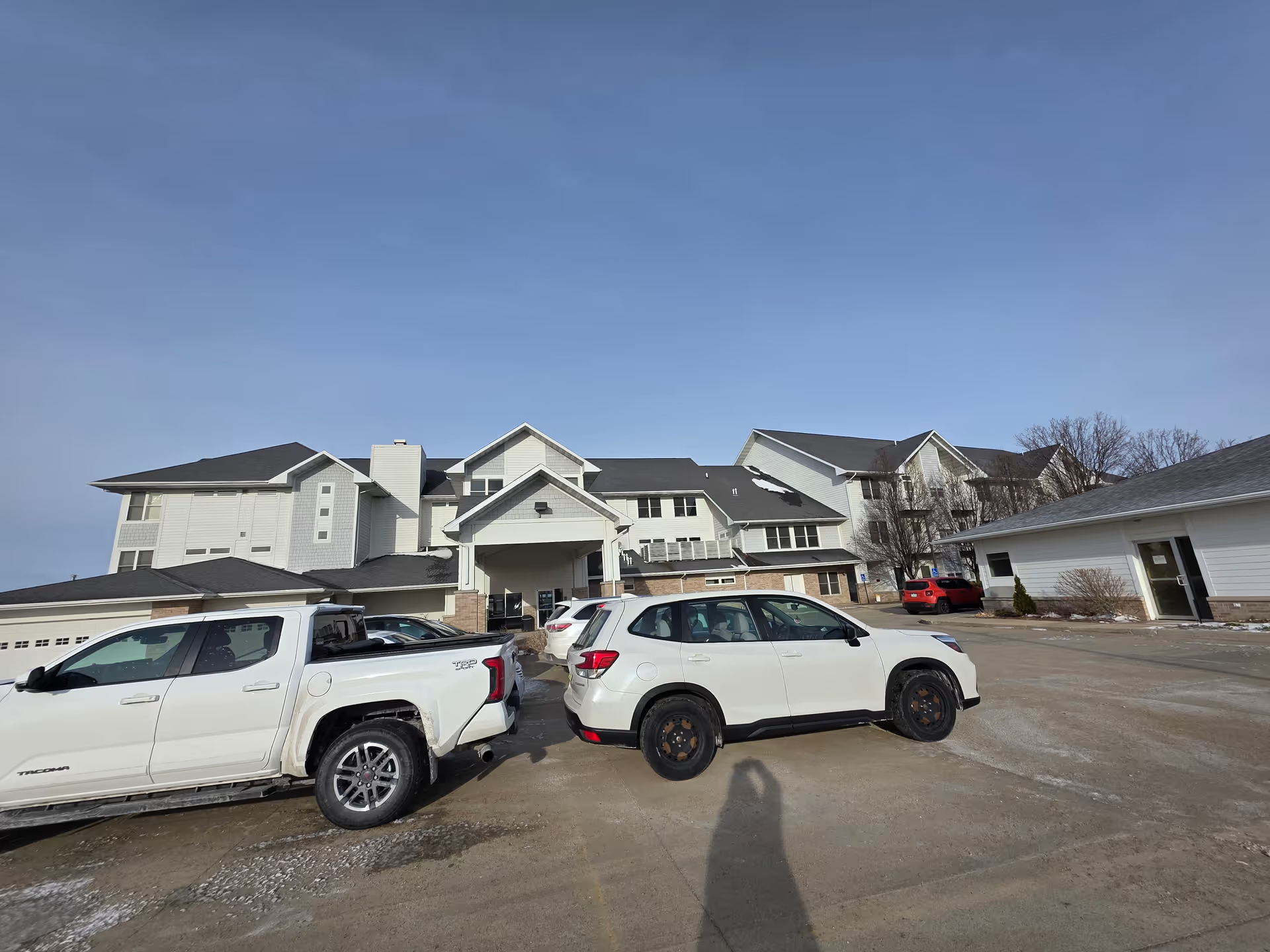
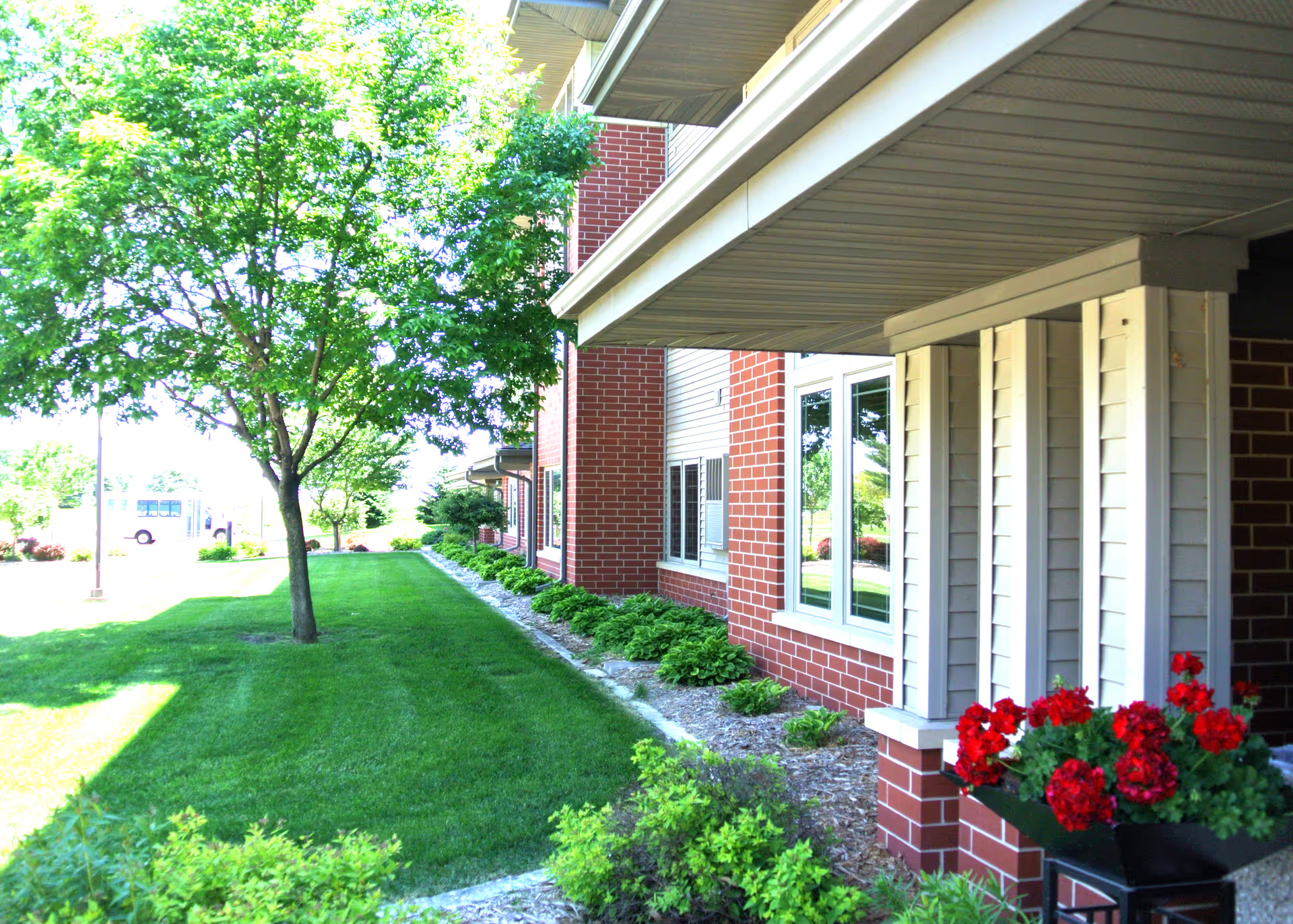
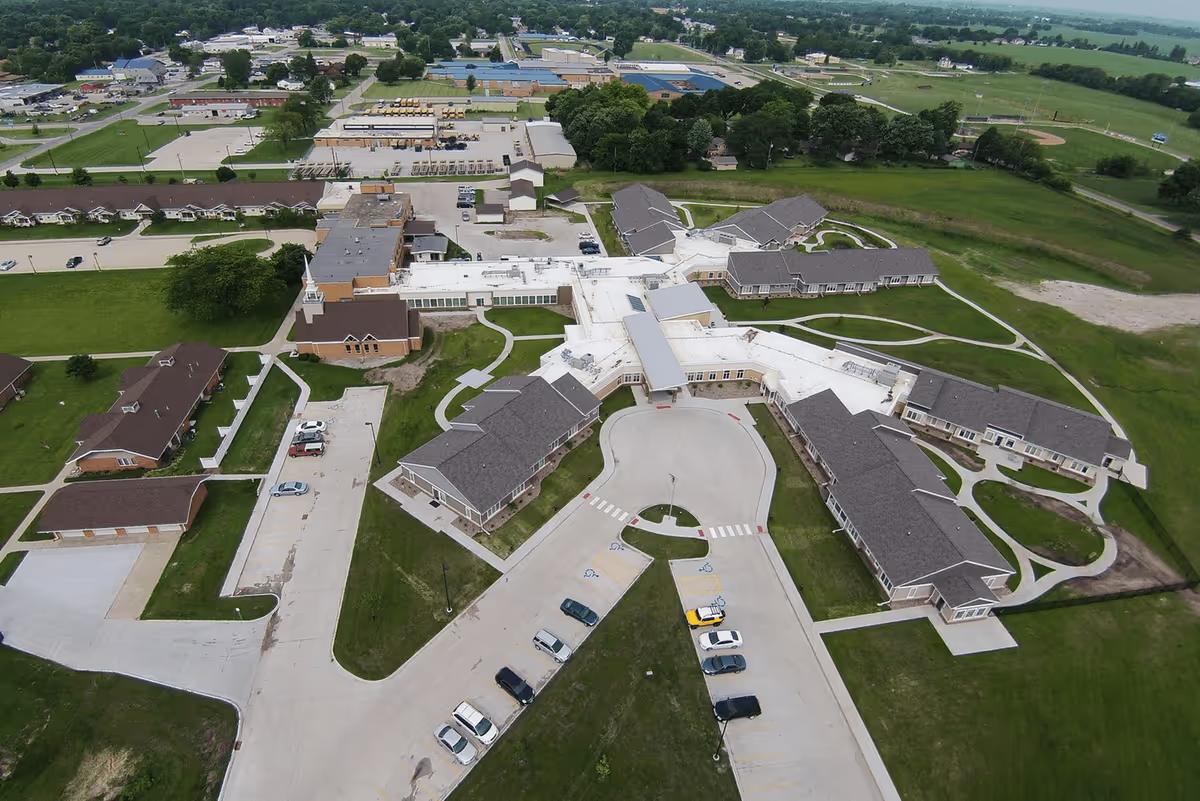
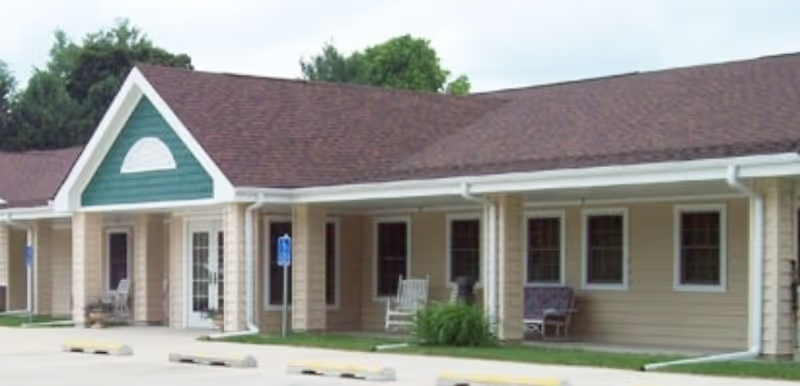
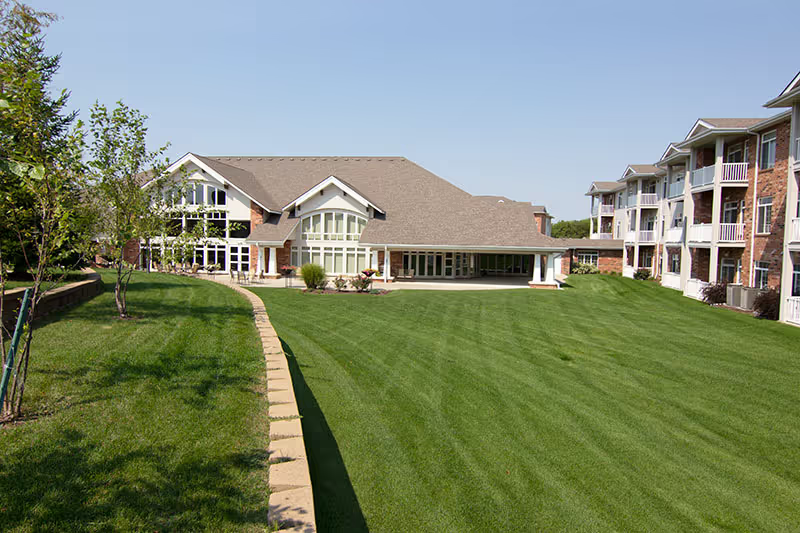
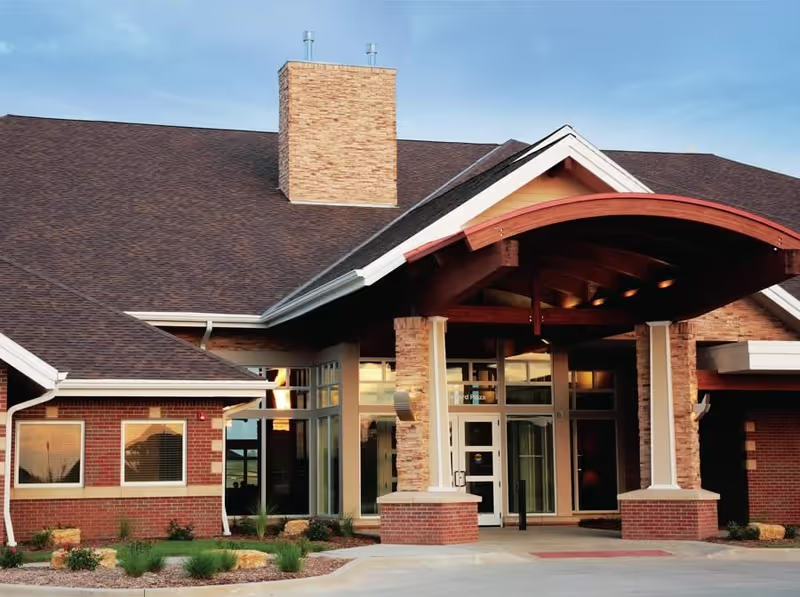
Facilities and operations: Physical plant observations are positive—clean, comfortable, and well maintained—and the outstanding annual survey supports that impression. Day-to-day staff operations are described as organized and well run, which aligns with reports of smooth administrative processes in some areas (for example, Medicaid assistance).
Management and customer service patterns: A clear pattern emerges where frontline caregiving and clinical performance are strong, while experiences with administration and management are mixed. Some reviewers explicitly cite problems with management or customer-service responsiveness, and one concern raised is limited flexibility around family visits and transition timing (expressed as not having sufficient time for farewells). These comments suggest variability in administrative responsiveness and in how policies are applied during transitions.
Notable patterns and recommendations: The dominant themes are strong interpersonal care, effective social programming, and a well-kept facility, counterbalanced by inconsistent administrative/customer-service experiences and occasional rigidity in visit/transition timing. Prospective residents and families would benefit from confirming current visitation and transition policies, asking for specifics about administrative points of contact, and reviewing the most recent survey and family-communication procedures to clarify how management handles exceptions and end-of-life or transition needs.