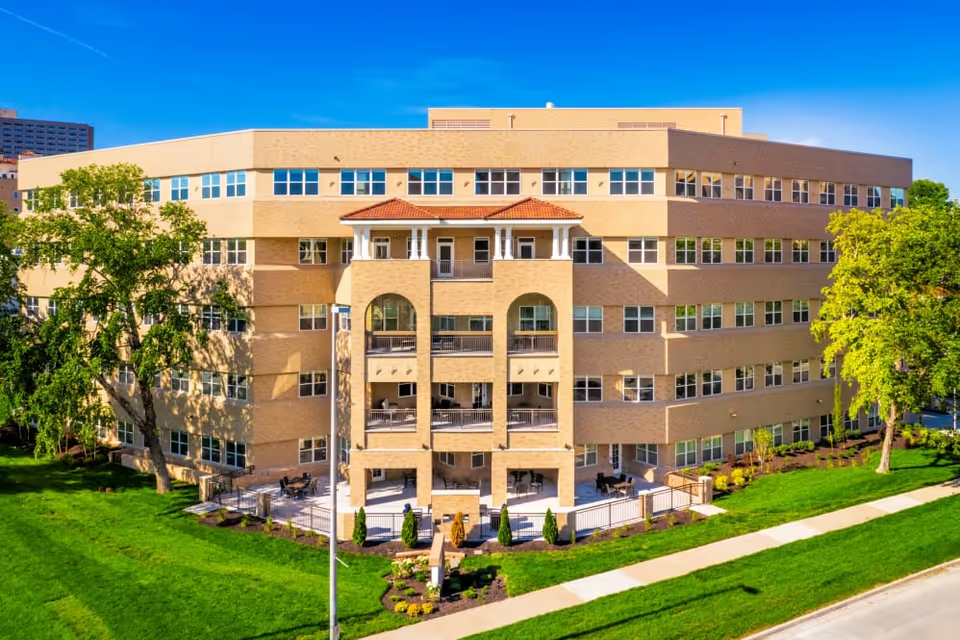
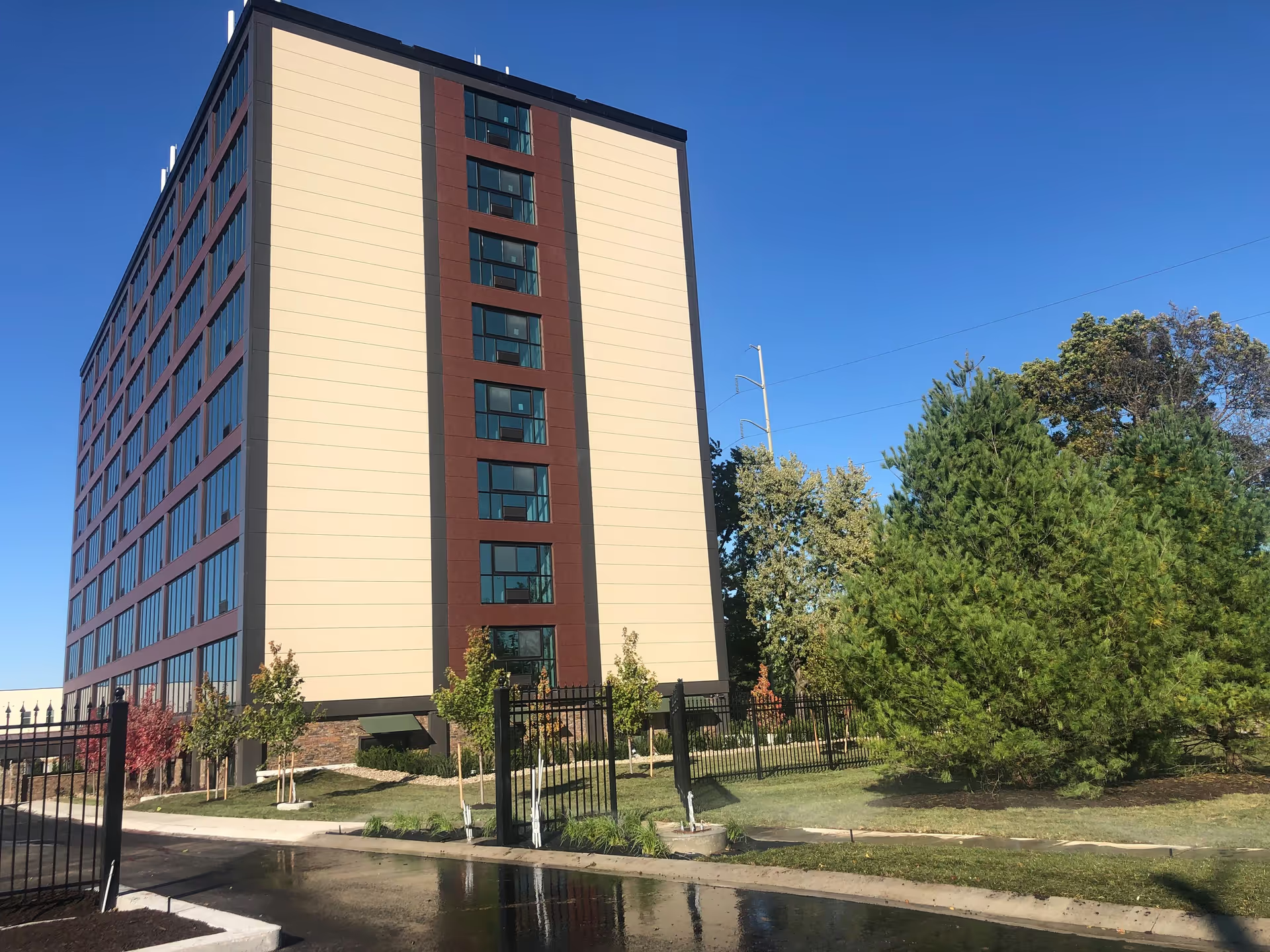
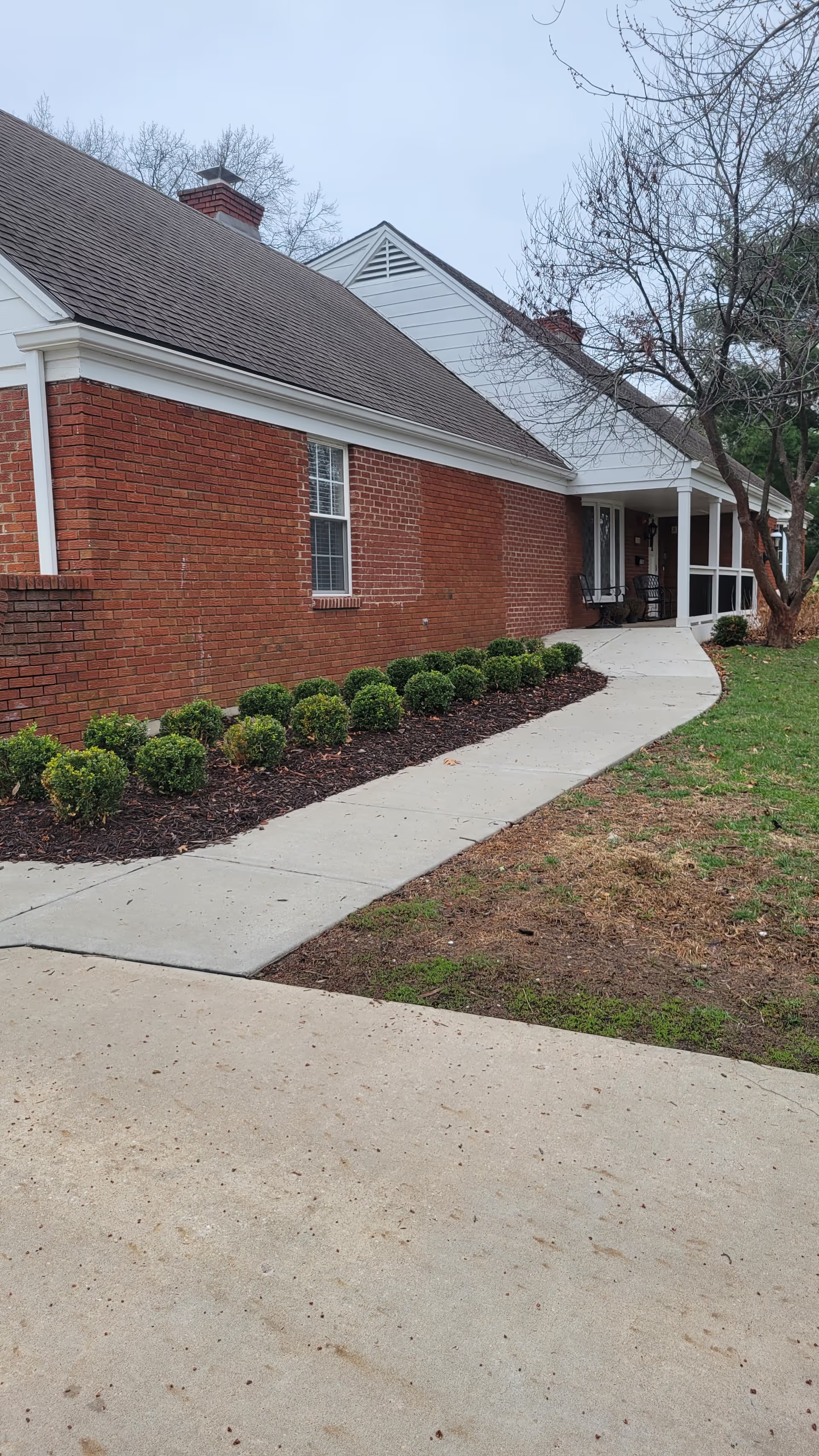
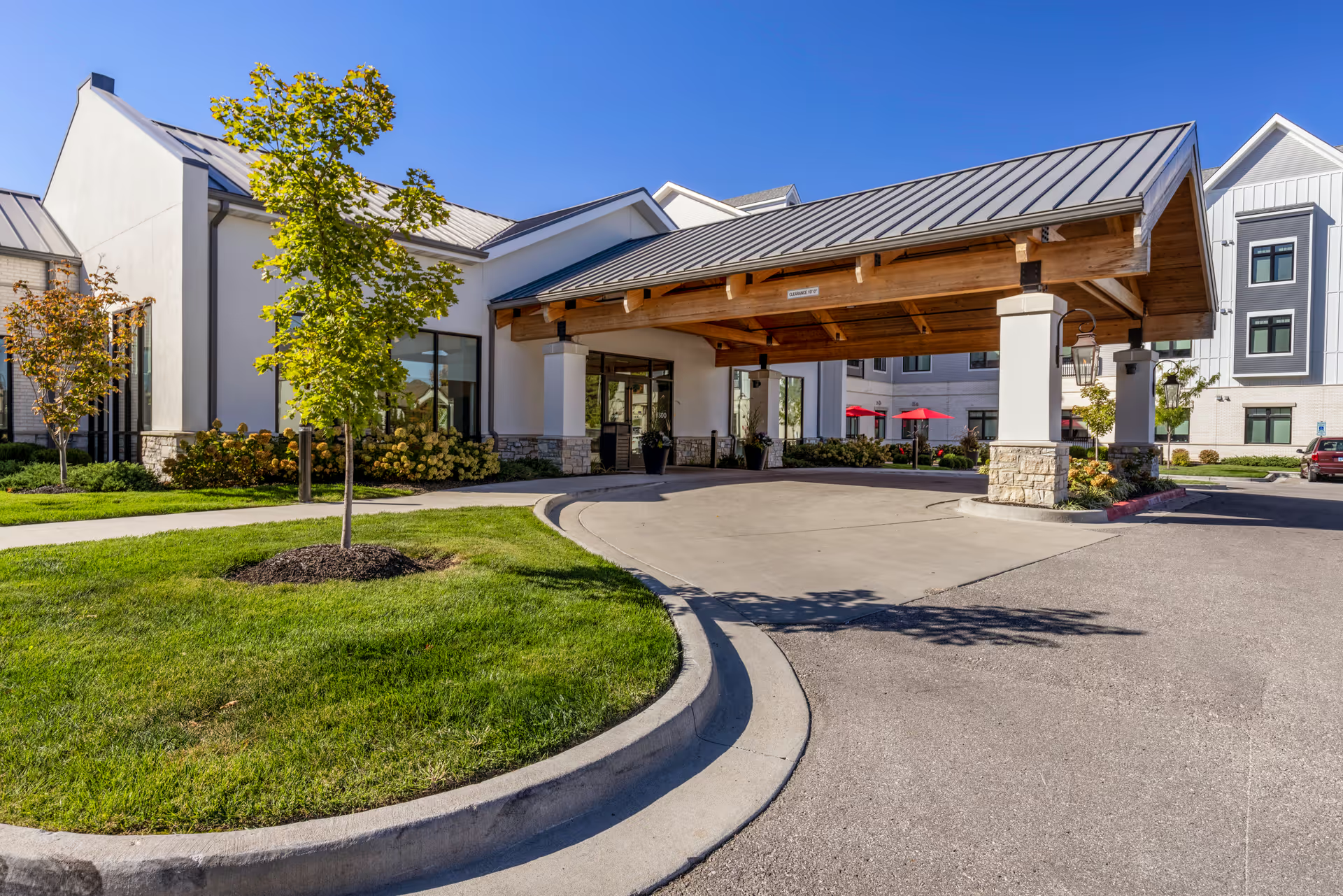
Reviews of Kansas City Transitional Care present a mixed picture: the facility is frequently praised for its therapy programs, dining, and physical environment, yet many operational and clinical-consistency issues are described. Physical and occupational therapy teams receive consistent positive feedback for helping residents progress toward discharge; several reviewers named specific therapists and credited the rehabilitation program with good outcomes. The facility’s dining operation and kitchen staff are also commonly noted as strengths, with comments about appetizing meals, welcoming servers, and convenient snack availability. The building itself — private room configurations, accessible bathrooms, modern interiors, and parking — is regularly described as an asset.
At the same time, a substantial theme across reviews is variability in direct care and clinical processes. Reviewers describe uneven staff performance between shifts and frequent caregiver turnover, which appears to contribute to inconsistent care delivery. Commonly cited operational weaknesses include delayed responses to call lights and routine-care requests, lapses in medication timing and administration, and inconsistent bathing and incontinence-care practices. Several comments indicate that these issues can affect resident comfort and safety and create family frustration.
Communication and management responsiveness are other recurrent concerns. Reviewers reported gaps in communication among nurses, therapy, and families, as well as difficulties reaching staff by phone. Families also described billing irregularities, extra charges not credited, and unfulfilled payment arrangements. Several reviewers characterized leadership as unresponsive or ineffective at resolving problems after meetings, and social-work and discharge-coordination resources are frequently described as overloaded.
Safety-related patterns warrant attention: reviewers referenced delayed attention after incidents, questions about transfer and handling practices, and inconsistent follow-through on routine clinical tasks. While specific clinical outcomes vary, the pattern suggests weaknesses in staffing levels, training, and supervisory oversight that can affect care continuity and incident response.
In sum, Kansas City Transitional Care appears to offer strong rehabilitative services, a pleasant physical environment, and a well-regarded dining program, but prospective residents and families should weigh those strengths against recurring reports of inconsistent caregiving, medication- and hygiene-related process lapses, variable overnight staffing, and management/communication shortfalls. When evaluating this facility, consider observing multiple shifts, asking for current staffing ratios and medication-administration protocols, requesting names of primary therapy staff, and clarifying billing and discharge-planning responsibilities.