The review corpus for this Leawood-area nursing facility presents a polarized picture: many families and residents praise the rehabilitation services and individual caregivers, while others describe significant operational and clinical gaps. Rehabilitation services—physical, occupational and speech therapy—are a consistent strength. Several reviews highlight skilled, encouraging therapists, measurable gains in mobility and balance, and a therapy culture oriented toward functional outcomes. Activity programming and transportation logistics also receive frequent positive mention; reviewers note organized outings, an active activities team, and supportive recreation staff.
Staffing and clinical care quality emerge as the principal area of concern. Numerous accounts indicate limited physician presence or responsiveness and intermittent availability of advanced clinical leadership, which reviewers link to gaps in medical oversight. Complaints about inconsistent nursing coverage—particularly at night—appear repeatedly and are associated with delays in medication administration, inconsistent pain management, and variability in hygiene and toileting assistance. Several reviewers describe unsafe transfer experiences or rough handling during transfers, which points to opportunities for improved transfer-safety protocols and staff training.
Communication and management issues are another recurring theme. Families report difficulty reaching clinicians or administrators, unanswered voicemails, and limited follow-up after hospital discharges or care changes. While some reviewers praise administrators and onsite leadership, others characterize management responsiveness as inconsistent. A few reviews reference regulatory concerns and potential actions; these are serious items that warrant direct inquiry during a tour or intake meeting.
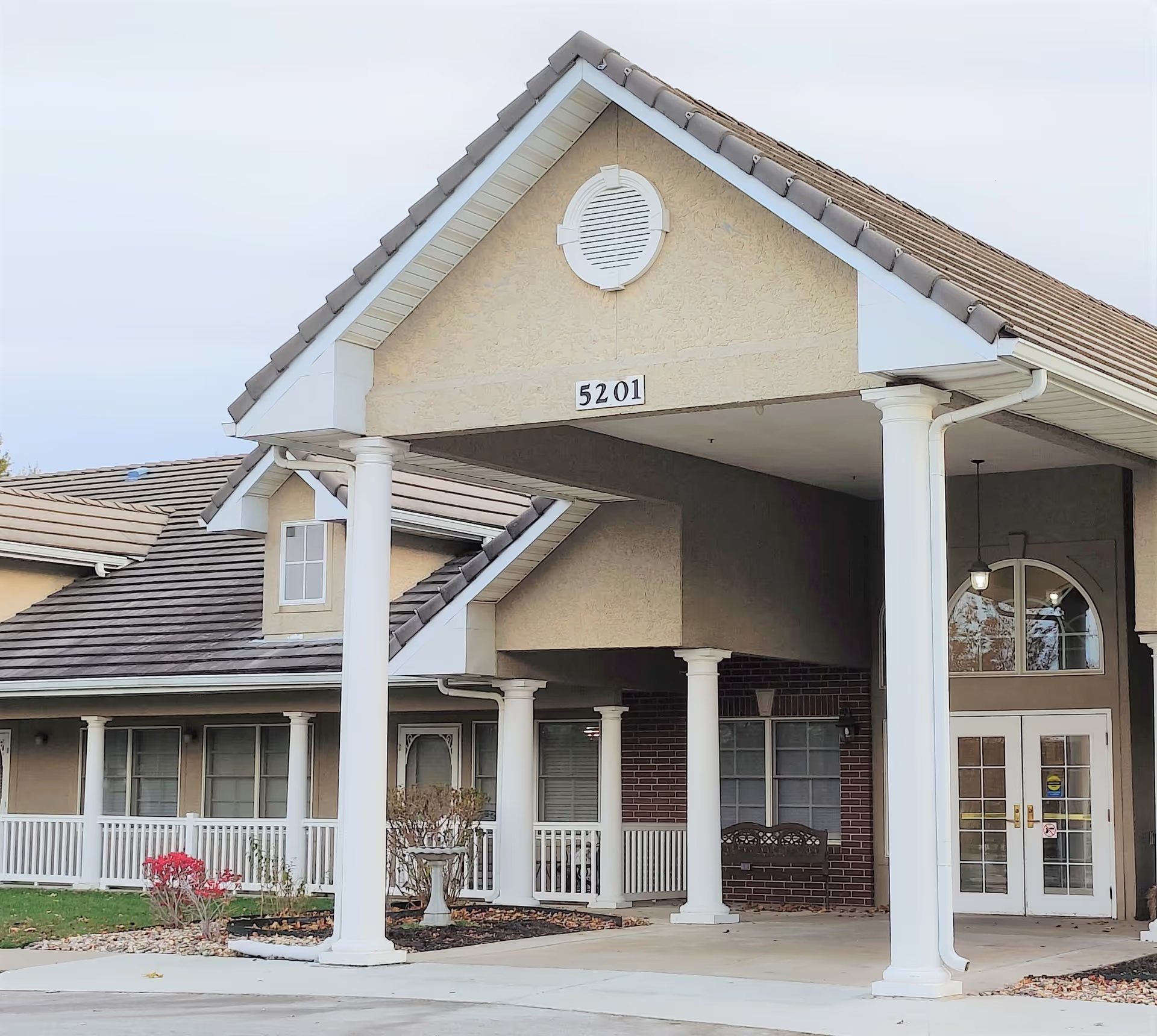
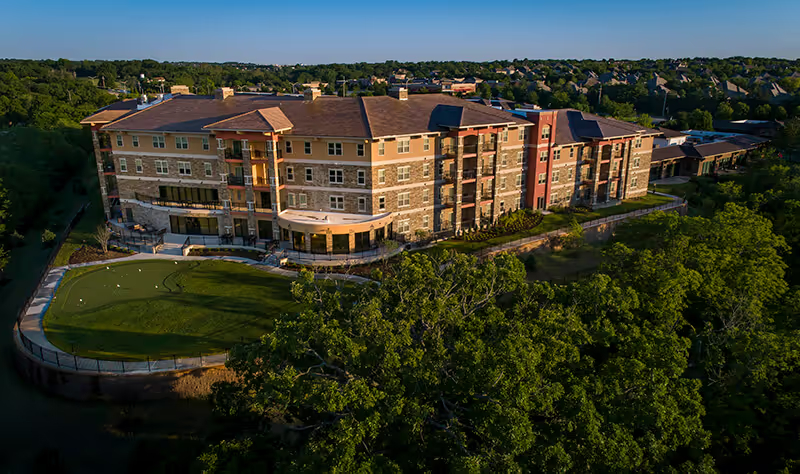
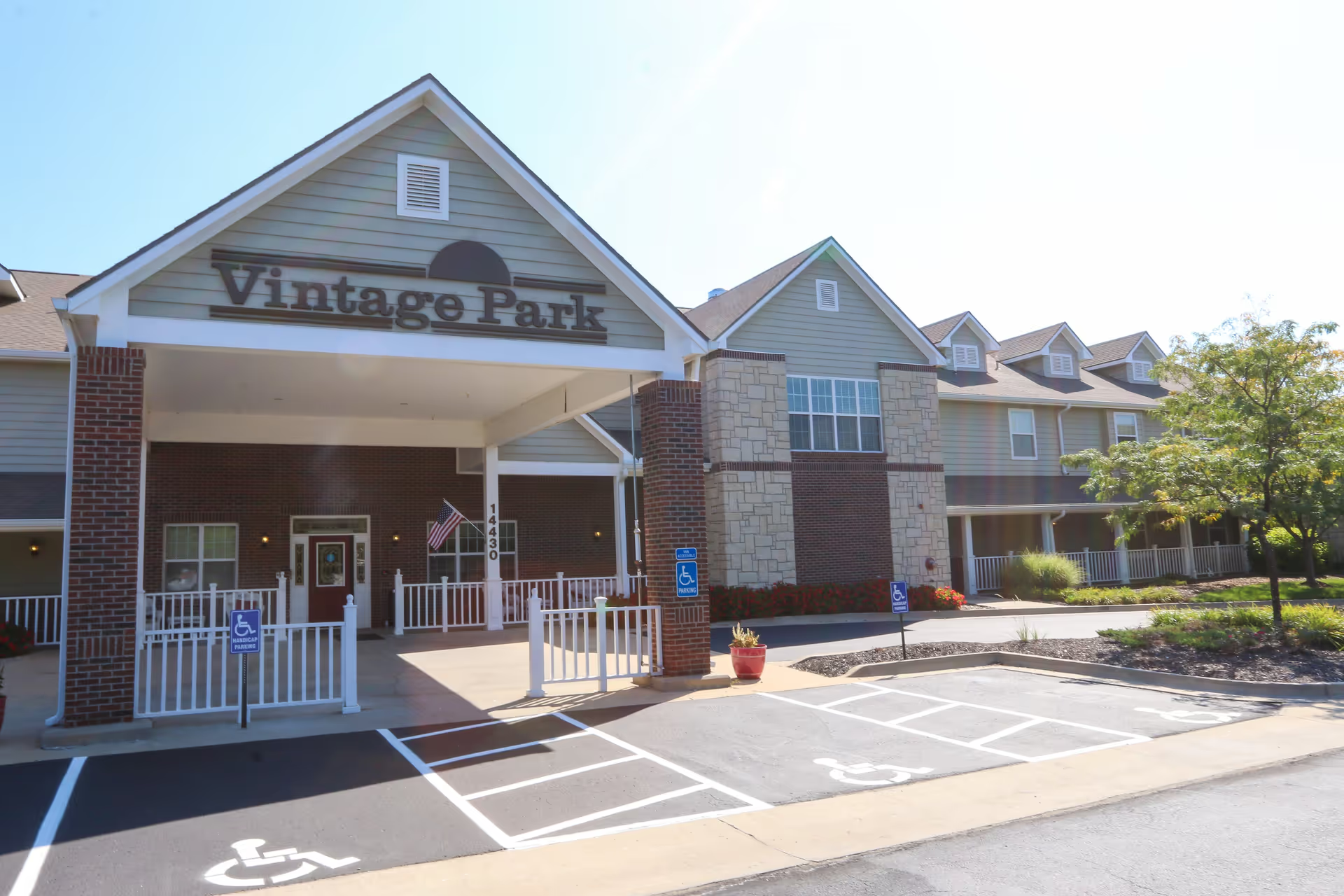
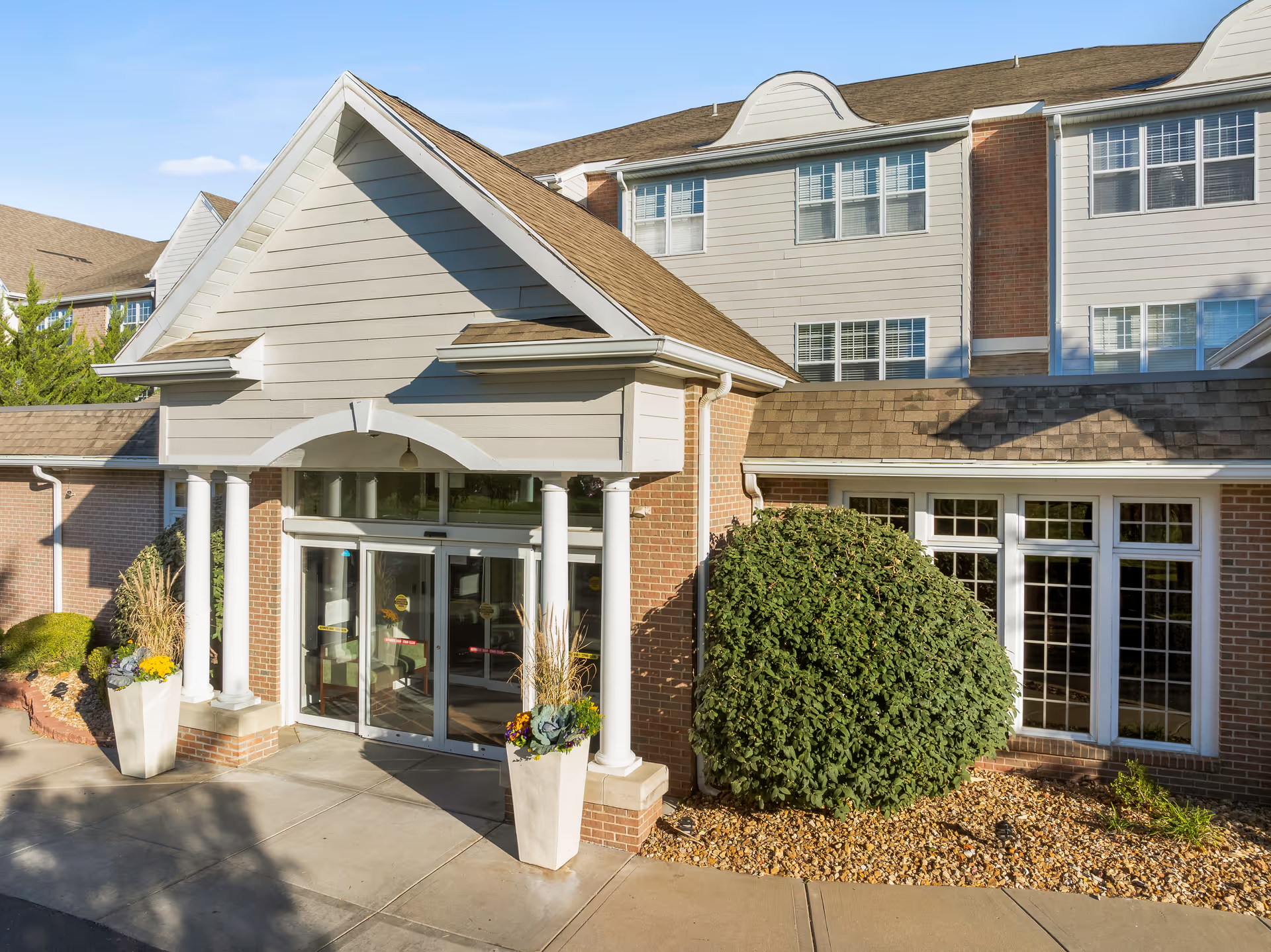
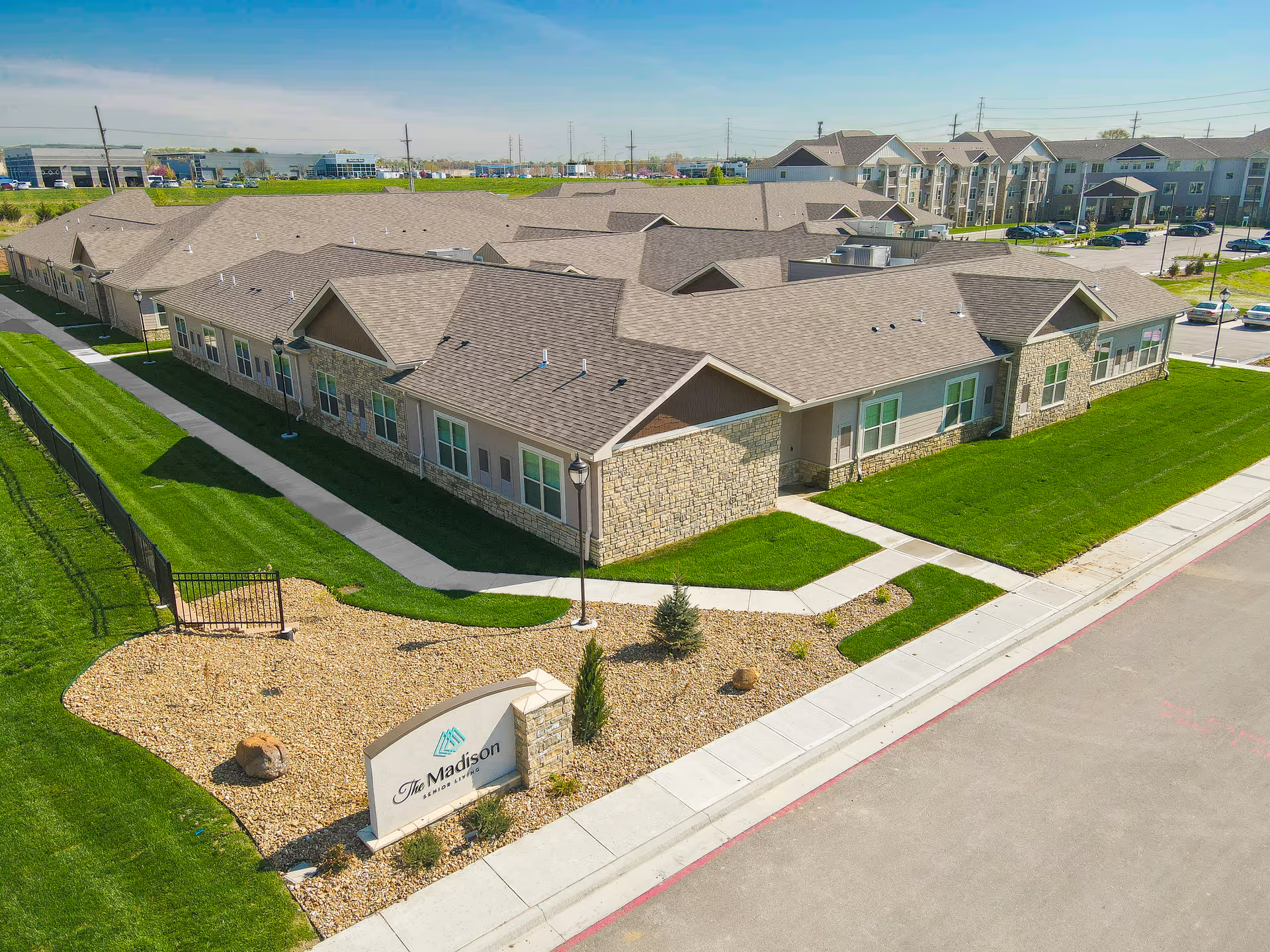
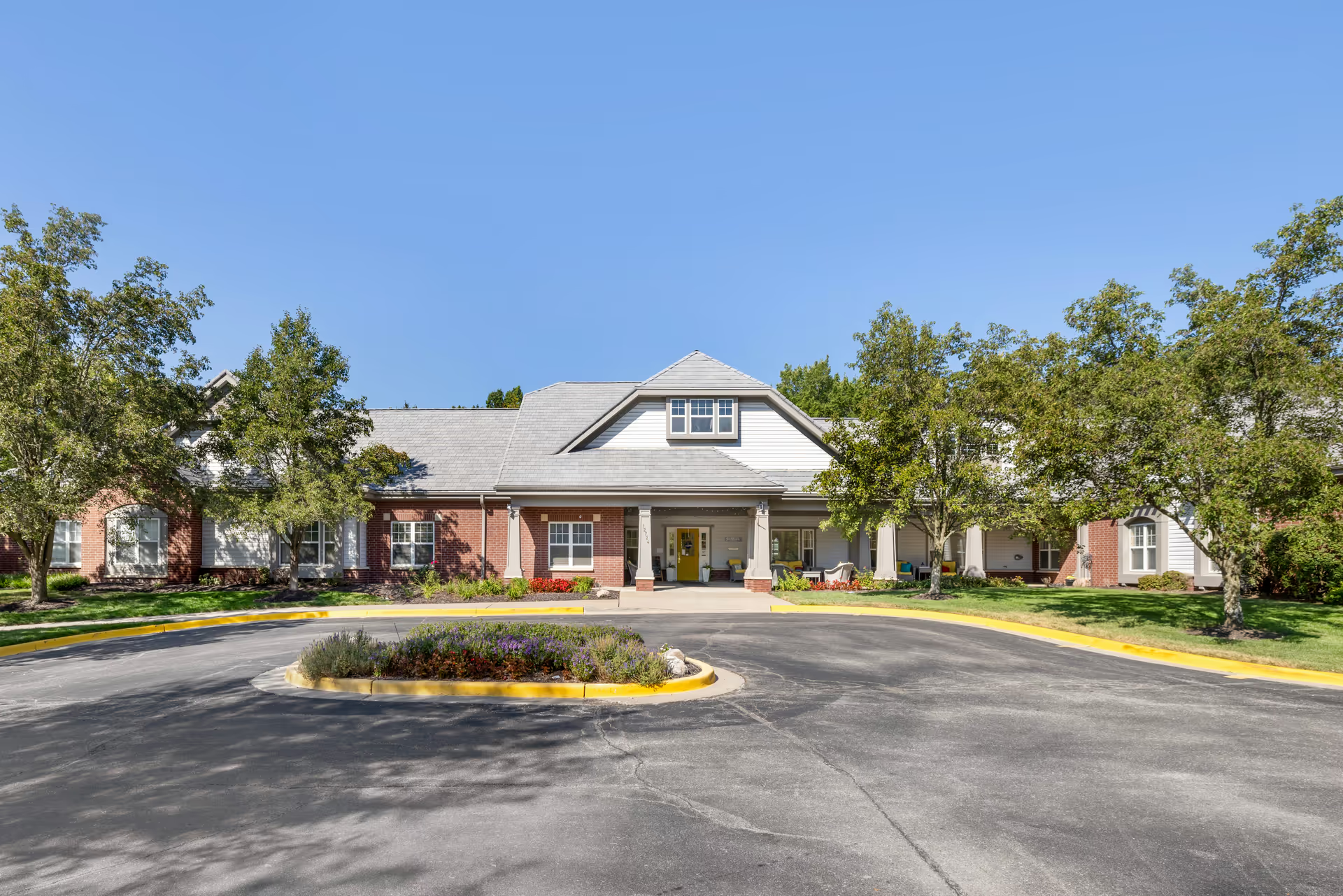
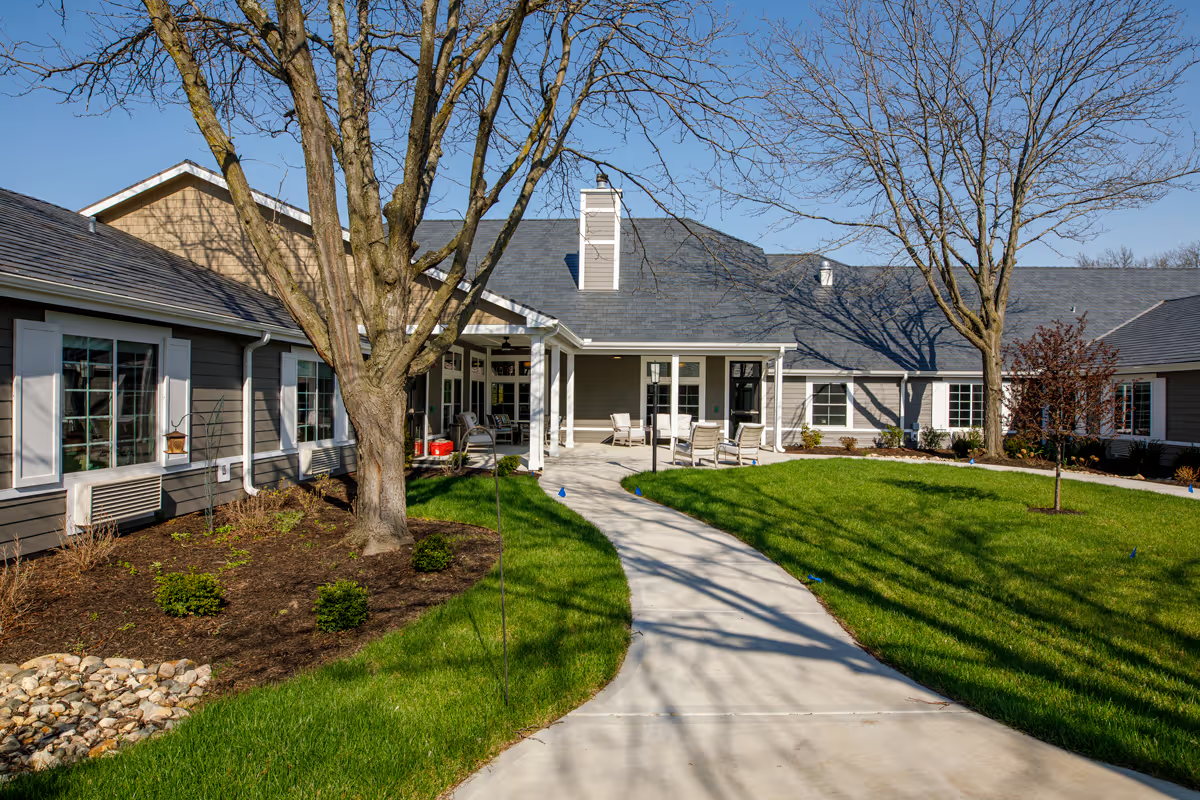
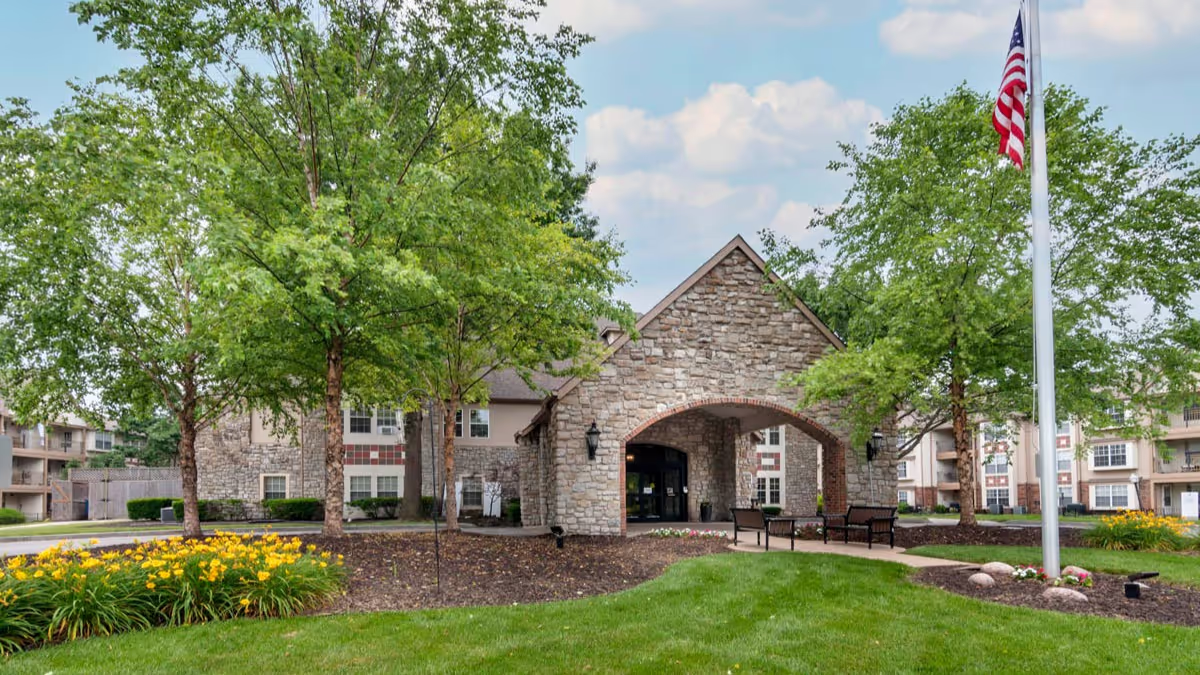
Dining and housekeeping impressions are mixed. Many reviewers commend the facility’s appearance, cleanliness of common areas, and newer private rooms, but others report variability in room sanitation, odor control, and meal temperature or palatability—particularly for soft or modified diets. These differences suggest inconsistent execution of housekeeping and dietary protocols across units or shifts.
Overall, the pattern is one of strong rehabilitation capabilities and many caring frontline staff, coupled with facility-level weaknesses in medical oversight, staffing continuity, communication, and operational consistency. Prospective residents and families who prioritize intensive rehab and an active activities program may find this facility a good fit, but those who require reliable physician access, consistent nursing coverage, and tight clinical oversight should raise targeted questions during a tour. Suggested topics for conversations with management include on-site physician and advanced-practice coverage hours, nurse-to-resident ratios by shift, medication-administration procedures, transfer training and fall-prevention protocols, dining options for modified diets, sanitation and housekeeping standards, and the facility’s most recent state survey findings and corrective actions.