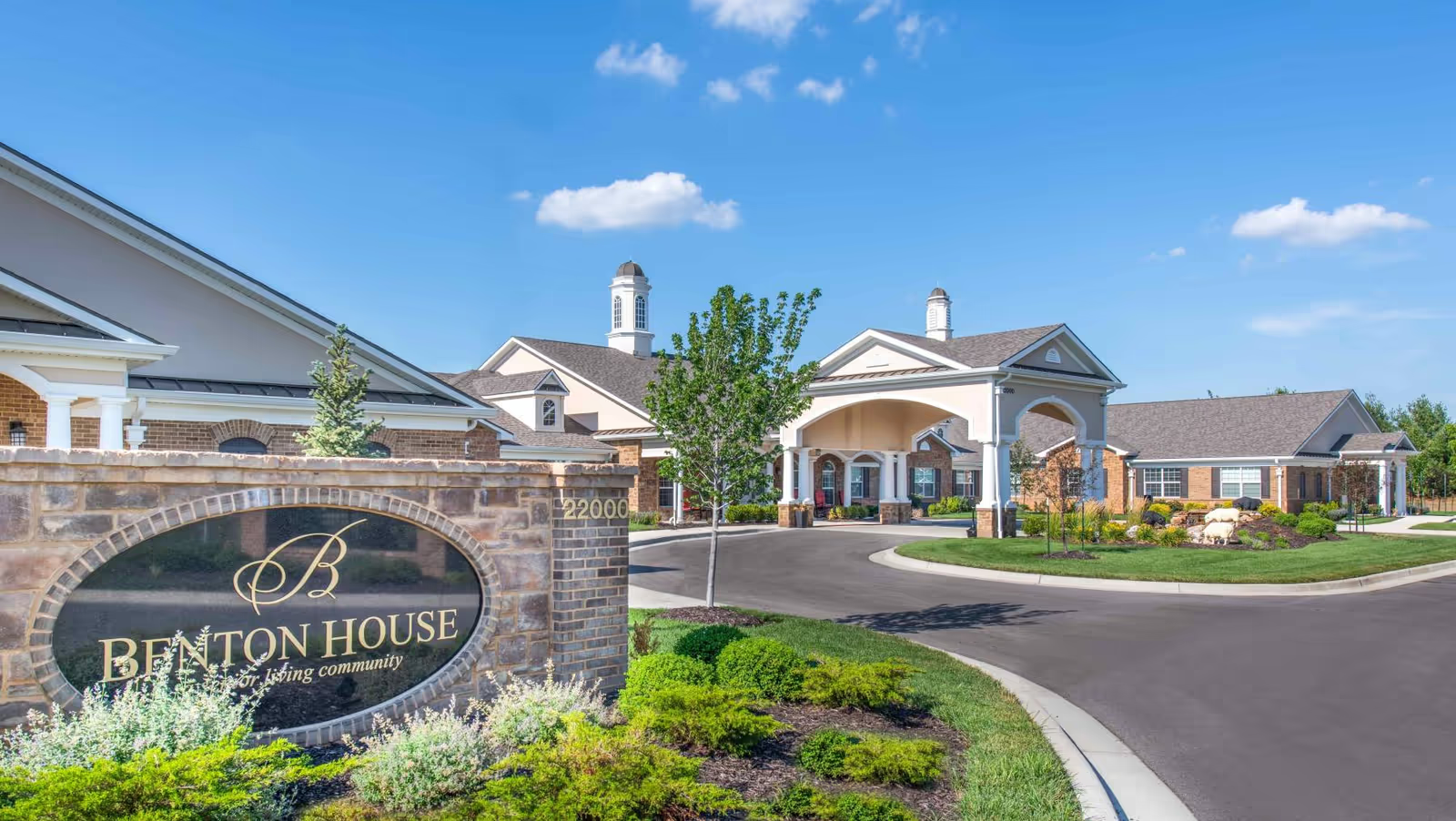
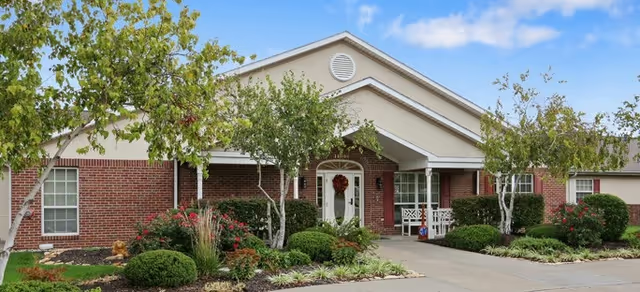
Overall impression: Evergreen Community presents as a largely resident-centered skilled‑care setting with many positive attributes: families and visitors consistently cite compassionate, attentive staff; individualized care plans; a clean, well‑decorated interior; and an attractive secured outdoor courtyard and gardens. The facility's activity program is a visible strength—staff and volunteers run a wide range of creative social offerings, special events, daily games, and supervised outings that many residents and families describe as life‑enhancing. Operationally the site also demonstrates formal strengths (a favorable state survey record and a high CMS rating), and it accepts Medicaid and works with hospice partners.
Care and staff: Caregiving staff are frequently described as warm, respectful, and willing to go beyond basic duties. Nursing and dietary teams are commonly characterized as responsive, with a nutritionist and chef input noted by families. Several accounts emphasize strong hospice and end‑of‑life support delivered with dignity. Life‑enrichment personnel and volunteers contribute to social engagement and resident autonomy, including personalized celebrations and activities designed around resident preferences.
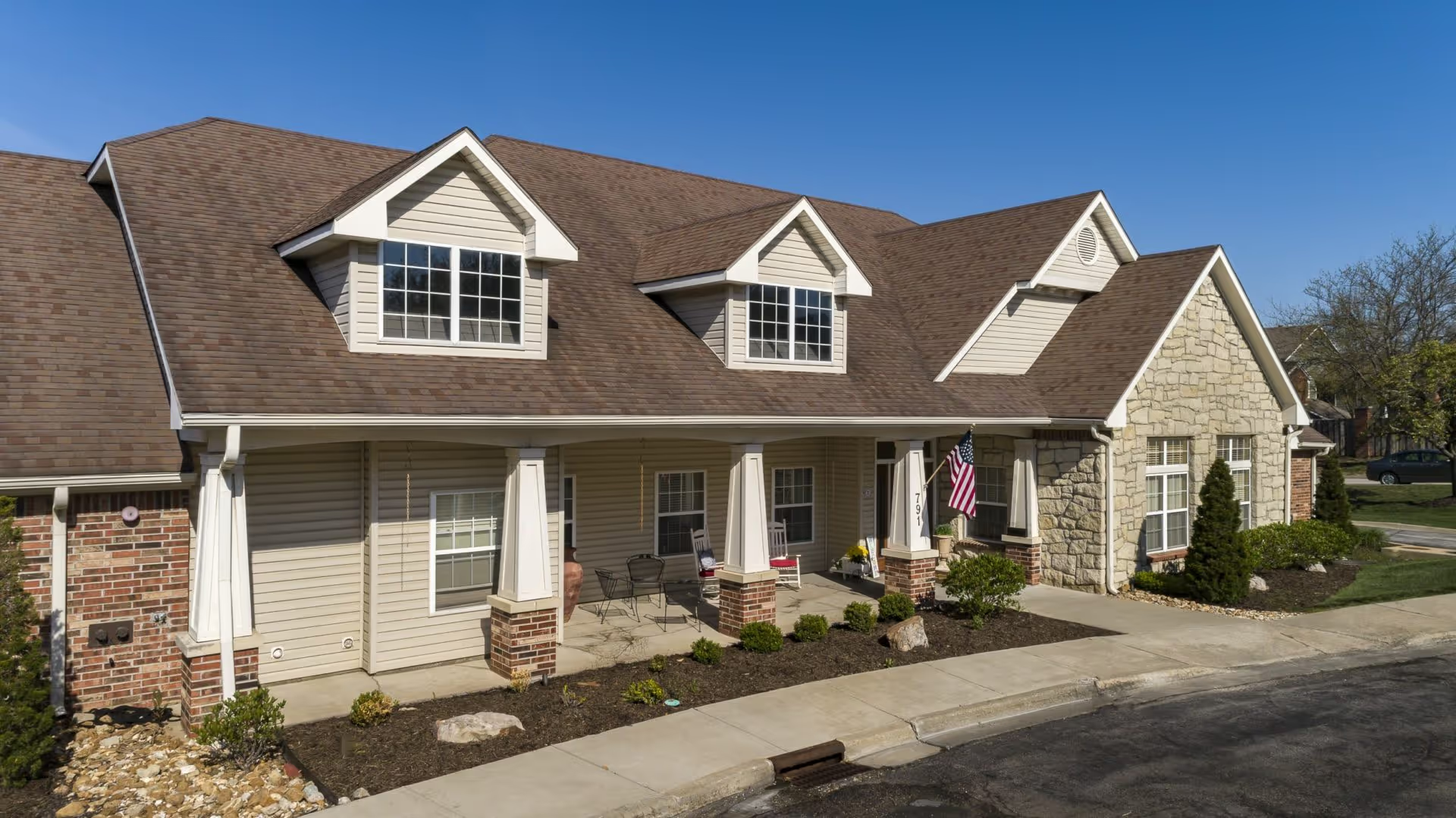
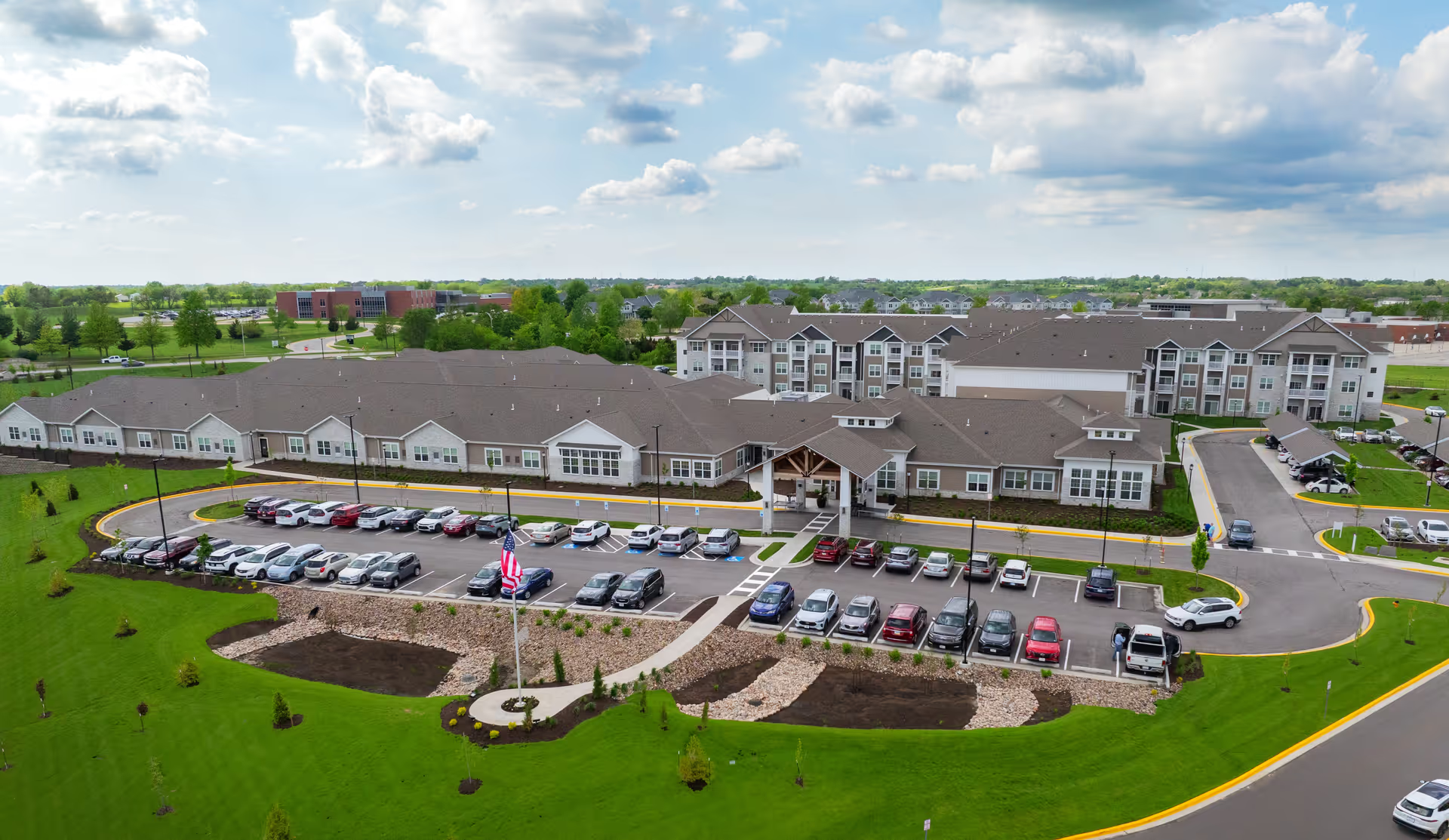
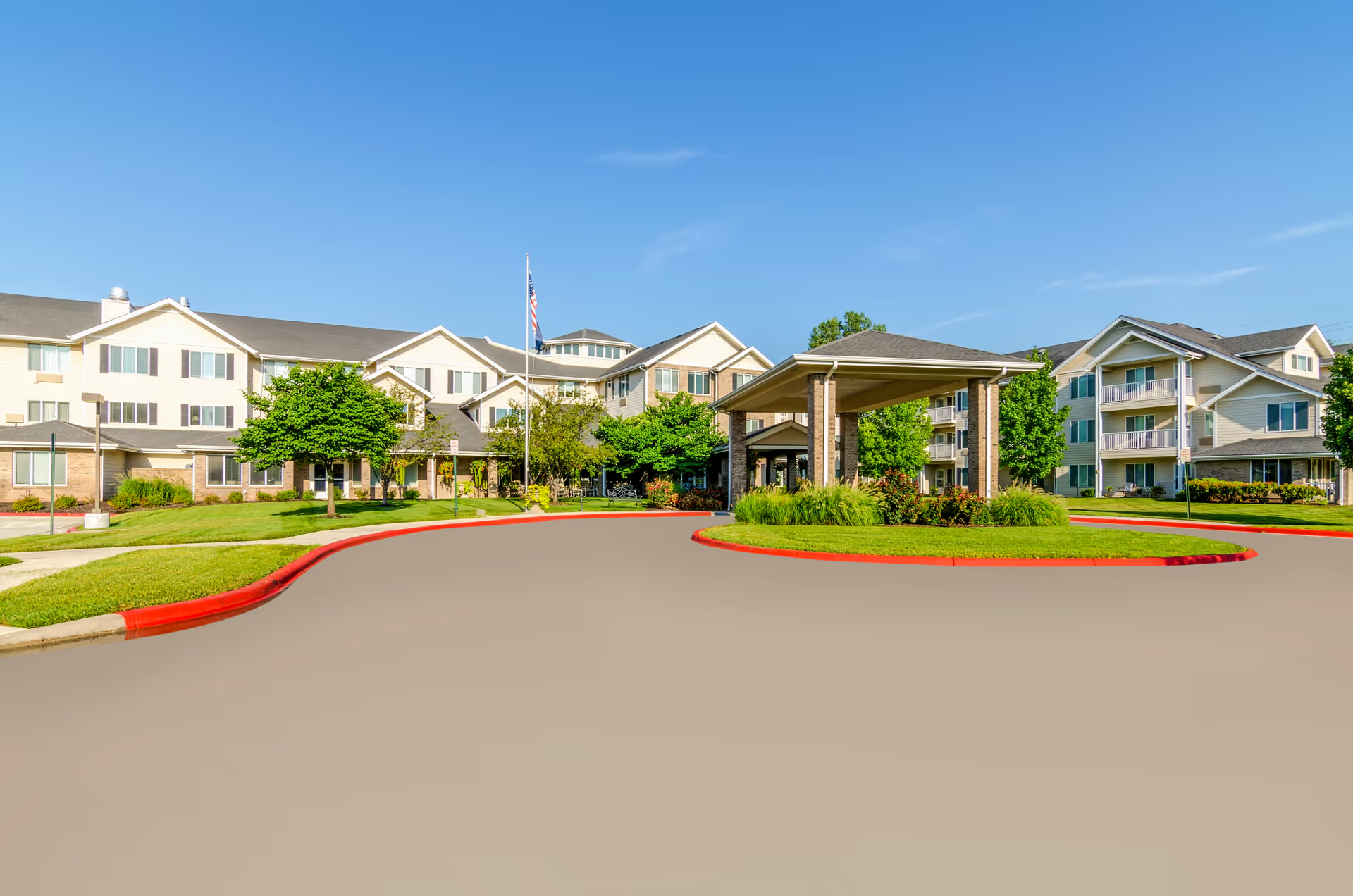
Dining and facilities: Dining receives consistent positive mention for nutritious, well‑prepared meals and opportunities for menu input. The physical environment is repeatedly described as clean, odor‑controlled, and attractively decorated; outdoor spaces and courtyard amenities are highlighted as meaningful quality‑of‑life features. Overall the facility projects a secure and orderly setting appropriate for long‑term care.
Management and operational concerns: Alongside these strengths, a number of operational weaknesses recur in reviewer accounts. Staffing levels and continuity appear variable: some families praise long‑tenured staff while others describe high turnover, shortages, and uneven training. These staffing inconsistencies are associated with longer wait times for requests, inconsistent responsiveness, and variability in resident experience across shifts or units. A subset of families raised concerns about clinical incident handling and family communication following adverse events; these comments point to gaps in incident response protocols and in how the facility communicates with families during clinical issues. There are also specific mentions of inconsistent wound and skin‑care practices, which prospective families should evaluate directly. Additionally, there are allegations of racial discrimination and poor workplace treatment cited by some former staff, and reports of opaque hiring and job‑posting practices that raise questions about leadership transparency.
What to watch for as a prospective family: Evergreen Community offers many positive elements—compassionate staff, robust activities, clean facilities, and hospice capabilities—but experiences appear to vary by unit and shift. Prospective residents and families should tour during active shift changes, observe staffing ratios, ask for current staffing and turnover data, review clinical protocols for wound care and incident response, and inquire about diversity and workplace‑culture policies. Confirm how the facility documents and communicates clinical issues to families and ask for examples of recent state survey follow‑up. Those steps will help determine whether the facility’s strong person‑centered mission is reflected consistently in day‑to‑day operations for a particular resident.