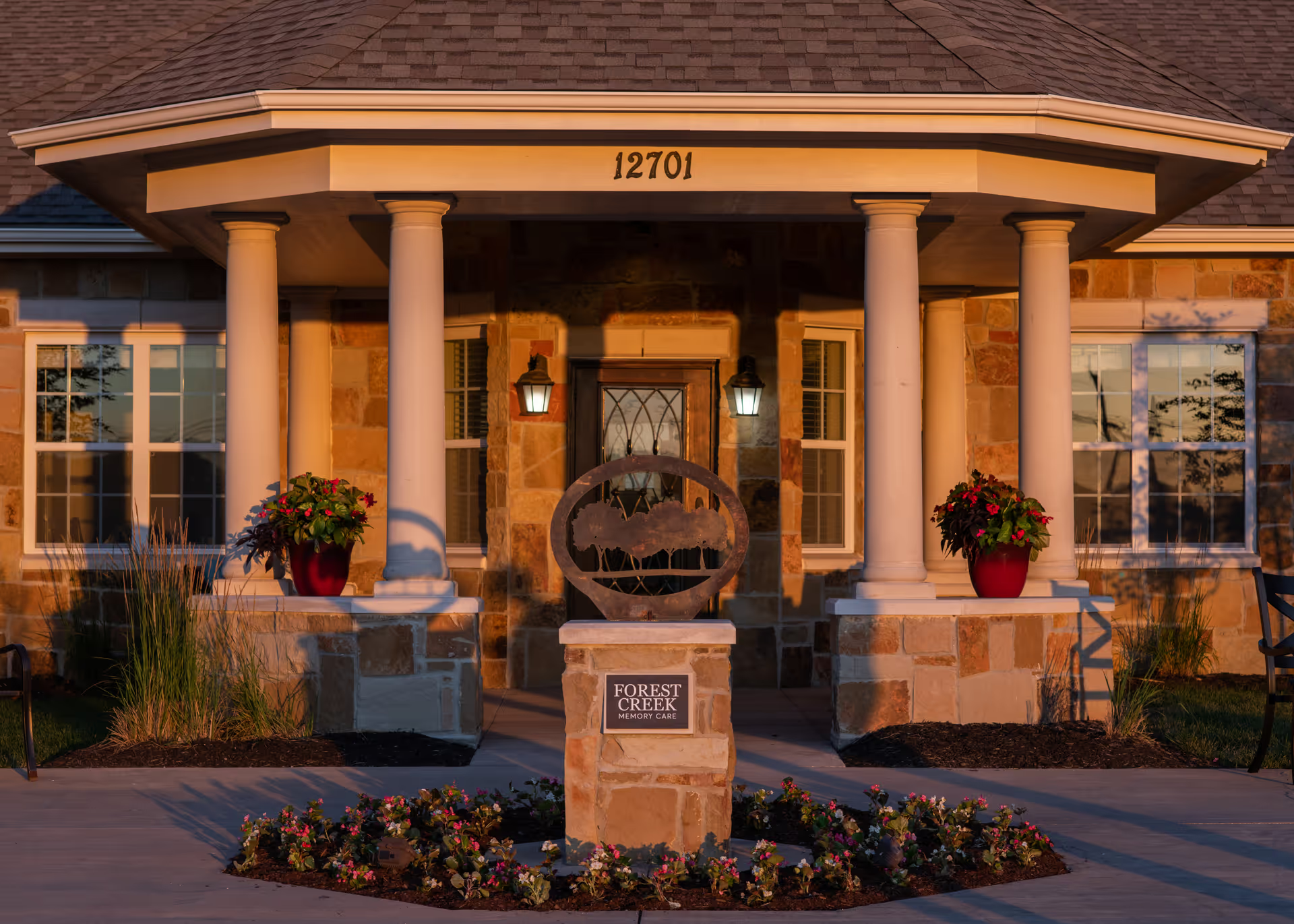
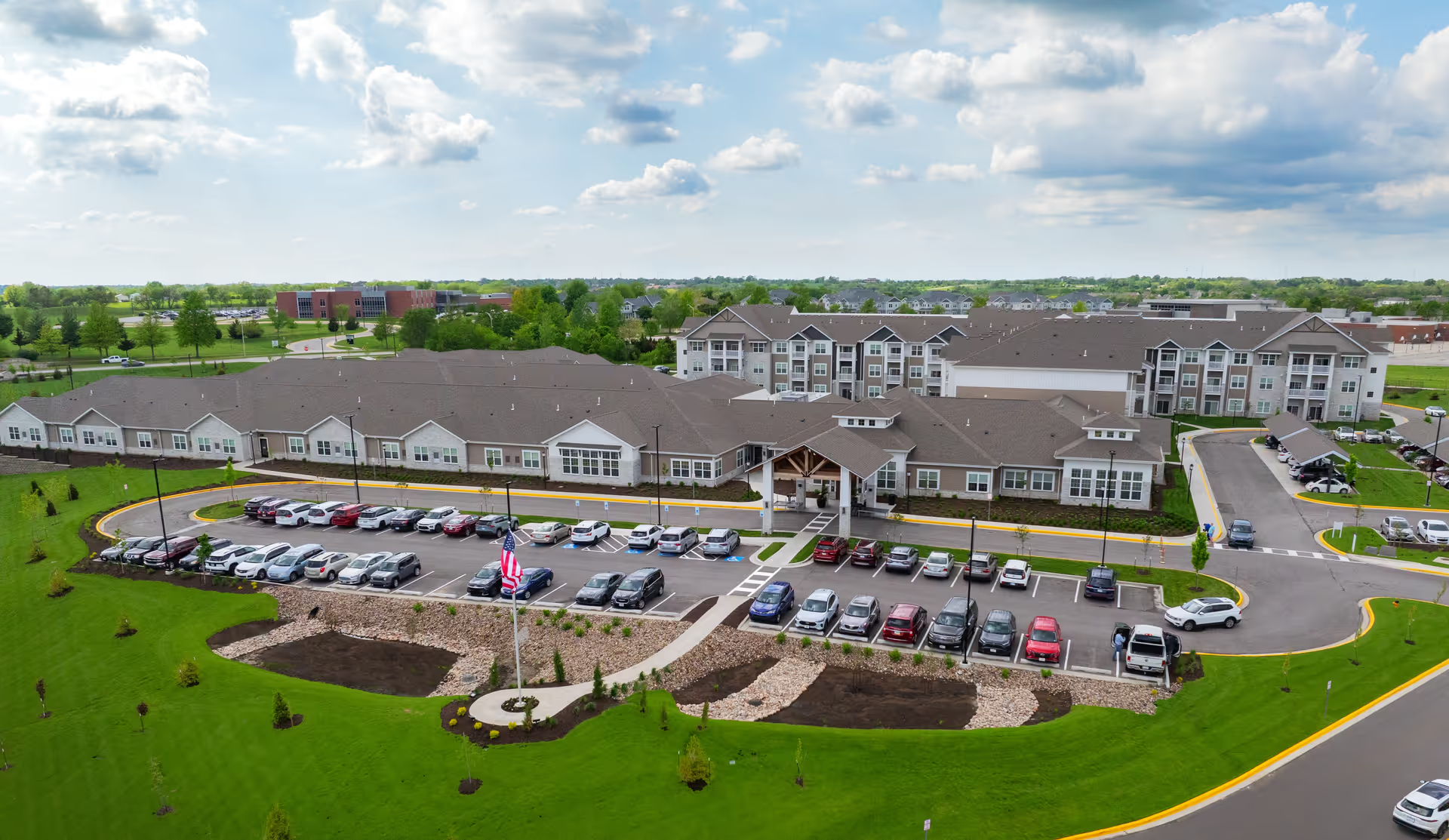
Homestead Assisted Living of Olathe South presents as a small, community-focused facility with strengths in personal relationships and a family-like culture. Many families described warm, compassionate staff and administrative leadership that can be informative and helpful during tours and admissions. The facility offers clinical supports that are notable for an assisted-living setting, including on-site gerontology physicians and an in-house pharmacy, and it maintains a separate, secure memory-care building adjacent to the assisted-living side.
Care quality is generally characterized by attentive, respectful interactions and coordinated support for residents' needs. Reviewers highlighted staff willingness to assist with hospice transitions and individualized attention that made residents and families comfortable. At the same time, clinical coverage is not continuous on-site: nursing presence is limited and relies on on-call arrangements outside core hours. This operational model can work well for residents who require assisted-living-level care but may be less suitable for people who need frequent on-site nursing interventions.
Dining and activities are described positively in many accounts. Meals were frequently described as pleasing in flavor and portion size, and the community provides a range of programmed offerings — bingo, exercise classes, outings to local restaurants, birthday and holiday celebrations, and other social events. Activity consistency appears to vary by day and by unit: some families observed a lively calendar with regular engagement, while others saw limited activity during a particular visit.
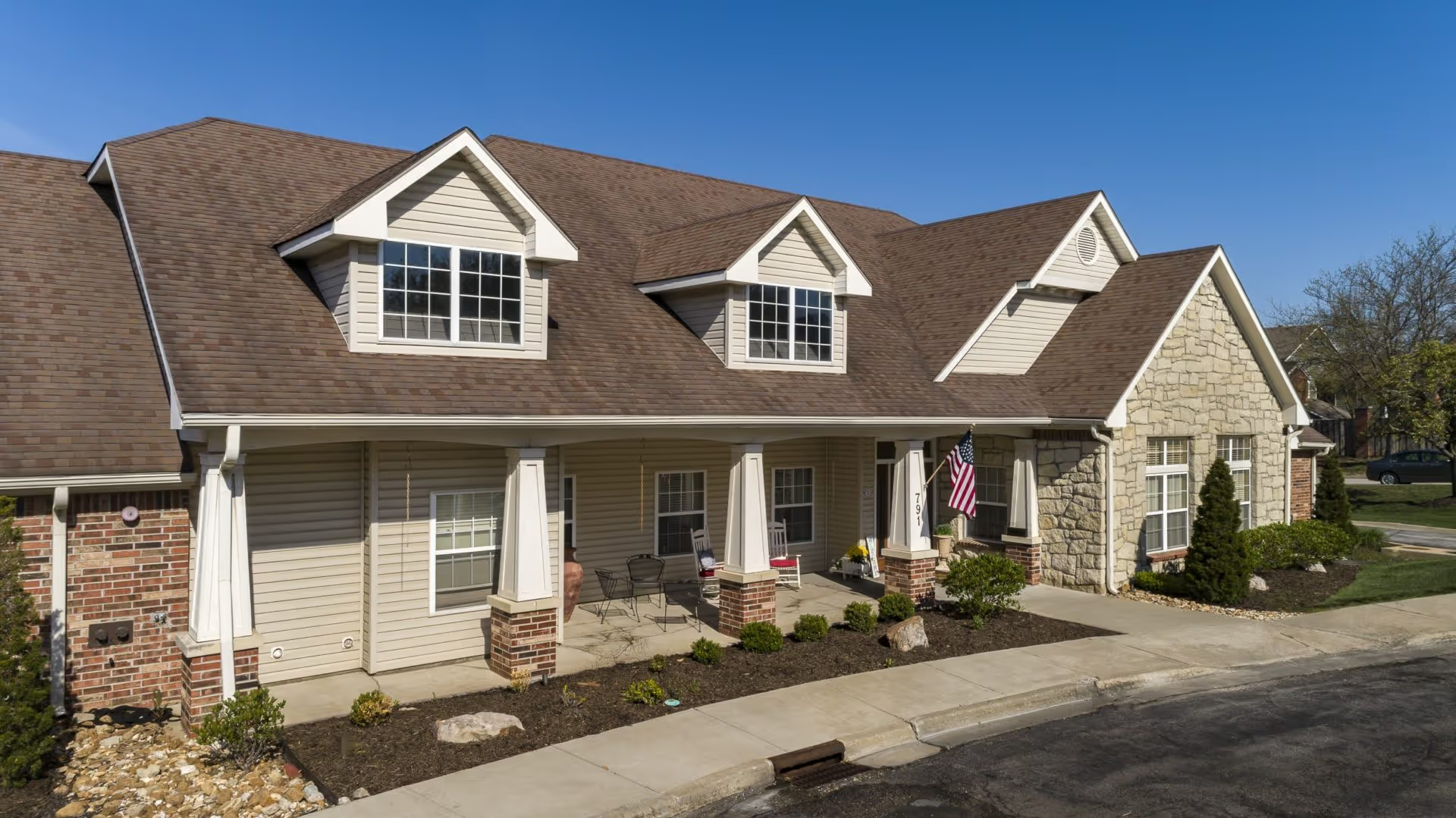
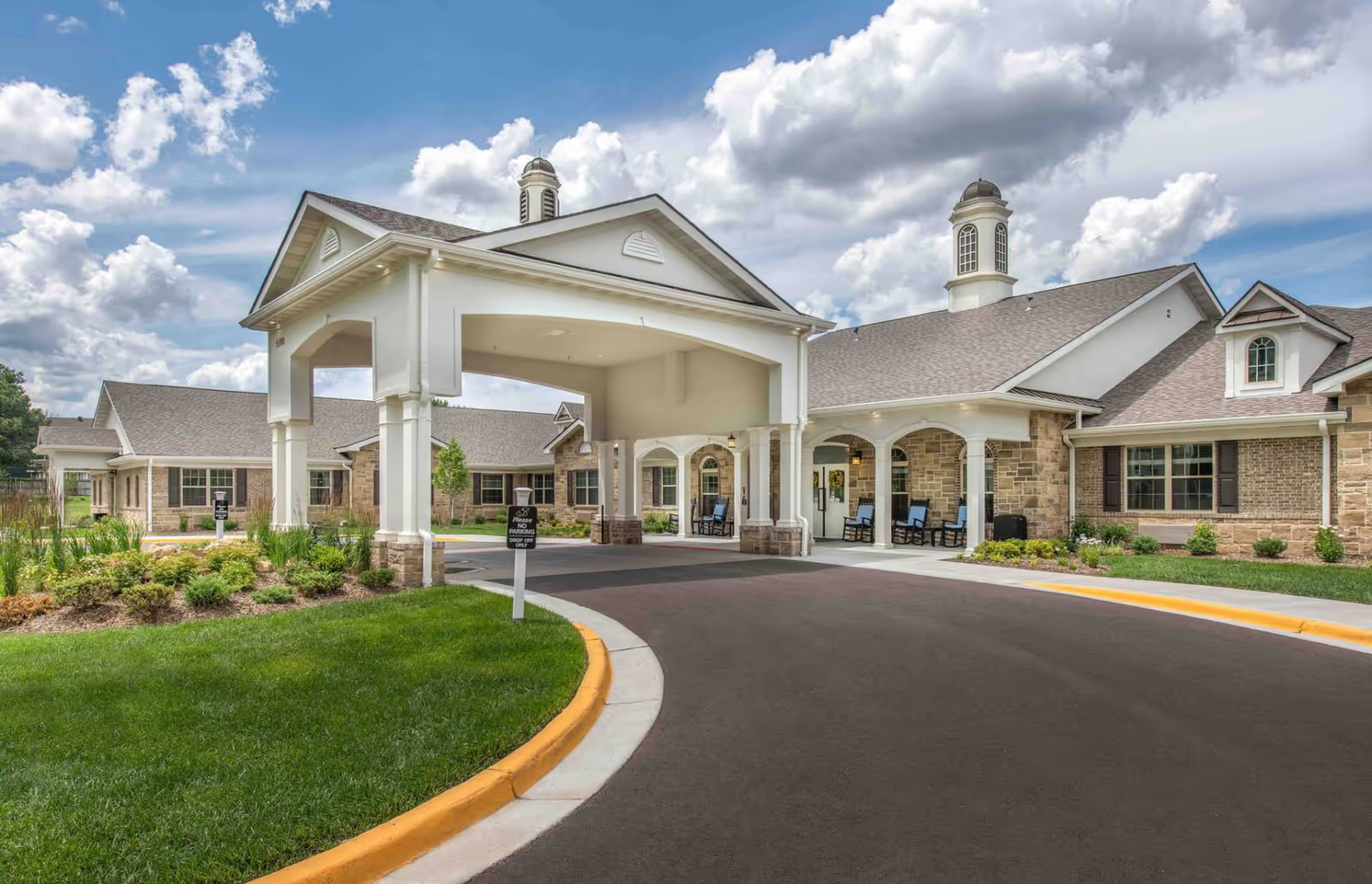
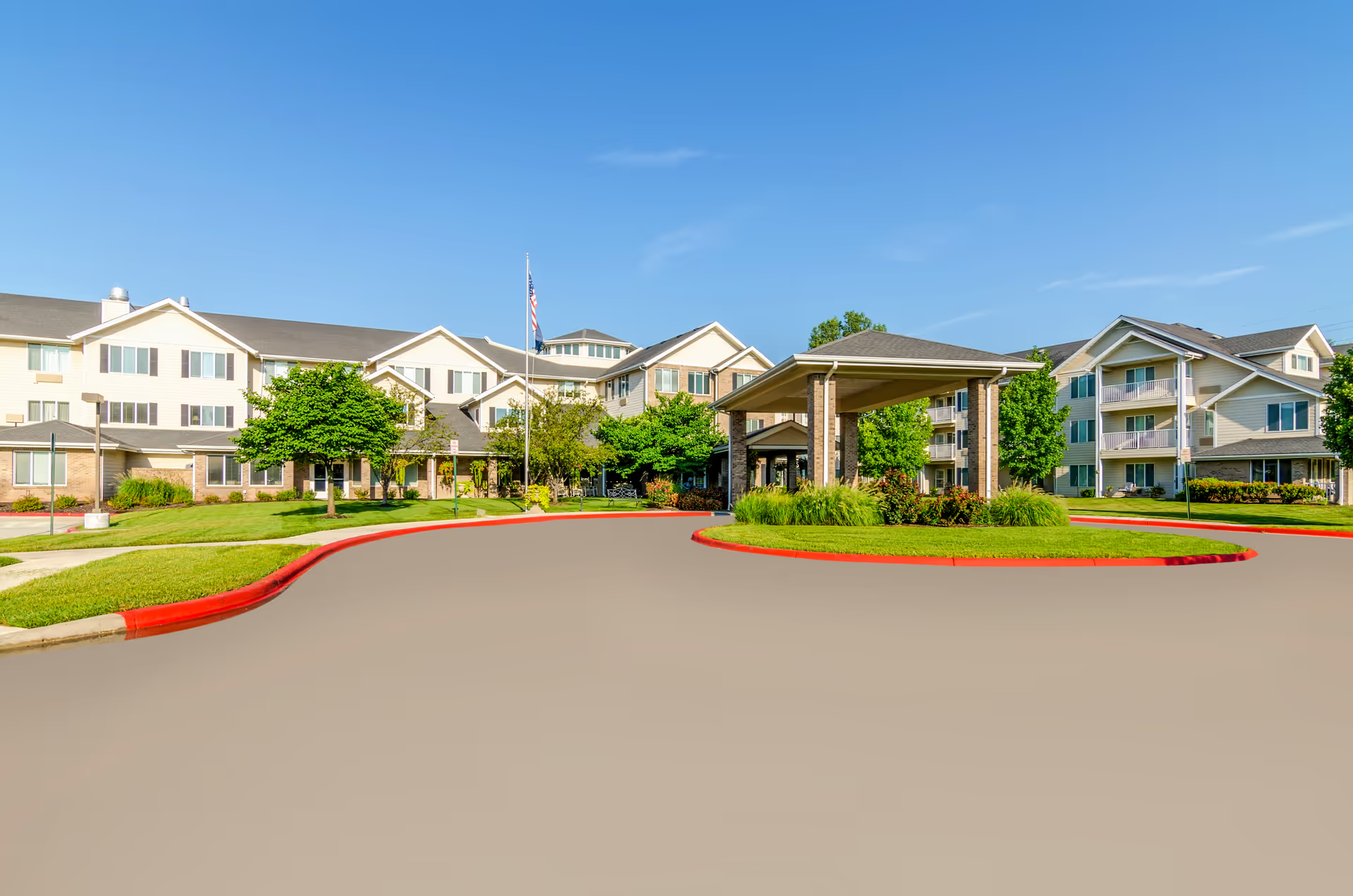
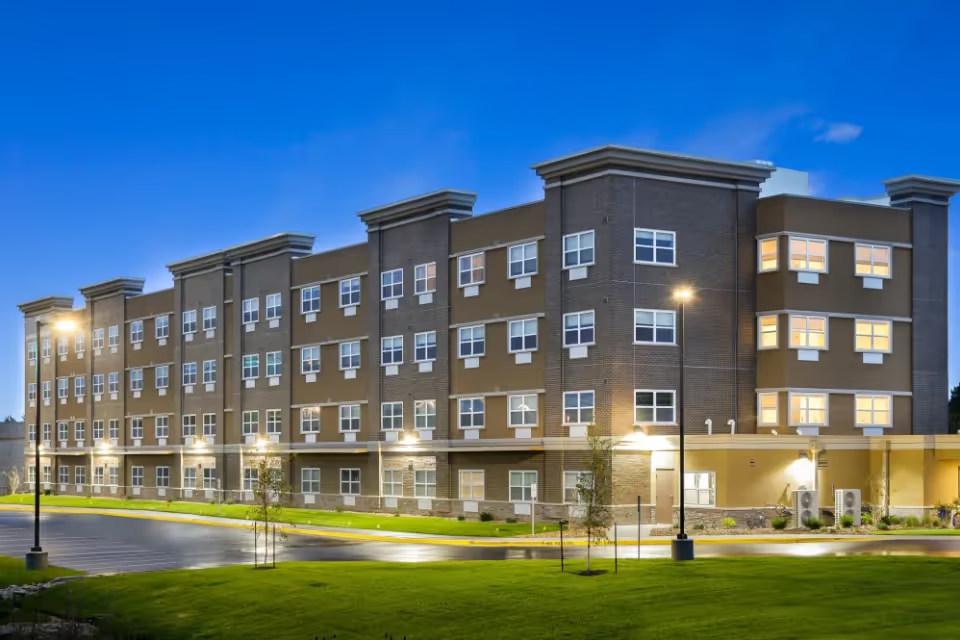
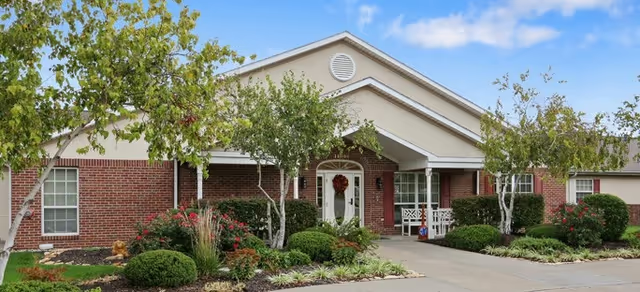
The physical plant is mixed. The property has attractive outdoor spaces and well-kept courtyards that contribute to a pleasant, quiet atmosphere. Inside, the facility shows its age in places — dated finishes, heavy carpeting, and smaller room footprints were commonly noted. Accessibility constraints such as narrow hallways and compact bathrooms could limit comfort for residents using larger mobility devices. There are also operational maintenance issues mentioned intermittently, including delayed repairs, and some reviewers noted odor concerns and insufficient lighting in corridors as points to verify on a tour.
Management and administrative patterns are important considerations. Families praised individual staff members and the general helpfulness of leadership during assessments and move-in in many cases. Conversely, there are recurring concerns about inconsistent communication, occasional misleading or changing admission information, and unclear timing around Medicaid conversion. These are trait-level issues that prospective residents and families should clarify in writing before committing. Overall, the community may be a strong fit for families seeking a smaller, relationship-driven assisted-living option with access to geriatric medical support and a secure memory-care neighbor, but less appropriate for those who require robust 24/7 clinical staffing, larger private suites, or a more modern facility. Prospective families should verify nursing coverage schedules, admission/Medicaid policies, accessibility features, and recent maintenance responsiveness during their visit.