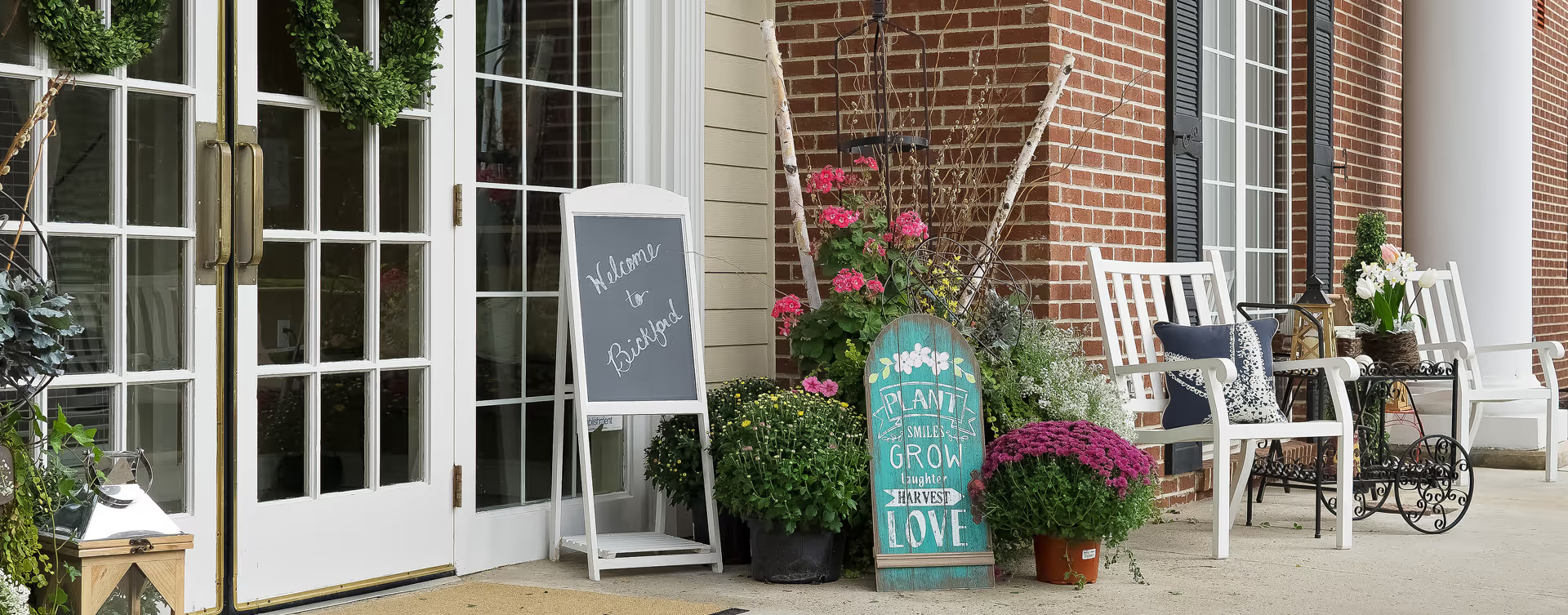
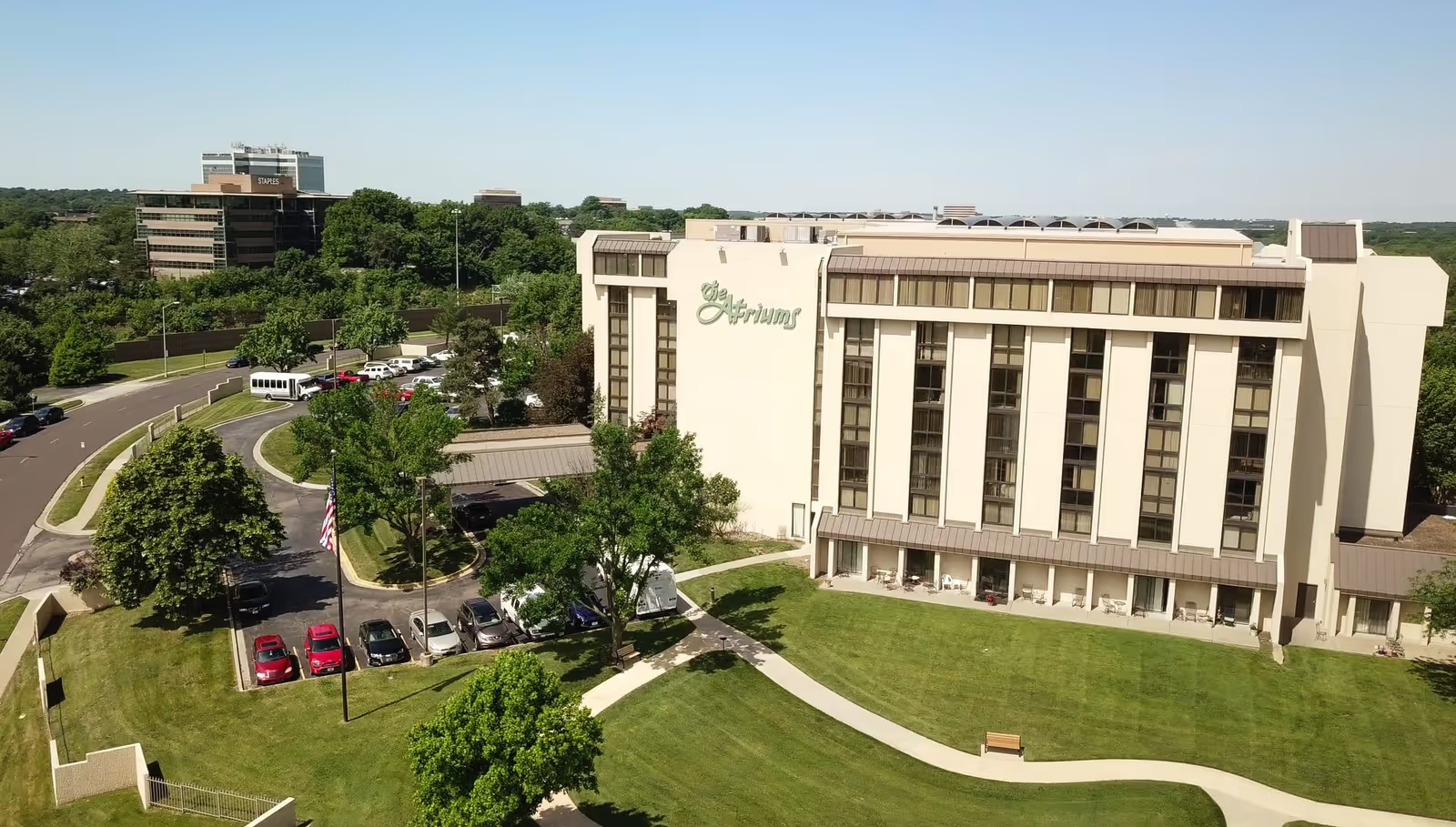
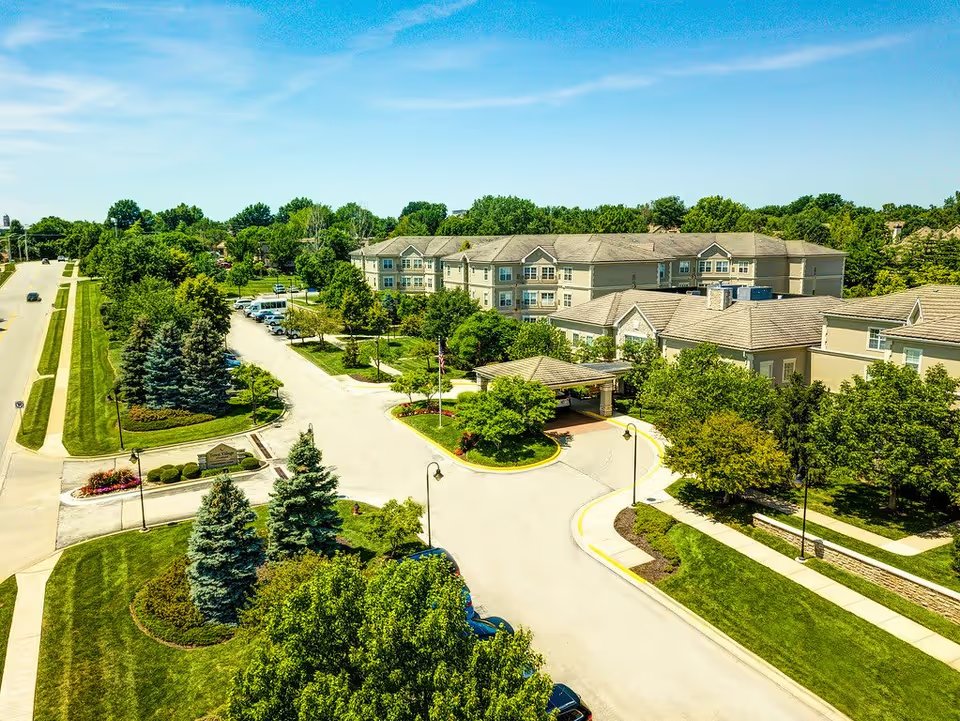
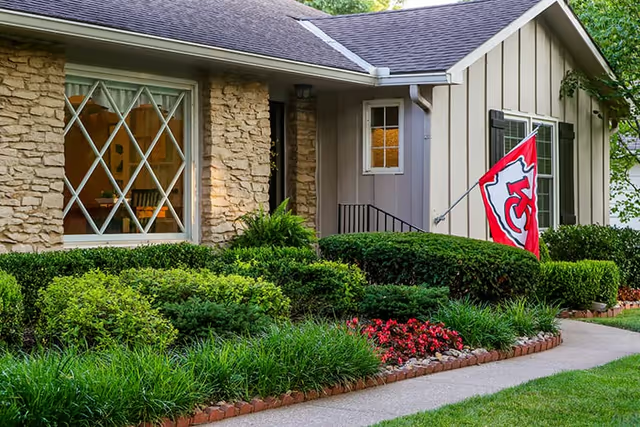
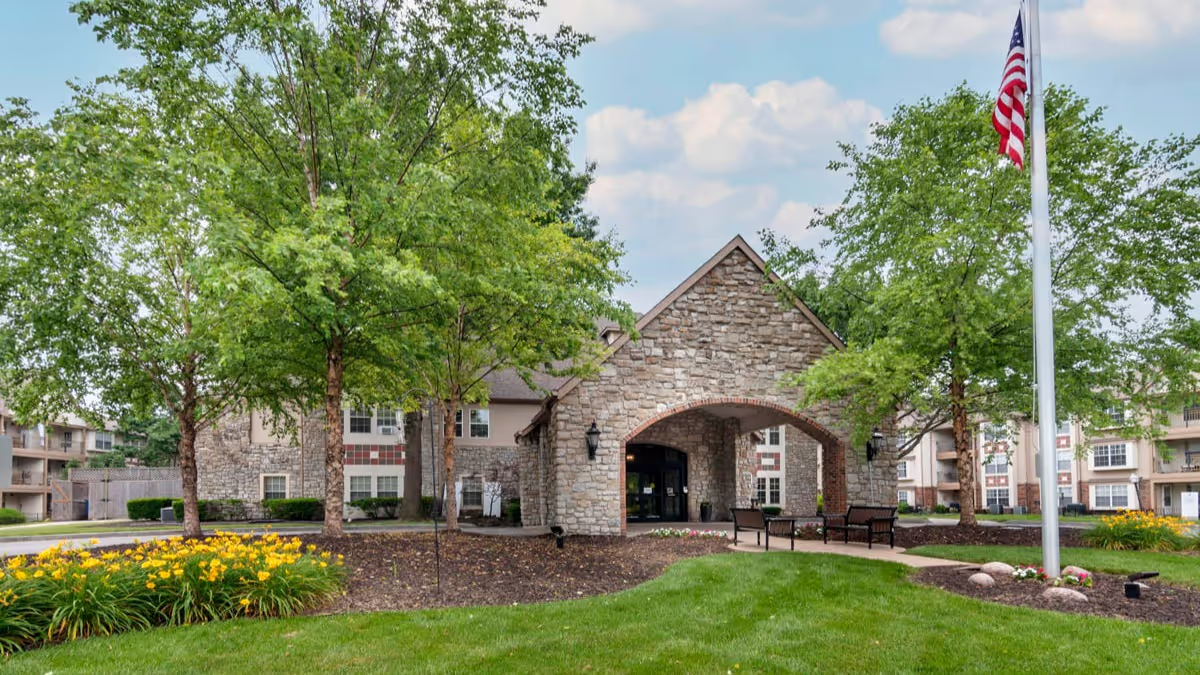
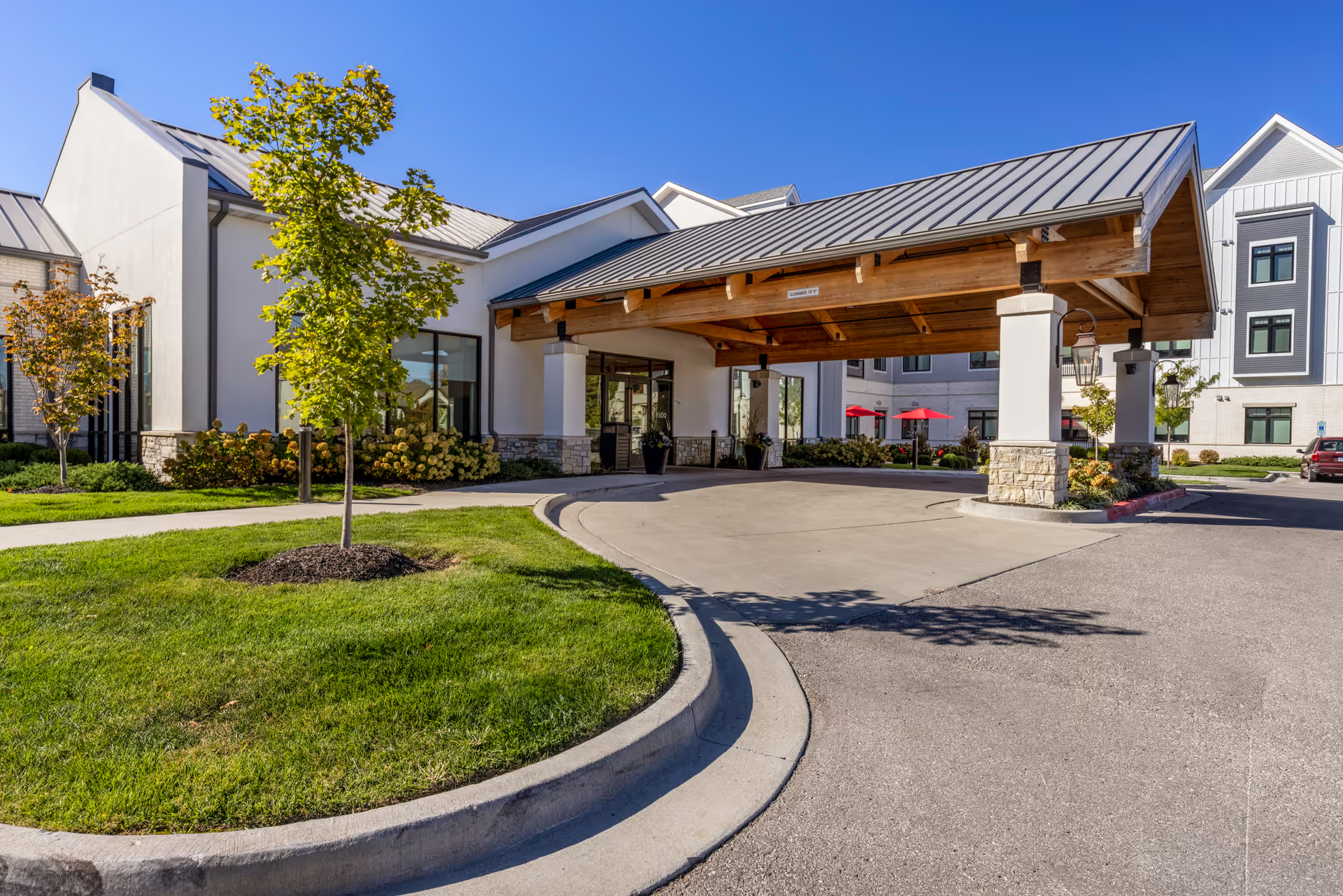
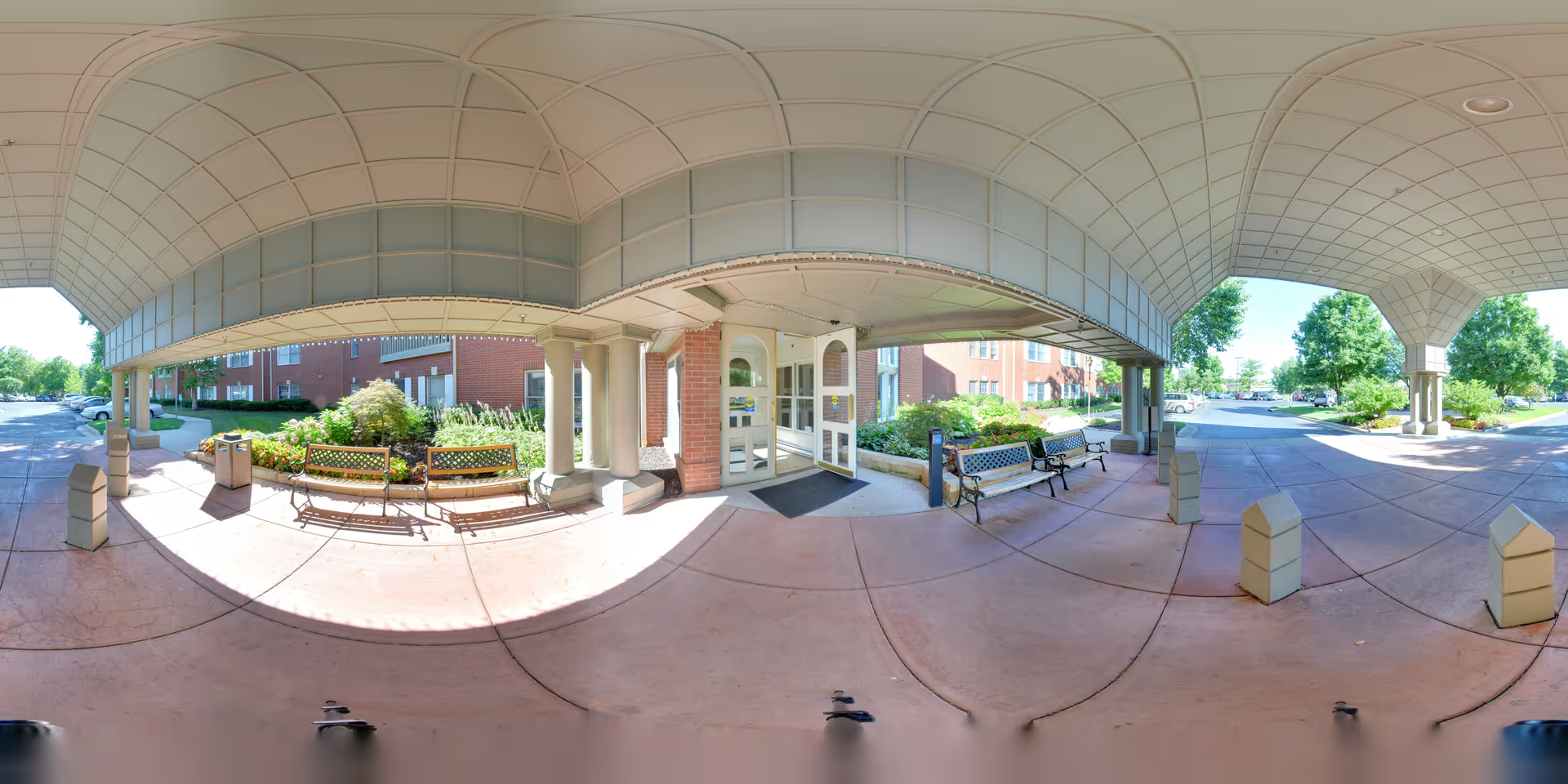
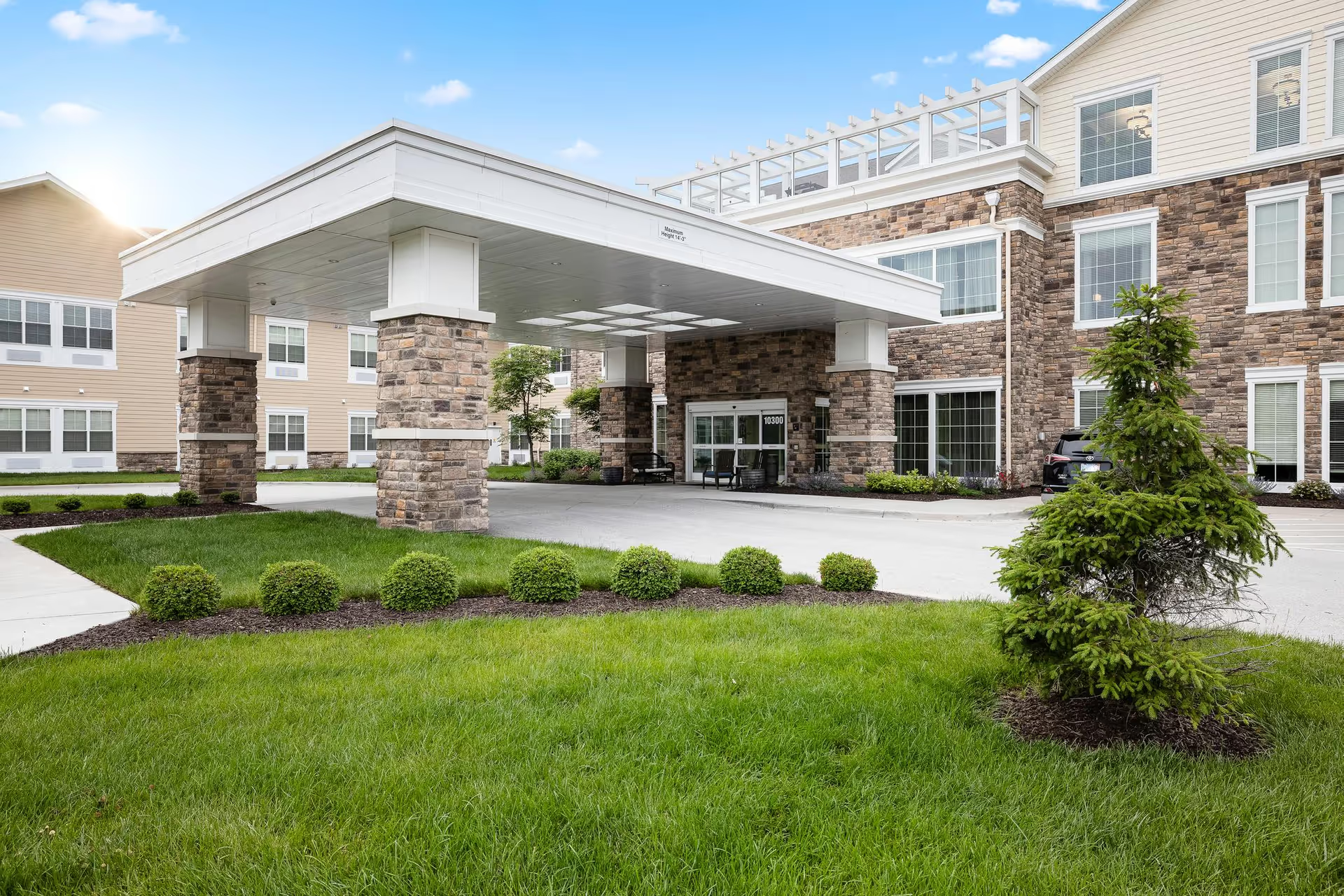
Aventura Senior Living at Overland Park presents as a modern, well-kept campus with many operational strengths alongside recurring operational weaknesses. Physically the community is frequently described as bright, clean and attractively maintained: apartments and common areas receive consistent praise, grounds and landscaping are well cared for, and a range of housing types (studios, one-bedrooms, cottages, duplexes) and amenities (fitness/therapy rooms, theater, activities rooms, salon) support an active resident lifestyle. On-site rehabilitation/therapy and clinic access are cited as valuable clinical resources.
The activity program is a standout for many families: a broad calendar of events, scheduled day trips, live music and social clubs contribute to a lively social environment. Transportation services and shuttle buses for appointments and shopping are reliable features that support resident independence. Maintenance and routine housekeeping are often described as effective, and many reviewers highlight individual staff members (concierge, maintenance, activities leads) who go beyond expectations to support residents.
Care and staffing present a mixed picture. Numerous families commend caregiving staff, nurses, and activity teams for compassion and responsiveness; several short-term clinical and rehab experiences are reported as excellent. At the same time, recurring themes include high staff turnover, periodic staffing shortages, and uneven clinical oversight. Concerns noted include inconsistent medication management practices, variable dementia-care competency across shifts or units, and irregular response times to call buttons and routine checks. Memory care receives both positive and critical commentary: some families describe skillful, patient-focused programming while others report gaps that influenced their decision to leave.
Dining quality and food service reliability are similarly inconsistent. Many reviewers praise restaurant-style dining, healthy menus and social meal experiences; others report cold or unappealing meals, slow service, shortages, and confusion about extra charges or point-based meal systems. Related operational issues include unclear meal-fee policies and instances where meal service declined after leadership changes.
Administrative and management issues are a frequent source of dissatisfaction. Reviewers describe leadership turnover, uneven visibility of administrators, billing and invoicing problems, and instances of limited or unclear communication from the business office or HR. Sales and admissions processes draw mixed reactions: some families experienced an excellent, transparent transition while others cite an overpromising sales approach, complex lease language, nonrefundable community fees, and insufficient orientation after move-in. A few accounts raise more serious process concerns (infection-control screening, dispute handling after a resident’s worsening health), which underscore the importance of clarifying clinical protocols and contract terms before committing.
Taken together, the pattern suggests a facility with strong physical assets, an active activities program, and many dedicated staff members, but with operational variability tied to staffing stability and management consistency. Prospective residents and families should tour during a mealtime and an event to observe dining and activity delivery, ask for written policies on staffing ratios, medication administration, dementia training, infection-control protocols, and refunds/nonrefundable fees, and request references from current families. Those steps will help determine whether the community’s many strengths align with a particular resident’s clinical needs and expectations for administrative transparency.